Crafting chocolate in a warzone – a report from the chocolate makers of Ukraine
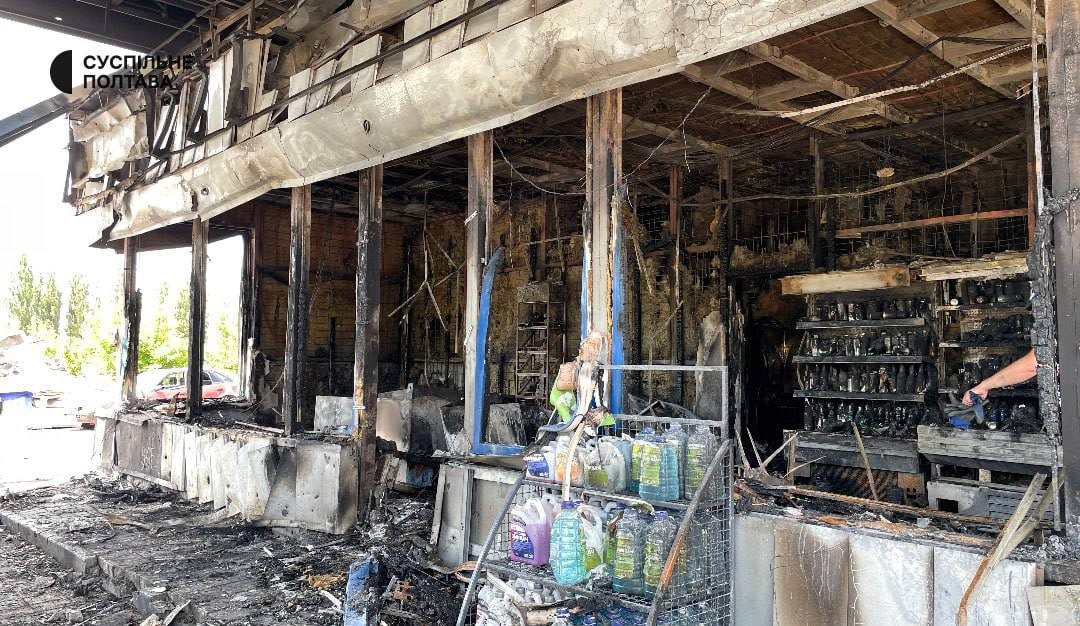
As we restock their bars, an update from Stranger on the conditions they are working in in Poltava, Ukraine.
Print / PDFFirstly, a massive thanks to the – literally – hundreds of you who have replied to our survey; and if you haven’t yet taken part, there is still time. It takes around 5 minutes, and (see below), it’s really useful for us (and there is an incentive to make it worth your while; £5 off any order above £30 and £10 off orders above £60).
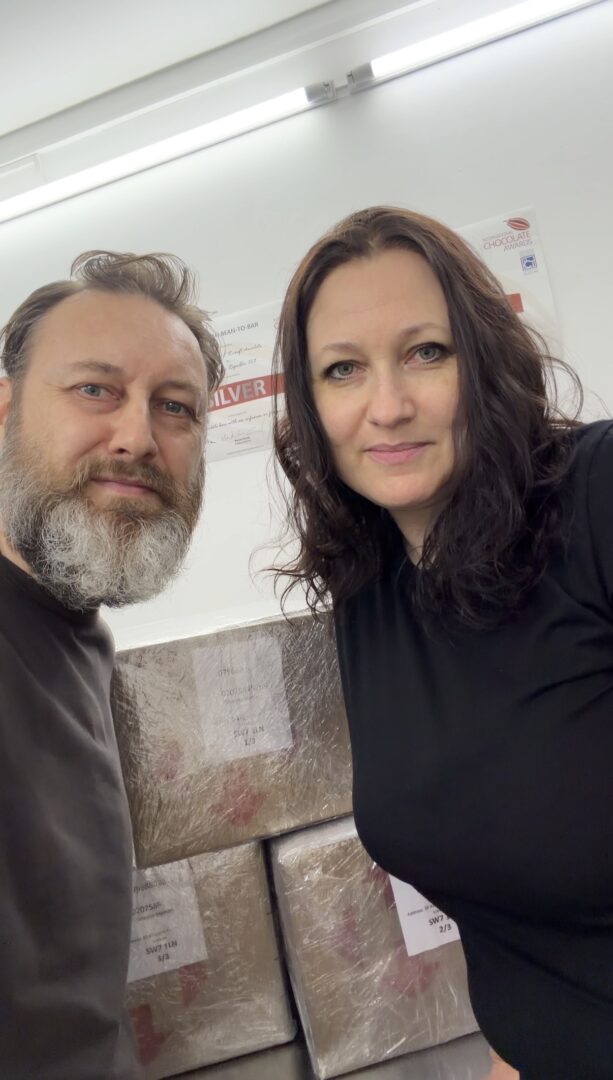
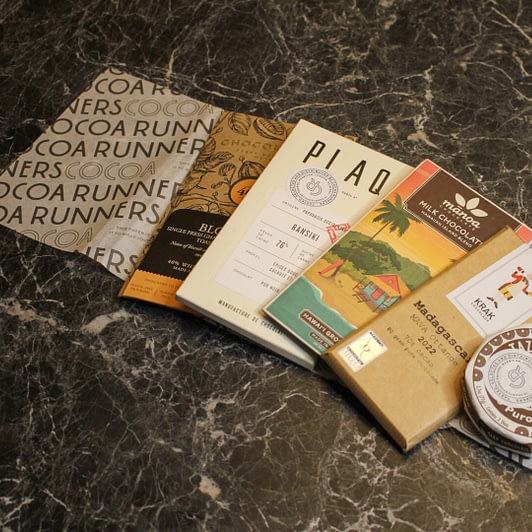
One of the requests from your survey responses is for more emails about makers. Last week, we received an email from Tatiana and Ruslan at Stranger, in Poltava, Ukraine. It outlined the horrifying conditions they are continuing to live and work in, four years after the conflict started. So this week, we’re thanking and remembering the incredibly difficult situation for our makers in Ukraine. We’ve just received another delivery from Stranger restocking some of their brilliant bars (and we’ve got samples for some new bars that subscribers will be receiving in their monthly boxes later in the year).
Even though we are constantly reminded of the daily horrors of the war in our news feeds, there is something especially poignant when you hear the challenges Stranger (and our other Ukrainian makers like Sisters and Meety) struggle through. It certainly made us pause and reflect when we received their email.
Here, in their own words, are the challenges Tatiana and Ruslan persevere through (note: I’ve made a few light edits).
The situation with logistics in Ukraine has worsened, many delays, because the sorting centers are under constant attacks. It is probably more difficult now than it has ever been.
Regarding the situation in Poltava, alarms every 1-2 hours. Reconnaissance drones are flying, which correct strikes by jet drones and ballistic missiles. There have been flights of Iskander-M missiles, usually they target energy and industrial facilities, but there have been cases of flights over residential buildings. Today, for example, from 1am to 3pm there have already been 6 alarms, while the last alarm yesterday lasted five hours and was “removed” at 23:45. There are days when you just remove the alarm, when it howls again, because the “shaheed” was flying at a low altitude and could not be seen on the radar. There were alarms before, too, but in recent months they have become so frequent. While we are writing this letter, the next alarm is already “howling”.
Usually we hear explosions, sometimes the siren wails later than the explosion, this concerns missiles, in fact, no one pays attention to the “alarms” anymore. At night, it really interferes with sleep and howls more than usual. There is no strength to run to shelter all day, or you have to quit work and sit in shelter, because the siren is constantly there, and when it is canceled, it passes for several minutes or hours. There are not enough normal shelters, so everyone survives as best they can.
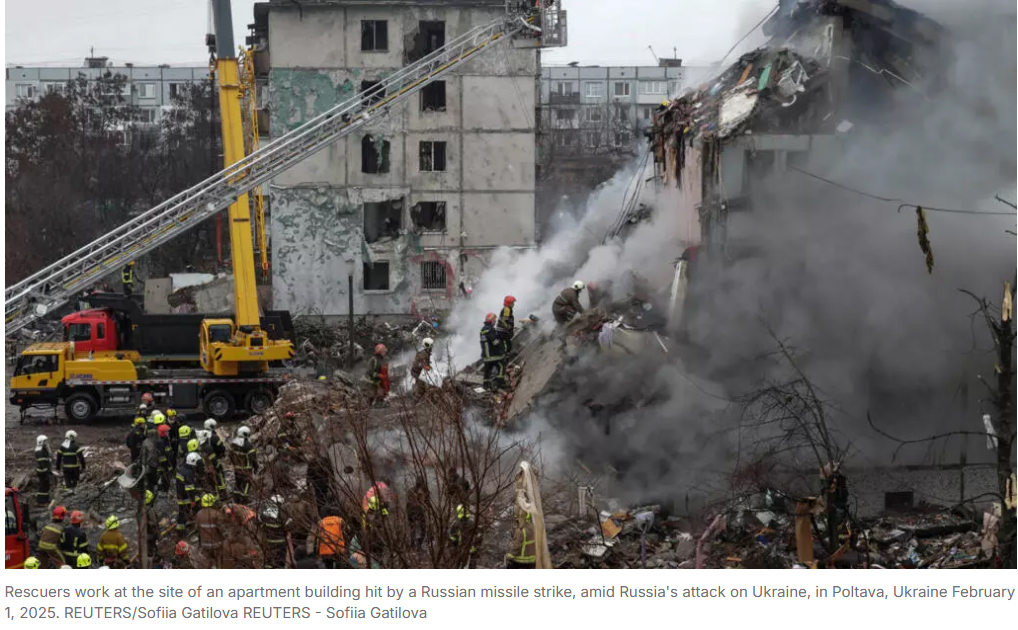
The news does not write information specifically about where the flight was, for safety reasons, so as not to correct the strikes. The biggest loss was last year, when a missile hit a residential building located in another part of the city, 14 people died. The flight occurred when everyone was sleeping. Now, unfortunately, there are also losses.
Recently, as a result of Russian shelling of a critical infrastructure facility, a dangerous chemical substance leaked. Chemical protection specialists from the State Emergency Service sealed the damaged containers and the leak sites. Rescuers completely eliminated the threat at the facility.
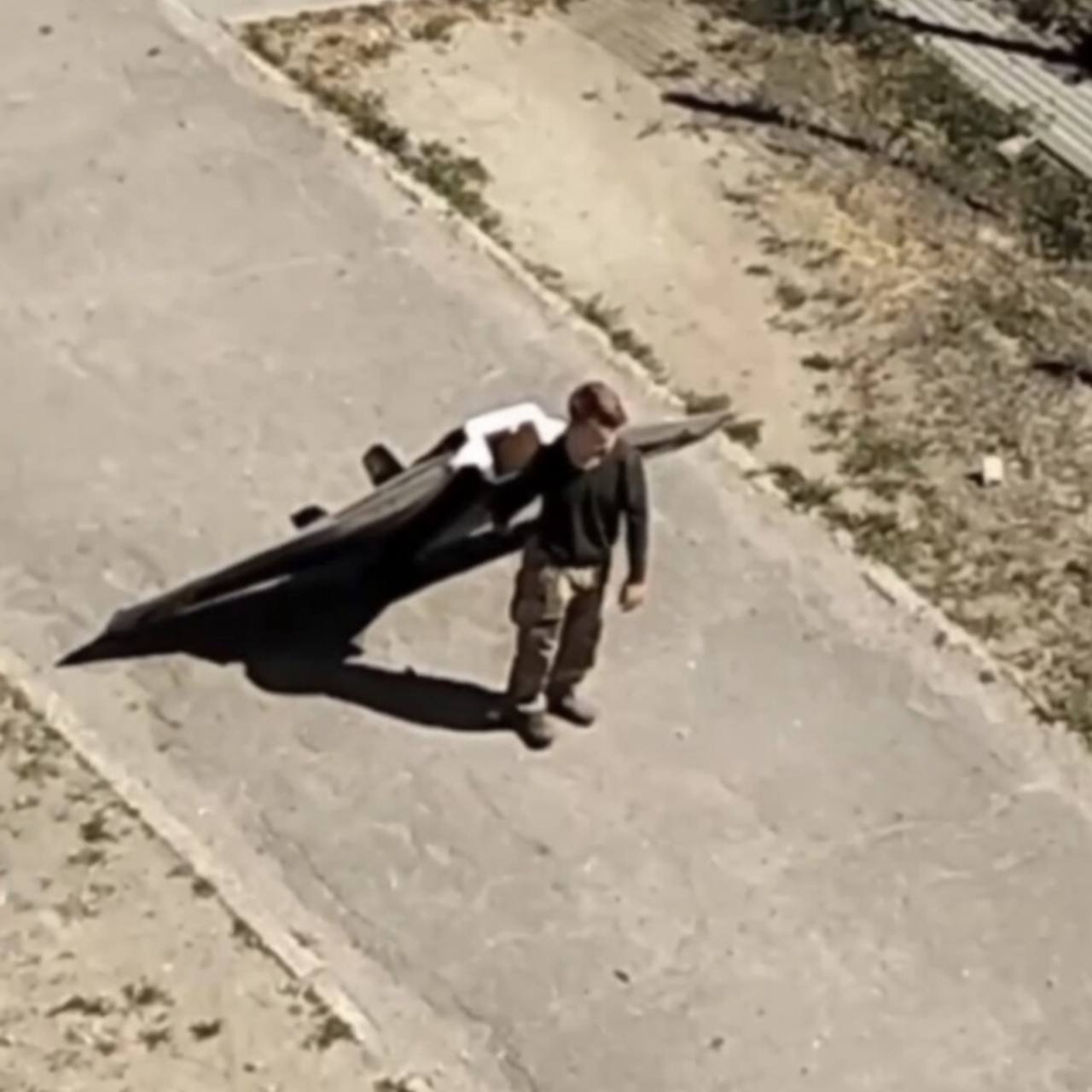
Here is a photo of a teenager carrying a drone without a warhead; he found it in our neighborhood. Earlier, at night, we heard the sounds of drones being shot down and explosions from the shooting down. Now we don’t hear such shooting anymore.
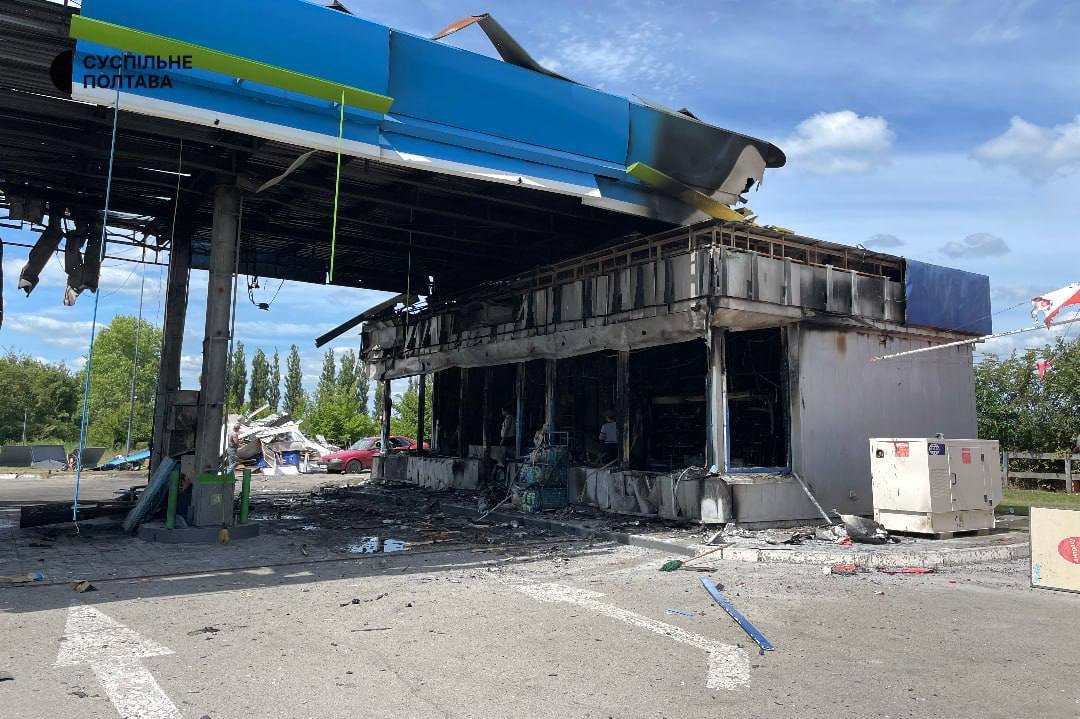
From the city of Sumy (which borders Russia) to Poltava and from Kharkiv to Poltava, all gas stations are broken. Gasoline is getting more expensive, but it is still available in the city. The outskirts of the city and the industrial zone are suffering the most.
A comparison to “big chocolate”
Craft Chocolate positions itself as not just tasting better, but also being better for your health, better for the farmers and better for the planet (see here, here and here for examples). Craft Chocolate is also about transparency – again, see here. This transparency focuses mainly on the supply side – the farmers, how they ferment, dry, etc. and how they are compensated. But transparency of how the craft chocolate is turned from beans into bars, and how it’s sold and marketed is also important.
If there is one case to highlight, and bring some transparency on the way Big And “Craft chocolate” differs in sales, marketing, investments it’s worth exploring how Big Chocolate has responded to the 2022 Russian invasion.
We’ve written before about the extraordinary history of chocolate in Ukraine – how Ukraine’s chocolate history dates back to 1803 in Lviv, the emergence of international recognised brands like Branka (1882) and Hazet (early 20th Century) and in the 1990s, following the collapse of the Soviet Union, how ex-President Poroshenko rose to wealth and power partly thanks to his chocolate business (Roshen) (see here)
We’ve also been champions of how Craft Chocolate makers like Stranger, Meety and Sisters have emerged (and again, thanks to Mike and Becky for their pioneering work here too).
Just over a year ago, we highlighted their extraordinary efforts with the brazen hypocrisy of many of the “Big Chocolate” companies who’ve continued to operate in Russia, seemingly doubling down. And sadly, it looks to be worsening; here is an update:
- Mondelez (ie Cadburys etc.) : According to Mondelez own 2025 annual filing: Russia supplied 3.7% of group revenue and Russian profitability and assets remained “above historic levels”
- Mars: Mars’s published position claims to have suspended new investment, imports, exports and advertising and would donate Russian profits. However, in May 2026 Interfax reported that Mars LLC had begun a 26,000m² expansion of its Stupino factory, with three lines capable of producing almost 500 tonnes of chocolate bars and sweets daily from 2027.
- Ferrero (ie Ferrero Rocher, Kinder eggs, Nutella, etc.): Ferrero claims that “all non-essential activity and development plans in Russia are paused”. Russian filings nevertheless show 2025 revenue of RUB80.4bn, up 18.1%, and net profit of RUB13.7bn, up 10.5%. And Interfax sources show Ferrero Russia’s advertising spend rising to 2bn rubles in 2024 from 1.794bn in 2023
- Barry Callebaut: Callebault is still operating all three Russian factories, and continuing to run its Academy / Cooking school in Moscow. Its Russian subsidiary’s 2025 revenue increased 2.4% to RUB43.1bn, although profit fell sharply from RUB4.8bn to RUB704m (this decline in profits in line with overall financial difficulties)
On a more positive note: Lindt did pull back their operations in Russia after the second Russian invasion, and have not reentered. Hershey, off a smaller base, also withdrew from Russia and has not reentered. Nestle did suspend sales of KitKat, Nesquick and the vast majority of its previous Russian sales – and even though it is still selling basic and “essential” foods, it’s not advertising these nor pursuing new investments.
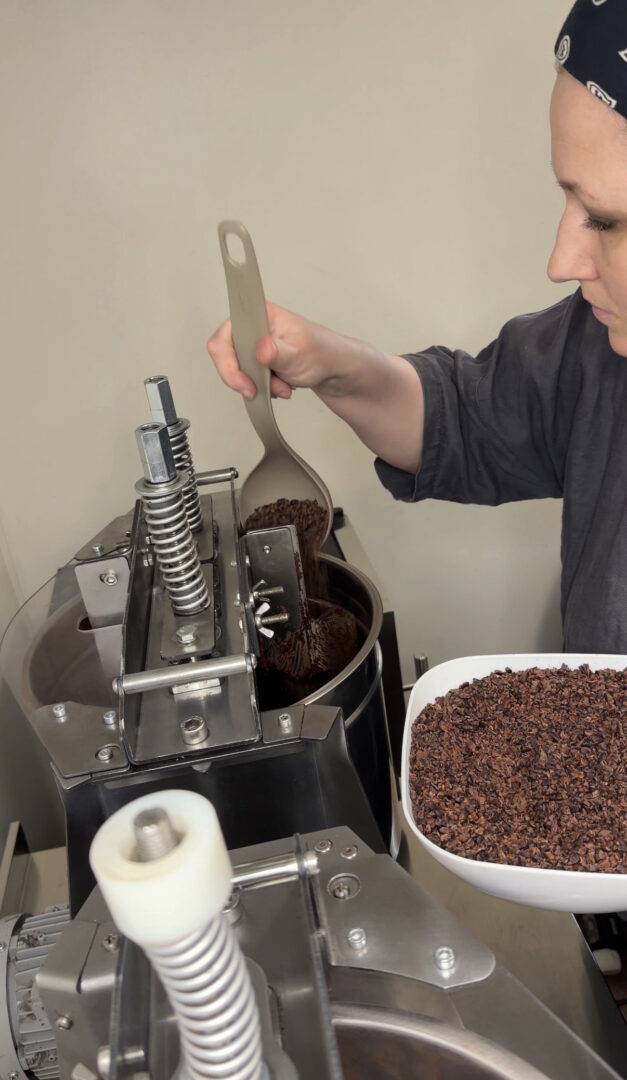
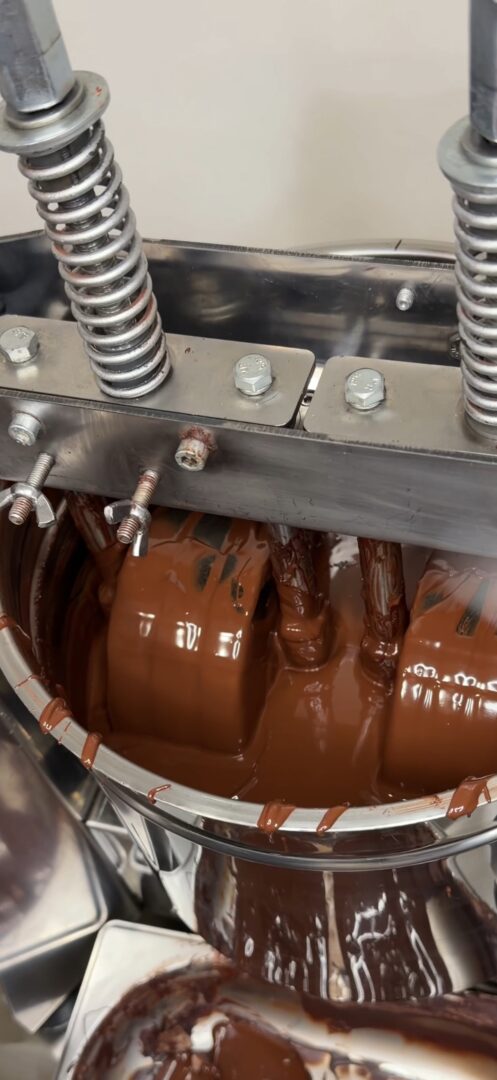
And here is an even more positive idea: If you want to help Stranger, please can you purchase more of their bars so that in turn, we can purchase more from them? And also please share their bars (along with Meety and Sisters when we can obtain stocks of these again) with your friends, colleagues and family. And as you savour and share these bars, please think about the challenges the team face in crafting these bars literally in the middle of a war zone.
Thank you for your support – and thank you from Stranger too.