Colombia: Cocoa, Cadmium and Coca
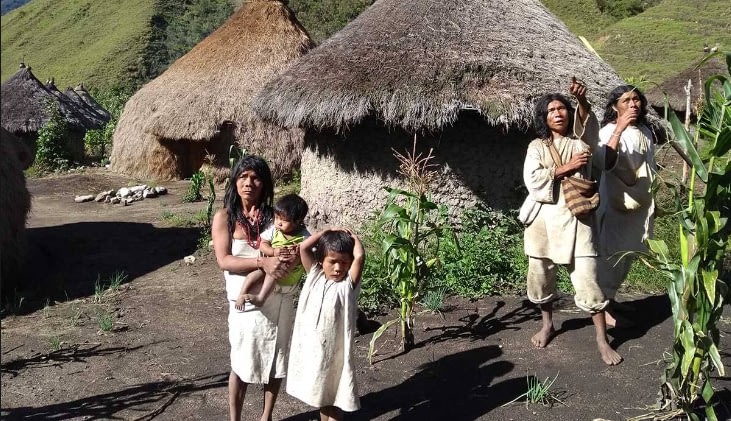
Colombia is well-known for a number of products starting with "C".
Print / PDFColombia is well-known for a number of products starting with "C".
Print / PDFColombian Chocolate
Colombia is well known for a number of products starting with “C”. Chocolate and Coffee on one side and then, less desirably, Cocaine and Cadmium on the other.
Read on to find out the story of cocoa in Colombia, from the tradition of drinking chocolate through to current concerns facing growers and consumers.
Colombia and (Hot) Cocoa: Origins
Colombians are rightly very proud of their cocoa, and have a long tradition of drinking chocolate.
Despite bordering the Amazonian rainforests of Ecuador and Peru where the cocoa tree first appeared, it wasn’t until the 17th and 18th centuries that Colombians acquired a chocolate habit. It was around this time that upper-class Colombians began to copy the Spanish court’s habit of drinking chocolate.
As industrialization hit the world of chocolate and prices became more affordable, drinking chocolate became a central part of Colombian miners’ and farmers’ mountain diets. In the latter half of the 19th century, drinking chocolate became a central part of late-afternoon snacking and socialization across all classes.
When drinking chocolate started to become customary, it kickstarted local cocoa farming and a domestic chocolate industry so that even today the vast majority of cocoa consumed in Colombia is still grown locally, and only relatively small amounts are exported.
Colombian drinking chocolate is traditionally prepared by breaking a chunk of cocoa from a block and heating it with milk or agua de panela (made from unrefined sugar). Once the drink is hot it is frothed with a molinillo and served with different kinds of typical foods and preparations like arepa con queso, tamal, pan de yuca (a large, flat cassava cheese bread) or with caldo and eggs to form a hearty breakfast.
And Cheese?
Another uniquely Colombian addition to hot chocolate is cheese. Quite how it entered the mix is unclear.
Possibly it came through the habit of eating almojábanas (a small, round cheese bread) along with the hot chocolate. But the addition of salty cheese created a fantastic “bliss point” drink that is sweet, salty and incredibly moreish. For those who want to try it, ask for a “chocolate santafereño”, named after one of the prior names of Colombia’s capital city Bogota (Santa Fe de Bogota)
Any which way, it’s definitely worth trying this instead of, or at least alongside, marshmallows in your drinking chocolate.
Cadmium: A Cause for Concern?
Cadmium is a heavy metal that is toxic for the human body. When consumed, it cannot be absorbed by the body, so over time it accumulates and can cause harm to many of your major organs. Because of this, cadmium is considered a carcinogen (i.e. it increases your risk of cancer).
New studies have recently shown that cocoa trees take up naturally-occurring cadmium from the soil – the more volcanic and acidic the soil, the more cadmium is present. That’s why Colombian farmers – with their volcanic soils and high acidity – have been worried by new regulations limiting the amount of cadmium that can be found in cocoa beans.
Though this has caused some concern in the chocolate world, there is little to be afraid of. We eat far larger doses of foodstuffs with higher counts of cadmium every day, including cereals, vegetables, and meat products.
Crucially, cocoa bean importers (such as Uncommon Cacao), have started running regular tests of their beans to ensure cadmium levels are well below what’s considered unsafe.
Disease Dangers
Across the world, over 30% of cocoa crops are lost to disease every year. A lot of effort has been spent researching disease-resistant varieties, or agricultural practices that can help keep cocoa diseases at bay.
But in Colombia, which has been ravaged by civil war and political turmoil, that research has been held back. However, with new peace treaties and hopes that the country can repair and rebuild, things are starting to look up.
Scientists can access new areas of the country to research local cacao strains, and the government is keen to help cocaine farmers find new ways to make a living. Cacao, which thrives in similar climates to its cousin, Coca, has been put forward as an ideal replacement crop.
You can read more about the situation in Colombia here.