asSALTed … Why It’s Worth Taking Salt A Pinch More Seriously
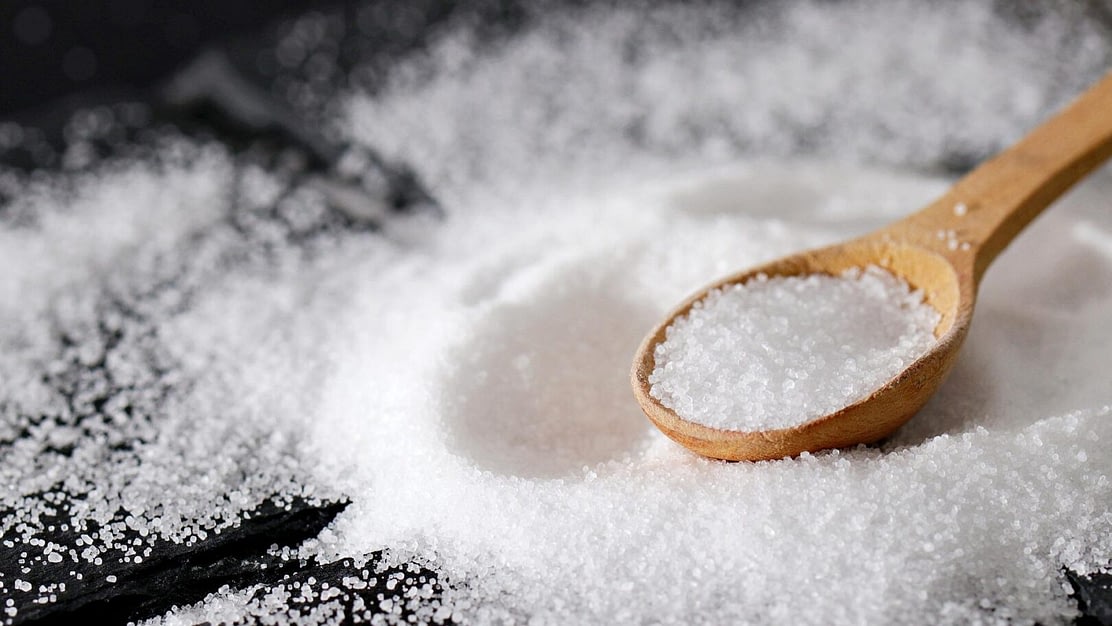
Salt is an intriguing addition to craft chocolate. Find out why.
Print / PDFSalt is an intriguing addition to craft chocolate. Find out why.
Print / PDFSummary
- A pinch of salt is great for craft chocolate, enhancing and bringing out its flavours.
- Excessive consumption of salt poses health risks. Many people today consume well beyond recommended limits, linked to cardiovascular issues and reduced life expectancy.
- Ultra-processed foods contribute significantly to salt intake, with hidden amounts in everyday items like bread and confectionery. Choosing craft chocolate and cooking at home can help mitigate excessive salt consumption.
Salt is an intriguing addition to craft chocolate
Salt is an intriguing addition to craft chocolate and a critical culinary tool, but it can also be a major problem.
Humans need a small amount of salt per day to survive, but ‘in excess’ is also incredibly harmful. Indeed, overdosing on salt was an approved form of suicide for aristocrats in ancient China. Today, this sort of overdosing is pretty rare. Nonetheless according to the World Health Organisation (WHO) and the published health guidelines of over 100 countries’ health departments, most of us are consuming “30-50% too much salt”. It’s been shown that over the long term, this “dramatically shortens our life expectancy” (source: WHO).
Read on to take some easy steps to avoid excess salt, and appreciate why a pinch of salt is still great for craft chocolate.
Why do we add salt to chocolate?
A great example of how a pinch of salt can pull out even more red berry and citric fruitiness from Madagascan chocolate. It bursts with these aromas and flavours.
Many dark, milk and even white chocolate bars will contain a (small) pinch of salt. This is smart for a bunch of reasons:
- Salt awakens our taste receptors for sweetness, so canny makers can make do with far less sugar than you’d expect. With salt, you need less sugar to make something taste sweet. Technically what happens is that a glucose sensor in our intestine known as ‘SGLT1’ is activated by salt, and this heightens our ability to detect sweetness in our tongue and gut.
- Salt also adds texture and crunch; many of us enjoy the ‘tang’ of salt (in small doses).
- The combination of sugar, salt, and fat creates what is now called the bliss point.
Once you start to reduce your consumption of ultra-processed food-like substances that are full of salt, your taste buds will rapidly adjust to appreciate, and indeed demand, less salt.
What’s the problem with excess salt?
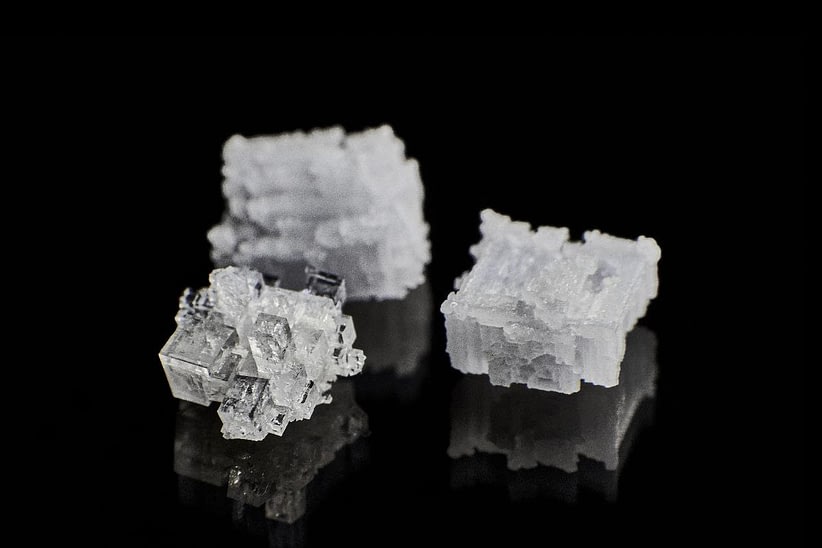
Humans definitely need salt. But we need remarkably little; less than 0.5g per day is enough for various remote tribes in South America and South-East Asia. Indeed the Yanomamo tribe in Brazil regularly run more than 20 kilometres per day on these levels of salts — and are far healthier!
By contrast, in the UK the average citizen consumes over 10 grams of salt per day, over 30% more than government guidelines. And we aren’t alone here. Of 189 countries surveyed by the World Health Organisation in 2015, 181 were above the WHO daily average recommended daily intake of 5 grams per day. In any case, exactly how much is “too much” is the subject of lengthy debates, but it’s generally recommended that adults shouldn’t consume more than 5 grams (WHO) or 6 grams (UK NHS) per day).
Numerous studies have shown that this excessive consumption of salt creates multiple health challenges. Not to panic you, but here are a couple of warnings:
N.B. “sodium” is the American term for what we call salt in the UK.
- “In most people, the kidneys have trouble keeping up with excess sodium [salt] in the blood. As sodium accumulates, the body holds onto water… This increases… The volume of blood in the bloodstream [which leads to]… more work for the heart and more pressure on blood vessels. Over time, the extra work and pressure can stiffen blood vessels, leading to high blood pressure, heart attack, and stroke. It can also lead to heart failure. There is some evidence that too much salt can damage the heart, aorta, and kidneys… and that it may be bad for bones, too” (Harvard School of Public Health).
- “Too much salt consumption kills more than a million people each year, with death rates the highest in low and middle-income countries… too much salt intake now accounts for one of every ten deaths from cardiovascular causes” (New England Journal of Medicine).
- “…regularly eating too much salt puts us at increased risk of developing high blood pressure. High blood pressure is the main cause of strokes and a major cause of heart attacks and heart failures, the most common causes of death and illness in the world” (WHO – Action on Salt).
Historically, a major issue with many studies on salt was the difficulty of measuring salt levels and obtaining consistent results. Unlike many other nutritional research fields where a couple of measurements a day will suffice, salt levels fluctuate MASSIVELY hour by hour; so the experiments and controls for studies on salt require far more measurements and are really difficult to do. And then salt’s deleterious impacts can take decades to appear; even longer than tobacco, and way longer than sugar. As a result, various early salt research using daily, not hourly, measurements created some contradictory and confusing results. Take a look at the so-called J Curve, which somehow suggests it’s okay, and maybe even good, to have salt at some low and then high levels, but not consume ‘average’ levels of salt).
Why are we consuming so much of it?
10 grams of salt is a LOT. To put this in context, you’d need to consume over 70 full bars of the Menakao Cocoa Nibs & Sea Salt in a day to get near to your recommended UK 6 grams per day. This would equate to over 100 bars for the 10g most of us are consuming!
The culprit of our excessive salt consumption is (again) ultra-processed food. To quote one recent Australian study, “Around 75 per cent of the salt in our diet comes from [ultra] processed foods, which means we may be unaware of the amount of salt we are having”.
As the Australian study notes, where the salt is in these ultra-processed foods isn’t always obvious. For example, many ultra-processed loaves of bread contain more salt than a bag of crisps. As the UK’s Action on Salt warned in 2014 and 2018: “In the UK, bread is the single biggest contributor of salt to people’s diets, providing nearly a fifth of salt intake from ultra-processed foods”. So just by checking the amount of salt in your daily bread can make all the difference.
As salt is so good at “tickling our taste buds”, many ultra-processed confectionery bars and drinks contain an awful lot of salt. For example:
- Ultra-processed chocolate confectionery, including snacks such as a Crunchie Bar, contains over 0.72 grams of salt per bar.
- Instant hot chocolate drinks by the likes of Cadbury and Galaxy can contain over 1 gram of salt per serving; more than in a glass of seawater!
- A Pret chocolate croissant contains 4.7 grams of salt per croissant (and a plain croissant still has 0.9 grams).
Enjoy your craft chocolate
Savouring a craft chocolate bar doesn’t expose you to the risk of excessive salt. Most craft chocolate bars have way less salt in them than a commercial slice of bread, high street croissants, and most chocolate confectionery snacks.
If you cook at home (as opposed to reheating food-like substances), adding salt to flavour and season is also safe, especially when cooking with craft chocolate.
At the same time, checking out the amount of salt on any product’s ingredients is a useful ‘red light’ warning for processed foods. If there is more than 0.7g per 100g it likely means it’s an ultra-processed food-like substance. Back in the bad old days, many supermarkets mass-produced, “plain” dark chocolates did have salt added to them to obscure their lack of flavour. But since Action On Salt‘s “naming and shaming”, these activities have been curtailed (although these bars are still ultra-processed; nib rather than bean roasted, with other additives still included).
And one other bit of good news: Once you start to reduce your consumption of ultra-processed food-like substances that are full of salt, your taste buds will rapidly adjust to appreciate, and indeed demand, less salt. You’ll just need a pinch of salt (and/or sugar) to bring out the flavours of your ingredients and foods.
So please enjoy some craft chocolate bars that show off the science of sodium; take the others with a pinch of salt.