The Bliss Point in Craft Chocolate
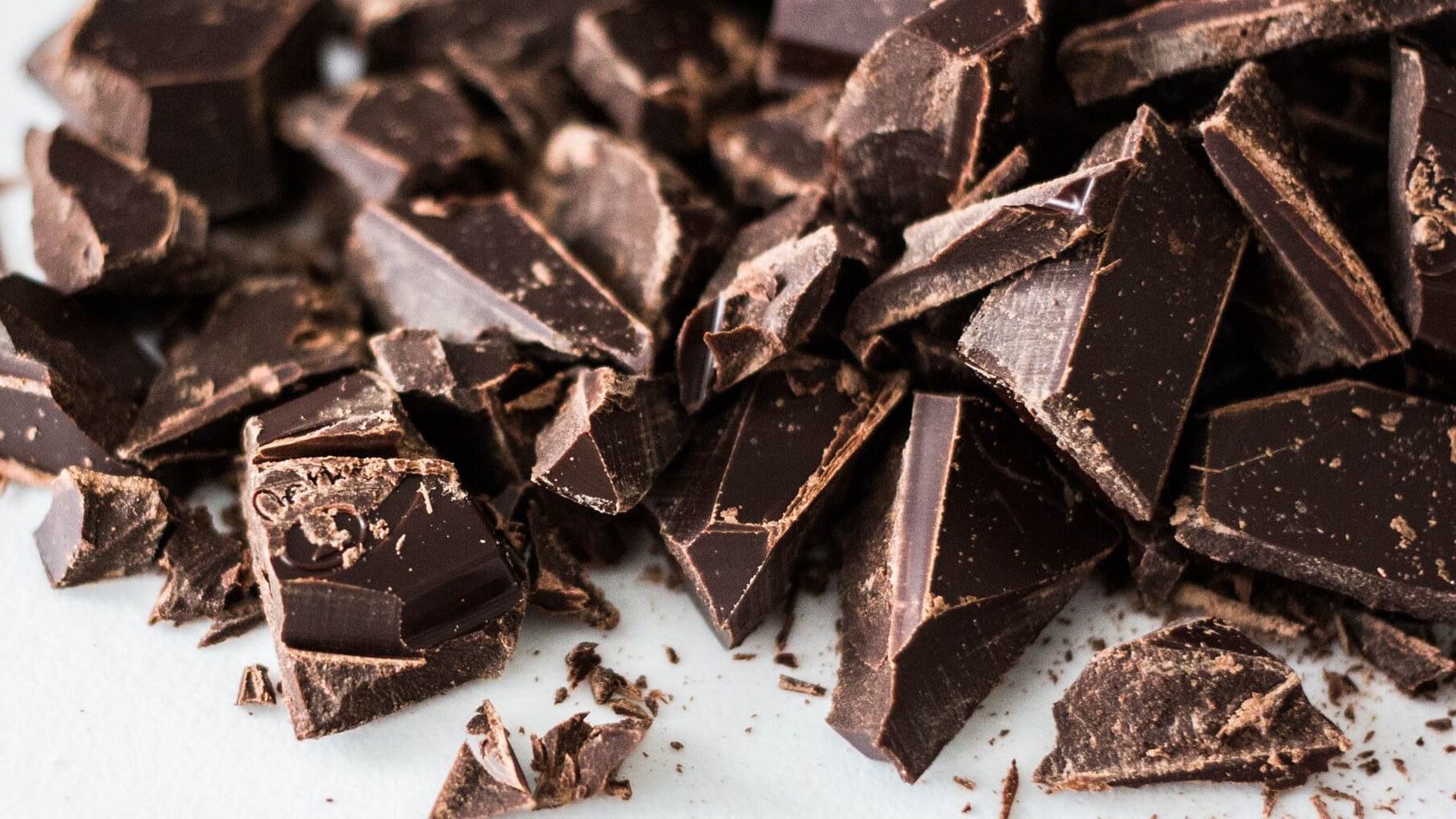
The science behind why we scoff goes back to the discovery of the Bliss Point.
Print / PDFThe science behind why we scoff goes back to the discovery of the Bliss Point.
Print / PDFSummary
- Harold Moskowitz figured that a combination of sugar, salt and fat would make people hit their bliss point, where the consumer doesn’t want to stop eating.
- Mass-produced chocolate is a prime bliss point food.
The science behind moreish food
What makes certain foods irresistible? Why do we crave junk foods? Why do we scoff?
The answers to these questions have to do with a neat bit of science called the Bliss Point.
In the 1950s, experimental psychologist Harold Moskowitz was working on ways to persuade American soldiers to eat more of their rations (their so-called MREs, or Meals Ready to Eat). In the process, Moskowitz invented the “Pringles Effect” (once you pop, you can’t stop) and his discovery helped launch the junk and ultra-processed food industry to meteoric success.
A trifecta of sugar, salt and fat
Moskowitz realised that a combination of sugar, salt and fats – plus some texture, and sometimes MSG – could be optimised to produce a state of satiety and hedonistic pleasure in consumers. In other words, the bliss point is the point where the consumer doesn’t want to stop eating because they are in such raptures of moreishness.
Moskowitz realised that a combination of sugar, salt and fats – plus some texture, and sometimes MSG – could be optimised to produce a state of satiety and hedonistic pleasure in consumers. The discovery of the bliss point revolutionised the food industry as a new, vast array of craveable foods were born – from chips to cereal to chocolate.
An era of unmitigated scoffing
The discovery of the bliss point revolutionised the food industry as a new, vast array of craveable foods were born – from chips to cereal to chocolate.
Across products and categories, they figured out how to override our brain’s natural stop signals. The bliss point was a boon for marketers and manufacturers alike, as they could now keep consumers hooked on their foods, constantly craving more and more.
The Pringles Effect: Once you pop, you can’t stop
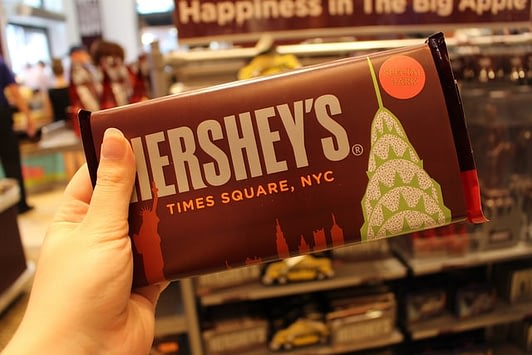
Although it was created almost a century before Moskowitz coined the phrase “the bliss point”, milk chocolate was up there as one of the world’s first bliss point foods. And mass-produced chocolate is one of the biggest (ab)users of the bliss point concept today.
By optimising the bliss point, mass-produced chocolate gives us chocolate designed for scoffing, not savouring. Commodity chocolate makers often take the wonderful flavour diversity of cocoa beans out of them and create bars that are high on sugars, salts and industrial fats. This has the advantages of not just making mass-produced chocolate more “consistent” (taste is far more controllable than flavour), but also cheaper (sugar is far, far cheaper than e.g., chocolate and more addictive).
Craft chocolate, on the other hand, harnesses the magic of fermentation to give you a plethora of flavour profiles crafted for savouring, not scoffing. For this reason, craft chocolate is better for you, better for the farmers and better for the planet.