Taiwan: Terroir to Taste
Taiwan, over the years, has become a force to reckon with in the food and drink world.
Print / PDFTaiwan, over the years, has become a force to reckon with in the food and drink world.
Print / PDFThe Beautiful Island of Taiwan
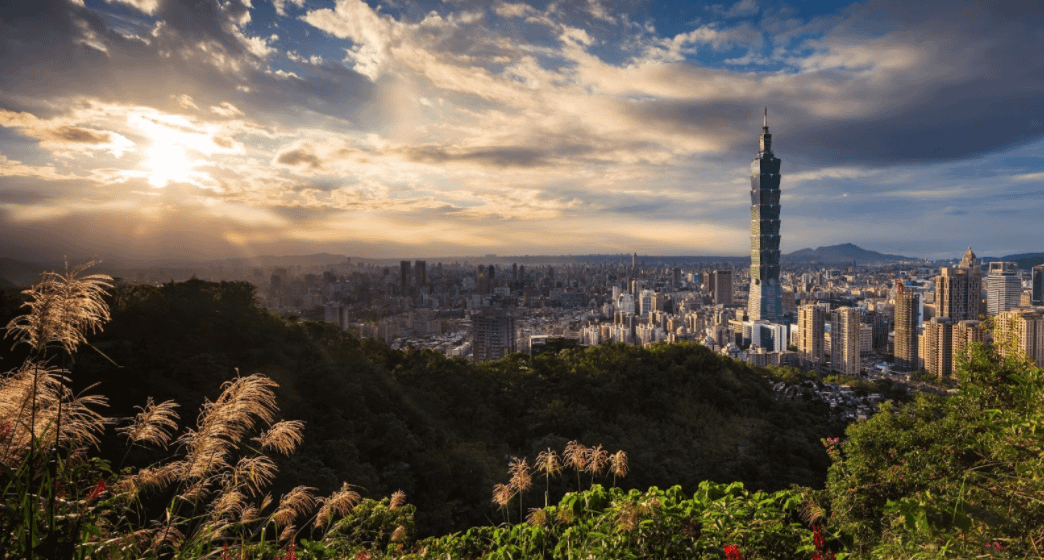
Taiwan was once termed by Portuguese traders in the sixteenth century as “Ilha Formosa” or “the beautiful island” and one thing is certain; it holds to its name. Gifted with both mountains and seas, the tropical island has much to offer to the eyes. Spanning from bustling cities such as its capital Taipei (a gourmet hotspot) to lush nature, Taiwan has become over the years a force to be reckoned with in the food and drink world. Though particularly famous for its tea bushes, today we want to shine a light on our favourite plant at Cocoa Runners: the cocoa tree.
Cocoa typically grows between 20° North and South of the equator, this is the cocoa belt, and Taiwan is just on the edge of it. Cocoa production is therefore neither traditional, nor as abundant as other Southeast Asian producers like Indonesia which is the third most important producer worldwide. Though limited, cocoa production in Taiwan is undoubtedly of high quality and provides a perfect example of what craft chocolate can be, not just for your taste buds but also for entire farming and making.
Stopping and Starting Cocoa in Taiwan
The history of cocoa in Taiwan, like the history of cocoa in the vast majority of other places where the plant is cultivated, starts with colonialism (read more about how chocolate spread around the world in another article). European colonisers notoriously used and exploited their colonies as agricultural bases, but it was Japan which did the same with Taiwan in the first half of the twentieth century; trying to introduce Indonesian varieties of the plant on Taiwanese soil. However, the plan was never successful and the history of cocoa in Taiwan only really took off as recently as the early 2000s.
The story of cocoa in Taiwan is one of reconversion. Grown for the vast majority in the Southern county of Pingtung (屏東), the area was once home to thriving farms of betel palms. Betel palms produce fruits known as the betel or arec nut which are highly carcinogenic. Towards the end of the last century, successful health initiatives put a brake on the consumption of betel nuts which left farmers with a big issue: what could they grow now?
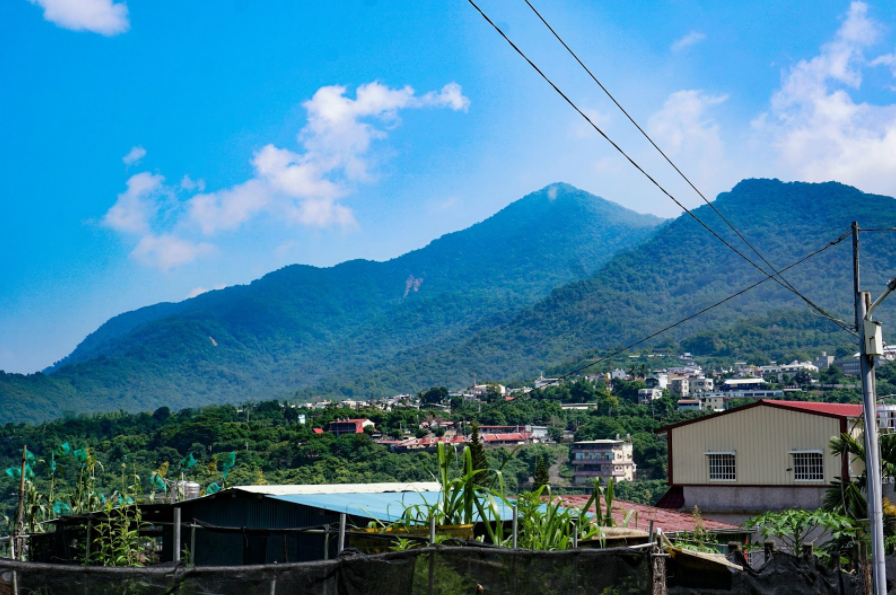
Rural Pingtung 屏東, Taiwan’s first chocolate producing area. Photo credits go to Lisanto 李奕良.
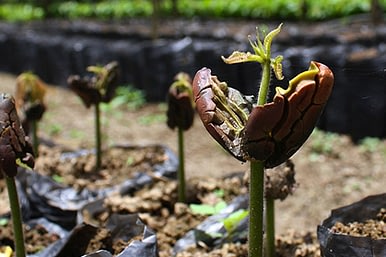
This is when cocoa (re)enters the stage in Taiwan. Farmer Chiu Ming Sung (邱銘松) transformed his betel palm plantation into a cocoa plantation, thus initiating both a revival of the local economy and opening a new and exciting path for other communities. While the conserved betel palms offered shading away from direct sunlight, the deep rooting cacao trees helped nutrient recycling in the soil. Thanks to this symbiotic relationship, the plant took well to the land and thus was born a new crop, with lots of potential.
A Difficult Transition, But a Bright Future
Taiwanese cocoa is nonetheless facing challenges. First of all, Taiwanese varieties are almost exculsively hybrids issued from Indonesian plants and these new plants fail to undergo systematic categorisation.
Secondly, due to a lack of traditional knowledge of the plant, high price of labour in comparison to other cocoa growing regions of the world, and suboptimal conditions for the plant, yield is limited. This causes Taiwanese cocoa to be far more expensive than most big buyers are willing to pay.
Lastly, many cocoa plants in Taiwan are relatively young and, since many have not reached full maturity yet, they are still to develop more complex and less acidic flavours. However, increasing interest in fine cacao and the many success stories coming from the island suggest that these challenges are not necessarily sources of worry, but opportunities for growth. Today, you can even go and visit ‘chocolate gardens’ in Southern Taiwan, which shows just how the crop went from being virtually non-existent to becoming an active player in the cultural game.
What’s more, the Taiwanese cocoa case is interesting because it further challenges the typical business model of most chocolate makers. Its limited yield and higher price may in fact be a blessing in disguise. High prices have caused large companies to shy away from buying Taiwanese cocoa beans and has allowed for local makers to develop the necessary know-how to work with these beans and transform them into high-end and often award winning craft bars. You can also read more about CEO of Fu Wan, Warren Hsu, and his journey to chocolate, on our maker profile page.
Taiwan: From Tree to Bar
A reason why Taiwan stands as a model for craft chocolate (beyond its positive social, economic and ecological impact) is because many Taiwanese craft chocolate makers go beyond the concept of ‘bean to bar’ by setting an even higher standard, that of ‘tree to bar’. Indeed, a unique feature of Taiwanese chocolate is how chocolate is grown, processed, sold and consumed, all within the island; investing knowledge, creativity and humanity right from the start to the end of the value chain and thereby creating an entirely local product with a high sense of terroir. Most chocolate today is grown near the Equator but for the most part sold and consumed in faraway places. But Taiwan sets a model with proximity between farmers and makers at its heart.
Finally, Taiwanese chocolate makers have repeatedly proven themselves to be not just successful (repeatedly obtaining gold, silver and bronze prizes from the International Chocolate Awards (somewhat the Olympics of the chocolate world)) but they have also shown a lot of creative genius and imagination by celebrating Taiwanese delicacies, incorporating them within their bars. Should you find yourself browsing across a selection of Taiwanese chocolate bars, you may come across all kinds of tea, local flowers, traditional herbs used in Chinese medicine, and, as bold as it may seem, dried shrimps (櫻花蝦); much beloved in Taiwanese cuisine.