We Need Chocolate Teen Fiction!
Chocolate for breakfast.Chocolate for lunch.Chocolate for dinner.Chocolate for brunch. Although I’m not sure that this...
Print / PDFChocolate for breakfast.Chocolate for lunch.Chocolate for dinner.Chocolate for brunch. Although I’m not sure that this...
Print / PDFA Childhood Addiction
Chocolate for breakfast.
Chocolate for lunch.
Chocolate for dinner.
Chocolate for brunch.
Although I’m not sure that this is quite what doctors have in mind when they advocate a balanced diet, it is certainly a childhood dream. Chocolate at every meal, mountains of chocolate, rivers of the stuff. Chocolate bars, cakes, ice cream. Éclairs, hot chocolate, even chocolate frogs.
We all love chocolate. Brits eat on average 11kg of the stuff each year. But, let loose a child in a supermarket and the difference soon becomes apparent. Two factors, or indeed, tastes, are at play: sweet and bitter.
Children’s sugar cravings are biologically hardwired, an evolutionary attempt to get calories in when food is scarce. A good example of this is Charlie Bucket’s hunger in Roald Dahl’s classic:
“He desperately wanted something more filling and satisfying than cabbage and cabbage soup. The one thing he longed for more than anything else was . . . CHOCOLATE”
The sugar in chocolate fulfils a biological need (hence the capitals!) for children. What is overly sweet for adults is incredibly morish for kids. And that’s not the only difference.
There is also some evidence that children are a lot more sensitive to bitter foods. That 80% bar of craft chocolate you’re hiding behind the rice is (probably!) safe. Your kids are after ‘creamy chocolate’ instead.
Chocolate Thievery
The result of such chocolate cravings? Crime! And it’s unsurprising. Parents often place restrictions on chocolate consumption, making it an even more desirable substance. This is a prime example of what is known as psychological reactance. When backs are turned, fingers get thieving.
Chocolate pinching is paralleled in children’s literature, too. You just have to look at two of the classics, Michael Rosen’s ‘The Chocolate Cake’ and Dahl’s ‘Matilda’. The coveted item is, in both, the chocolate cake.
Rosen focuses on the delight of sneakily eating chocolate cake in the middle of the night and the primal pleasure of chocolate. Cue wide open eyes and lots of lip smacking.
In ‘Matilda’, Bruce Bogtrotter steals a slice of the formidable Miss Trunchbull’s chocolate cake. His punishment is to finish the whole cake in front of the school. In an incredible feat of gluttony and an impressive example of the expanding stomach, he manages and everyone cheers.
Here, chocolate theft is far from the innocent action in ‘The Chocolate Cake’. It’s a paradoxical symbol of rebellion and tyranny. Chocolate is about power, and Miss Trunchbull has lost.
Fantastic Chocolate!
But the multiple meanings of chocolate don’t stop there! Chocolate is also a fantasy-creator.
First stop has to be ‘Harry Potter’, the mainstay of children’s fantasy writing. Chocolate pops up pretty early on, with the wonderful chocolate frogs jumping all over the place on the train to Hogwarts. When Harry arrives, there is a feast with:
“Blocks of ice-cream in every flavour you could think of, apple pies, treacle tarts, chocolate éclairs and jam doughnuts, trifle, strawberries, jelly, rice pudding…”
After not having enough to eat at the Dursleys, this is a dream world. For Harry, for the other children, but also for the reader. It is partly thanks to chocolate that we are able to immerse ourselves completely in an unrealistic world.
Wonka’s factory is another fantasy world that we step into as soon as we open the first page. In the 1971 film version of Dahl’s book, the song, ‘Come with me and you’ll be in a world of pure imagination’ captures this nicely!
Teenage Chocolate Angst
So what happens when our tastes change? Adult ‘taste’ appears to have taken over by the time children stop growing, at around fifteen years. At this age, we start to like (perhaps also need) coffee and other bitter, savoury food and drink. Yet chocolate gets woefully left behind.
The education we received from poems and stories as young children in chocolate appreciation, the fantasy of chocolate, and the art of stealing a chocolate cake, stops cruelly and abruptly.
Of course chocolate reappears in adult fiction. But, as you would not give a grown-up book to a fifteen year old and expect them to understand all the difficult themes, so it’s unreasonable to expect instant appreciation of delicious, well-made and socially responsible chocolate.
A Social Need
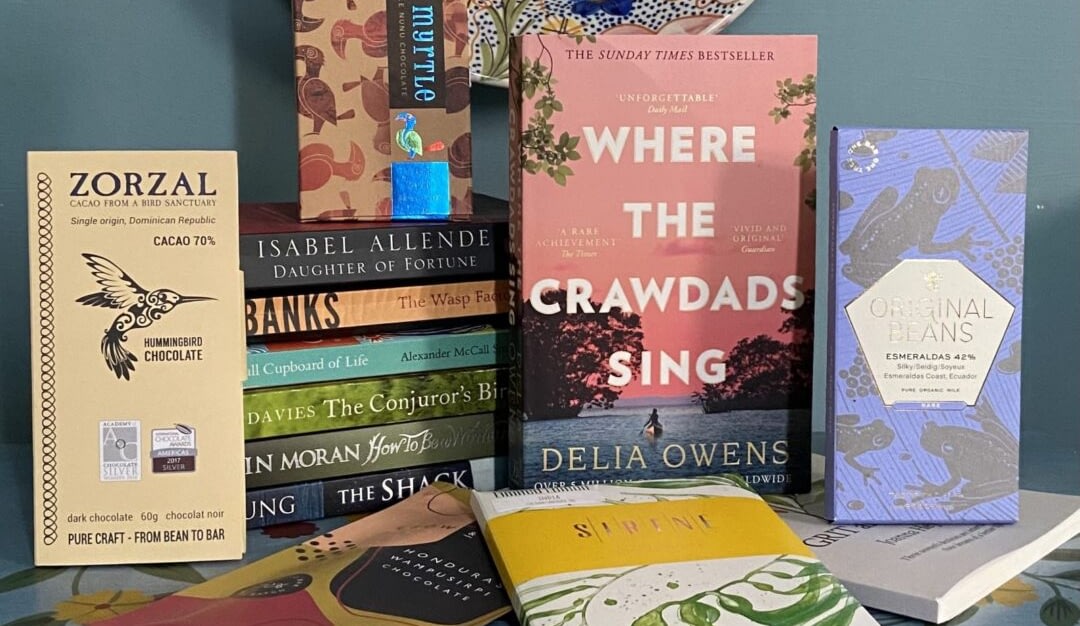
To cut to the chase, what we need is chocolate teen fiction. When we’re at that awkward stage between sugary milk chocolate in glossy wrappers and the rich, complex, dark stuff. Someone to reassure us that it is all alright; a literary guide, as it were.
Literature is escape, but it’s also education. Where are chocolate writers in our time of need?