How Salt and Sugar Can Enhance the Flavours of Craft Chocolate
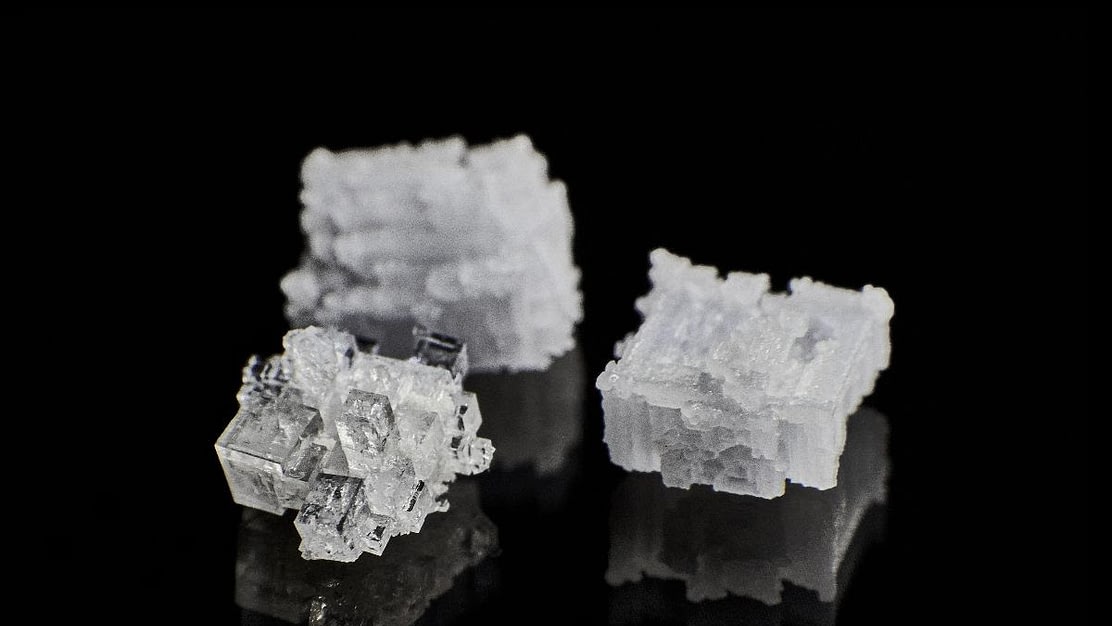
A pinch of salt can enhance our perception of sweetness, while sugar can ensure we're not overwhelmed by bitterness.
Print / PDFA pinch of salt can enhance our perception of sweetness, while sugar can ensure we're not overwhelmed by bitterness.
Print / PDFSummary
- A pinch of salt in craft chocolate reduces our perception of bitter tastes and accentuates sweet tastes, while also adding texture and crunch.
- Sugar counters the astringency and bitterness of chocolate, which might be overwhelming for us otherwise, and helps us appreciate the myriad of flavours in the cocoa bean.
- To date, we know we have five taste receptors (not just in mouth, but also stomachs, heart, lungs, skin) and over 300 olfactory receptors – our perception of food is influenced by the complex interaction between taste, smell, touch, temperature (not to mention our physiological and emotional states).
The trifecta of the bliss point
We know now that sugar, salt and fat make up the trifecta that helps us reach the bliss point. Which still begs the question: how much sugar and salt should we consume and why?
Paradoxically, a pinch of salt can enhance our perception of sweetness while sugar itself plays a big role in making chocolate palatable, ensuring we aren’t overwhelmed by cocoa’ astringency.
Our taste and olfactory receptors are constantly feeding us information about what (and what not) to eat. Savouring food is an important way in which you can stay alert to your body’s inputs. It’s an added bonus that you experience a whole new world of flavours in the process!
Why add (a pinch of) salt to craft chocolate?
Many dark, white and even milk chocolate bars will contain a small pinch of salt. Learning why tells us much about the magic of salt:
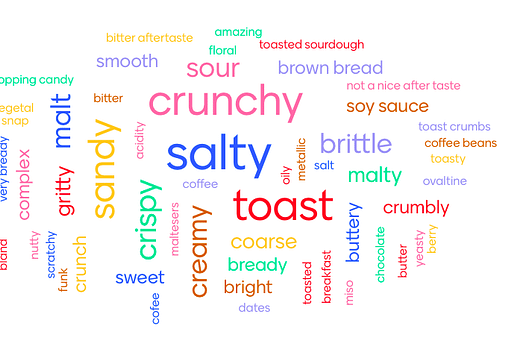
Salt is very dynamic and versatile – it interacts with our other tastes and influences our overall sense of flavour. For example, salt reduces our perception of bitter tastes and accentuates sweet tastes. Studies by the likes of Bartoshuk have demonstrated that low concentrations of salt can heighten our perception of sweetness in food.
Salt also adds texture and crunch; many of us enjoy the ‘tang’ of salt (in small doses). We’ve also used salt to preserve food for thousands of years now. As a very, very cheap substance, food manufacturers use it extensively as a preservative and stabiliser.
Our perception of food is influenced by the complex interactions between taste, olfaction, touch, temperature and much more, not to mention our emotional and physiological states.
Why add sugar to craft chocolate?
Sugar’s addictive properties have been completely hacked by mass food manufacturers, creating foods that are engineered for scoffing and overeating.
That said, a little sugar can be a great addition.
Sugar helps us appreciate the plethora of flavours in a craft chocolate bar.
Sugar counters the astringency and bitterness of chocolate, making it more palatable. We’d be in danger of overlooking the amazing variety of flavours that chocolate makers bring us simply because we’re so overwhelmed by the astringency.
With sugar, we should be careful not to throw out the baby with the bathwater, not to mention cultivating a healthy scepticism towards ‘alternative sugars’. Read our blog post here to learn more.
Much more than just ‘a gut feeling’
The discovery of a sweet taste receptor in the gut wall in the early 2000s has been a turning point in the research on flavour.
Since then, researchers have found receptors for sugars, fats, and bitter compounds all over the body – including the lungs, the central nervous system and skin, even your ears and heart. The research is still inconclusive on the presence of salt and sour taste receptors in the gut.
Indeed, science continually reveals new ways in which our guts act as our guardians, as these receptors provide critical information that helps us decide what to eat.
But here’s the larger insight: with five tastes (sweet, salty, sour, bitter and umami) and retronasal olfactory input from about 300 olfactory receptors, we are uniquely outfitted to detect a large variety of flavours. Our perception of food is influenced by the complex interactions between taste, olfaction, touch, temperature and much more, not to mention our emotional and physiological states.
Which is also to say that flavour plays a vital role in regulating the nutrient balances of our bodies as well as our satiation points.
In short: savour, don’t scoff! Savour for delight and savour for health.