Pairing Chocolate And Wine
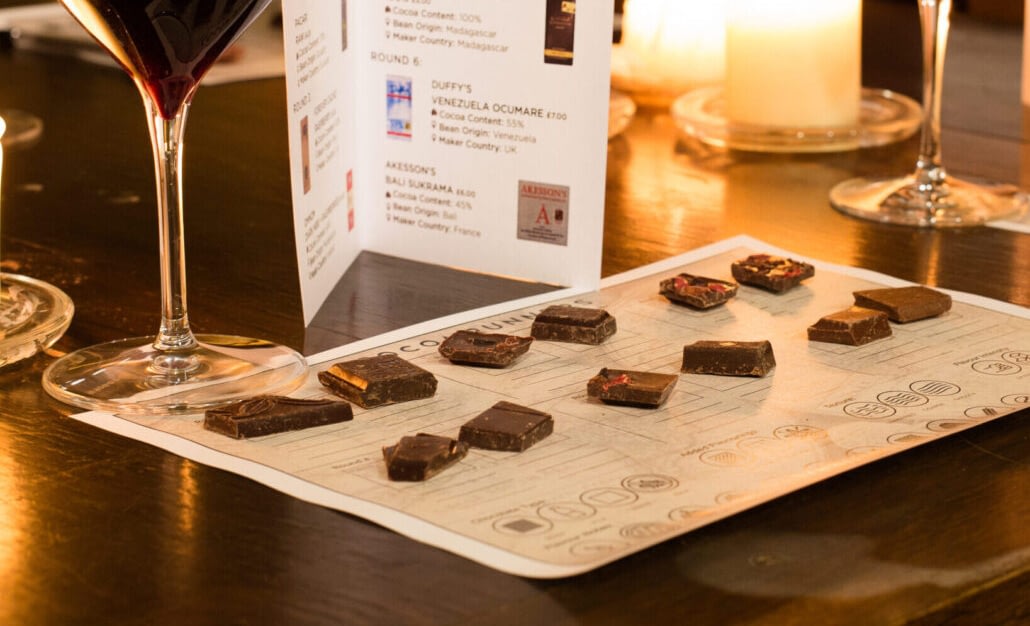
The Cocoa Runners handy guide to pairing chocolate and wine.
Print / PDFThe Cocoa Runners handy guide to pairing chocolate and wine.
Print / PDFSummary
- Craft chocolate pairs well with various drinks, including red wine, spirits, and beer, enhancing the appreciation of flavours and textures.
- It’s the tannins and astringency. The successful pairing of dark chocolate and red wine is because they both contain tannins and other flavour combinations which complement each other.
- In flavour partnering, it’s important to bring out similarities and avoid clashes.
Pairing Chocolate and Wine
There are many parallels between great chocolate and great wine. For both you need great ingredients – the finest grapes or the finest beans. For both, you need craftsmanship and time. The end result are tastes and sensations that inspire, enthuse and tantalize.
Craft chocolate is all about savouring the distinct flavours, textures and tastes that chocolate makers and cocoa growers can coax from their beans.
We believe this is best done in pairs. Try pairs of different craft chocolate bars together. Discuss and share impressions with friends and partners. Pairing craft chocolate with other products can reveal unexpected differences.
Craft Chocolate and Fine Wine are Labours of Love
It’s one thing to say that quality wine can only be produced from quality grapes and similarly for incredible chocolate you need incredible beans, but it is quite another to take the time and develop the skill to actually create such incredible chocolates and wines.
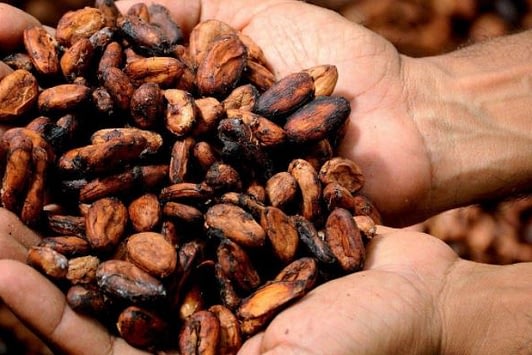
Once the cocoa beans have been harvested, farmers must then ferment and dry the beans, further developing the chocolate flavour. Unlike wine, chocolate is rarely made in the same country the beans are grown in. Once fermented and dried, the beans are sent to craft makers all over the world. These small batch chocolate makers then roast, winnow, grind and conch the beans before tempering and molding the chocolate into bars. With each step the maker draws out the bean’s flavour profile, subtly altering and enhancing it to craft unique and delicious chocolate bars.
With wine everything starts in the vineyard, you need great grapes to make great wine. And then each harvest, called a vintage, is unique and its fruit needs to be handled differently. The grapes need to be picked at just the right moment. As with cacao, the grapes too need to be fermented. And then, depending on the style – for example white, red, sparkling, fortified etc. – they can be pressed, macerated, aged in a barrel and blended before finally being put into a bottle. Throughout all these stages, art and science meld as the winemaker transforms this humble grape into unique and delicious wines.
When it comes to wine, most people are familiar with the concepts of vintage and terroir (the region the wine comes from). Most people would find it strange indeed to buy a bottle that didn’t specify, not just a country of origin (e.g. France), but also a region (such as Bordeaux or Cotes du Rhone).
In chocolate, this idea has yet to reach the mainstream. At Cocoa Runners we pride ourselves that all our craft chocolate bars are single origin – or a recognised blend of cacaos. One of the most remarkable examples of ‘terroir’ in chocolate is Marou. Samuel and Vincent, the French founders source all their cocoa beans, and make their bars in Vietnam. They have effectively divided the country into regions of ‘terroir’ each of which provides the beans for one of their dark bars.
Again with wine, most people will be able to tell you not simply whether they prefer red or white, but whether they favour Pinot Noir or Merlot. Cacao strains are far harder than grape varieties. The trees are naturally promiscuous, interbreeding very easily so that a single tree can have 6 or 7 different genetic strands with pods and beans of several different varieties. On the whole, we think there are many other factors that can influence a bar’s taste without delving into the complexities of cacao varietals and debates around ‘heirloom cacaos’.
Another familiar point of reference when buying one is vintage. Every year, the unique conditions around every harvest subtly alter the profile of the grapes, making the wines some harvests (indicated by the vintage) far better or worse than others. Chocolate vintages is a concept that is only starting to be explored by makers and growers. In most regions where cacao is grown, there are two harvests a year – one in the wet season, one in the dry season (in some countries, such as Hawaii, the number of harvests is even higher) – which adds another layer of complexity.
As chocolate makers continue to innovate and experiment in their quest for better bars, new beans and even more exciting flavours we look forward to seeing what they do next!
What Works in Pairing Craft Chocolate and Wine
Traditionally, dark chocolate has always been paired with the likes of vintage port. We know this definitely works.
But dark chocolate also works extremely well with many other red wines. And indeed, dark chocolate works well with many other spirits and drinks. Everything from beer to whisky to rum to sake, the latter works brilliantly with milk chocolate.
What doesn’t seem to work as well is dark (or milk) craft chocolate with white wines. Occasionally some pairings work — in particular at the “sweeter” and floral end of the spectrum. For example, dark milks can work brilliantly with the likes of PX Sherry. But as a general rule, it’s hard to match white wine grapes with craft chocolate.
One of the essentials of Flavour Partnering is bringing out similarities and avoiding clashes: this is why dark chocolate and red wine are such a perfect pairing.
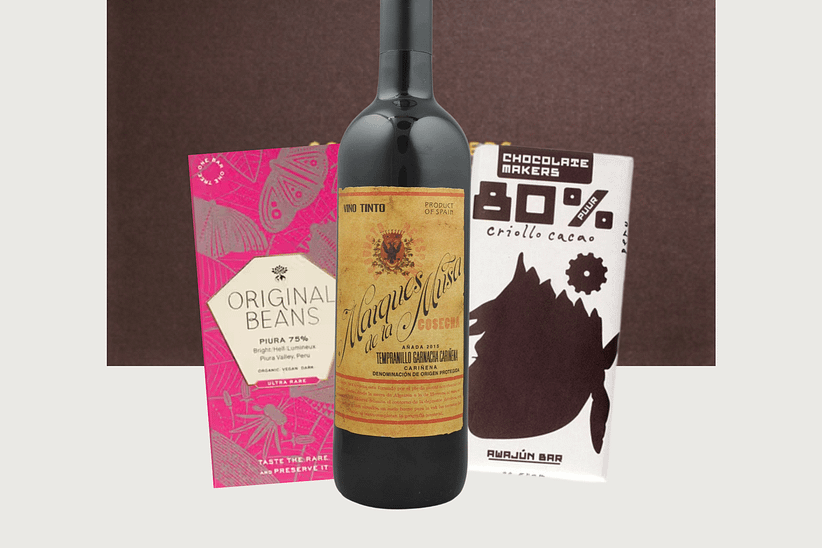
Why Dark Chocolate and Red Wine Pairings Work
#1: It’s the Tannins and Astringency
The first reason why red wine and dark chocolate work so well in combination is because they both contain tannins.
Tannins are chemicals that create a “puckering” and drying sensation in one’s mouth by binding the proteins in your saliva to make it less slippery. Technically this is called astringency. Red wine and chocolate both have naturally occurring tannins. For wine, they are in the grapes (or rather the seeds, stems and skins – hence why red wines have more tannins), and in cocoa, they are in the pre-fermented seeds and post-fermented beans.
Tannins are also imparted into wine by the wooden barrels they’re aged in. It may also be that wooden vat-based cocoa fermentation imparts tannins into cocoa beans.
A classic pairing that works by counteracting these tannins and their “drying” of our mouth is meat and red wine. The proteins from the meat reinvigorate the dryness and astringency in your mouth that results from drinking a tannic red wine. And it’s tempting to see the same mechanic at work with Mexican moles and dark chocolate.
The successful pairing of dark chocolate and red wine is more complex. Both cause your mouth to dry out. But combined together, they can work synergistically and help you to appreciate the flavours in both.
How Does the Dark Chocolate-Red Wine Pairing Work?
The reason for this seems to be a trick of the brain after it’s had something bitter and astringent. Once the brain has had some astringency and bitterness, it seems to act as a palate cleanser. It says to the olfactory centre (aka your sense of smell and flavour), “Okay, now we’ve sensed this, if you want to carry on trying it, we’ll allow you to start tasting the flavours instead”.
The best way to demonstrate this is a trick we were taught by Professor Barry Smith. We now try to incorporate it into all our Virtual Tastings. Take a piece of 100% cocoa and try it before and after you’ve chewed a (bitter and astringent) roasted coffee bean. For most of us, the difference is dramatic. Suddenly, after trying the coffee bean, we can detect the flavours in the 100% cocoa. This directly contrasts the primary sensations which were bitterness and astringency.
The power of these “tannin” pairings may also explain why more tannic wines (shiraz, amarone, bordeaux, etc.) pair more effectively with chocolate than red wines that have fewer tannins. Here, an example would include pinot noir.
But the reason white wine and chocolate are harder to pair is also more basic. It’s about one of the essentials of flavour partnering: bringing out similarities and avoiding clashes.
#2: It’s the Flavour Combinations
One of the most powerful reasons why a pairing works is that the different components “complement” one another, and that they don’t discordantly clash. So, in matching red wines and dark chocolate, one sound guideline is to look for underlying similarities in the flavours of the wines and chocolates.