The London Craft Chocolate Fair
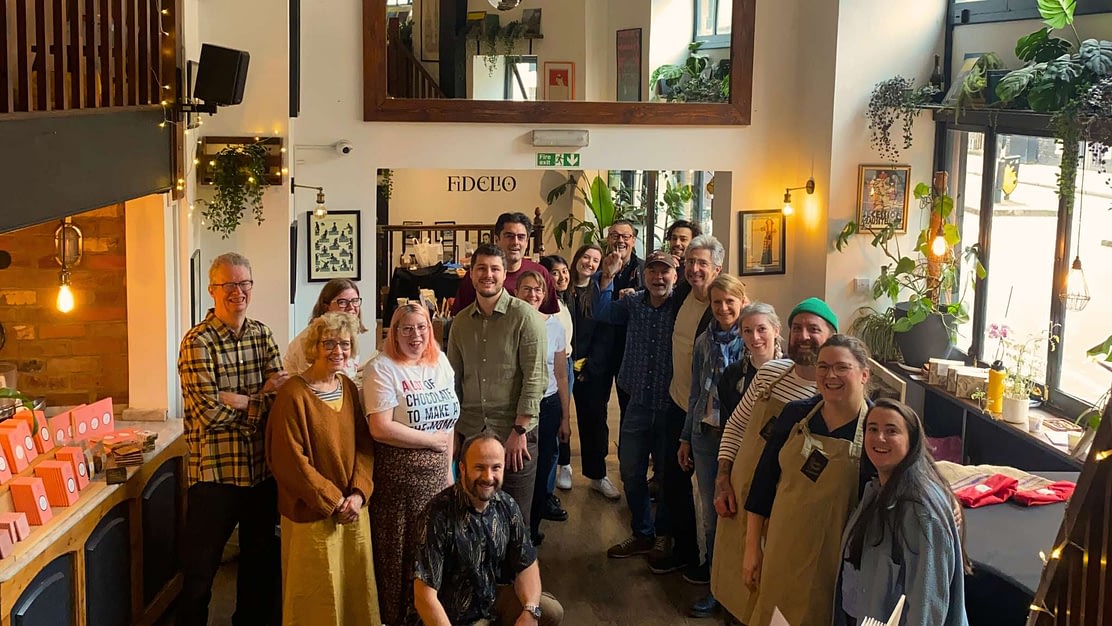
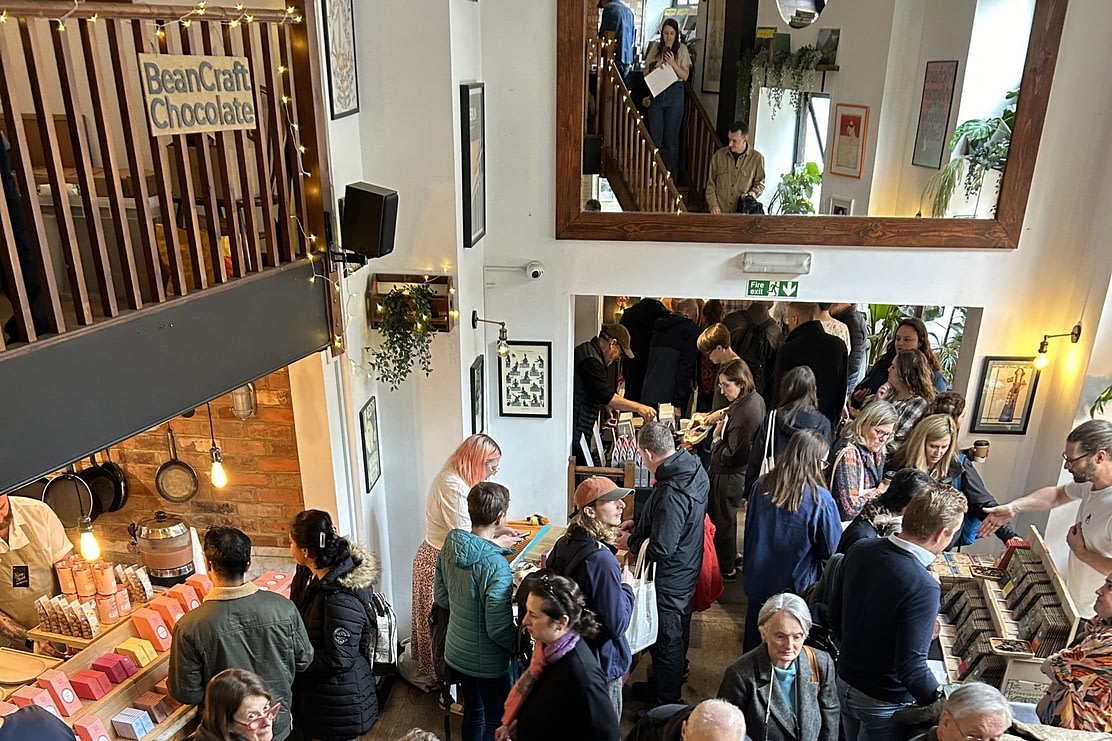
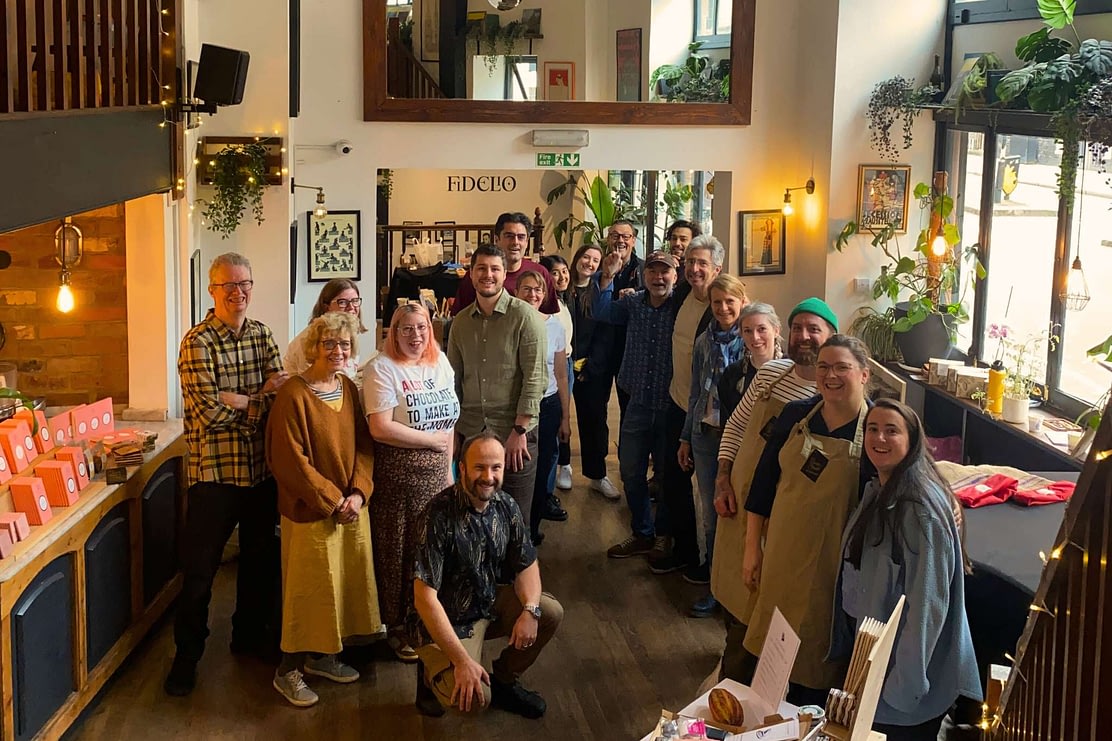
Thanks to all of you who came to the talks and tastings last weekend at Fidelio, Farringdon London. Thanks for your enthusiasm, support and patience (especially all those of you who had to queue to enter). Plus thanks to all the makers... and to the team at Fidelio!
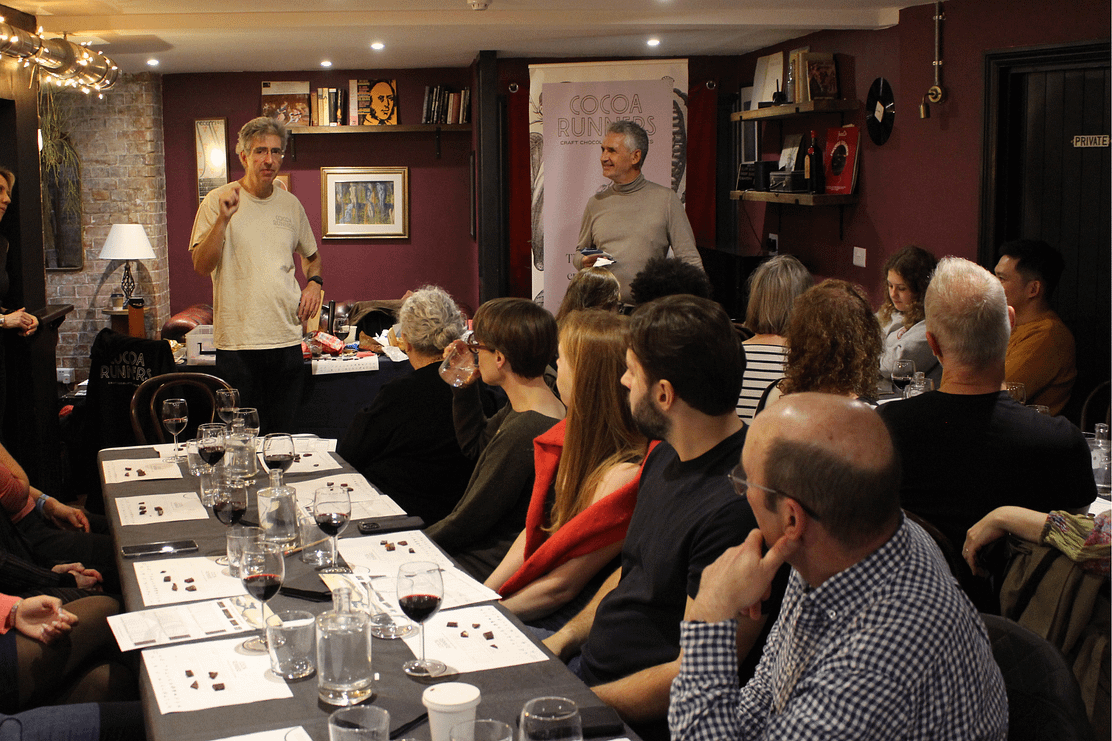
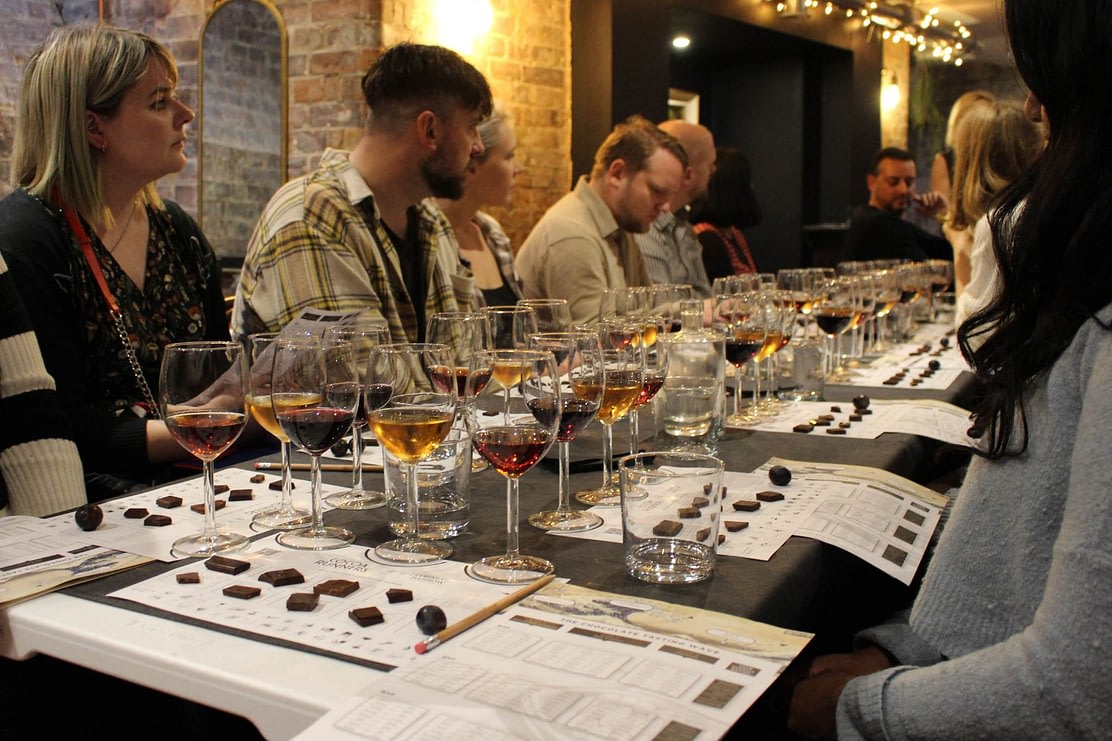
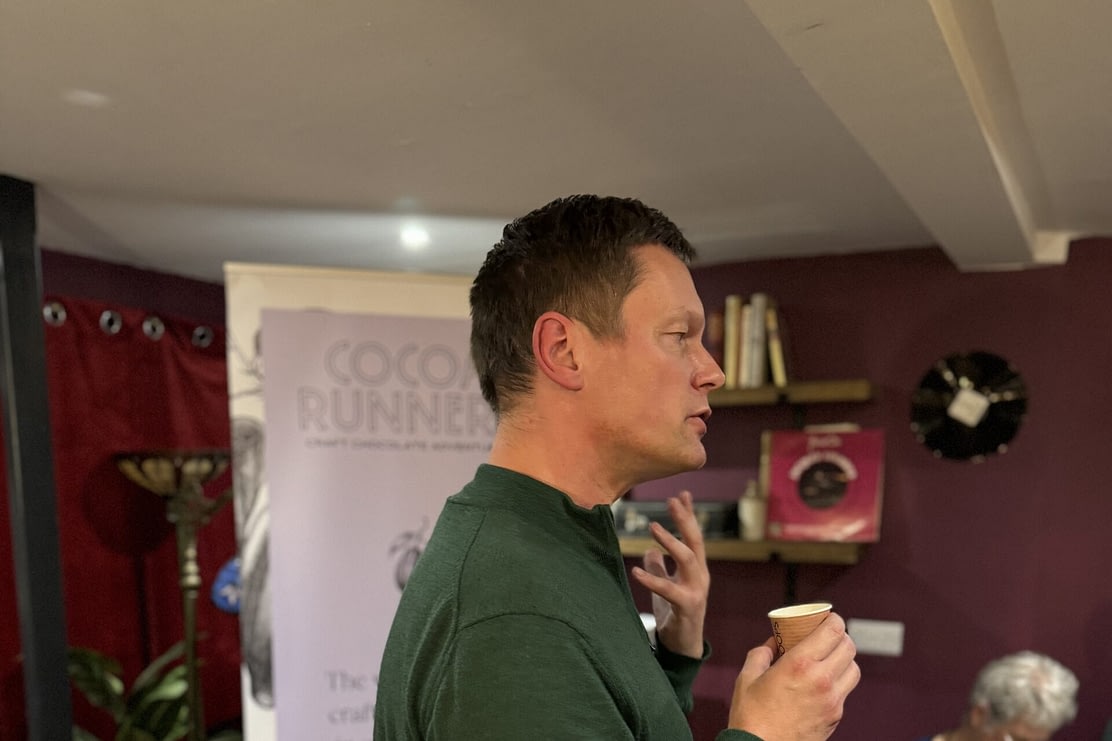
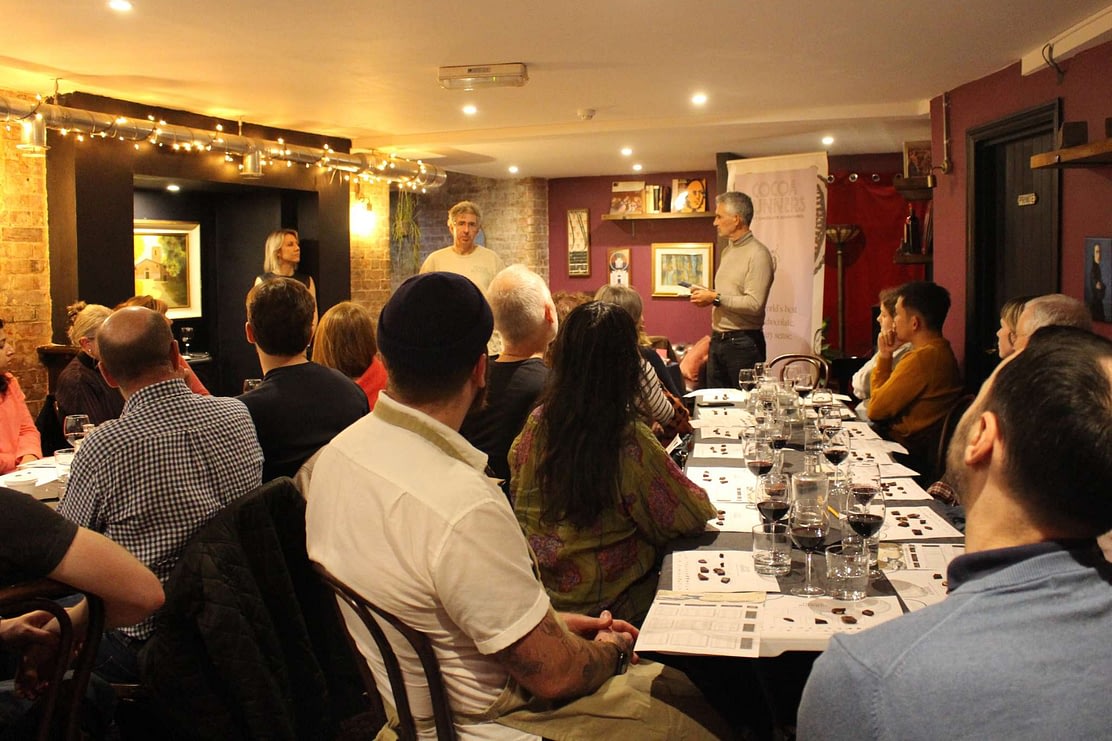
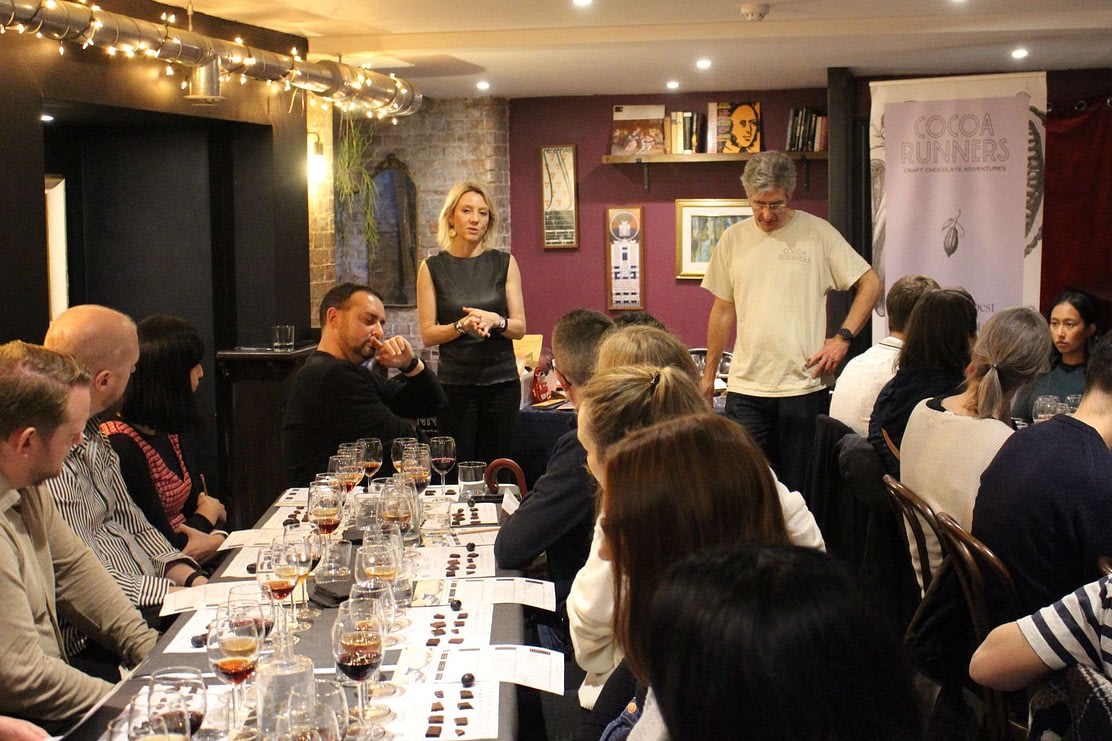
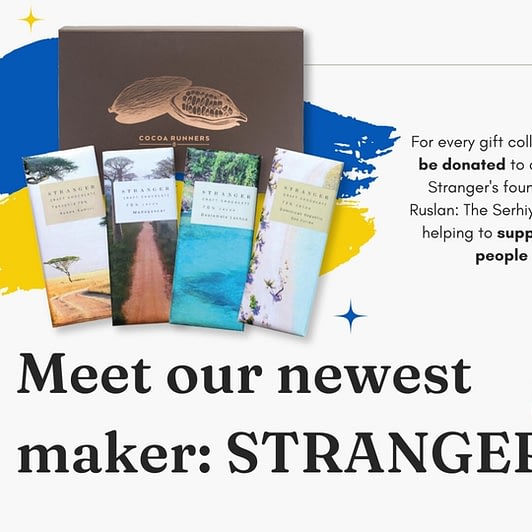
Print / PDFIn addition to an amazing chance to meet Craft Chocolate Makers (Duffy, Dormouse, Contour, Tosier, Pump Street, Chocolarder, Bean Craft, Friis Holm and Choco Del Sol), the Fair also had a bunch of talks and tastings. Please see the carousel for more images, plus a video of Pablo’s wonderful Titanium Glass Chalice.
And to refresh your memories, and whet your appetites for more, here are some of the highlights:
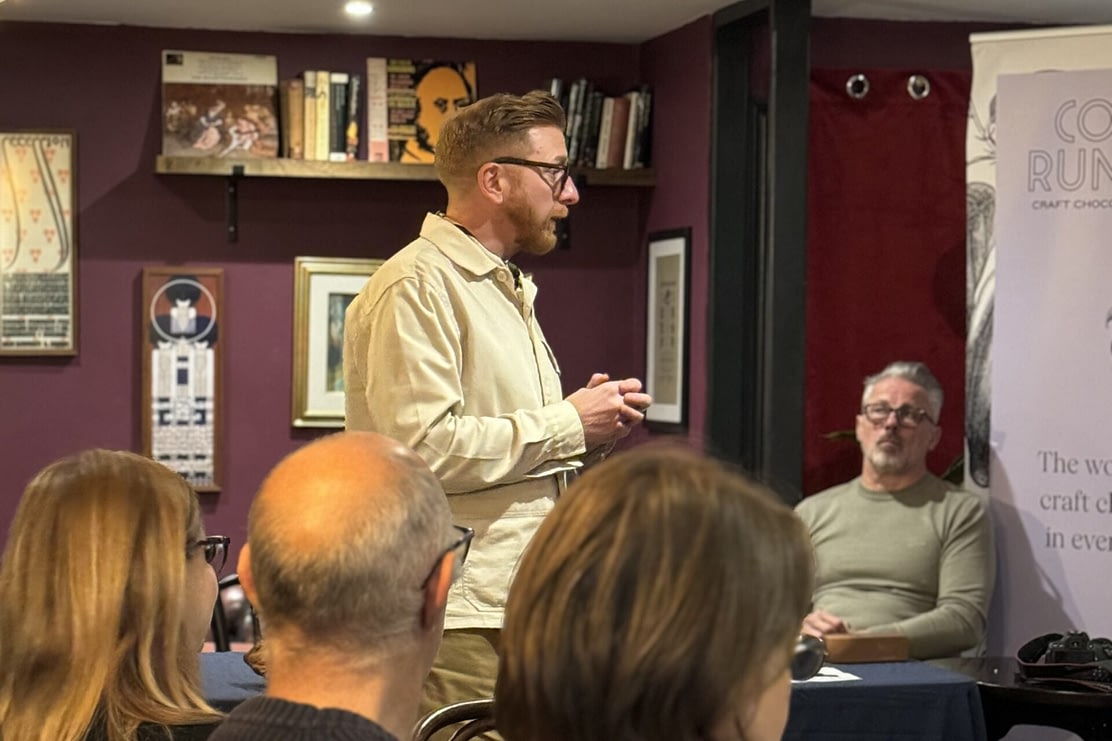
From Tim Spector:
- Savour your chocolate – learn to use your sense of flavour, as well as checking the ingredients list, where the beans are crafted and how they’ve been sourced, to avoid ultra processed supermarket bars
- Don’t over stress about cocoa percentages; as Tim showed with the first two chocolates craft that were 85% and 70% from Friss Holm, we can all enjoy the flavours in craft chocolate.
- And if you are going to worry about percentages, worry about the percentage of sugar in a bar .. if sugar is the primary ingredient, think again
- Be willing to experiment; add nuts, fruit, etc. so that you can gain even more fibre see Choco Del Sol’s Trail mix for a great example
- And watch this space for more on the potential resveratrol benefits from tannic red wine like the Le Faite Rouge (see here) from Corney and Barrow, and for the potential fibre benefits from Craft Chocolate
From Rebecca Palmer on pairing wines and chocolates:
- To pair wines and chocolates, you need to start with texture and mouthfeel;
- Robust red wines are relatively easy – especially with dark chocolate
- Ports too are relatively easy
- White wines are really hard .. but there is a potential solution if you can go for white wines which have had some “skin contact” and therefore have some tannins (ie orange wines, like the Naranjo from Maturana)
- .. and then, once these are in synch, you can then work on pairing flavours – for example
- Craft chocolate can learn a lot from wine in terms of what to look for with a “flavour wave”, how to take your time to savour, the vocabulary you can use, etc.
- … and in both craft chocolate and wine consumers need to focus on quality rather than marketing buzz words like raw chocolate and natural wine which are misleading (see here for more on “raw” chocolate – and as Sebastian Maturana noted, the term natural shouldn’t mean that you are running the risk of purchasing a bottle of wine that’s already turned to vinegar)
Jamie Isetts, Square Mile Coffee
- Pairing coffee and Chocolate too is a wonderful match – and we are excited to be launching a new subscription with Square Mile Coffee, featuring each month one of their coffees and two of our bars
- Decaf will be an occasional “special” guest, and Jamie showed how you their Decaf’s flavours shine, and that it pairs super well too with craft chocolate .. great option for dinner?
- Pairing craft chocolate with specialty coffee really does help you explore all sorts of different flavours. Some of this is thanks to the heat of coffee bringing out other volatiles that need a higher temperature than “just” your body heat. But it’s also because the “compare and contrast” just helps you find notes and nuances that otherwise aren’t as readily accessible
- Great coffee and great craft chocolate are all about BLIC – balance, length, intensity and complexity. You should go on a journey!
Paul Young on Milk chocolate
- Paul is an amazing speaker, and it’s great to see him championing how AMAZING Milk Craft Chocolate can be. As he illustrated, just as a great dark craft chocolate pair can take you on an incredible voyage of discovery, so can great craft milk chocolates
- There is a massive variety within craft milk chocolate .. different percentages, different inclusions, different beans and of course different MILKS!
- Going forward, Paul wants to see makers carry over their “transparency” of sourcing cocoa beans (where they go down to the individual bar and delight in sharing details about how they’ve roasted, conched, tempered, etc.) into the milks that they use. And (somewhat or ironically) Paul plans to spearhead this transparency with a maker outside of Craft Chocolate – Guittard (and hopefully this will encourage them to be less coy and more transparent about celebrating the farmers where they source their beans too!)
- Paul tests his love for a bar literally morning, noon and night for over two weeks .. if he’s still in love with the bar at the end of two weeks, he’ll then know it’s a keeper (and yes, sometimes the bar doesn’t last that long)
- Don’t forget to experiment! Remember to drizzle a little olive oil on a bit of (milk) craft chocolate on top of some cheddar.
Jens Knoops of Knoops hot chocolate
- They are just getting started – over 20 stores already, Dubai later in October and then watch this space!
- Knoops is all about delighting customers and they’ve found one of those amazing market gaps that we all dream about .. Jens is right that for almost a century everyone forgot that chocolate as well as being great to eat, also when made “properly” is also a fantastically flavoursome drink
- What makes a great drinking chocolate is different from what makes a great bar – not least because as a drinking chocolate “cools down” it dramatically changes flavours so you need a bar which tastes great immediately and as it cools
- Knoops is very much a social experience. Even though in many of their stores there are limited seats to enjoy “then and there” – customers come in together, discuss with one another what they are going to have and Knoops staff encourage experimentation and questions “beyond percentages”
- There are lots of other great drinks available – not just drinking chocolate but also cocoa tea (made from the shells of the roasted cocoa beans) and also cocoa fruit pulp
- Watch this space as Knoops expands in the UK and internationally! And Jens is flattered by, and looking forward to, other new entrants and competitors
Maxwell Colonna, Colonna Coffee (and much more!)
- Unlike Craft Chocolate where the finished product (the bar) can be delivered to the consumer, for specialty coffee it’s more complex – the roaster “just” supplies the beans, so grinders are also super important as is water (see below), temperature etc. And so do consider Maxwell’s capsules – see here
- Pay attention to your water! Maxwell has written a tonne on this, and it really does make a huge difference
- Be on the lookout for some interesting developments with instant coffee – it doesn’t all have to be £0.04 p per cup! Canada is producing some interesting new option
- If you are looking for “£ per gramme of caffeine”, Costa does surprisingly well .. reflecting their roast and bean sourcing (lots of robusta!)
- Pairing craft chocolate with specialty coffee really does help you explore all sorts of different flavours. Some of this is thanks to the heat of coffee bringing out other volatiles that need a higher temperature than “just” your body heat. But it’s also because the “compare and contrast” just helps you find notes and nuances that otherwise aren’t as readily accessible
- Great coffee and great craft chocolate are all about BLIC – balance, length, intensity and complexity. You should go on a journey, and be prepared for lots of adventures – a philosophy that Maxwell epitomises via everything from his powerlifting to his sprinting and from his experiments in coffee, water, grinding, roasting, freezing and more)
Pablo Spaul, Forever Cacao on Ceremonial Cacao
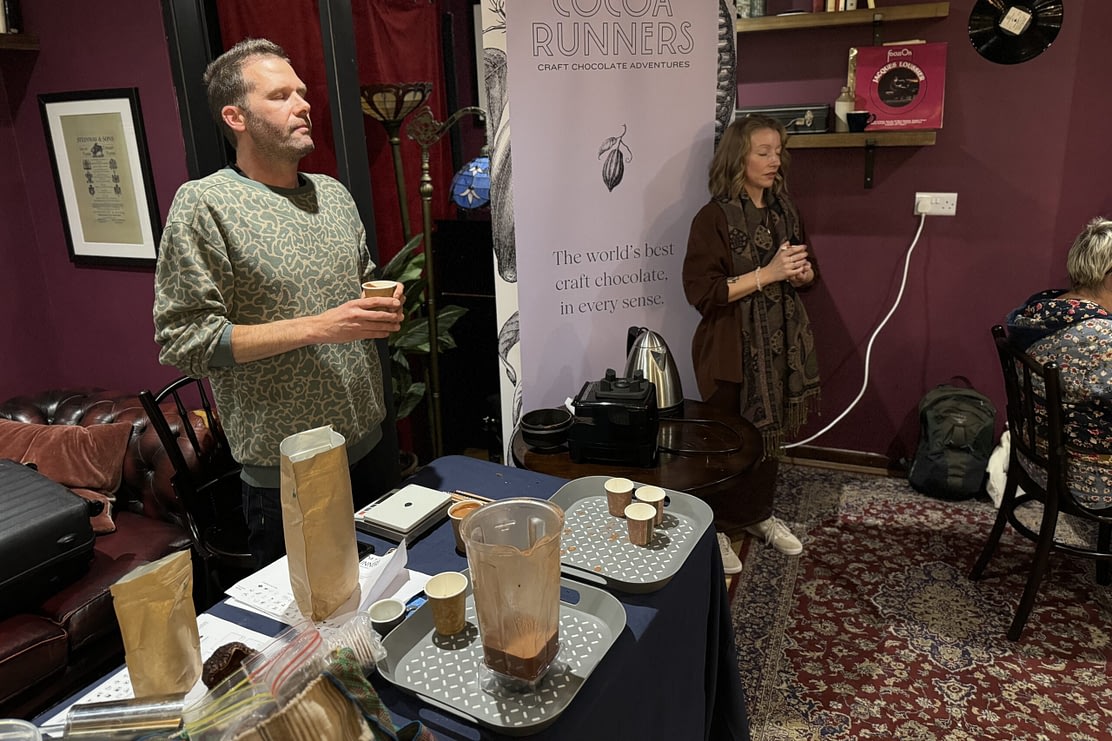
- Pablo’s magic transported everyone to a place of deep gratitude and reflection, despite the business and bustle of the fiar, and reached a crescendo of calm with his Rainbow Titanium Double Chalice as it resonated with the notes of E (Solar Plexus Chakra) and G (Throat Chakra) 432 Hz simultaneously.
- Other advice and insights:
- Take your time, relax and slow down. Focus on your breathing, and then savour the drinking chocolate
- Be grateful and mindful – give thanks to all the forces and people who made it possible to enjoy the chocolate you are about to savour; the earth, farmers, wind, cross pollinating bugs, makers, etc.
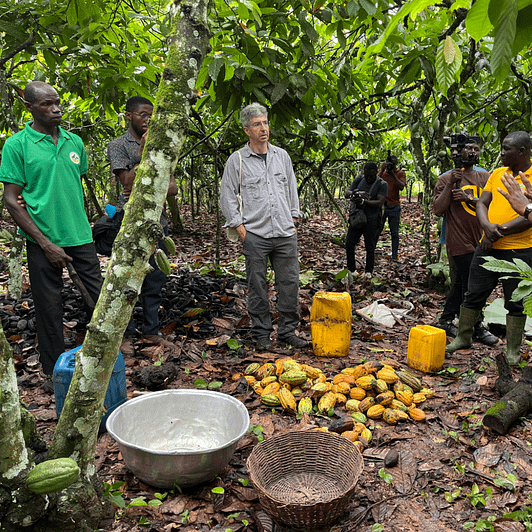
- And following on from this, try to purchase ceremonial cacao when you know whos crafted it and where the beans really come from – down to the farm and farmers (Pablo works with the Ashaninka peoples of Peru, and sources directly from “Cacao gardens in the Rio Ene region of Peru”. Sadly there are all too many “ceremonial cacaos” that don’t have this heritage and are “just” cocoa liquor sourced primarily for its cheapness and availability
It’s fine to add a little sugar if you prefer that! - For more, please see here and here.
From our Origins and Introduction Tastings
A huge thanks to Mikkel Friis Holm, Mike Longman (Chocolarder) and Patrick from Choco Del Sol – it’s hard to summarise all their passion, but here is an attempt!
- Try to compare and contrast as you savour craft chocolate .. have a few bars on the go, and then also share with friends, family, etc
- Flavour (ie detecting aromas in our mouth’s is (almost) unique to humans – and you need to take your time to savour. Tastes (sweet, sour, salty, bitter, umami) “hit” us very fast – way under a tenth of a second. By contrast flavour takes much more time .. you need to let the chocolate melt for at least 5-10 seconds and then the journey starts (see here)
- Taste is also “instinctual”; it’s like listening to a piece of music .. you either like it or you don’t (and just as you can learn to like a piece of music over time, the same is true of e.g., bitterness). By contrast, flavour is more like learning to play a musical instrument or riding a bike .. it takes time and it helps to have some advice and instructions
- You really do have a second stomach for craft chocolate and pudding in general .. but try to restrict yourself to savouring a few squares of craft chocolate rather than that massive slice of (chocolate) cake (see HERE)
- Craft chocolate really is worth it – it tastes better, is better for you, and better for the farmers and the planet ((yes, one chocolate bar needs over 1,500 litres of water ..versus less than half this for 50g of almonds, etc., see here)
- … and Learn to read the label! Check the ingredients, where the beans are from (down to the farm) and where /how the bar has been crafted. Plus use your sense of flavour – and BLIC (balance, length intensity and complexity) plus the flavour wave so your tastes buds aren’t (ab)used by Big Food’s use of sugar, salt, fat and lots of textural “stuff” see here
If you’ve further comments, suggestions, ideas etc. please help us by filling in this short survey