Debunking “Raw” Chocolate
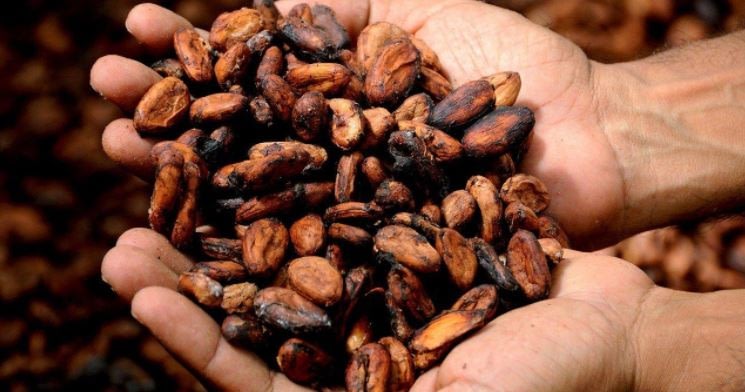
Raw chocolate is misleading at best and dangerous at worst.
Print / PDFRaw chocolate is misleading at best and dangerous at worst.
Print / PDFSummary
- ‘Raw’ chocolate is complete nonsense, but extremely effective marketing and while it has persuaded people to switch from mass-produced confectionery, it is misleading at best and dangerous at worst.
- It’s complete nonsense because ‘raw’ food is typically defined as food that is not heated to above 42 degrees celcius and is still capable of germinating.
- Given this definition, it cannot apply to ‘raw’ chocolate as fermenting, roasting and other processes all involve temperatures above 42 degrees celsius, and the fermented cocoa beans certainly aren’t capable of germinating afterwards.
- There are no proven ‘benefits’ from not roasting (or heating) chocolate…indeed it can be safer.
"Raw" sells, but should you buy it?
Raw chocolate is complete nonsense. It is a term that is, at best, misleading and at worst, potentially dangerous.
‘Raw’ clearly sells – you can’t walk into trendy health food stores and gyms without being accosted by chocolate bars and energy balls claiming to be made out of ‘raw cocoa’ or ‘raw chocolate’. It is a brilliant piece of marketing which enthuses consumers, who are lapping it up as a justification for their purchases.
While it has persuaded people to switch from mass-produced confectionery, there are all sorts of problems with ‘raw chocolate’. For starters, the use of the term ‘raw’ is misleading and often poorly defined. Second, it implies all sorts of health benefits that simply aren’t there.
So what is the ‘raw’ in ‘raw chocolate’ all about? Why has it been so spectacularly successful?
What’s ‘raw’ about ‘raw’ food
Raw food is complicated. Some foods are great eaten raw (carrots) while others should ideally not be consumed raw (chicken). Some are great whether raw or cooked (salmon), while some are better cooked (tomatoes).
Here are some attributes that are commonly cited, and associated, with advocates of raw food, which also explain why raw food MAY have some benefit:
https://www.therawchef.com/raw-food/: “A raw food diet in its purest form is about preparing foods without heating them above 42 degrees C (115 degrees F). The idea is to maintain the nutritional quality of the vitamins, minerals, proteins and enzymes in their most natural and healthy form”.
According to the United States Department of Agriculture (USDA), raw food is defined as “food in its natural state, without cooking or other processing, including fresh, uncooked fruits and vegetables, raw nuts, raw seeds, raw sprouted grains, raw eggs, and raw seafood”. Which means that raw food is understood as capable of ‘sprouting’ or ‘germinating’.
It’s hard to understand what ‘raw chocolate’ really means
Given these characteristics, it’s hard to make a case that chocolate can ever be “raw”. Here’s why:
- How cocoa seeds become cocoa beans: To turn cocoa seeds into a chocolate bar (or even cocoa nib), there are LOTS of processes that involve cocoa seeds and beans being heated about 42 degrees. This begins with fermentation (often goes above 50 degrees, and very hard to do under 45), then drying the fermented beans (again, goes above 45).
- The differences between roasted – unroasted – ‘raw’: The fermented, dried beans are then roasted (again, above 50 degrees). Many makers try to pass off ‘unroasted’ as ‘raw’, but given that all these processes involve temperatures at or above 45 degrees, this cannot technically be called ‘raw’. Craft chocolate makers like Raaka, Forever Cacao, and Aztec Gold, for instance, are careful to talk about ‘unroasted’, not ‘raw’ chocolate. We know that Nate, Pablo and Emma from these craft makers are extraordinarily careful about checking their beans for any pathogens and pests, some of them use plant based pesticides, and they all are continually inspecting their beans and bars. They are really, really aware that roasting not only imparts flavour to the beans but that it also can plays a crucial role in killing off diseases, bacteria and other “nasties” that can be in cocoa beans. Likewise, many makers may not do a full roast, but still “flash roast” the beans (i.e., roasting for 1-2 minutes at super high heat, like pasteurisation, to kill off any pathogens). Some makers, for example Conexion, Georgia Ramon, and Diogo Vaz use the term “virgin” roast here.
- Once fermented, they cannot germinate: Once cocoa seeds are fermented into beans, they cannot sprout, i.e., you can’t plant and grow these beans, which automatically disqualifies them for the ‘raw’ moniker.
The ‘raw chocolate’ fad came on the wings of Paleo diets and a larger move away from ‘processed foods’. That’s when Santiago Peralta saw an opportunity in chocolate and launched his ‘raw’ chocolate bar in 2009.
The 'raw chocolate' fad
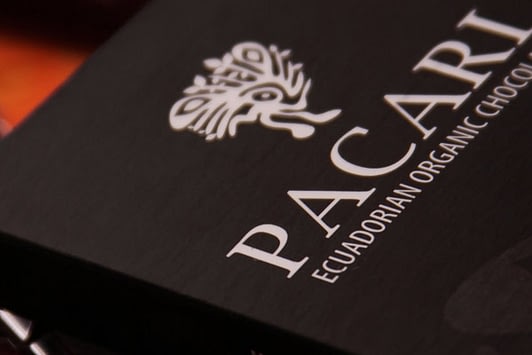
The ‘raw chocolate’ fad came on the wings of Paleo diets and a larger move away from ‘processed foods’. That’s when Santiago Peralta from Pacari saw an opportunity in chocolate and launched his ‘raw’ chocolate bar in 2009. He was, however, very careful never to claim that his beans and bars never went above 50 degrees.
‘Raw chocolate’ has acquired a ‘healthful’ aura thanks to clever marketing. It clearly resonates with (some) consumers through associations with ‘natural’ and ‘unprocessed’ food.
Unlike mass-produced confectionery, one thing in ‘raw’ chocolate’s favour is that it does not contain palm oil, vegetable fats and other synthetic ingredients. But, the health claims made around raw chocolate don’t stand up to scrutiny. For example, the claim that ‘not roasting’ (or ‘flash roasting’ the beans for 90-180 seconds) means that “cacao retains its high levels of antioxidants, magnesium and iron, maximising its nutritional benefits” is simply not true.
Another is around ORAC (Oxygen Radical Absorbance Capacity) scores where unroasted cocoa supposedly scores very highly. However, even the USDA has discredited ORAC scores.
Nevertheless, it’s smart marketing...with some useful lessons
To give credit where it’s due, the ‘raw food’ fad has pushed consumers to be more mindful of ingredients and processing in food. Pushing awareness on an issue is no mean feat. We might question Tony’s actual commitment to making chocolate slavery-free, but we can’t deny they’ve done a great job (through genius marketing) of drawing the public eye to the issue.
‘Raw’ does get people to read the label…but not as well as they should. They need to look beyond savvy marketing terms like ‘unsweetened’ or ‘raw’ to analyse the ingredients in a chocolate bar (we’ve got an excellent “bite” in this journey to help you out). It’s time to peer under the hood – consumers are inferring benefits that frankly aren’t there.
This is an excellent opportunity for craft chocolate to help consumers navigate the minefield of health fads. Small batch, single estate craft chocolate tastes better, is better for you, better for the farmers, and better for the planet. It is made with high-quality, simple ingredients and it’s a complete treat – just savour a few squares and experience how brilliantly satisfying it is.
Craft makers work directly with farmers and pay premium prices to secure the best beans. They then coax unique, distinctive flavours out of small batches with minimal ingredients. They want to preserve the rainforest (even replant it, wherever possible).
Don’t fall for the ‘raw chocolate’ fad. Have some craft chocolate instead.