Craft drinking chocolate
What makes the ultimate drinking chocolate? We encourage you to go beyond the bar in your enjoyment of sustainable, ethical, and fine-flavour chocolate. For centuries, the main way that people consumed cocoa was in the form of a drink, and although we love our huge library of bars, sometimes it’s nice to go back to basics, and enjoy a warm, luxuriant, cup of drinking chocolate.
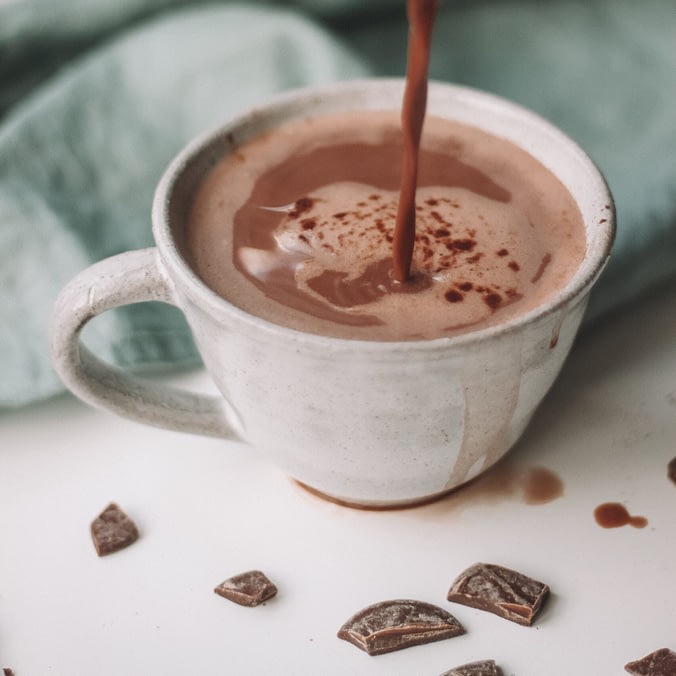
The world's best drinking chocolate
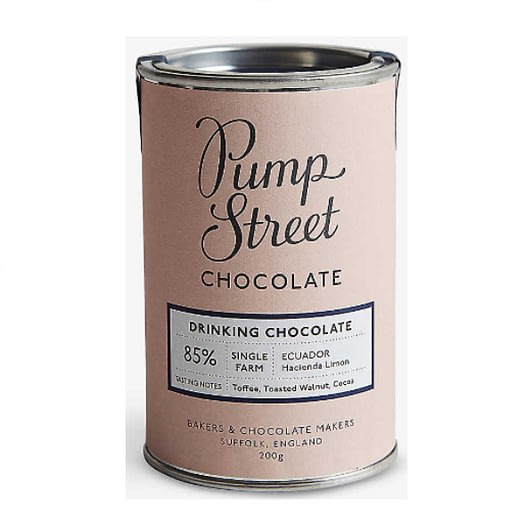
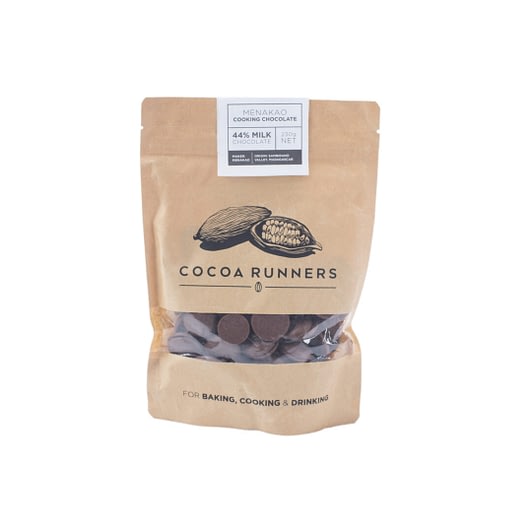
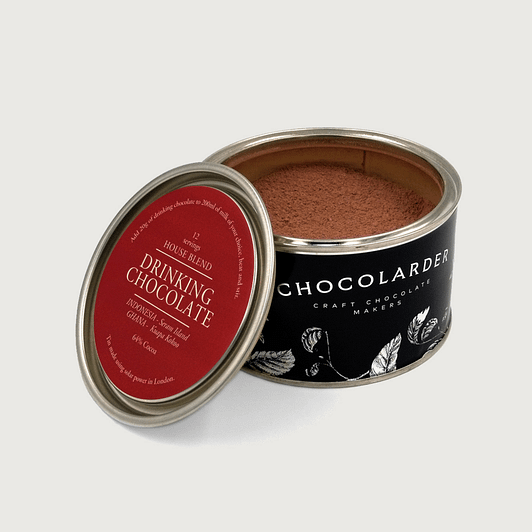
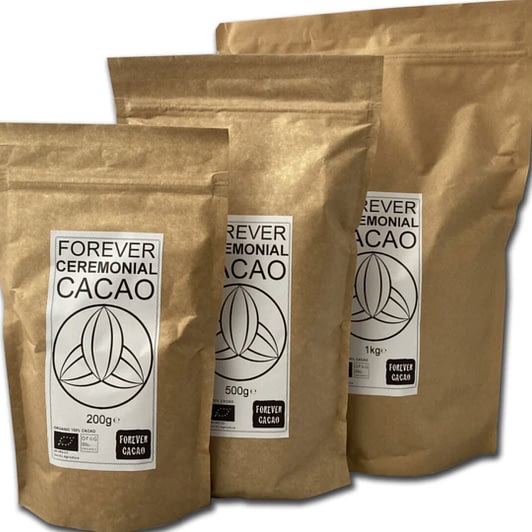
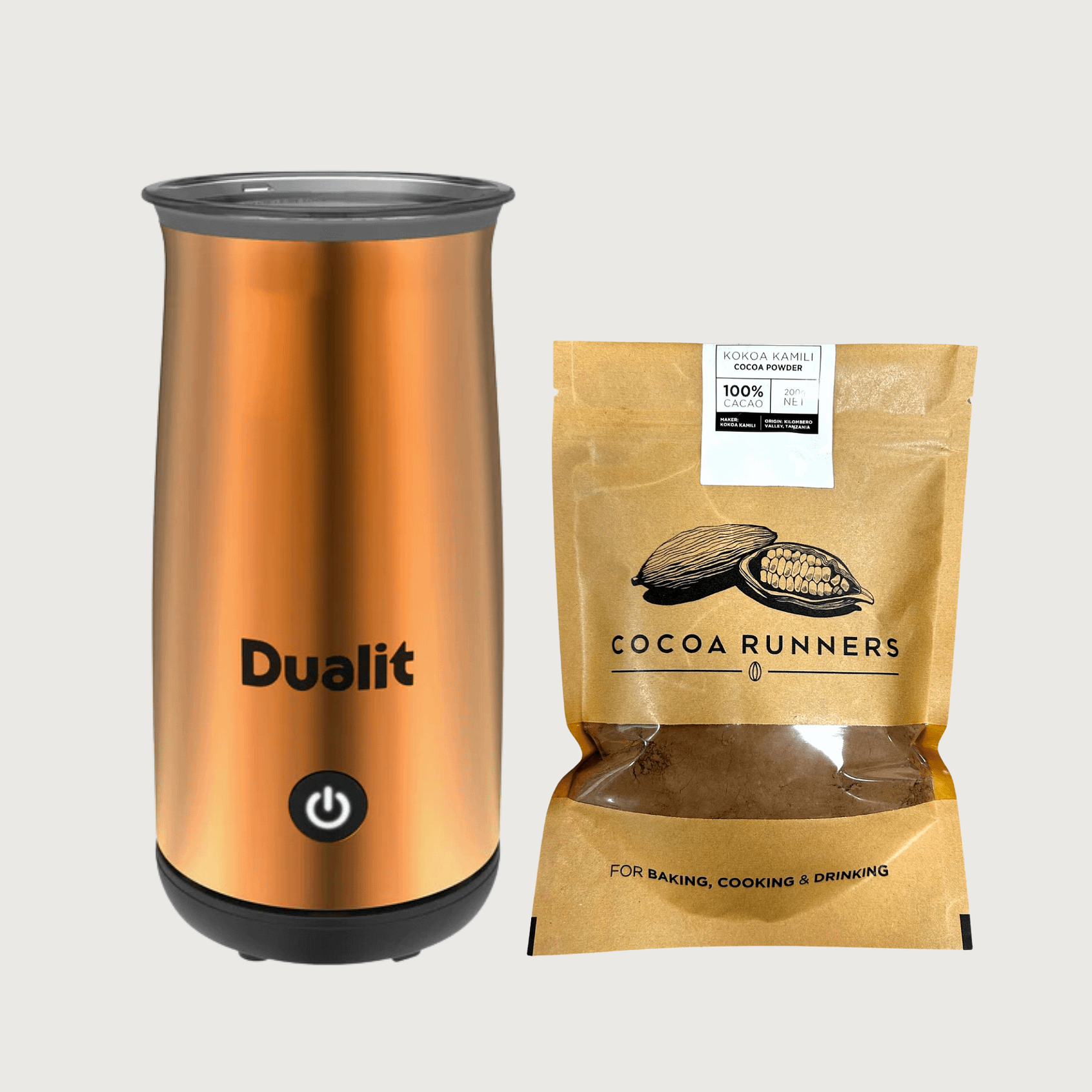
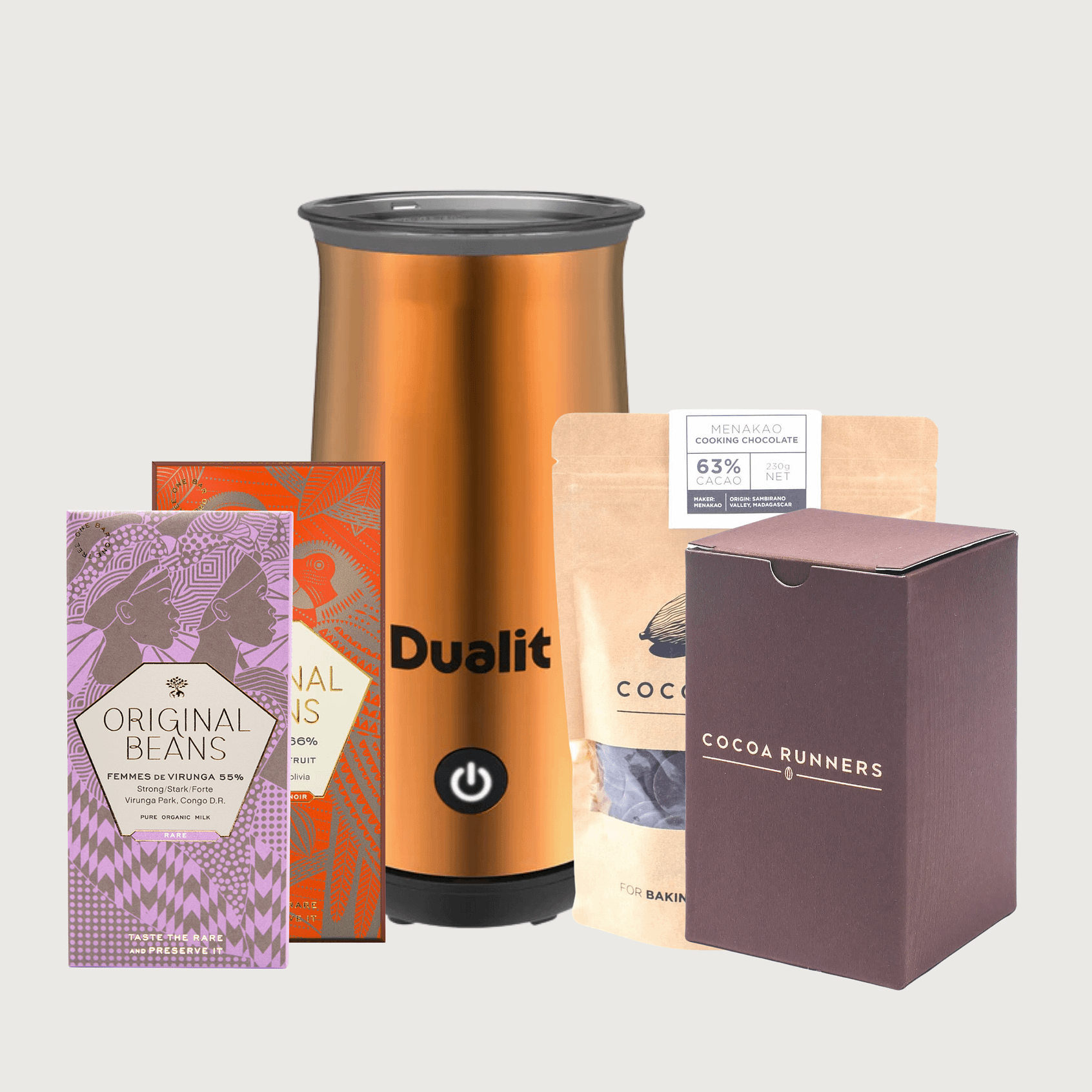
Whether you prefer powders, pastes, or buttons, we've got you covered. Craft chocolate makers have deployed their skills in coaxing the flavour from quality cacao to make an array of drinking chocolates.
Our guide to a great hot chocolate
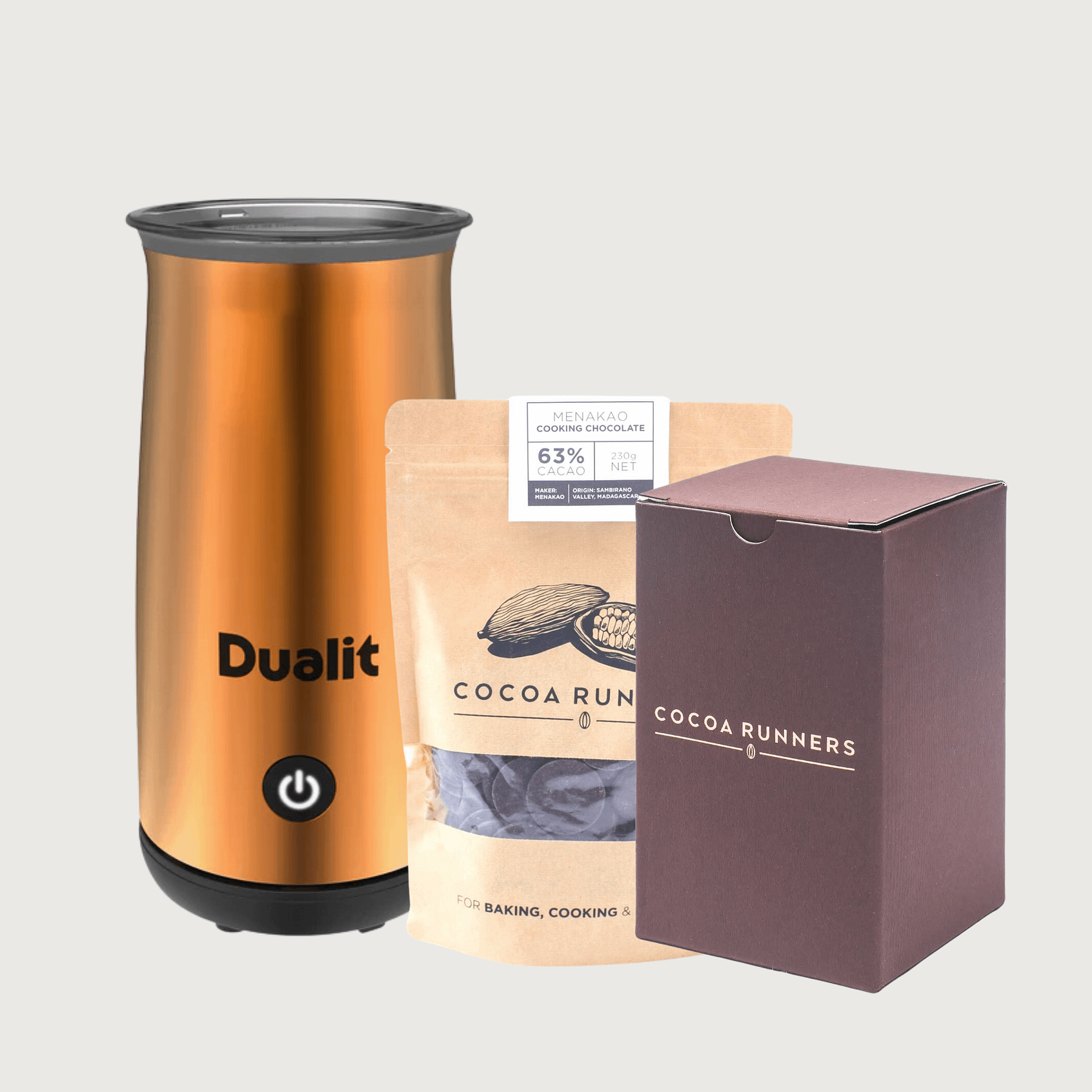
With 25g of craft chocolate buttons, 50ml of boiling water, and 175ml of hot milk, you can create a sublime drinking chocolate. Check out our simple step-by-step guide, and follow along with the video prepared by our friends at Prufrock Coffee
- PREPARE THE CHOCOLATE
- Put the buttons into a cup
- Cover the buttons with boiling hot water
- Wait for about 30 seconds, until the water has melted the buttons – DO NOT STIR!
- Pour the water away
- MAKE THE GANACHE
- Heat the milk to 60°C – 65°C
- Top the melted chocolate buttons with a quarter of the hot milk
- Whisk and stir until the chocolate has completely melted into the milk
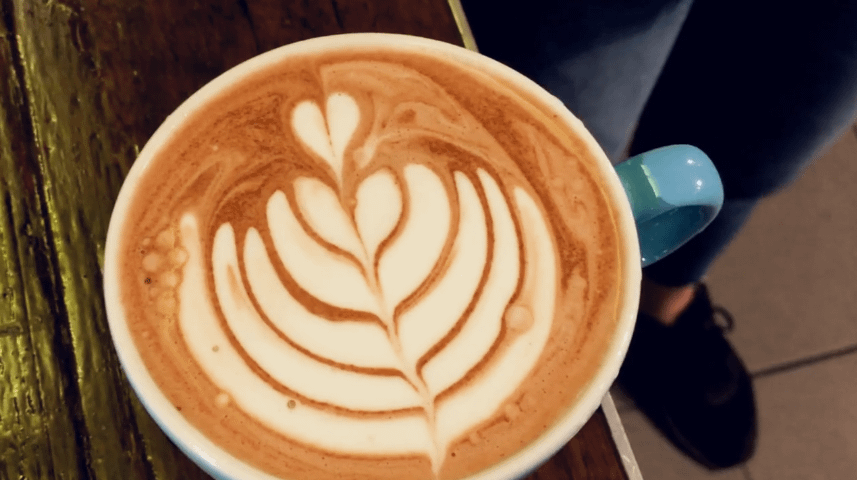
- LATTE ART
- Pour in the remaining milk
- Top with latte art, cream, or cinnamon to taste
- PRO TIPS
- Want your drinking chocolate to go? Use a flask instead of a cup and instead of whisking, just shake it up
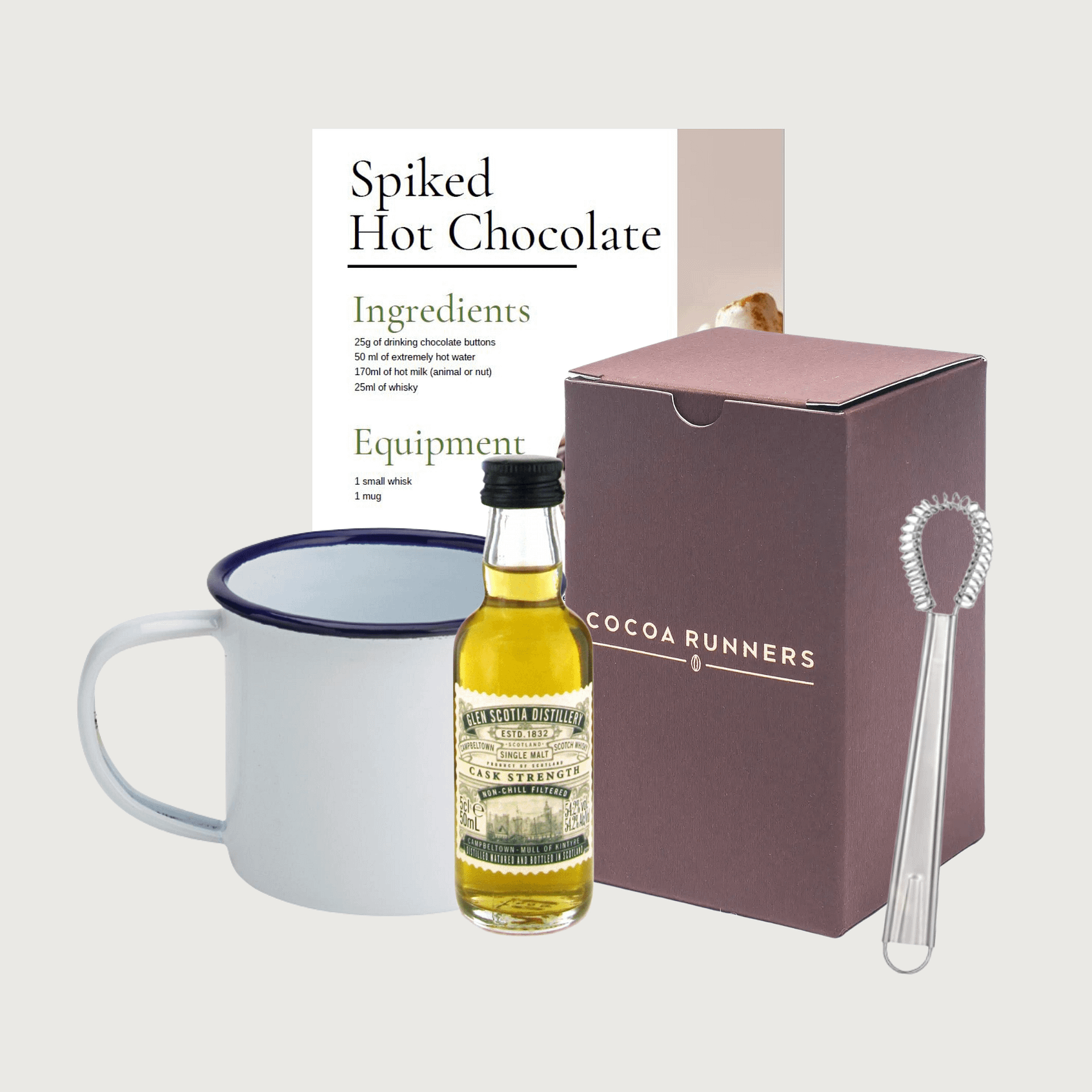
- Looking for a flavoured hot chocolate? Just whisk in cinnamon or nutmeg
- To make drinking chocolate shots, use only 75ml of milk
The origins of drinking chocolate
Cacao originates from the Upper Amazon basin of South America. In the 16th century, the Spanish invaders developed a taste for the delicious frothy beverage that the Mesomericans made from cacao. Over the following 200 years, drinking chocolate became sensationally popular amongst the European upper classes with dedicated chocolate drinking clubs and stores emerging in all major capital cities.
In the early 19th century Coenraad Johannes van Houten propelled chocolate even further by working out how to extract cocoa butter from the cocoa bean, making it even easier to make soluble drinking chocolate and paving the way to make solid chocolate bars. As chocolate became more and more popular, it also increasingly became mass-produced and industrially processed. More and more substitutions and supplements to the cocoa bean have been included in both chocolate bars and hot chocolate powders.
Fortunately for us, over the past few decades a small band of artisan chocolate pioneers have been taking chocolate back to its basics, trading directly with farmers to source the best beans and create amazing single-estate, craft chocolate bars. Some of these artisan makers are now also crafting chocolate specially designed to create drinking chocolate.
