Heavy metals in chocolate – how worried should we be about cadmium and lead?
Concerns about cadmium and lead in chocolate have been in the news again. Here's everything you need to know.
Print / PDFDoes chocolate contain lead and cadmium?
From the earliest times, adulteration and contamination have been major issues in chocolate (indeed, Cadbury’s built its brand on being “pure” — see here).
Since the passing of “Prop 65” in California, an act forcing makers and retailers to warn consumers about toxicity, concerns over cadmium and lead in chocolate bars, cocoa powder and drinking chocolate have been raised as major concerns. Here in Europe, there are numerous regulations (specifically 1881/2006, 488/2014 and 2021/1317) stipulating maximum levels of lead and cadmium allowed in different forms and percentages of chocolate.
In late 2022 and then again late 2023, Consumer Reports and As You Sow published very worrying reports that many well known chocolate bars exceeded the recommended minimum standards (see below for more details). In July 2024, a study from GW published further research suggesting that for the 72 chocolate bars and snacks tested:
- 43% of the products studied exceeded the maximum allowable dose level for lead
- 35% of the products studied exceeded the maximum allowable dose level for cadmium. Somewhat more reassuringly they also noted that:
- “None of the products exceeded the maximum allowable dose level for arsenic”; and that:
- “For the average consumer, consuming a single serving of these cocoa products may not pose significant health risks based on the median concentrations found”.
Unsurprisingly, we’ve had LOTS more questions, emails, etc. again on the topic of heavy metals. The most common by far is: how worried should we be? And then we’ve a bunch more left-field suggestions – for example, should we switch to milk and white chocolate (yes, that really is the advice of some “influencers” reasoning that because milk and white chocolate has less cocoa, it’s “safer”… ignoring the fact that this sort of confectionery has a LOT more sugar, lecithins and all sorts of other additives).
The answer is: don’t panic. If you savour craft chocolate, especially at the end of the meal, you really have very little to worry about. And you don’t need to switch to milk or white craft chocolate either.
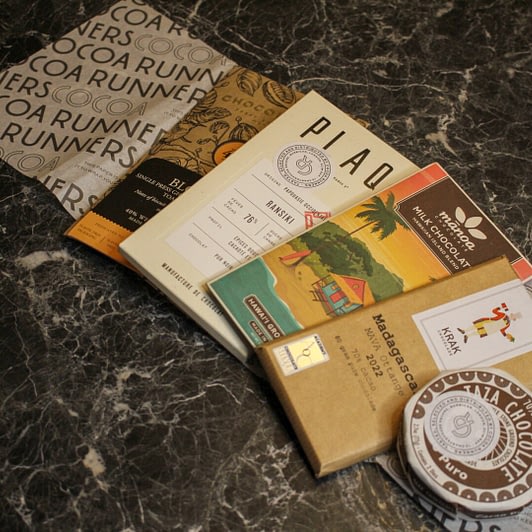
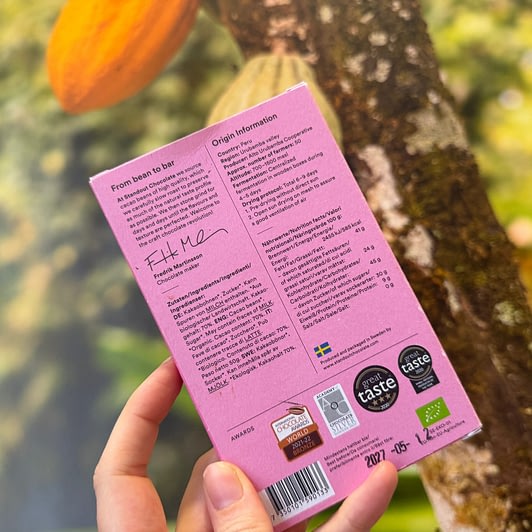
Indeed in the Consumer Reports 2022/3 analysis, Taza’s bars (above) came out with no issues (unlike the vast majority of other bars tested), as did Mast’s bars made with Kokoa Kamili’s Tanzania Beans — also used by dozens of our makers (see below for some examples).
We’ve already written a couple of blog posts outlining the very different challenges of Lead and Cadmium in chocolate, and explaining why Craft Chocolate’s focus on savouring, beans, transparency, farmers and crafting should provide some reassurance – see here and here. And we’ve updated these articles too.
In addition, given all the recent interest I’ve also produced a video on the topic – and below is a quick summary in case the blog posts are “TLTR” (Too Long To Read) to some other questions
How bad is lead and/or cadmium poisoning?
Very bad. For lead poisoning, look no further than the madness of Vincent Van Gogh where medical historians attribute his demise to habit of licking his paint brushes which were full of paints containing lead and cadmium (especially the bright yellow sunflowers). Lead poisoning is insidious and slow (hence why lead pipes, a very common cause of lead poisoning, were around from Roman times and not banned until 1970 in the UK and 1986 in the USA). Similarly, lead paints, another major cause of slow lead poisoning were only banned in UK house building in 1978. Cadmium, when inhaled or ingested, is also highly toxic, with a long half life and destroys kidneys, bones and lungs. And its still around in artist grade paints.
How do cadmium and lead get into chocolate?
Very differently. Lead gets into chocolate through cocoa beans being exposed to lead fumes (e.g., from diesel engines) as the bean is dried, stored and processed (one common criticism towards commodity chocolate is that drying it on roads exposes them to lots of diesel fumes from passing trucks). Cadmium, when present in the soil, can be picked up by plants – including Theobroma Cacao. Cadmium is a particular problem in certain geographies (including the Amazonian basin), and its also highly localised (i.e., it can be in one corner of a field, but not another, etc.). Older cocoa trees seem particularly affected by Cadmium, however various remedies
What can I do to avoid lead and/or cadmium in my chocolate?
Seek out craft chocolate where you can be (re)assured of how it’s been sourced and treated. Craft chocolate is all about working with farmers, coaxing flavour from beans and transparency.
Not a good answer: Focus on milk and /or white mass market chocolate / confectionery. While it’s true that most mass milk chocolate is lower in cocoa percentage than dark (and most milk or dark craft bars), unfortunately the other “stuff” that’s added to these bars (sugar, hydrolyzed palm oils and vegetable fats, preservatives, etc.) are REALLY not good for you.
What can I do to reduce the risk of consuming cadmium and lead?
Cadmium, lead and indeed all toxins are particularly bad news on an empty stomach and when eaten in large quantities. A full stomach can slow down the absorption of toxins, and some foods (e.g. ones that contain zinc) can help “bind” with heavy metals, potentially reducing their absorption.
Is this being overhyped?
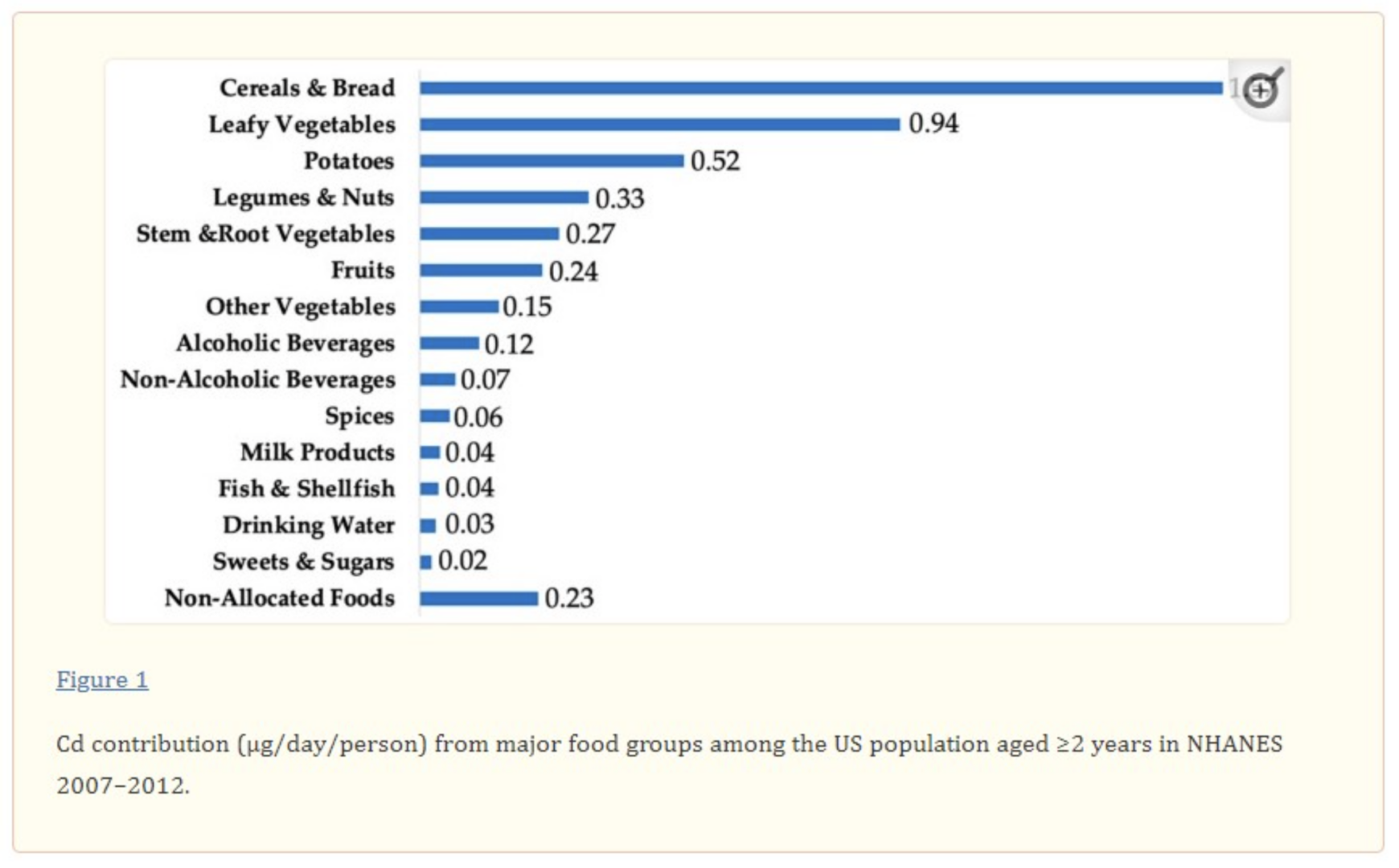
Anything that draws attention to how chocolate is grown and crafted is good news, as is anything that draws attention to any “nasty” in chocolate (e.g., excessive sugar, hydrolyzed fats, dubious emulsifiers, etc.). However it’s worth noting that there are LOTS and LOTS of other products that are problematic, starting with various paints and cosmetics (see Pure Earth’s study in the blog). Various foods that are surprisingly high in cadmium and lead include spinach, romaine lettuce, rocket/arugula and watercress. And when the NCBI (National Center for Biotechnology Information) in the US did extensive research as to how US different consumers (segmented by age, geography, ethnicity, etc.) argued that cereals, breads, potatoes (especially crisps), leafy vegetables and some legumes and nuts were the biggest culprits.
Please note: this is NOT an argument to stop eating spinach, arugula or even potato chips. Nor is it in any way a criticism of the research carried out by Consumer Reports, Sow by You and most recently GW University. Anything that makes consumers think more about transparency, supply chains, ingredients, etc. is GREAT. We just need to be careful not to throw the “baby out with the bathwater”; there is no need to switch to white or milk chocolate. Just stick (or switch!) to craft chocolate.
Sources and further reading:
https://www.frontiersin.org/journals/nutrition/articles/10.3389/fnut.2024.1366231/full
https://gwtoday.gwu.edu/study-finds-many-cocoa-products-contaminated-heavy-metals
https://pubmed.ncbi.nlm.nih.gov/18463084/
https://www.cbsnews.com/news/dark-chocolate-metals-lead-arsenic-cadmium/
https://www.nature.com/articles/s41598-021-91554-z
https://cocoasupply.eu/blogs/news/current-eu-regulations-cadmium-other-heavy-metals-and-elements-in-cacao
/https://food.ec.europa.eu/system/files/2019-03/cs_contaminants_catalogue_cadmium_chocolate_en.pdf
https://www.webmd.com/children/what-is-lead-poisoning
https://www.ncbi.nlm.nih.gov/pmc/articles/PMC7147761/
https://www.asyousow.org/blog/2022/8/17/new-report-explains-simple-safe-and-low-cost-solutions-to-reduce-levels-of-lead-and-cadmium-in-chocolate
https://www.uncommoncacao.com/blogs/uncommon-cacao/a-light-overview-of-heavy-metals-a-cadmium-story