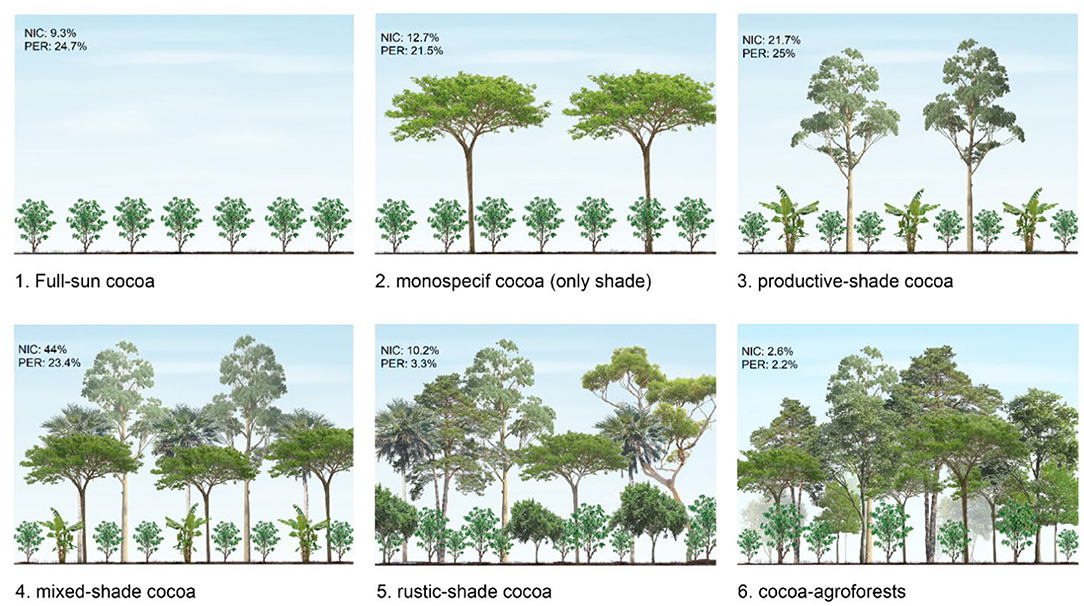
Money (and cocoa) grows on trees
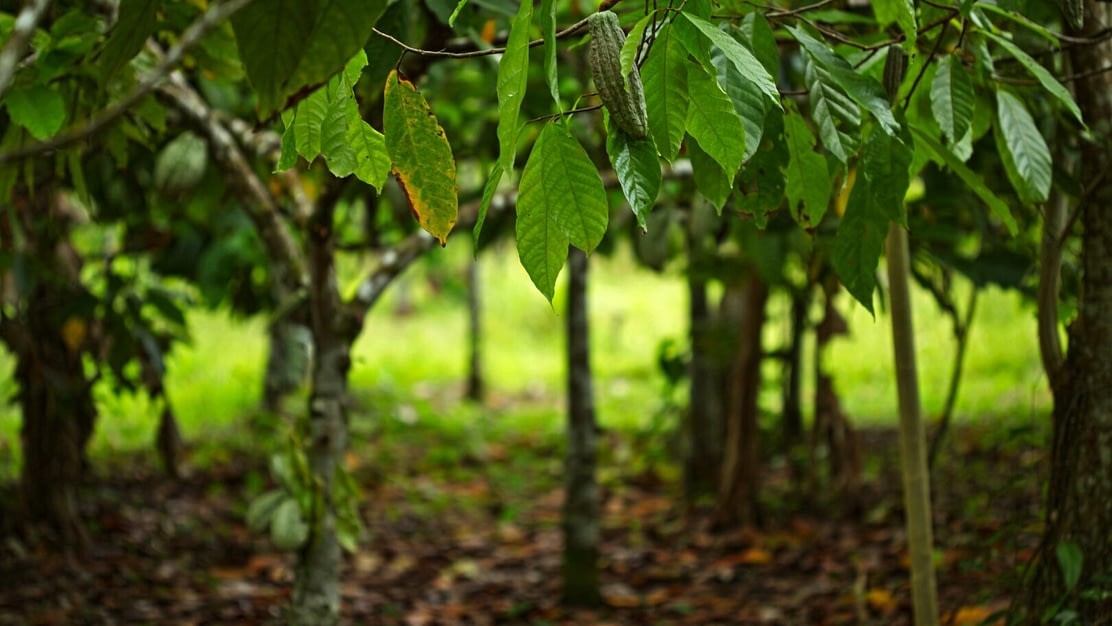
How craft chocolate is fighting deforestation with sustainable cacao - and why the EU Deforestation Act is an intriguing first step!
Print / PDFMost of us have been accosted with this phrase – often in connection with being spendthrift, not being careful with money, etc. But most of us don’t realise that the phrase was inspired, and contradicted, by cocoa. Cocoa pods grow on trees, and from Mayan and Aztec times right up until the 1850s the beans inside were used as a unit of currency.
Even if cocoa is no longer used as a unit of currency, it’s still incredibly valuable – and cocoa prices are still spiking to new heights (for more see here). In parallel, planting trees (including cocoa trees) as a means for “paying” for environmental tax credits has become an “unit” of environmental currency. In the case of Theobroma Cacao (ie the cocoa tree), this is particularly controversial given the disastrous role commodity cacao has played in deforestation both in West Africa and South America, the heartlands of cocoa cultivation.
In craft chocolate, a key motivation for makers, growers and consumers is addressing deforestation, the loss of biodiversity, protection of indigenous homelands and lifestyles and avoiding desertification and drought (for more on cocoa and water, please see here).
Big Chocolate is finally also being held to account here thanks to some new EU legislation (The EUDR) that we’ve tried to explore below. Bottom line, it’s great to see some first steps. But we need to avoid it being another burden and cost that is pushed down onto farmers. And given that West Africa is now down to less than 5% virgin rainforest cover, and that the law only pushes back 3 years, the expressions “too little, too late” and “bolting the door after the horse has bolted” spring to mind. On a more positive note, it COULD lead to more transparency if we consumers start asking, and expecting, to know where their bars are made and their beans come from as we do with wine, coffee, etc.
And if you are interested in deforestation, and /or have an interest in trees, we’re delighted to be pairing with the International Tree Foundation for a fundraising “zoom” talk and virtual chocolate tasting on Saturday 18th May (So just over a month’s time) at 7:30. For more on the ITF, please see here; and if you’d like to join the tasting, please see HERE – we’re donating 25% of all sales from the evening to the ITF and look forward to seeing you there.
And also HAPPY EASTER!!! If you’ve somehow forgotten someone in your Easter gift list, why not give them one of these tastings – or some great craft chocolate bars – that taste better, are better for you, better for farmers and better for the rainforest and trees.
Recap Of Deforestation .. West Africa
Over two thirds of the world’s cocoa is now grown in West Africa, primarily in the Cote D’Ivoire and Ghana. And unfortunately, commodity cocoa farming has resulted in massive deforestation. The Ivory Coast has lost more than 90% of its forest cover since 1950, while Ghana has experienced forest losses of over 65%. And since 1990 this trend has accelerated – so that we are now below 3% of either country as “virgin rainforest”.
Much of this deforestation has been the result of smallholder cocoa farmers’ desperate attempts to grow more cocoa in an effort to feed their families. The World Bank estimates that $2.50-$3.00 per day is needed by a cocoa farmer to feed themselves and their family – yet over 90% don’t achieve this minimum level, with the average daily income of a cocoa farmer only $0.80 per day. Growing, and selling, more cocoa provides them with a chance to earn more, and so they continually try to clear more of the rainforest. It’s not easy to get exact statistics here, but Nature in 2023 estimated that since 2000 “… cocoa cultivation is an underlying driver of over 37% of forest loss in protected areas in Côte d’Ivoire and over 13% in Ghana, and that official reports substantially underestimate the planted area (up to 40% in Ghana)”.
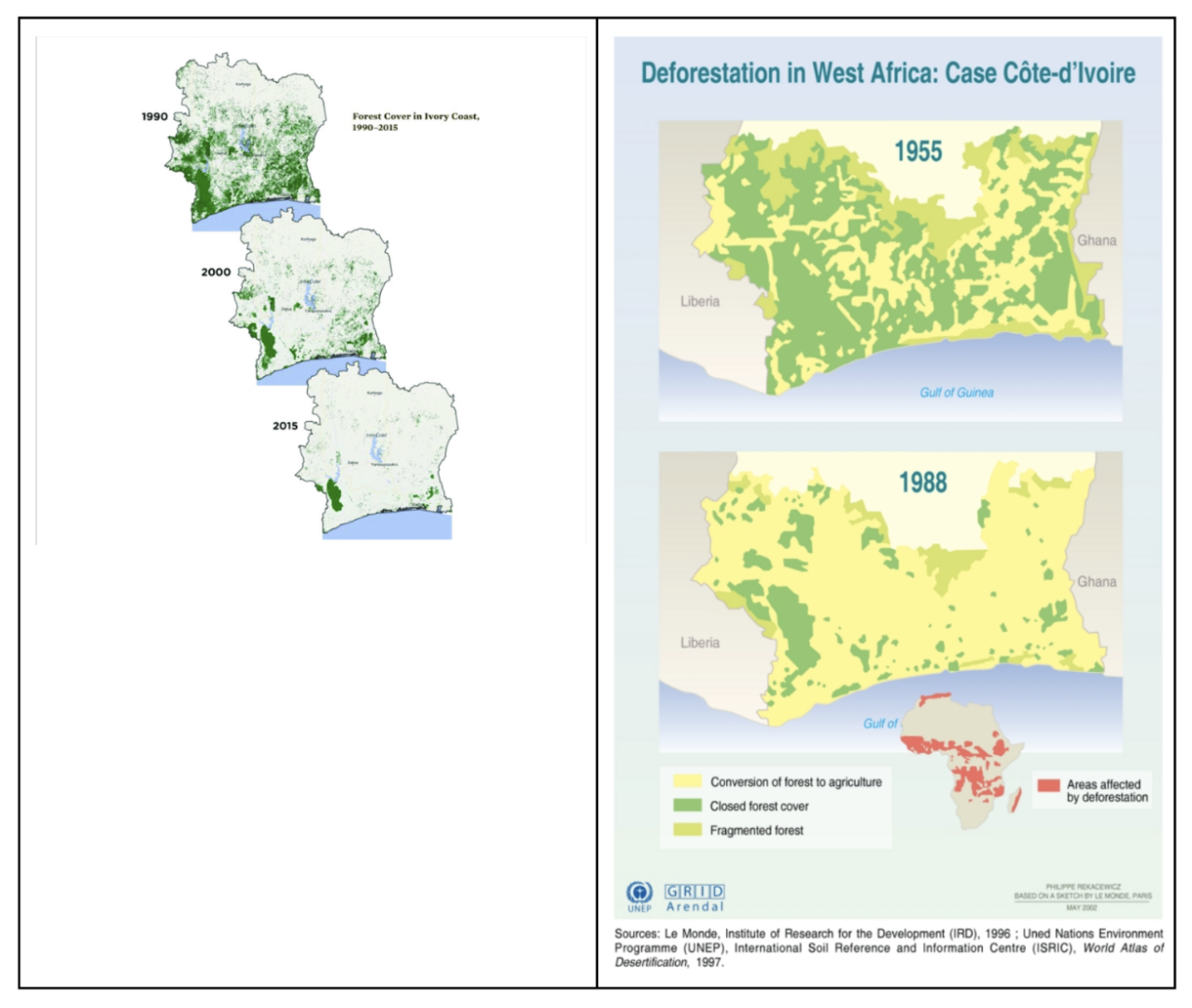
The impact of this deforestation is hard to exaggerate in terms of the loss of biodiversity, wildlife destruction and also extreme weather – literally from drought to floods. Not only is there far less rain, but the dry season is now far longer. And it’s becoming a vicious spiral – or as Kwame Osei, country director for Ghana and Nigeria of the Rainforest Alliance described it “The single most significant driver of deforestation in cocoa production is poverty…. They are on the losing end of the supply chain, too, bearing the brunt of chronically low prices and with few opportunities to negotiate .. Cocoa farmers are also on the front lines of the climate crisis, which leaves them vulnerable to drought, pests, and diseases that can decimate a harvest. In turn, land degradation often leads to the transformation of forest areas, including protected areas, into new cocoa plantations.”
Recap Of Deforestation .. It’s Not Just Africa .. Ecuador
Ecuador is where we first have evidence of cocoa beans (and pulp) being fermented over 5,500 years ago (see here). It was also a critical source of cocoa exports for the Spanish Empire in the late 16th and 17th Century following on the devastating diseases that destroyed cocoa farming in Mexico, Guatemala, Belize and the Aztec heartlands.
Over the past few years, Ecuador has been moving up the ranks of cocoa growing countries. It currently is the world’s third largest cocoa grower (up from 5th less than a decade ago), and may even overtake Ghana in the next few years.
However some of this growth has caused deforestation and a dramatic loss of biodiversity. Over the past century, Ecuador has seen its rainforest cover, which covered almost all of the country, fall so that Ecuador is now “only” half covered by rainforest canopy. And this has resulted in devastating droughts, disastrous (and previously never experienced) flooding, landslides and all sorts of other environmental disasters along with tragic destruction of many unique fauna and floral species, destruction of ancient indigenous livelihoods and lands, and a dramatic decline in biodiversity.
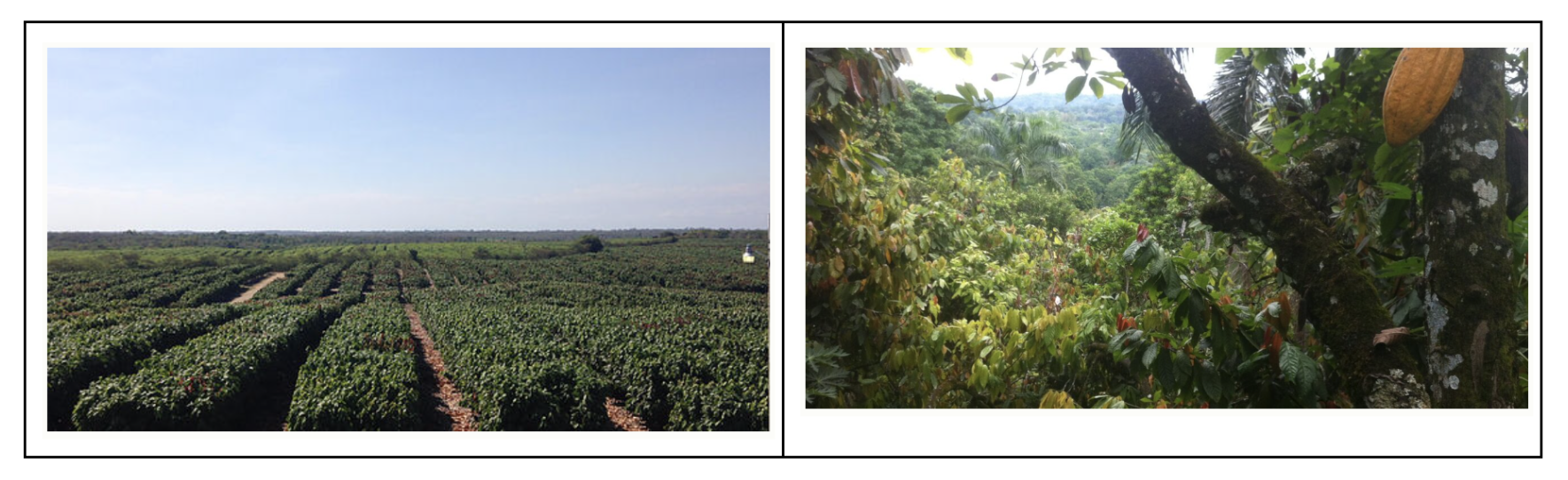
Unlike West Africa, where underpayment of smallholder cocoa farmers has clearly played a major role in deforestation, Ecuador’s situation is very different. Firstly, the role of cocoa farming in Ecuador’s deforestation seems one of a number of other causes. Drilling for oil, intensive grain cultivation, urban sprawl, mining and intensive agricultural overgrazing are generally described as being the prime movers of Ecuador’s environmental devastation. Secondly, the harm done by cocoa farming for Ecuador’s deforestation has come from a move to large mono-crop cocoa plantations which rely on new(ish) cocoa hybrids like CCN51 and CC81. These hybrids were planted instead of Ecuador’s historically diverse cocoa varieties (e.g. heirloom Ariba Nacional), and – even more problematically — often involved the destruction of rainforests containing these “heirloom” cacao varieties. These new hybrids are farmed as a “monoculture”; that is to say they destroy all the biodiversity associated with the rainforests that for over 5,000 years have protected and grown all sorts of cocoa varieties – and much else. In addition, many of these “mono-cultural” plantations of CCN51 and CC81 use all sorts of fertilisers and pesticides, with all sorts of concerns over soil degradation, undesirable run offs, disease resistance, etc.
Pictures of cocoa grown as a “monoculture” plantation versus harvested from the rainforest
There have been some valiant rearguard actions to protect “heirloom” cacao varieties – and hat tip to Original Beans, Conexions, Solstice, Fossa, AWKI, Hogarth, Askinosie and Pump Street to name a few of the Craft Chocolate makers winning prizes for their amazing Ecuadorian bars. However the competition between “modern” hybrids and heirloom cacao varieties is a major cause of tension and disagreement in the cocoa world. The likes of genetically engineered clones CCN51 and CC81, which promises faster growth, higher yield and disease resistance on the one hand and heirloom beans from Manabi, Los Rios, Esmereldas with their amazing flavours and respect for traditional ways to farm cacao in virgin rainforests continues to rumble on. It’s very complicated – and dependent on how the crops are planted, harvested and cared for. Plus the upcoming new EU regulations to protect deforestation are adding another layer of complexity with all sorts of issues over ownership of farms and forests.
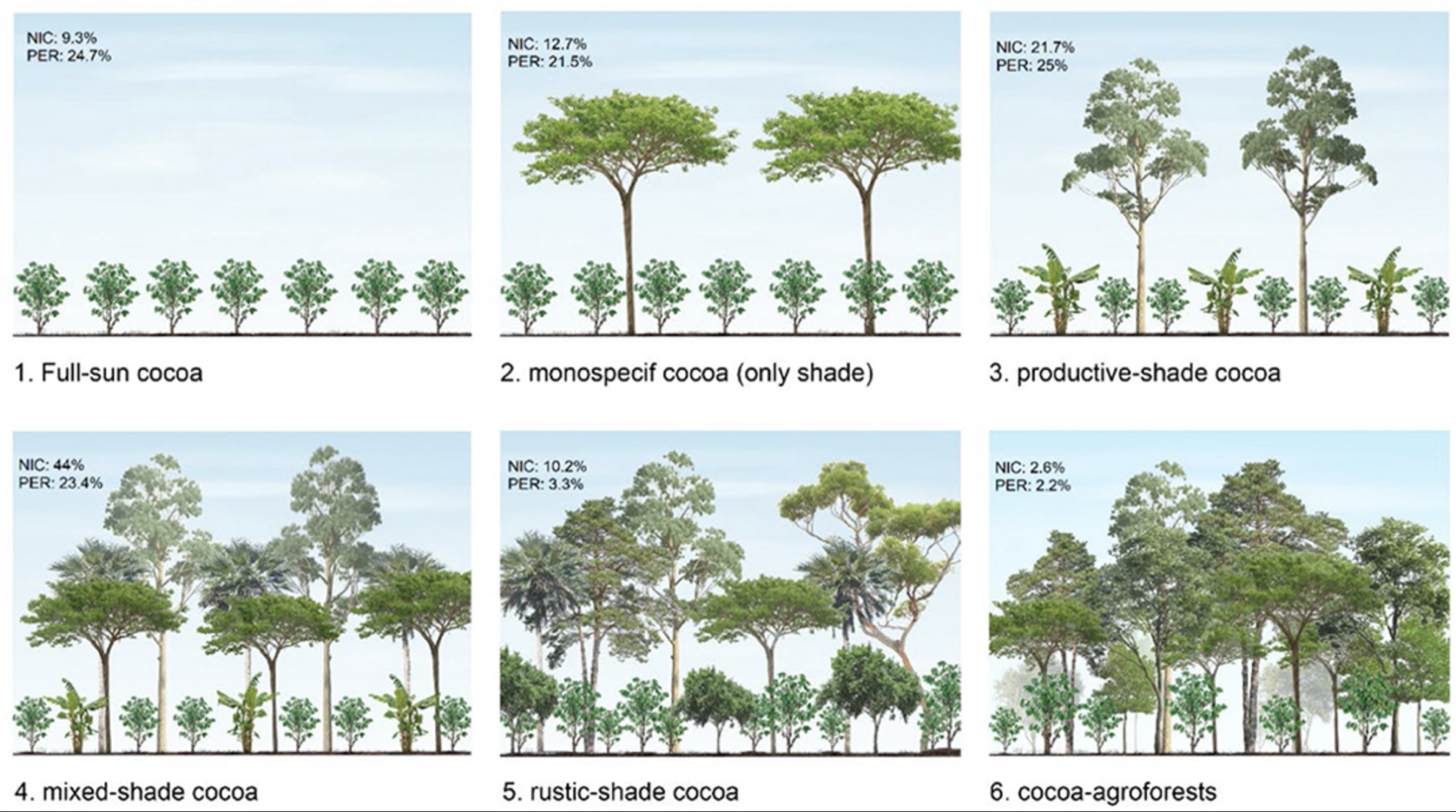
Impact Of Deforestation … Another Reason To Enjoy Craft Chocolate
Cocoa is a fantastic crop to help protect, preserve and regenerate our rainforests. To grow great chocolate (and not commodity cocoa hybrids), we need not just rainforest canopy but also biodiversity. Arguably the only other crop which benefits as much from biodiversity and rainforest canopy is the coca plant (aka Erythroxylum coca, another indigenous plant of South America but one with psychoactive alkaloids, notably cocaine). And that’s one reason why the likes of the US Drug Enforcement Authority and UN War against drugs have been so keen on promoting cocoa in Ecuador, Peru, Colombia etc. (and if you haven’t, do try the extraordinary bars from VRAEM by Hasnaa etc as an example).
Above and beyond this, cocoa requires a LOT of water to grow. To put it in perspective – a bathtub contains 60-80 litres of water, to grow one avocado requires 2-300 litres of water and to grow 50g (ie a handful) of almonds, needs 500-700 litres of water. By contrast, a bar of chocolate (or approximately one cocoa pod with 25-50 cocoa beans) needs 1500-2000 litres of water. This is fine if cocoa is being grown in a biodiverse rainforest where the water is recycled. But it’s a disaster in deforested lands, and also a problem if the cocoa is grown in a monocultural plantation.
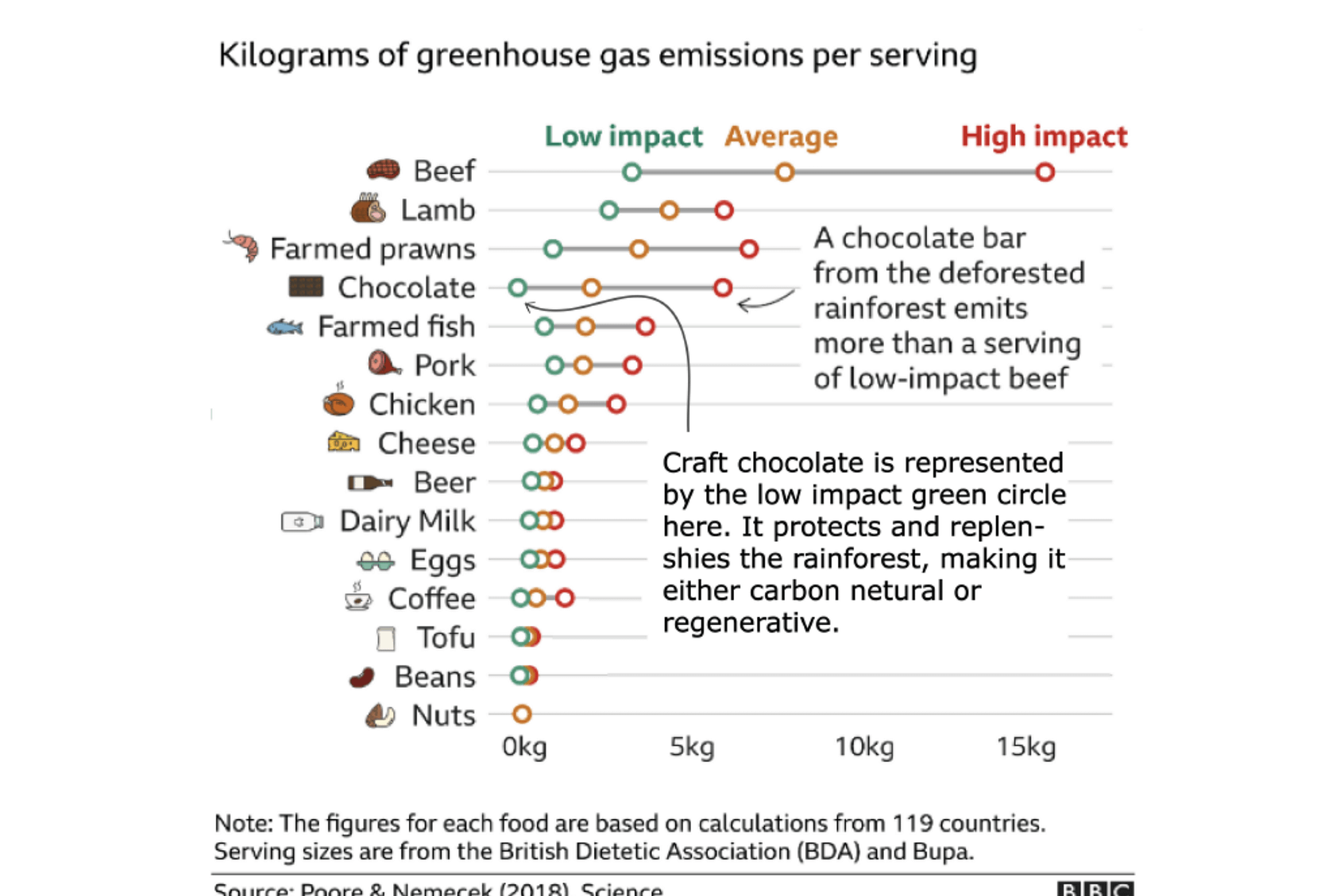
So that’s why if there is one food you choose to upgrade, please make it Craft Chocolate!
The EU rides to the rescue of the Rainforest?
From December 2024, consumers within the EU will be protected by a new deforestation regulations (the EUDR) which will insist that seven commodity products, including cocoa (the others are soy, beef, palm oil, wood, coffee and rubber) cannot be sourced from areas “affected by deforestation or forest degradation practices”.
The EUDR is part of a wider thrust by the EU with the “EU Green Deal”, ”EU Biodiversity Strategy for 2030” and the “Farm to Fork Strategy”. And it’s a law with teeth. It requires companies to conduct due diligence to prove that their products are not linked to deforestation. If a company can’t prove that e.g., the cocoa in their warehouses wasn’t sourced from deforested land, this cocoa will be destroyed and fines of up to 4% of the total annual turnover in the EU. Hopefully the impact here will be like that of the legislation for the Single European Act, and (in benefits at least) of the EU’s GDPR.
Glass half full .. despite some missed opportunities?
The new EU initiative to ensure that any cocoa / chocolate sold in Europe does not come from deforested land is a “GOOD MOVE”. It’s GREAT that finally someone in authority from an institution as big as the EU is insisting that a number of crops can only be sold if the maker, trader, farmer, etc. can PROVE that they’ve not harvested this on deforested land.
When the law was passed, it was hailed as groundbreaking by everyone from the WWF to the Rainforest Alliance, even if they wished that it’s application was extended “to other non-forest ecosystems, like savannahs and wetlands .. or to the finance sector” (so yes, bankers can still finance deforestation …).
In addition, the likes of ClientEarth expressed concern that “The EU refused to include protection for internationally-recognised rights of Indigenous Peoples – the world’s best forest defenders – opting instead to rely on national laws in third countries to adequately protect Indigenous lands. … Protecting the rights of the Indigenous and local communities on the frontline of forest protection is an essential part of solving the deforestation problem. The world’s forests cannot be preserved when their lands are grabbed and land tenure conflicts continue”.
For cocoa farmers, this is a massive problem. In West Africa, land ownership is hugely controversial and politically fraught. Ownership of many of the millions of small cocoa farms in Ghana and the Cote D’Ivoire really isn’t clear and this vastly complicates certification. Similarly in Ecuador, the monocrop plantations of CCN51 are far easier to certify than the few remaining rain forests farmed by indigenous peoples.
And without wanting to sound churlish, it seems very much as if in many ways this is “locking the stable door after the horse has well and truly bolted”. The initiative only bans crops that have been grown on land that was deforested since 2020 … and makes no concrete proposal for reforestation.
Plus it places the onus of proof – and costs – back on the farmers and “countries of origin”, who already are being badly squeezed.
Finally it misses the huge opportunity to help educate consumers as the lack has no labeling requirements. Makers, importers and traders have to be able to show to government inspectors and lawmakers from where they’ve sourced their cocoa beans with all sorts of certificates, processes., etc. But they don’t have to tell consumers where their cocoa (or coffee, beef, etc.) is actually coming from .. they can just say it’s “certified” and continue to treat cocoa as a commodity where they can “pick and mix” the “most economical” source of beans for them.
But let’s look at this as a glass half full, a step in the right direction. And next time says “isn’t it great that my Easter Egg is made with chocolate that has destroyed the rainforest” you can add “and now you can make it even better by upgrading to Craft Chocolate”.
SOURCES
History of cocoa as a currency (and growing on trees)
DEFORESTATION
AFRICA
https://www.theguardian.com/environment/2023/may/22/cocoa-planting-is-destroying-protected-forests-in-west-africa-study-finds
https://www.nature.com/articles/s43016-023-00751-8
SOUTH AMERICA – ECUADOR
https://www.rainforestinfo.org.au/projects/jefferson.htm
https://earth.org/how-does-cocoa-farming-cause-deforestation/
DEFORESTATION AND COCOA
https://www.frontiersin.org/articles/10.3389/fsufs.2021.635779/full
https://www.sciencedirect.com/science/article/abs/pii/S0167880919300283
https://stories.mightyearth.org/voice-network-agroforestry-in-cocoa/index.html
EU DEFORESTATION
https://www.nature.org/en-us/what-we-do/our-insights/perspectives/eu-deforestation-law-engaging-producers/
https://www.clientearth.org/latest/press-office/press/eu-deforestation-law-a-new-gold-standard-for-forest-protection/
https://www.carbonbrief.org/qa-what-does-the-eus-new-deforestation-law-mean-for-climate-and-biodiversity/