What to do with your chocolate in a heatwave
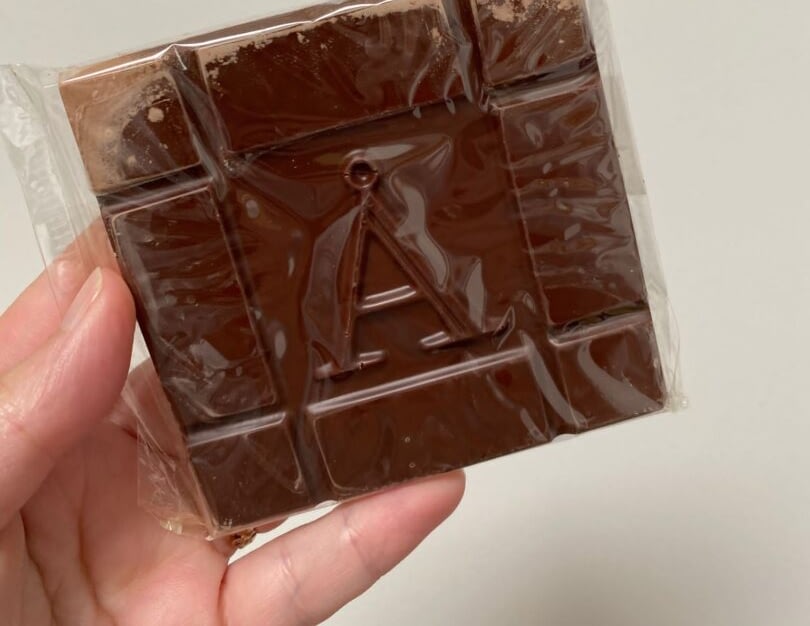
As the temperature climbs, and your chocolate starts to melt, there is a temptation to move your chocolate stash to the fridge.
In some cases, and if you are careful, this may not end in disaster.
But all too often it can result in some unexpected and undesirable consequences. For example, your chocolate bars can go an odd shade of white or grey. They can absorb unexpected other flavours from other products stored in your fridge. And your chocolate bars may become brittle and appear to have less flavour.
So in this post, I’ll cover:
- Why your chocolate “blooms” (i.e. goes white, spotty, etc.) and “out of temper” (i.e. brittle)
- Why storing your craft chocolate in the fridge can be ok (if you take some precautions), but can also be problematic
- What to do if your chocolate does “bloom” or go out of temper
- Why it’s less of a problem to store mass market chocolates in your fridge (hint: palm oil, vegetable fats and synthetic emulsifiers aren’t as “fussy” as cocoa butter)
- A surprising connection to the World Cup, and how the turf of the football pitches where many matches are being played is linked to all sorts of chocolate bars and early 20th century margarine technology.
Blooming chocolate and tempering
Part of the magic of chocolate comes from the way it melts in your mouth, creating a luxurious, creamy and incomparable feeling of delight. At the same time, provided it’s not left in the sun on a super hot day, chocolate bars are solid at room temperature. In the chocolate world, this is described as “well tempered”, meaning that the chocolate maker has carefully heated, cooled and agitated their chocolate so that it reaches “crystal structure V”. It’s this crystal structure which gives a great chocolate bar glossiness, its snap, its melt, its languid coating and consistency. Ironically, a similar set of skills in tempering and crystalising are used by sword and knife makers to temper steel into their incredible blades.
However cocoa butter can be very fickle. If you don’t manage the heating, and cooling, of the chocolate VERY carefully, the chocolate may bloom and also may retemper (ie recrystallize) to crystal structure VI. And crystal structure VI doesn’t melt nearly as easily at human body temperature – which is why badly (re)tempered chocolate doesn’t melt and release all its wonderful flavours, and create that equally wonderful goeey texture, in your mouth. You can try to test this by snapping a chocolate bar. If at “normal” temperatures, it gives a solid snap, it is a sign of crystal structure V and the chocolate should slowly melt in your mouth without the need for much/any chewing, releasing all sorts of wonderful aromas (it will also cool you down as it sucks the heat out of your mouth in the same way that perspiring helps cool you down).
On the other hand if the snap is very brittle, it probably means it’s been retempered and also that it’s unfortunately now become crystal structure VI. So you might want to consider heating it up a little (and eating with a spoon) or you can cook, or make a hot chocolate with it. And this is even more the case if the surface has gone grey-white, waxy and/or blotchy – i.e. bloomed.
When a bar goes blotchy, waxy, grey-white, and or flakey, chocolate makers call this blooming. Technically blooming is almost always caused by temperature and moisture fluctuations during transport and storage, which disturb the chocolate’s crystal structure and allow ingredients to migrate to the surface.
Technically, there are two categories of blooming. Firstly there is a fat bloom, where cocoa butter rises to the surface and recrystallises. Fat bloom creates a grey-white, slightly waxy-looking bloom and is driven by poor temper, warmth, or temperature fluctuations.
The second category of blooming is sugar blooming. Sugar bloom is driven by moisture or condensation: water dissolves sugar at the surface, and when that water evaporates, the sugar recrystallises as a rough, pale film. It can occur in any chocolate bars, but it’s more often experienced with mass market bars as they have a higher sugar, and lower cocoa butter, percentage.
A tongue in cheek pro-tip. If your high percentage dark chocolate bar has this white blooming, some suggestions. Firstly, you can still use it for cooking, and if you want to savour it on its own, you can gently reheat it and literally use a tea spoon to enjoy it. And if you are feeling a little risque, before you melt it and savour spooning it into your mouth try rubbing a little of this cocoa butter off .. and use it to massage yourself or your partner. After all, cocoa butter is the basis to many cosmetics and many massage treatments, and is great for your skin. But do NOT do this with mass market bars – palm oil, vegetable fats, synthetic emulsifiers (e.g. PGPR) are NOT good for massage (your partner won’t appreciate a margarine massage …) and sugar bloom is also not a great unguent.
To fridge… or not to fridge
If you’ve been to one of our in person tastings at our Farringdon Office, you may have seen a wine fridge in one corner. We are lucky to have three massive Victorian sash windows looking out over Charterhouse Square that cover us in sunshine and sunlight every day. This means that sometimes our office can get very hot – and melt our samples and tasting bars.
So we purchased a Wine Fridge, and have wacked it up to its maximum setting of 16-17 degrees. And we use this to store our bars.
However this is a carefully controlled use of a fridge in three important ways. Firstly, we have the fridge at a pretty high temperature. You can store chocolate at lower temperatures, but this isn’t advisable as the problem of fat blooming comes from fast temperature variations. So it’s better to go from 30 degrees plus to 16 than from 30+ to say to 5. And it’s also better to try not to keep taking the bars in and out of the fridge.
Secondly we only store chocolate in the fridge. Chocolate is BRILLIANT at absorbing, and releasing, other flavours – hence the delight of inclusion and flavoured bars. But in a standard fridge full of all sorts of other foods this can be problematic – cheese or vegetable infused chocolate isn’t everyone’s cup of tea.
Thirdly, we are careful to have lots of kitchen paper in the fridge that we regularly change to pull out any excess moisture. Fridges often have areas that are very humid and moist, especially if they are opened frequently. And this moisture and condensation, especially as a bar is put in, and taken out of, the fridge, can cause sugar bloom (even in dark craft chocolate bars).
So try and turn this into a practical checklist
- When it gets super warm, fridges can be a last resort … it’s better than a melted pool of your favourite craft bars
- … But in most cases, it may be better to try and store your chocolate stash in the coolest room you have in your house (for many people this can be e.g. a kitchen cupboard, or – if you are lucky – a larder or wine cellar. And even explore under your bed.
- In EITHER cases, store your stash in a sealable tuper ware box or tin to prevent other odours creeping in, and minimising the risk of oxidation and condensation
- .. and don’t open the sealed box until the box has had a chance to return to room temperature. If you open a “chilled” chocolate too soon, you are exposing it to warmer, more humid air and this in turn encourages condensation and a sugar bloom.
- Try to minimise the number of times you take bars in and out, and change the temperature they experience
- Put some kitchen paper in the bottom of the tupper ware box to soak up any moisture, and do use some of our cocoa Runners pouches too as a further protective layer
Some thoughts as to why storing mass market chocolate bars in the fridge is so popular
Many aficionados of “classic” mass market chocolate treats – Dairy Milk, Galaxy, Mars Bars, Kit Kats, After Eight’s, etc. – swear that storing them in the fridge makes them taste better. And that they love the snap. And they love the cooling sensation.
This isn’t that surprising – and it’s similar to the reasons why ice cream chocolate bars are so popular.
They may even be right about the taste. Part of the appeal of mass market chocolate bars is that they hit an optimal combination of sugar, salt and fat – “the bliss point”. Another is that they are full of sensory differences – so they avoid “sensory specific satiety”. Cooling them offers a new texture and sensation. And cooling also impacts the perceived sweetness – with a cold bar initially appearing less sweet, and then as it heats up, this sweetness starts to shine through.
Plus anything cold in a heatwave is very welcome.
And finally… the link to the World Cup, and specifically the grass and turf
One of the recurring themes of industrial confectionery is their encouragement of solitary scoffing (rather than sharing and savouring). Another recurring theme is Big Chocolate’s incessant quest to minimise ingredient costs (at the expense of the rainforest and farmers), lower manufacturing costs and longer shelf life/stability.
Both of these themes encourage massive use of sugar which (as well as being cheap and addictive, it’s also great for stopping foods from going “off”). They’ve also encouraged the use of man made emulsifiers (like soya lecithin, PGPR, etc.) and alternative fats other than cocoa butter (like palm oil, vegetable fat, etc.) – for more see here.
One of the first, and most pervasive, of these “alternative emulsifiers” is Polyglycerol Polyricinoleate, aka PGPR. For more on its history and how Einar Viggo Schou, a Dane who made his fortune working in the English Margarine industry in the 1900s, and founded the company that invented PGPR for chocolate – please see here.
And to link PGPR to the World Cup. After Einar died, his family set up a trust to continue running the company he founded (Palsgard), which remains one of the largest emulsifier and food ingredients companies in the world. The trust has also had an interest in gardening and farming, and one of its stranger assets is that it also owns “farms (that) produce some of the finest grass seed, used at World Cup finals”.
Final Reflections
Even if you are a fan of world cup football pitches, I’m not sure that this is enough of an argument to favour mass market bars containing PGPR.
As a treat, I understand that in some ways a mass market bar can be improved by refrigeration (even at the risk of sugar bloom). There is added contrast, delayed sweetness, textural differences and it COOLS.
Craft chocolate bars are all about flavour and complexity, and are better for your health, the farmers and the planet. It’s far harder to get these flavours and aromas from a chilled bar.
Having said all of this, in this heatwave, all bets are off. But if you want to improve your odds, please do use a tupperware box, and let it slowly come to room temperature before cracking open your stash.