The ultimate guide to making drinking chocolate
How to make amazing drinking chocolate
Following our recent blogs on nano-foaming and how drinking chocolate helped inspire the invention of the cup and saucer (see here and here), many of you have asked how to make exceptional drinking chocolate – along with when to enjoy it, what percentages to try, whether chocolate will keep you up at night, if it’s psychoactive or an aphrodisiac, and much more. Here’s your quick primer.
Good news first
Craft hot chocolate isn’t just delicious – it’s deliciously simple to make. All you need is some craft chocolate and to follow a few easy steps. You can even make it ice-cold for summer.
While specialty coffee comes with endless videos, grinders, water filters and pour-over rituals – and the Japanese tea ceremony can take years to master – drinking chocolate is far quicker and more forgiving. Yet the quality difference is just as striking. Think of the leap from instant coffee to a carefully brewed espresso. That’s the same gap between mass-market “hot chocolate” and true drinking chocolate made from craft beans.
General suggestions
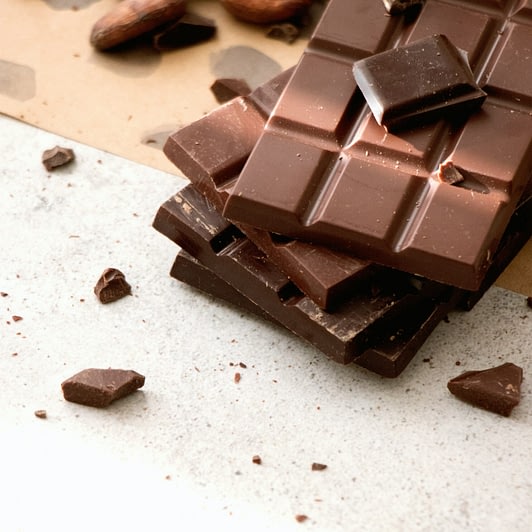
- Pick craft chocolate (or cocoa) over cheap, sugar – and additive-laden confectionery. Unfinished bars of dark craft chocolate work wonderfully – even if they’ve gone out of temper or passed their best-before date.
- Be generous – don’t skimp. Richness is key.
- Start with a paste (see below) – this is how many speciality cafés like Prufrock, Nkora, Harveys, Duffins make it (and yes we do sell craft chocolate to these, and many more speciality coffee stores).
- Add hot – but not boiling – milk, water, or alternative ‘mylks’.
- Whisk or foam thoroughly. Texture and aeration boost both aroma and flavour.
- Sip, savour, and enjoy – ideally with friends, partners, family and colleagues.
How to make the perfect drinking chocolate
What You’ll Need
Just a few minutes (about the time to brew tea or make an Aeropress), and a few basic tools:
- Craft chocolate (powder, flakes, buttons, or even a bar)
- A mug or jug to make the paste
- A source of hot water (or milk/plant mylk), so a kettle, pan, milk frother, microwave, etc.
- A whisk, stirrer, or foamer (or nano-foamer)
- A second mug or cup to enjoy your drink
Method: Classic Hot Chocolate
- Measure 25–35g of chocolate, and separately prepare 100–150ml of your preferred liquid. You don’t have to be exact—but don’t be stingy.
- In a small jug or cup, add a little hot (not boiling) water to the chocolate and stir to create a paste. This should take 30–60 seconds.
- Heat the rest of the milk/water, but don’t boil.
- Add the warmed liquid to the paste and then mix, whisk, stir or nano-foam until blended, silky and aerated.
- Pour into your cup and enjoy.
Iced Version: Let it cool slightly, pour over ice, and blend.
Optional: Add sea salt, cinnamon, a touch of vanilla or other flavourings (see below)
Note: if you come to one of our to be launched in person classes we’ll also show how to make a “classic” mexican chocolate (and also chat about ceremonial cacao – see here for some thoughts) Sign up here for more information.
Savouring tips
Drinking chocolate should be savoured just like a bar. Use all your senses:
- Sight: Like the fine bubbles of Champagne or crema on an expresso, chocolate foam is a sign of richness. Watch the swirling clouds and foam.
- Sound: Just as you want to have a great snap with a chocolate bar, if you’ve foamed the chocolate there may also be a gentle fizz of rising bubbles, so, yes raise your cup to your ear!
- Smell: The warmth releases a cascade of aromas. Let it cool slightly and appreciate how they evolve.
- Touch: Let the drink linger in your mouth—don’t gulp. Feel the texture shift as it warms and cools.
Final tips
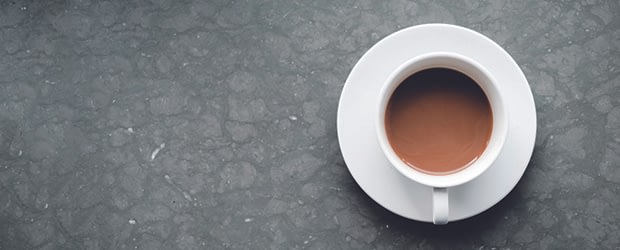
Skip disposable cups – save the planet, improve the experience and capture more flavour. Instead, explore the modern descendants of the 17th-century Mancerina and Trembleuse – cups, and saucers, designed for drinking chocolate. Even a good mug and saucer will elevate the moment. (for more on the history of the cup and saucer, see here). Note, unlike coffee, tea, wine or spirits no one has (recently) tried to craft any specially designed vehicles for drinking chocolate. But hopefully this will change – and in the interim, do try different cups and glasses as they do make a MASSIVE difference.
When to drink
Whenever you like: at breakfast (post-swim, like me!), mid-morning, afternoon, or before bed. If you’re a sensitive sleeper, maybe avoid late-night hot chocolate and in particular avoid super sweet/sugary concoctions as this will keep you up too.
Is Drinking Chocolate Psychoactive or an Aphrodisiac?
Not exactly. No pheromones or psychoactives have been identified. However, chocolate does contain stimulants including theobromine and caffeine. And these can be mood-enhancing, but they don’t qualify as “psychedelic”. Arguabaly the benefits come more about the ritual and relaxation. It’s about creating the right atmosphere, being mindful as you savour and entering a flow.
What about Ceremonial Cacao?
See above .. whilst there isn’t any evidence of psychoactive substances being present in cacao (and yes, the same applies for all those bags, buttons and powders sold under this naming), clearly a cup of well made drinking chocolate has all sorts of psychological benefits. And that’s why we sell Pablo’s Cacao, and love doing “ceremonies” with him (see here)
What about RAW Cacao?
Sorry, but RAW cacao is just marketing flim-flam. All the stuff about being higher in ORACs (whatever they are) is just guff. For more on the nonsense that is RAW see here. But don’t let that put you off Conexions “virgin” roasts, or Raaka’s unroasted bars.
What Percentage Should I Choose?
Higher percentages (70%+) showcase the bean. Skip sugary mixes with additives. Let the farmer and maker speak. If you don’t know who crafted or where the beans come from (and down to the farm/ co-operative, not “part of the world”) think again.
Can I Add Extras?
Of course. Add vanilla, cinnamon, chili, honey and foam like crazy—just as the Aztecs did. Or try modern innovations like matcha, caramel, orange, etc. But also try it pure: the right beans reveal waves of flavour on their own.
Next steps
We’ve curated some great drinking chocolates and kits to get you started—plus a course if you want to dive deeper.
We’re also going to be launching some in person events to showcase, and discuss this more. To be first in the queue, please register here.
And if when you next go to your favourite speciality coffee store you can encourage them to upgrade their drinking chocolate to the same level as their coffee, we’d be most grateful.