Why do we gift chocolate at Christmas?
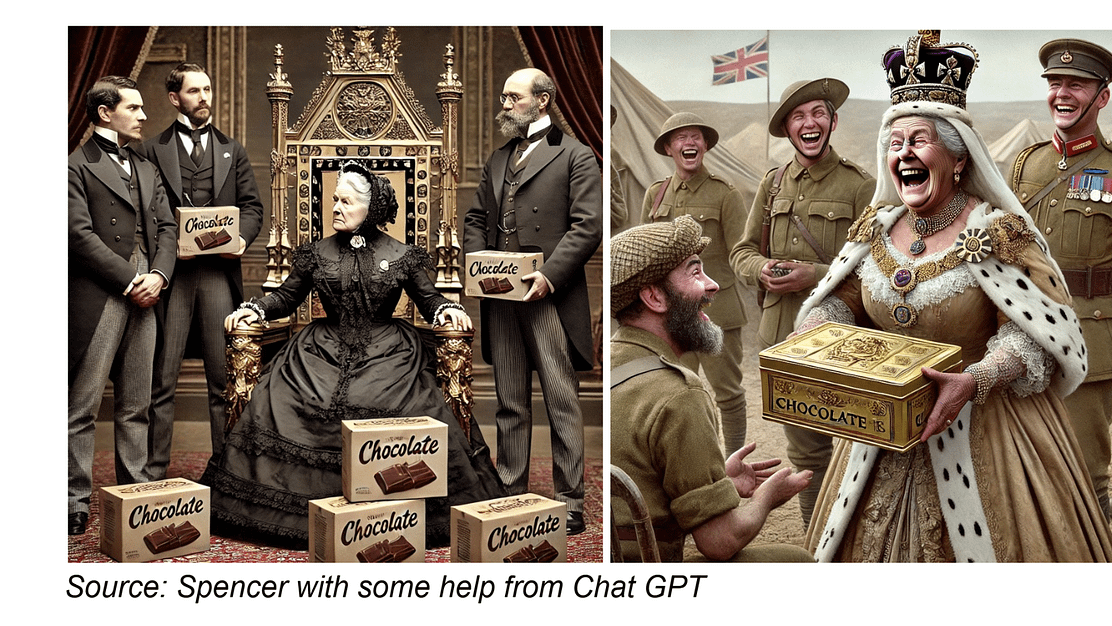
Over 60% of Americans will consider gifting chocolate this year, rising to over 70% among millennials – and we really don’t understand the 30–40% who don’t. (Note: this statistic comes from “Big Chocolate” and may involve some wishful thinking; see the blog for more details.) In the world of craft chocolate, we’d indulge in some “wishful thinking” ourselves and encourage far more gifting of craft chocolate. (And please don’t be tempted by those “once-in-a-lifetime” special deals on mass-produced confectionery during Cyber Monday – they’re not really a saving! Also, when you click on the links to this “research,” be aware they’re full of these sorts of offers.)
But it’s also worth reflecting on why we give chocolate so much during the holiday season. After all, despite the wonderful Chocolarder bar containing all three ingredients, the Three Kings brought gifts of gold, frankincense, and myrrh – not chocolate or chocolate coins. In fact, no one on this side of the Atlantic would encounter chocolate for another millennium and a half. And even then, it was mostly consumed as a drink.
So, what is it about chocolate that makes it such a perfect gift? One reason is that (almost) everyone loves chocolate – making it a universal gift. Plus, it’s great for long, cold winter nights. (And don’t forget, we offer some amazing drinking chocolate: see here.) It also transcends age, price point, gender, and culture.
It’s also partly down to amazing marketing. For example, see this post on how we were all convinced that Santa Claus must give chocolate coins.
Arguably, though, the real marketing push was an accident that almost didn’t happen. In 1900, Queen Victoria instructed over 200,000 boxes of chocolates to be sent to British and Imperial soldiers fighting in the Boer War. Initially, the Quaker British chocolate makers, who were all ardent pacifists, resisted this “request.” However, Queen Victoria was “not amused” and encouraged them to pull their socks up and deliver the chocolate boxes. (Note: chocolate has many other links to the armed services. Next year, we’ll write a blog post exploring the role of the British Navy in the 19th century in promoting chocolate, how the US Army internationalized mass-market confectionery during WWI, WWII, and the Gulf War, and why George Bernard Shaw wrote about soldiers armed with “chocolate bullets.” But for now, let’s thank Queen Victoria for kicking off a great tradition. If you’d like to see a picture of one of these boxes, here’s an unopened gift box from 2021, discovered in the attic of Oxburgh Hall in Norfolk, a National Trust house, in remarkable condition – see here.)
With this Royal seal of approval (and this was WAY before Royal Warrants), chocolate became an affordable way to show anyone – not just soldiers – that they were in thoughts. And these chocolate boxes were also great to share, with the tins themselves becoming great mementoes.
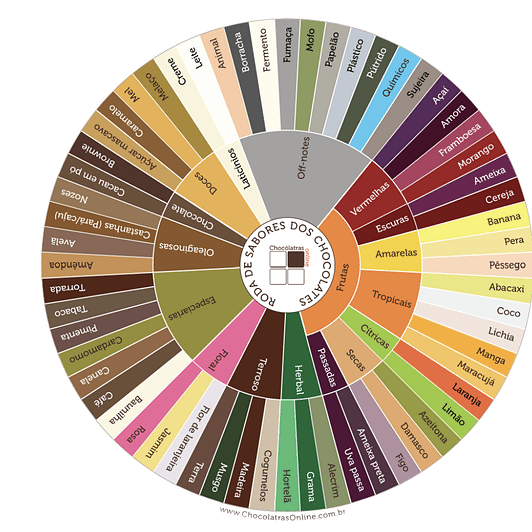
Sharing is fundamental to savoring craft chocolate. When you share a craft chocolate bar and your partner describes the flavors they’re enjoying, it helps everyone else identify notes they might otherwise miss (and our tasting wave can help here too). Plus, savoring is further enhanced when you have a couple of bars to compare and contrast. And the best part? EVERYONE can share what they’re tasting. So, sharing craft chocolate is a great conversation starter – and do use our tasting notes to find out more about the farmers and makers behind the bars.
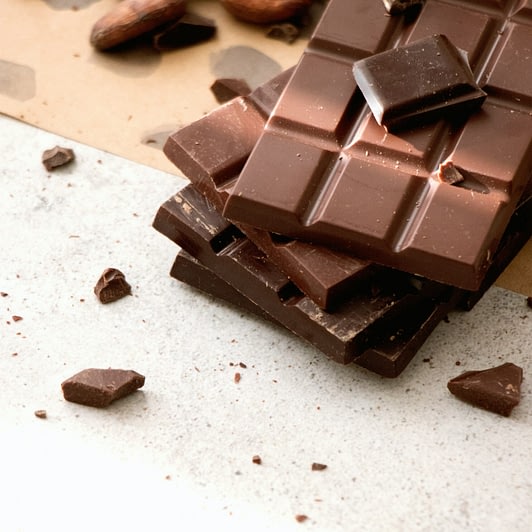
To make sharing even easier, we’ve created “Craft Chocolate Boards” modeled on cheese boards – a wonderful way to break and share bars. Plus our hampers make excellent storage boxes for your next set of craft chocolate bars (that’s why subscribers receive one with their first box).
So, this holiday season, please gift, share, and savor craft chocolate.