A tax that we DO want!
We can all think of those treats that are “naughty but nice”; like ice cream,...
Print / PDFContents
We can all think of those treats that are “naughty but nice”; like ice cream,...
Print / PDFWe can all think of those treats that are “naughty but nice”; like ice cream, crisps, fizzy drinks, and, of course, chocolate.
We can also all think of a few times when we’ve been told “don’t eat this”, “don’t eat that”.
But there comes a point when we might want to ask a few questions about WHY we shouldn’t eat those treats that are “naughty but nice”… And why we should tax the sugar in them.
Apologies for the length today, but it’s a complex topic. What follows are some criticisms of the (ab)use of sugar in mass produced, ultra processed chocolate, and of the UK Government’s plans to roll back measures to discourage promotion of products “high in fats, sugars and salts” (HFSS for short). Cutting taxes on sugar is a false economy: This is a tax we NEED.
And also please see below and HERE for some new bars from Marou that are GREAT for snacking, and some other craft chocolate bars that are transparent about their sugar.
Let’s start with a couple of questions:
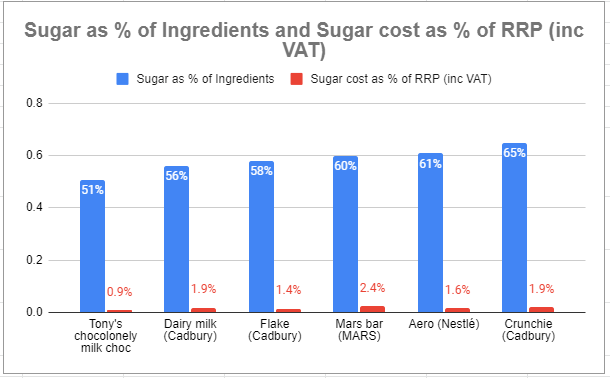
What proportion does sugar make up of the following products: Mars Bar, Tony’s Chocolonely Milk Chocolate, Dairy Milk, Flake, Aero, and Crunchie?
- Over 20%
- Over 30%
- Over 40%
- Over 50%
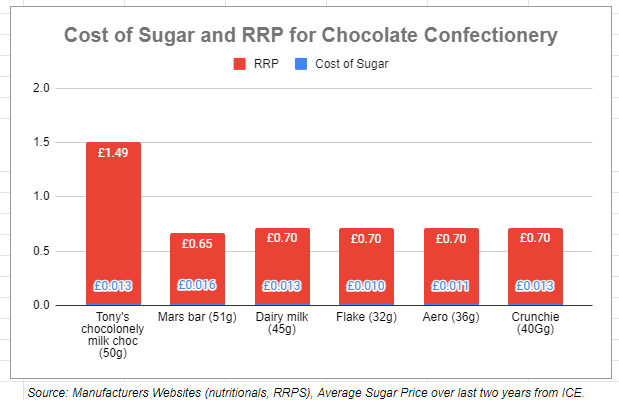
What proportion of the retail price, does sugar make up of each of these products?
- Over 10% of the RRP
- Between 5% and 10% of the RRP
- Between 3% and 5% of the RRP
- Under 3% of the RRP
If you chose option 4 for both questions; well done!
For many mass produced, ultra processed chocolate ‘snacks’ the primary ingredient (comprising over 50% in many cases) is sugar. And the cost of this sugar is pennies.
The History of Sugar (Ab)Uses
For most of history, until about 200 years ago, sugar was rarely added to our food. Historically, it was expensive and rare. And when it was added, it was added for a combination of medicinal reasons, ‘showing off’, and (as with craft chocolate) to enhance flavour.
Sugar is a relatively recent addition to our diet here in the UK. Chaucer barely mentions sugar, but by the time of Shakespeare it’s starting to make more frequent appearances and Elizabeth I was infamous for her black teeth; blamed on her sweet tooth. A century after Shakespeare, Britons were still consuming less than 2kg per capita per annum, and even though by 1800 this had grown to over 8kg pca, it was still a relative rarity and not ‘mass market’.
However, new sugar farming practices (aka slavery) led to cheap sugar, and it’s appearance on every table; added to tea, porridge, and jams by all classes. By 1900 Great Britian led the world in sugar consumption; hitting 40kg pca, with every house having sugar bowls at every meal. Since then, sugar bowls have become more of a quaint anachronism, and most of our sugar consumption is via foods and drinks that are designed around sugar. We now consume sugar as an additive and preservative in everything from snacks to bread, yogurts to energy drinks, and hamburgers to breakfast cereal. The UK now ranks 9th in sugar consumption per capita, where we each consume almost 100g of sugar per day; so around 35kgs pca.
Sugar’s ‘success’ is not just because we like ‘sweet stuff’. Sugar is also an amazing preservative and stabiliser (that’s why often 5-7 teaspoons can be in a single low fat yoghurt). It’s also now cheap to create, and sugar farming also receives huge government subsidies. It’s a cornerstone of what food scientists call “the bliss point”; that combination of sugar, salt, and fat which lies behind the ultra processed food nightmare of ’empty calories. And in the last few decades, sugar has also been lauded as a “green” alternative to fossil fuels in cars (although the jury is clearly still out on this).
A Wake Up Call
Over the last few decades, sugar has increasingly been vilified as a cause of bulging waistlines, skyrocketing rates of diabetes, dental decay, childhood attention disorders, acne, depression, and a host of other ailments.
And governments in Latin America, the UK, the EU, and parts of the US (e.g., New York) have grown more and more concerned.
Various so-called “sugar taxes” have been introduced to curb sales and encourage ‘reformulation’. In parallel, steps have been taken to restrict the more egregious sales and marketing initiatives of products that contain excessive amounts of sugar, especially fizzy drinks aimed at children.
For example, the UK successfully banned the use of vending machines that sold fizzy drinks and soda in schools in the early 2000s.
Then, in 2016, the UK announced that from 2018 the introduction of the Soft Drinks Industry Levy (known as SDIL) “reduce childhood obesity by removing added sugar from soft drinks”. This sugar levy introduced newed taxes that applied to sugary drinks with more than 5g and 8g per 100ml (to put this in plain English; a ‘normal’ cup of tea is 150ml, so you’d need to be putting in two or three full teaspoons of sugar to hit these two points).
The fizzy drinks makers tried to argue that this was a restriction of consumer choice, the thin edge of the wedge where a nanny state would control what we could eat etc. etc. And lots of reports were commissioned to show that jobs would be lost, companies bankrupted etc.
But the government persevered, and the sugar levy / SDIL has been spectacularly successful. A recent report from the LSE calculates that the SDIL “delivered a large, 6,500 calorie reduction per UK resident per annum”.
Even more impressively, this benefit started even before the tax was introduced, as makers reformulated their products. To quote from the LSE study “more than 80% of the overall levy-induced calorie reductions were due to reformulation”. The fizzy drinks that weren’t reformulated experienced a decline in overall sales, but these declines were in ‘large format’ or ‘take home’ bottles. ‘On the go’ purchases of these drinks continued to grow DESPITE the increase in prices of these unreformed products.
The Follow Up
Following the success of the sugar levy, the UK Government passed new legislation further targeting the sales of products high in fats, salts, or sugars (so called “HFSS products”).
On the one hand this legislation is quite complex in terms of how it’s calculated, and to whom it applies. For example, as we at Cocoa Runners just sell chocolate, we are exempt from its restrictions on our website. However, because the regulations will apply to many of the other places where we wholesale our makers’ bars, we’ve had to work hard to figure out the various HFSS scores.
On the other hand, it’s VERY clear what the HFSS law is trying to do: It’s trying to stop devastatingly powerful impulse promotions and sales. To quote the Government’s own website, it’s targeting the likes of “buy one get one free” offers for sugary snacks, and the placement of HFSS products in the checkout aisle.
Until recently, this legislation was set to become law, despite the wails of complaints from ultra processed snack and confectionery companies, and various legal challenges (breakfast cereal companies tried to argue that as their product was consumed with milk they should be exempt, even though sugar is very often their primary ingredient!).
Now it looks like HFSS may well be scrapped, sacrificed on the altar as part of the new UK Government’s desire to do more “tax cutting” and “business simplification”.
A Mis-Step?
Rolling back the sugar levies (like the SDIL) and more recent proposals against impulse sales (like the HFSS) seems like a backward step.
The (ab)use of sugar in mass market confectionery is not good for consumers and not good for the nation’s coffers.
Sugar may well help make ultra processed snacks and confectionery cheaper. It’s clearly a LOT cheaper than chocolate (sugar is roughly a quarter of the price of commodity cocoa, and often less than 10% of the cost of the cocoa beans used in craft chocolate).
But adding sugar is penny wise, pound foolish. Sugar based snacks are a false economy for the consumer and for the taxpayer.
Adding lots of sugar to mass produced chocolate bars and snacks (and fizzy drinks, breakfast cereals, etc.) encourages scoffing. Sugar is addictive, especially when combined with salt and fat (the so called “bliss point”). Sugar isn’t nutritious. Excessive sugar in any product is a warning sign of so-called “empty calories”. It’s cheap but really bad value.
Consuming products laced with sugar leads to all sorts of other ‘costs’; both financial and physical. For example, it’s pretty rare these days to find a dentist who disputes that consumption of sugar drinks and foods is dreadful for your teeth, and leads to all sorts of costs down the line. Simiarly, it’s hard to find many doctors or nutritionists who don’t beleive that sugar has a major role in the current obesity epidemic we are facing, and the attendant health costs. (Note: This is not to say that sugar is the only, or even that it may be the primary cause here; but it’s increasingly hard to believe that it’s not a MAJOR part of the problem).
If there is to be any rethinking here, shouldn’t the success of the simple sugar levy (the SDIL) approach teach us some lessons? Why not introduce more simple sugar taxes across more than drinks, modelled on the way that alcohol is taxed (i.e. with different bands depending on how much sugar is in the product)? These are easy to apply. They are easy to monitor. We’ve already seen that they work in getting companies to slash the amount of sugar they (ab)use.
The worst that can happen is more taxes (ideally that are paid directly to the NHS or more childhood obesity programmes) and/or that less sugar is added to mass produced, ultra processed foods, and/or consumers buy less of these excessively sugar laden products.
A Final Argument Against Sugar
To date most of the arguments for sugar taxes, levies etc. have been based on preventing obesity, health problems etc., especially amongst children who aren’t aware of the sophisticated marketing that is being aimed at them.
But it’s also worth remembering that sugar has an appalling human rights record and an equally devastating environmental impact. Like ‘big chocolate’, ‘big sugar’ too has a record of using child and indentured/slave labour. Workers are paid far, far less than they need to live on, and work in appalling conditions.
The way sugar is farmed can have devastating environmental costs (this is true for both sugar beet and sugar cane). Similarly, much of the corn being grown to be ultra processed into sugars, like high fructose corn syrup, are also disastrous for the planet.
Back to Chocolate
Since the 1990s, when the BBC “exposed” the use of child slave labour on cocoa farms, the appalling conditions of workers, including children, in growing and harvesting West African cocoa has received more and more attention. Although Harkin Engel sadly never passed, pressure has continued. Journalists like Channel 4’s Dispatches and activists like Ayn Riggs and Miki Mistrati, continue to keep up the pressure.
Craft chocolate’s vision is to create bars that don’t just taste better and are better for you, but also to work with farmers so that they are appropriately compensated, and that they look after the environment.
Mass produced chocolate is also starting to get the message. In particular, Tony’s from the Netherlands have done a bang up job raising the issue of child labour, making it a key part of their sales pitch. But given that in almost all of Tony’s bars the primary ingredient, often over 50% of the total weight of the bar, is sugar (not cocoa) their approach to this sugar seems odd and nonchalant. To quote their website “sugar happens to be an inconvenient ingredient”, and they then have a detailed PowerPoint explaining why sugar is in chocolate, and that this isn’t “ideal”. To be fair, they do come out in favour of a sugar tax too. But given their main marketing thrust is a campaign against child and slave labour, shouldn’t the condition of sugar workers, who supply the major ingredients in most of their bars, deserve a little more attention and transparency?
Transparency Going Forward
Craft chocolate makers often use sugar. Indeed for almost all dark and dark milk chocolate bars, sugar is the second largest ingredient by volume.
But craft chocolate makers add sugar to bring out the flavour of their beans (and reduce its astringency). Sugar is not abused as part of the “bliss point” tool to make you scoff. Indeed craft chocolate makers don’t want you to scoff their bars even though this probably would help their sales! They want you to savour and appreciate all the flavour nuances of their cocoa beans and bars.
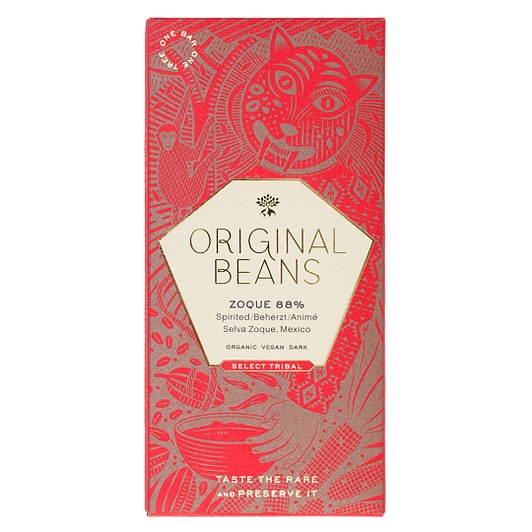
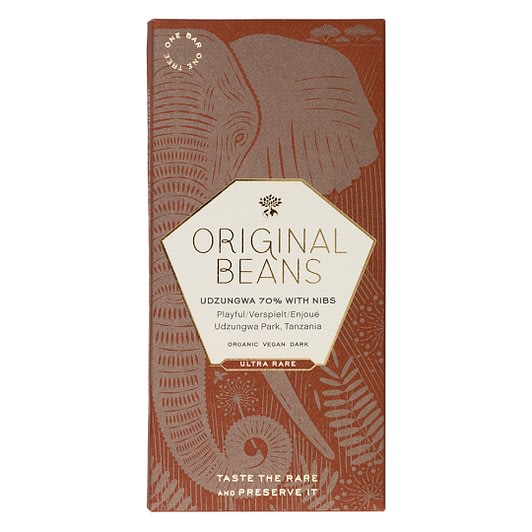
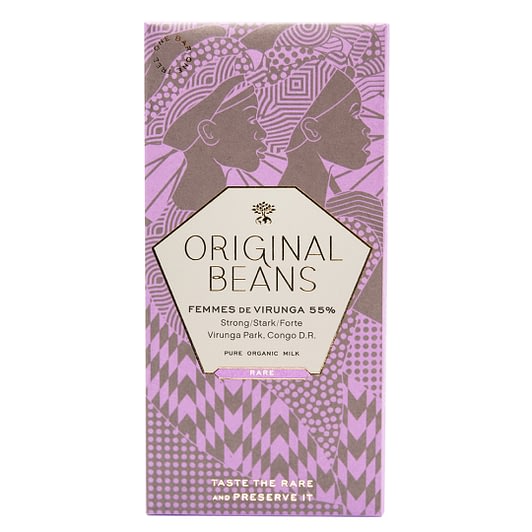
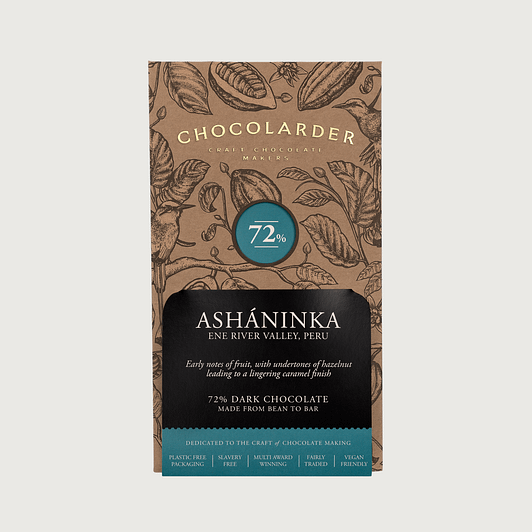
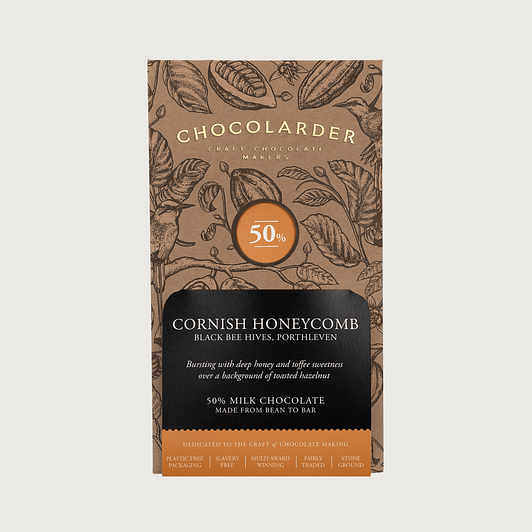
And craft chocolate makers are very aware of the social and environmental horrors involved in mass refined sugar. For more on this, please see the excellent blog posts by Zotter, Chocolarder, and Original Beans, to name just a few. And try some of their bars below.
As part of our effort to encourage transparency, we are also about to start listing not just where the beans from where all the bars we sell are grown, but also the origin of the sugars being used by our makers. Watch this space!
And write to your MP (or congressperson etc.): Ask them to raise the tax on sugar in ultraprocessed foods and drinks. It’ll save all of us money, our waistlines and our planet.
As ever, thanks for your support.
Spencer
Further Reading:
https://www.zotter.at/blog/die-suesse-revolution-oder-wie-traeume-wahr-werden
https://blogs.lse.ac.uk/politicsandpolicy/soft-drinks-levy/
https://www.vice.com/en/article/53jj7z/how-a-gin-craze-nearly-destroyed-18th-century-london
https://www.ragus.co.uk/how-has-brexit-impacted-the-uk-sugar-industry/
https://foodresearch.org.uk/foodthinkers/sugar-politics-ben-richardson/
https://foodresearch.org.uk/publications/sugar-brexit-supply-side/
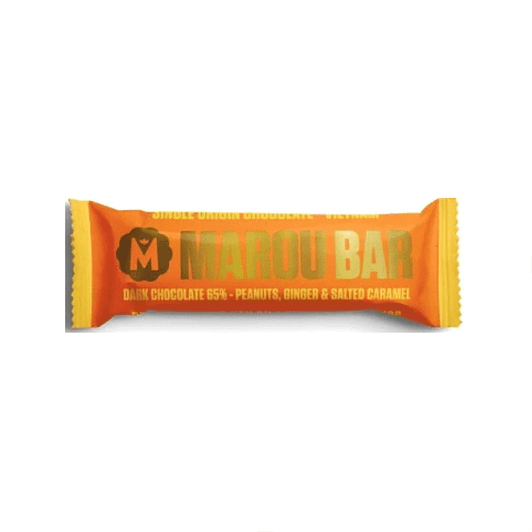
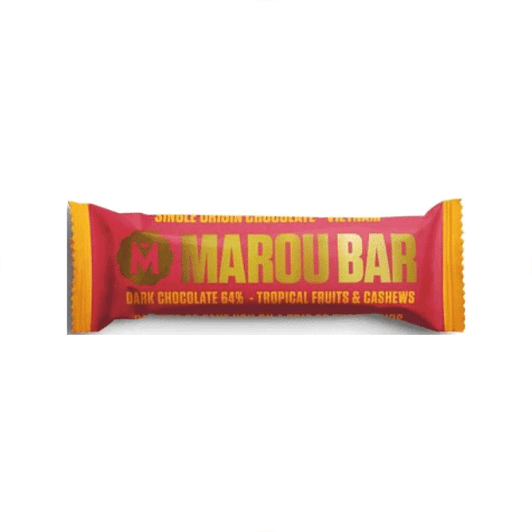
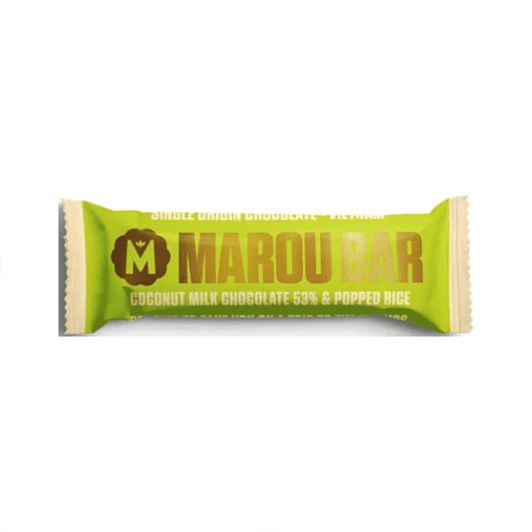
-
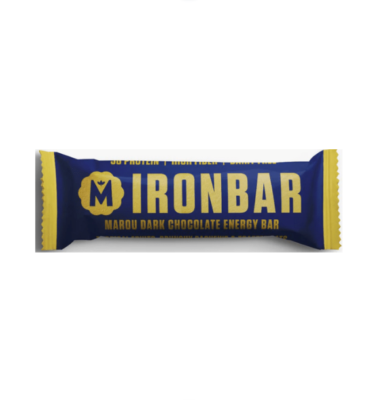
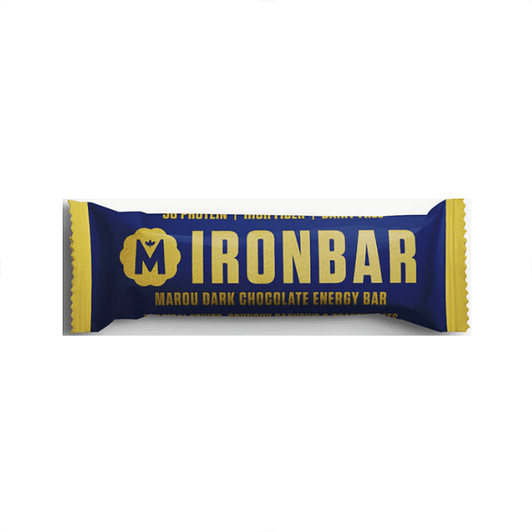
 Marou – Tropical Fruits, Crunchy Cashews & Toasted Oats, Dark 65% (Snack Bar)£3.95
 -
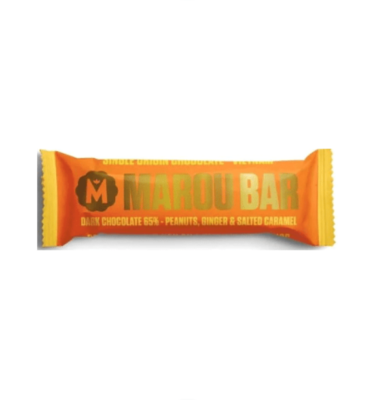
Marou – Peanuts, Ginger & Salted Caramel, Dark Chocolate 65% (Snack Bar)£3.95
-
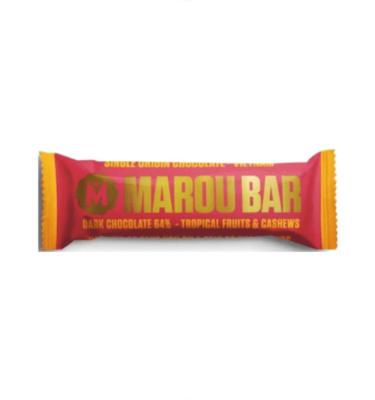
Marou – Tropical Fruits & Cashews, Dark Chocolate 64% (Snack Bar)£3.95
-
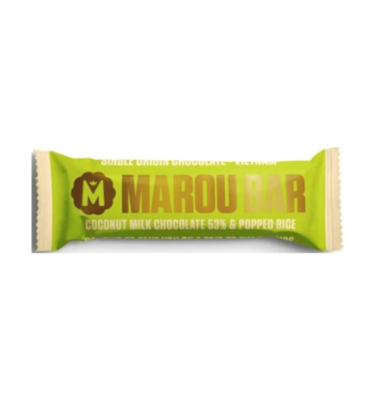
Marou – Popped Rice, Coconut Milk Chocolate 53% (Snack Bar)£3.95