Chocoa 2024: Everything you need to know
We've been at the biggest event in the chocolate calendar - here's everything you need to know.
Print / PDFOur small team don’t get to see each other much in person, with Nick based up in Montrose in Scotland, but last week we all got together for one of the biggest events in the chocolate calendar – Chocoa.
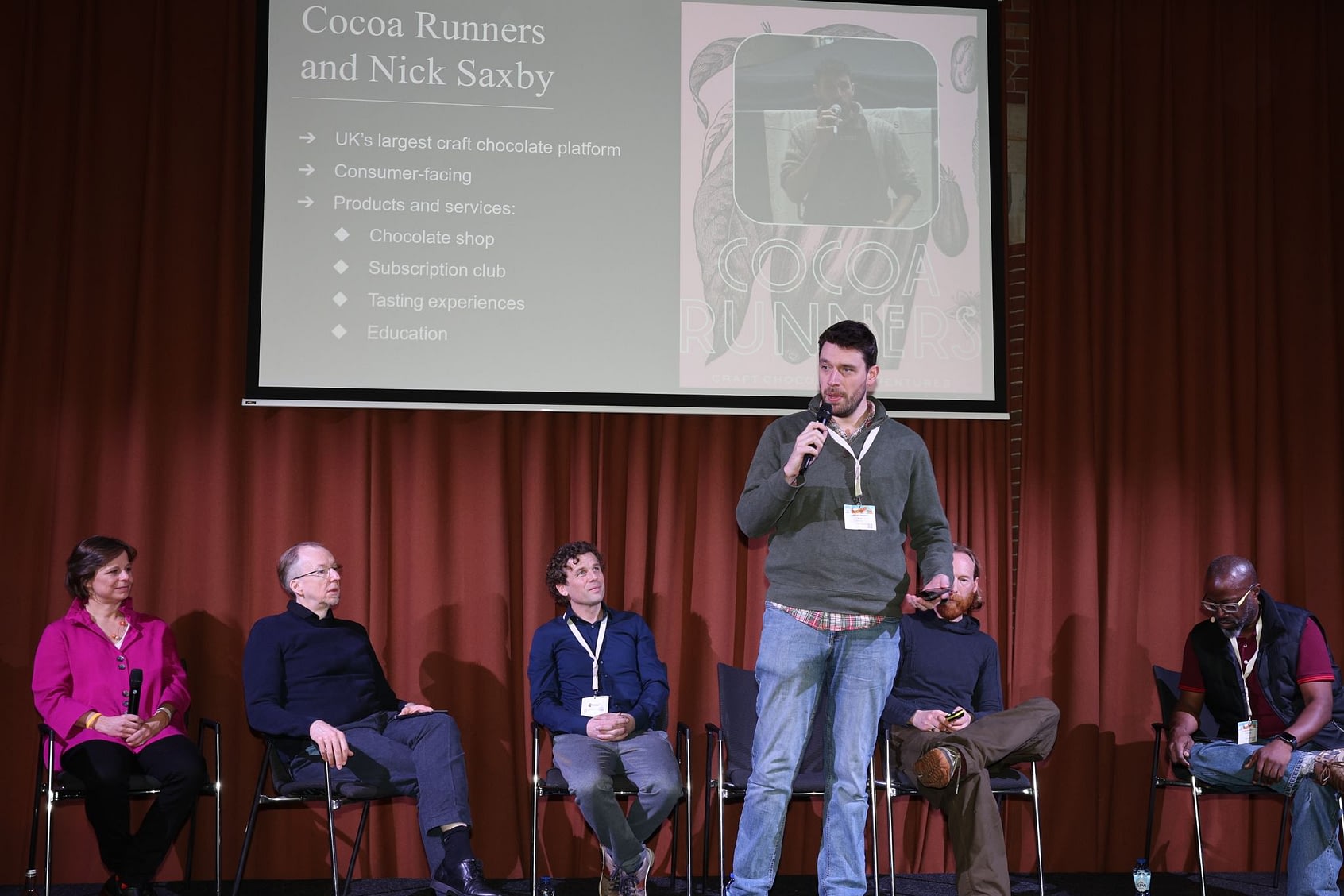
We spent five energising days giving talks, hearing others speak, meeting with makers and growers and, of course, discovering lots of new chocolate which we’ll be bringing to you over the coming months. So grab a cup of tea (or some delicious drinking chocolate) and read on to find out all the latest updates and stories Nick and I want to share from the world of chocolate.
Spencer’s reflections
Holland, and Amsterdam in particular, has a rich history in the world of chocolate. The Dutch have a wonderful custom of “chocolate twinkles” on toast for their breakfast (see here for their links to sprinkles, hailstorm, and mouse droppings). Amsterdam was the home of the Van Houten family who invented both alkalinisation and the cocoa press, revolutionising cocoa powder (for more on how the hydraulic press was really invented – hint: it was by a Brit – and why alkalinisation poses more than a few challenges, see here). And to continue on controversial contributions to chocolate, Amsterdam is also the home of Teun van de Keuken, the journalist who founded Tony’s Chocolonely, who have done a great job in raising awareness of the horrors of child slave labour endemic in cocoa but whose own supply chains for both sugar (the primary ingredient in most of their bars) and cocoa could do with some serious upgrading (see here for our perspective).
And Amsterdam is also the home of Chocoa, a great chance to meet makers and growers from all over the world. Craft chocolate is all about savouring great bars and also unwrapping the stories behind the bars and beans. So it was great to meet many new makers and farmers, and also fun to hear a few of their personal stories. We learnt:
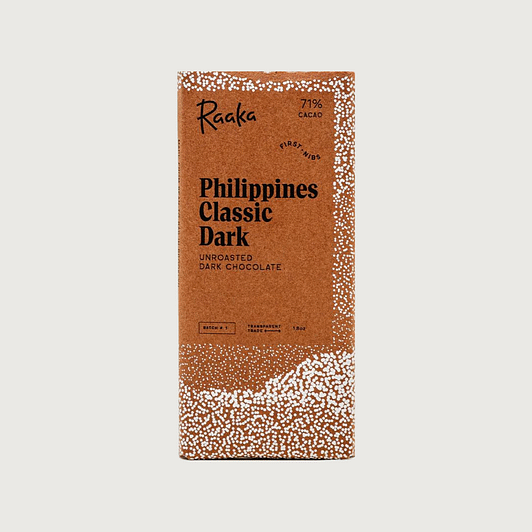
- How Nate, founder of Raaka, nearly burnt his house down when he first tried to roast some cocoa beans at home, which led to him swearing never to roast another bean, thereby casting Raaka on the path of crafting “virgin” (ie unroasted) cocoa beans, and building a whole movement for virgin (note NOT raw) chocolate. Nate’s passion for wine (he’s recently passed the notoriously tough WSET level 3), has led to Raaka launching a series of programmes to entertain and educate consumers in the delights of craft chocolate’s unparalleled complexity of textures and flavours.
- How every time Hasnaa Ferriera faced a new doubt or challenge, from Covid to sexist scepticism of her talents, she and Vincent (her cofounder and partner) would find a new solution – from personally driving deliveries in Covid, to proving the naysayers wrong by winning chocolate maker of the year and then opening more stores and experiences. Or as they like to say “When life gives you raw beans, make chocolate” (yes, Vincent was in advertising for nearly 20 years before Hasnaa…)
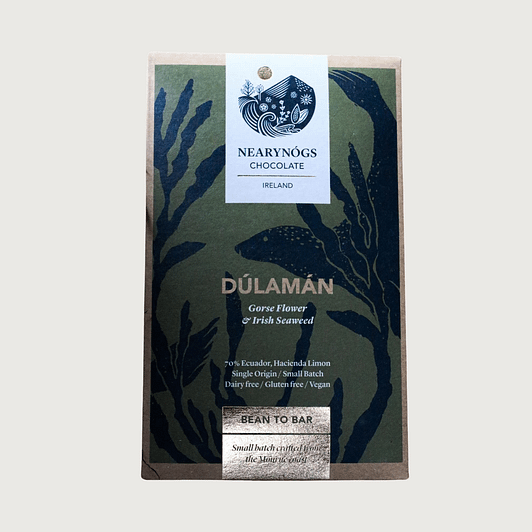
- Why Dot and Shane of NearyNogs refer to their factory as the “potato shed” (yes it really was one once), and how Dot built the business by tweaking her mother’s chocolate fudge cake recipe, searching for a hair net that would stop the shell from winnowed beans getting into her hair – and how the whole family (and neighbourhood) have got behind their passion
- Why Knoops founder Jens called his drinking chocolate Knoops (yes, it’s his name … but Knoops also means “buttons” in German and that’s what he uses to make all his drinking chocolate from), and also how appreciating drinking chocolate is so very different from savouring bars.
You’ve read the stories, now taste the bars
Nick’s postcard from Amsterdam
Chocoa is such a big event in the chocolate world, that it’s difficult to try and summarise the whole thing in a few lines. And this year, it ran parallel with the World Cocoa Foundation partnership meeting as part of Amsterdam Cocoa Week.
So although it’s all a bit ‘inside baseball’, it’s worth sharing some of our experiences and insights; some of the most influential people in chocolate were having some of the most important conversations, all under the same roof.
There was plenty to be fascinated and excited about.
For me, these events are great for discovering new things and for challenging ideas. My two biggest takeaways this year were about cocoa origins and cocoa pulp.
I’ve long been familiar with Angola, a Portuguese-speaking country in southern Africa; I used to work with a chimpanzee that was rescued from an abusive nightclub in Luanda, the capital city … no further explanation necessary I’m sure!
Although Angola sits squarely within ‘the cacao belt’ (the tropical range, each side of the equator, where conditions are apt for cacao farming), it had never really crossed my mind that cacao might actually be growing there.
Well it turns out it is, and I was really intrigued to hear the story of an Angolan bean-to-bar maker who was exhibiting at Chocoa this year. I learned about the work they’re doing to develop the infrastructure for transporting and fermenting cacao in rural Angola, and how farmers are being encouraged to improve their practices as they move towards fine-flavour cocoa. There’s a way to go yet, but I’ll be keenly following Angolan cacao’s story, and I’m looking forward to trying bars crafted from it in future. In the meantime, I treated myself to some Angolan tropical fruits, dipped in Angolan chocolate; sweet treats which didn’t last very long!
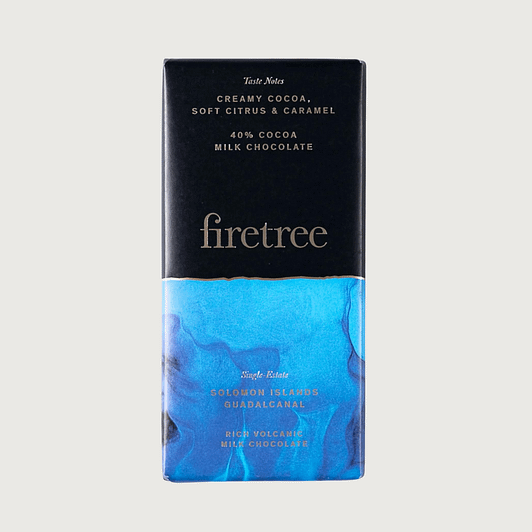
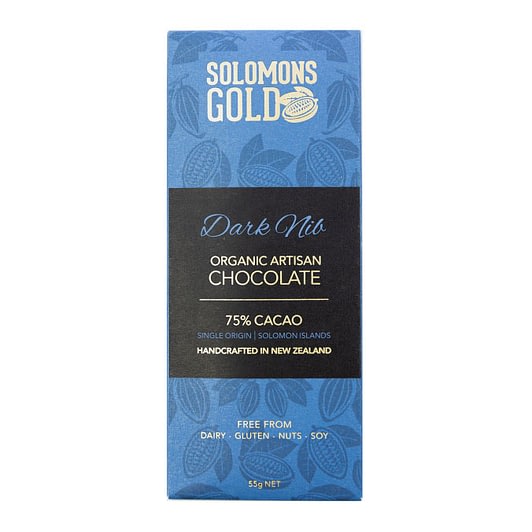
I also had the privilege of attending a special presentation, highlighting the cocoa of the Pacific Islands. Admittedly this is the region of the cocoa world that I’m least familar with, so it was very valuable for me to learn about the challenges that farmers face here, as well as discover the diversity of cocoa bean flavours that they produce. We were introduced to cacao farmers from Samoa and the Solomon Islands, and heard their stories; a standout moment was hearing how farmers waded across a waist-deep, crocodile-infested river to carry their cocoa beans to sale! It certainly puts into perspective why we should treasure craft chocolate, and honour the amazing people that make it possible.
If you’re familiar with the farm to bar journey, then you’ll know that the pulp inside a cocoa pod is a vital part of creating extraordinary flavours for craft chocolate; but this pulp has a life beyond the bar.
I’ve always been very interested in the potential diversity of cacao pulp uses; from making a sweet and refreshing juice to a flavoursome, exotic culinary ingredient. And this year, at Chocoa, I heard from a range of people and organisations who are pioneering the use of pulp for all sorts of things.
In some places, particularly where cacao is grown for the ‘bulk’ (or mass-produced) sector, pulp can be a waste product, but there are projects working to upcycle this into a venue stream for farmers, and at the same time create an array of interesting products like syrups and jelly-sweets.
I even had a little taste of a very interesting sugar-free Brazilian chocolate bar which was sweetened with cacao pulp, making it a 100% cacao bar, but with the sweetness of a lower-percentage dark chocolate. And as for the flavour… it was certainly a departure from what we might expect from a ‘normal’ dark chocolate, but it was richly flavoursome and I enjoyed it a lot. We have something similar in our library from Ecuadorian makers Awki – it’s well worth trying if you haven’t already (and they come in packs of chocolate ‘coins’, so they are great for sharing).
On reflection, if there was anything that slightly disappointed me, it was the missed opportunity for some dialogue between the ‘big chocolate’ industry, and our own craft/speciality sector. There was definitely a sense that the mass-producing industry giants (people like Mars and Nestlé) were keeping to themselves with their closed-door sessions and private panels.
I for one was looking forward to a bit of challenge and debate. I have no shortage of critical opinions about how ‘big chocolate’ operates, the exploitative systems they benefit from, and the impact they have on our planet. At the same time, I’m immensely proud of craft chocolate makers and speciality cacao producers, and the ethical, sustainable practices that make their work so special. It would have been interesting for these two ends of the chocolate spectrum to meet in the middle.
But I’m very grateful for having had the opportunity to meet some wonderful people, learn fascinating things, and get some inspiration. I’m already looking forward to the next Chocoa, and whatever surprises it brings!
Solomon Island beans and pulp-sweetened Ecuadorian coins
…and back to Spencer
We’re delighted to have found so many great new farmers and makers – and as Nick mentioned, there are some exciting new origins to explore and even more reasons to explore craft chocolate, and paying tribute to cocoa farmers braving crocodile infested waters and more.
If you are a subscriber, we’ve some really amazing treats in store in your upcoming monthly boxes. We’ll have you savouring beans not just grown in Jamaica but also crafted into chocolate there. And it’s not just Jamaica, more farmers and makers are coming out of India (and it was GREAT to see Soklet again, and we’ll have new bars from them soon); plus as Nick hinted, we’ll be launching new makers and bars from the Pacific Rim, the Dominican Republic, Costa Rica, Mexico, Brazil and more. It’s going to be a GREAT year for new makers and bars. If you’re not already part of the Cocoa Runners Club, now is a great time to become a subscriber.
So thank you Amsterdam and Chocoa!
– Spencer