What is Ceremonial Cacao (and why should you care)?
You might not YET have heard of ‘ceremonial cacao’. But you probably soon will, especially...
Print / PDFContents
You might not YET have heard of ‘ceremonial cacao’. But you probably soon will, especially...
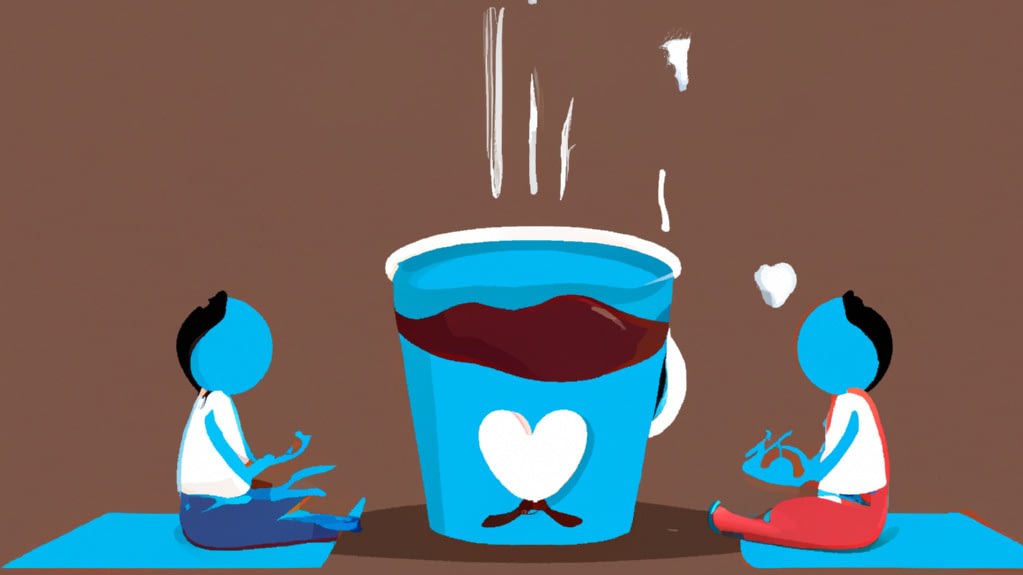
Print / PDFYou might not YET have heard of ‘ceremonial cacao’. But you probably soon will, especially if you are into yoga, meditation or mindfulness.
All over the world, yoga retreats, mindfulness centres and sober raves are incorporating ceremonial cacao into their activities. All sorts of benefits are being claimed and all sorts of new rituals being practised.
So where did this trend emerge from? What is a ‘cacao ceremony’ and what is ‘ceremonial cacao’?
As we’ve dug around in the history, habits, and claims of ceremonial cacao – we’ve been intrigued, amazed and bemused.
First and foremost, there is a lot to like and celebrate within this trend.
BUT there is also a lot to be sceptical about, and some important caveats.
So below, we’ve tried to untangle the origins of ceremonial cacao. And next week we will try to define ‘ceremonial cacao’ as a product, advise where you can find ‘the good stuff’, and avoid some of the more outrageous claims. Indeed, we’ll even recommend specific bars, powders, and buttons that you can use in your next cacao ceremony (or your next drinking chocolate to celebrate the end of your meditation or yoga session).
Old World Ceremonial Cacao
The civilisations destroyed by the conquistadors; including the Aztecs, Incas, Mayans, and their predecessors, the Olmecs; were extraordinary. The Mayan calendar dates back at least 2,000 years and is so accurate that their calendar correction is 10,000th of a day more exact than the standard calendar the world uses today. Despite not using the wheel, Inca runners could transport fresh fish from the seas hundreds of miles inland to their imperial courts within a day. The Mayans built extraordinary cities with ziggurats (think staggered pyramids with steps on the same scale as Egypt) that are being discovered to this day.
And all these civilizations made extensive use of cacao. Cacao was so treasured, and of such high value, that it was used as a unit of currency; indeed this is what Columbus mistook them for when he first came across these “almond shaped” beans on his fourth voyage. And cacao beans continued to be used as currency up until the early 19th century. All sorts of ceremonies, from weddings to giving birth, from ritual sacrifices through to moving house, involved cacao. And the Catholic Church co-opted cacao and drinking chocolate into many of its festivals and feasts.
Cacao was also clearly viewed as having all sorts of medicinal properties; everything from boosting sexual stamina to settling the stomach. Two of the key historical documents from the time after the Spanish conquest of Mexico, the Florentine Codex and (dated to 1590) and Badianus Manuscript (dated to 1552) contain numerous references to “customary uses” and ceremonies involving cacao to address illnesses as diverse as: “angina, constipation, dental problems (tartar removal), dysentery, dyspepsia/indigestion, fatigue, gout, the heart (overheated), haemorrhoids and lactation difficulties” (intriguingly cacao was NOT seen as a solution to the likes of “beriberi, pellagra, rickets or scurvy”).
However, the devastation by the conquistadors; the destruction of the Aztec and Inca aristocracies, the enslavement of the local peoples, the disasters of smallpox and all the other horrors; has made trying to piece together how cacao was venerated in rituals or prescribed as a medicine far from easy.
Small fragments of written documents have survived. And some indigenous tribes have managed to continue some of their ceremonies, rituals, and traditions.
But when you try to piece together all the different claims now made for ceremonial cacao, it’s reminiscent of the parable of the blind men each being allowed to touch one part of the elephant (the trunk, the leg, the tusk, the tail, etc.) and coming away with completely different impressions. It’s hard to pull together a clear picture and see that it’s an elephant. And in the case of ceremonial cacao, we are talking about LOTS of elephants; the ceremonies and rituals enjoyed in different geographies (e.g., Mexico versus Guatemala) were clearly very different. Different tribes even in the same geographies had very different traditions.
There are some ceremonies (for example the Japanese tea ceremony) where we’ve a centuries old tradition that is clearly documented and is still studiously followed today. We don’t have this with ceremonial cacao. We don’t have a full understanding of the different ceremonies and ways cacao was venerated by these civilisations. But we do have a bunch of intriguing customs that are now loosely grouped under the term ceremonial cacao.
Modern Day Ceremonial Cacao in Latin America
Just as the Aztec, Mayans, Olmecs, Incas, Kechi and other indigenous peoples celebrated cacao and drank chocolate in many ways, the same is true today. Their descendants still use, and venerate, cacao in many ceremonies for very different purposes across Central and South America, from Mexico to Guatemala, Colombia to Panama, etc. Anthropologists and historians regularly continue to document uses of cacao in ceremonies that vary from celebrating the birth of a child, marking the new year, venerating the rainforest and addressing a host of physical, psychological and metaphysical issues.
In the early 2000s, several intrepid travellers became intrigued by these traditions and ceremonies, in particular by those being celebrated by various Mayan peoples in Guatemala and Belize. Many of these cacao ceremonies are presided over by elders who have been continuing multi-generational ritual and traditions. These elders use cacao medicinally, and in ceremonies to help move people on from spiritual blockages to improve their physical and psychological well-being. In addition they hold ceremonies that venerate the key role cacao plays in preserving the rainforest.
Starting from the early 2000s, projects like the Mayan Wisdom Project and self-styled chocolate shamans like Keith Wilson have begun sharing these ceremonies, ideas and practices with global, non-indigenous audiences. Arguably the Mayan calendar played a key role here as 2012 marked the start of a fifth long term cycle where outsiders can be told more about Mayan customs.
Modern Day Ceremonial Cacao in The West
Studying, and preserving, these ceremonies is clearly to be lauded.
But the use of terms like “chocolate shamans”, “inner magic”, “cacao spirit”, has raised some eyebrows.
And anthropologists have criticized some of the ‘ceremonies’ held by these ‘shamans’ as being VERY far from removed from the current ceremonies practiced by the descendants of the Inca, Maya, Aztecs, etc. today, and from the practices at the time of the Spanish conquest.
Indeed some of cacao ceremonies are, to be blunt, quite “mad” (whatever you read, chocolate is NOT a natural psychedelic) and sometimes even “bad” (beware the unscrupulous sellers of ceremonial cacao who are vague about the source of their cacao). For more on this see next week’s blog entry.
But to continue the metaphors; we should be careful not to throw the baby out with the bathwater.
There is a lot about ceremonial cacao which is A GOOD THING. Drinking high quality chocolate at a sober rave, meditation circle, yoga retreat etc. has lots and lots of benefits, and I’ll talk more about these next week.
And ceremonial cacao often overlaps with craft chocolate in its sourcing, crafting, ethics and ambitions. For example; Pablo of Forever Cacao stresses the importance that ceremonial cacao “respect the plant, know the growers and thank them” … and you can use the occasion to “unwind physically and metaphysically to relax”. This makes a lot of sense; and we’ll cover more of this next week.
Conclusion (…for now)
Although we spend more on chocolate here in the UK than we do on books or music every year, very few people think much about the farmers growing the cacao, the health benefits, or the environmental impact of the chocolate we consume.
Craft chocolate wants to fix this with chocolate that tastes better, is better for you, better for the farmers and better for the planet. In many ways ceremonial cacao is after the same; albeit with more of a new age accent.
And anything that helps us take a moment to reflect, unwind and savour should be celebrated.
So, if you feel like unwinding on your own, relaxing with a friend or celebrating your yoga headstand can we suggest that you consider adding either drinking or savouring some craft chocolate into these ceremonies?
And please do join us next week for how to sort the wheat from the chaff, as we try to define ceremonial cacao and sort out “the good, the bad, and the slightly mad”.
As ever, thanks for your support!
Spencer
P.S. One more suggestion: If you want to honour the history of Mayan cacao why not try a bar crafted with Lachua beans? These beans were grown by the Q’eqchi’; a Mayan tribe whose ancestors were the first people we know who brought chocolate to Europe in 1544, and whose traditional ceremonies continue to venerate cacao’s environmental importance.
-
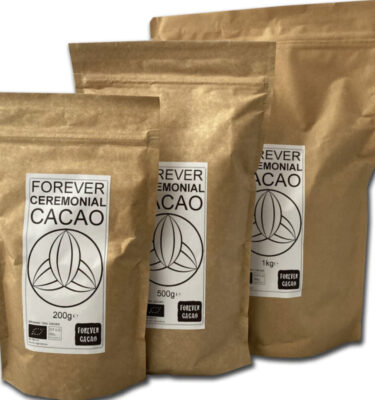
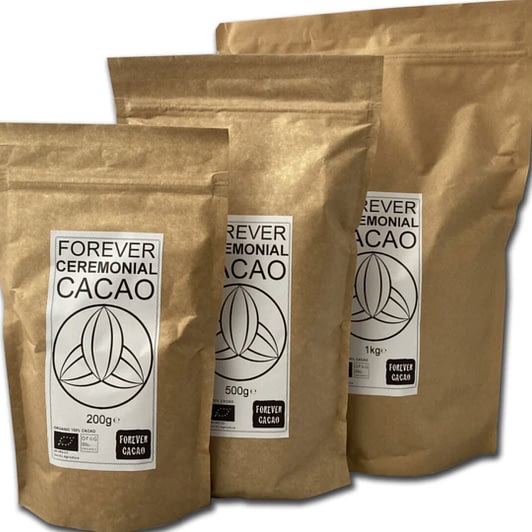
 Forever Cacao – Ashaninka, Peru 100% Ground Paste (Ceremonial Cacao, 200g)£21.95
 -
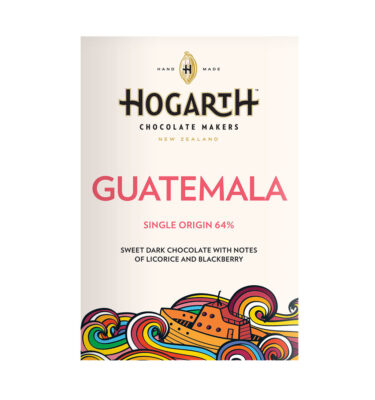
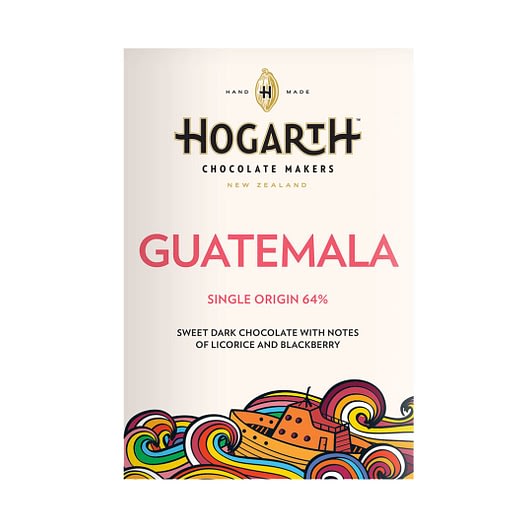
Hogarth – Lachua, Guatemala 64% Dark£9.95
-
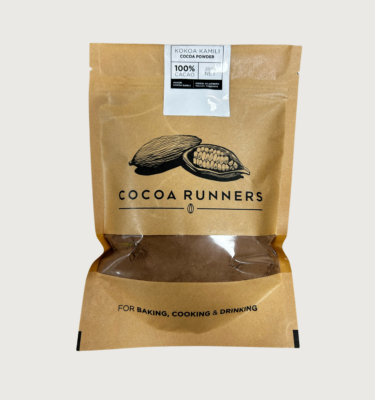
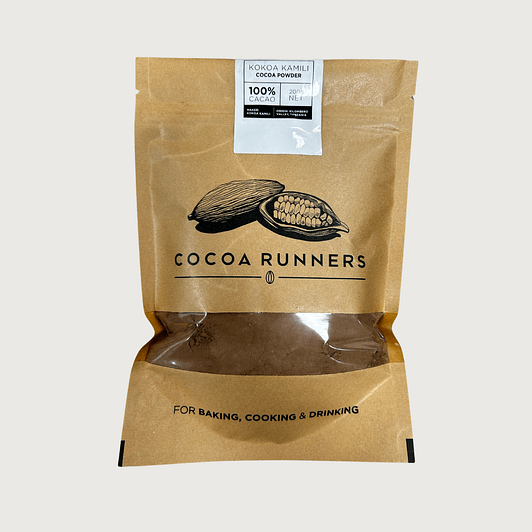
Cocoa Runners – Unsweetened Cocoa Powder, Drinking Chocolate 200g£12.95
-
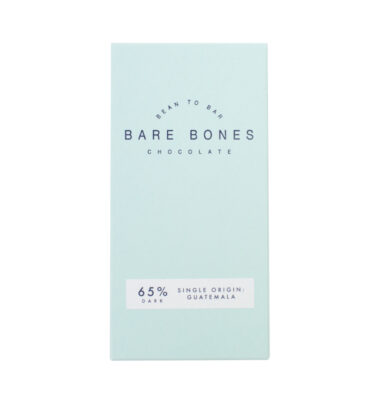
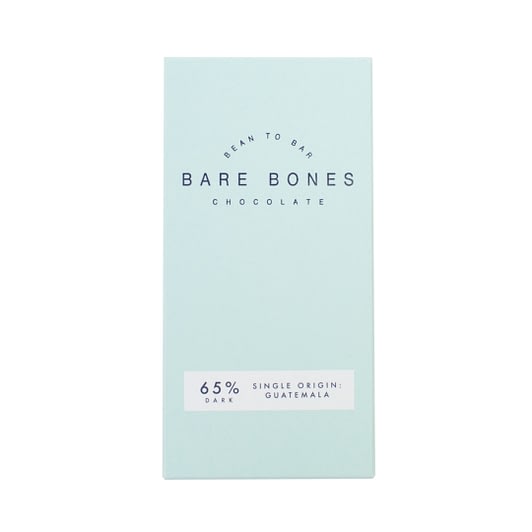
Bare Bones – Guatemala 65% Dark£7.95
-
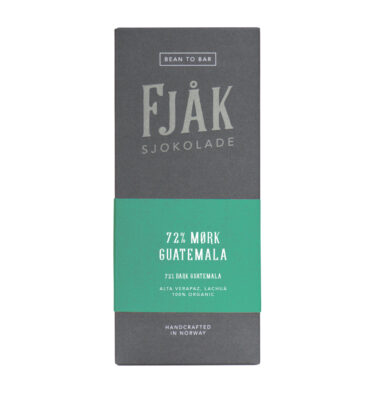
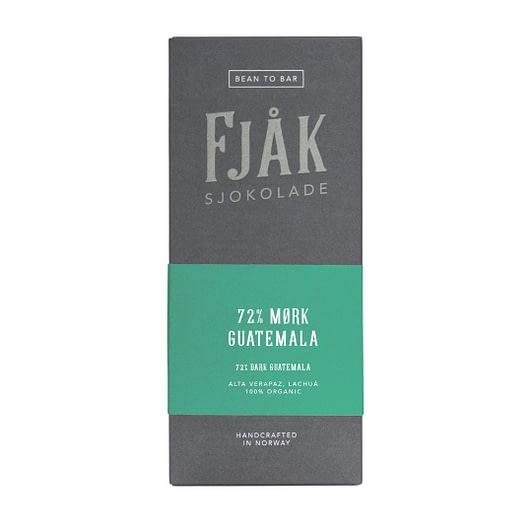
Fjak – Lachuá, Guatemala 72% Dark£7.95
-
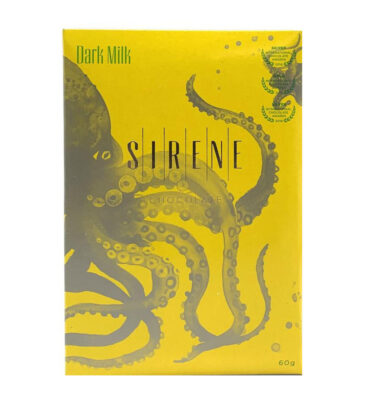
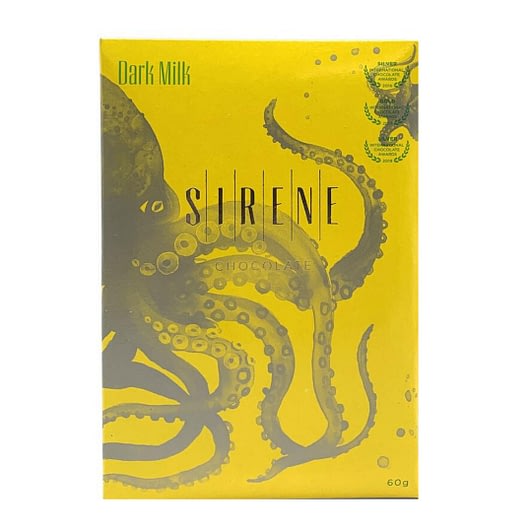
Sirene – Lachua, Guatemala, Dark Milk 65%£9.95
-
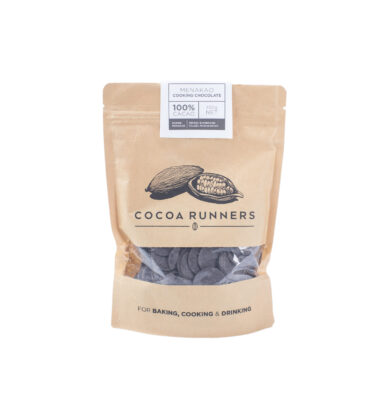
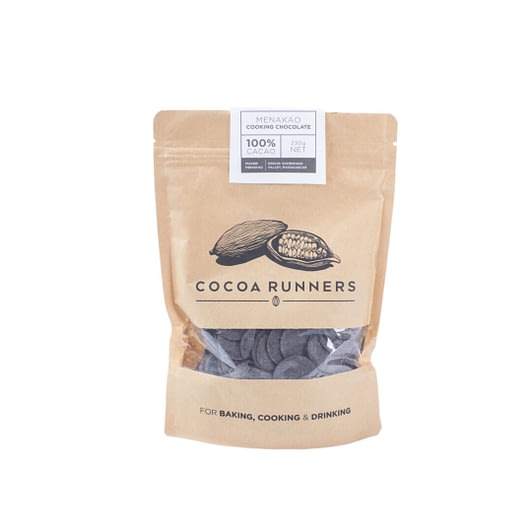
Cocoa Runners Cooking & Baking 100% Cacao 230g£9.95
-
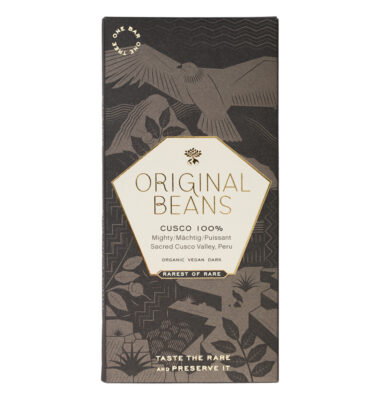
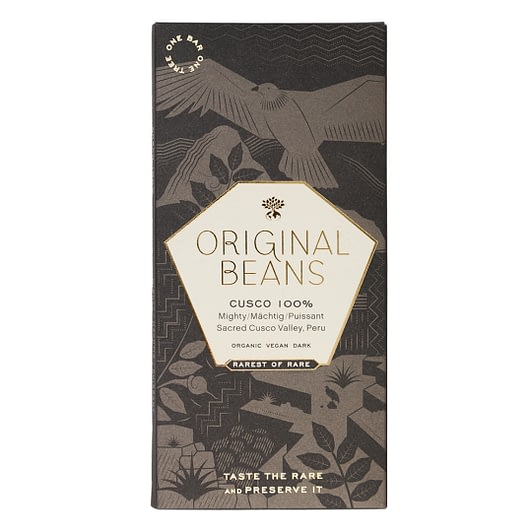
Original Beans – Cusco Chuncho 100%£6.95
-
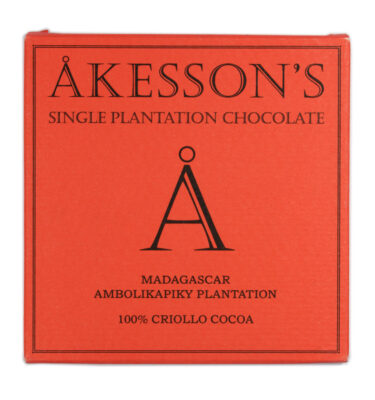
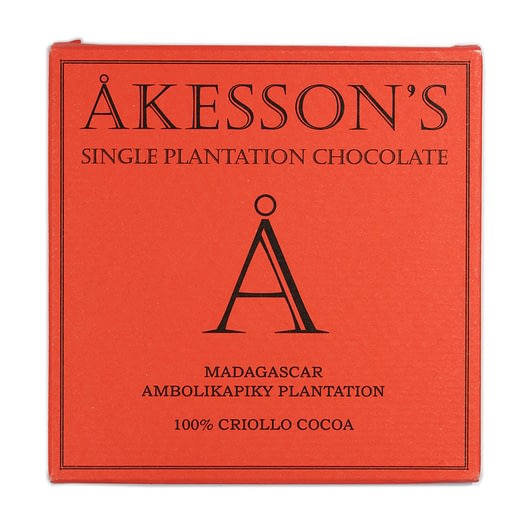
Akesson’s – Madagascar 100% Criollo£6.95