Advent Approaches
As the nights draw in and December approaches, thoughts of Christmas and Advent can’t be...
Print / PDFContents
As the nights draw in and December approaches, thoughts of Christmas and Advent can’t be...
Print / PDFAs the nights draw in and December approaches, thoughts of Christmas and Advent can’t be far away.
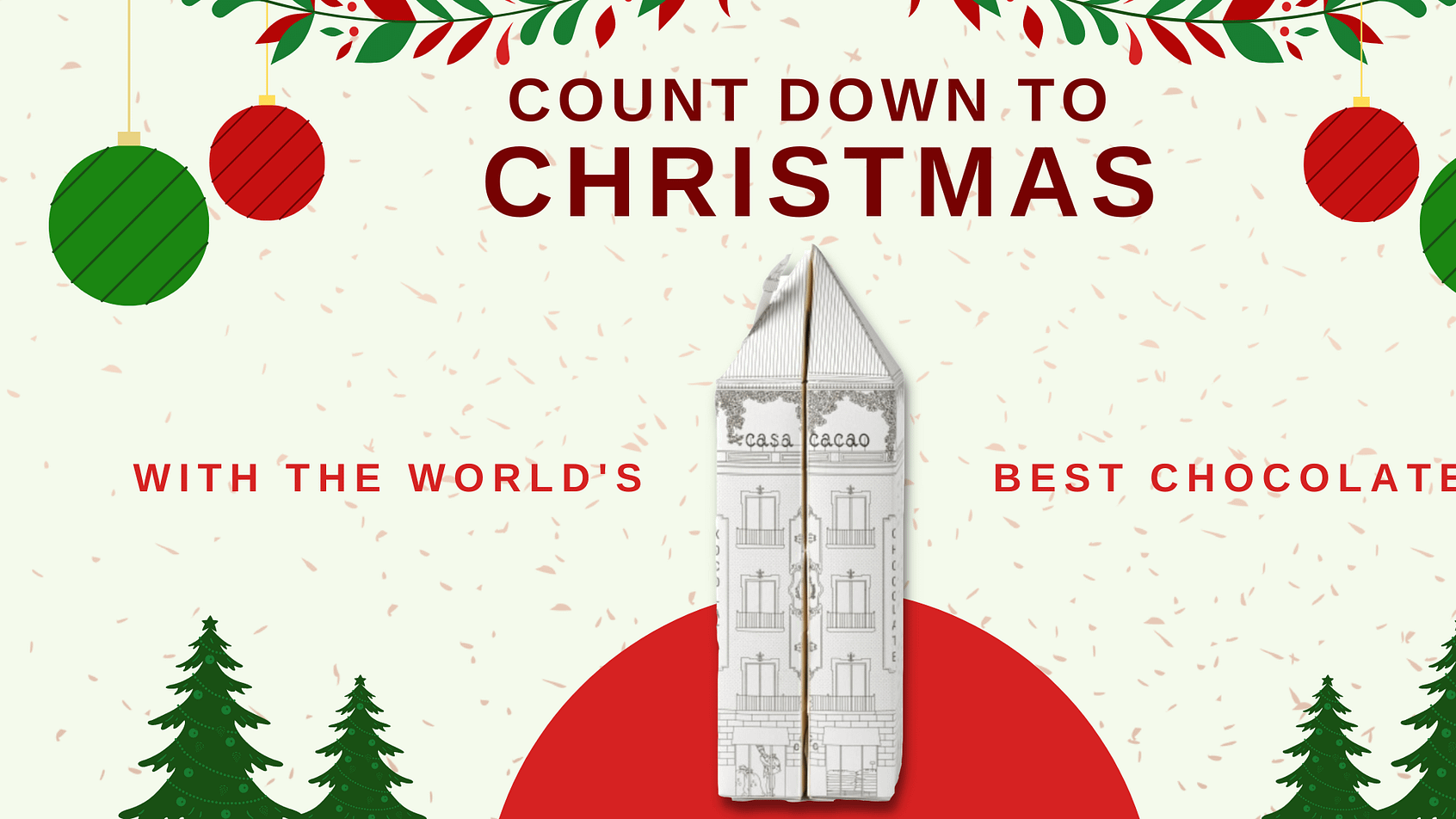
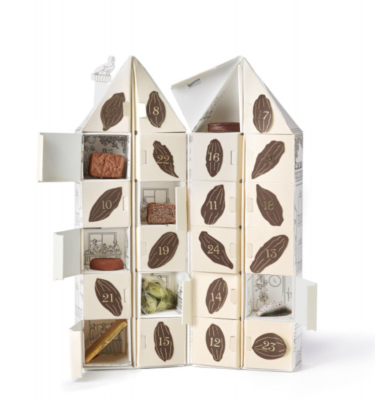
This year we’re delighted to have secured a few of Casa Cacao’s 2022 advent calendars, made with their sister company, Rocambolesc.
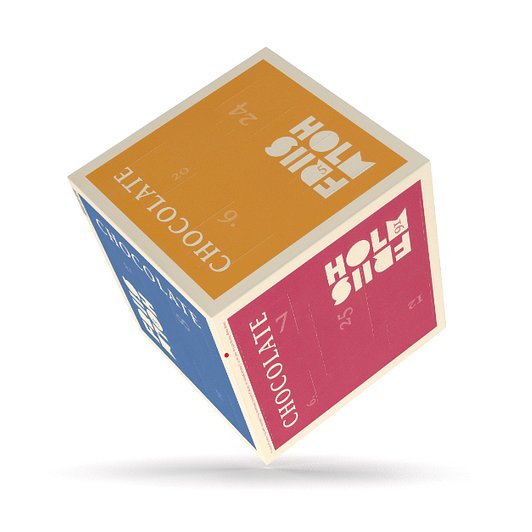
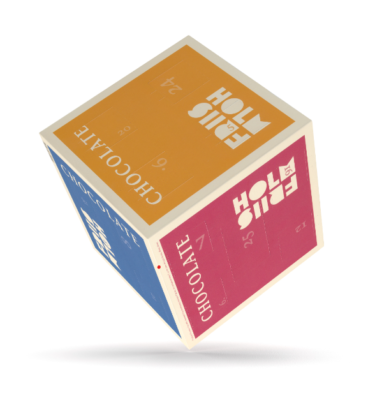
We’ve also persuaded Mikkel Friis-Holm to part with a few of his amazing wreath-shaped advent calendars.
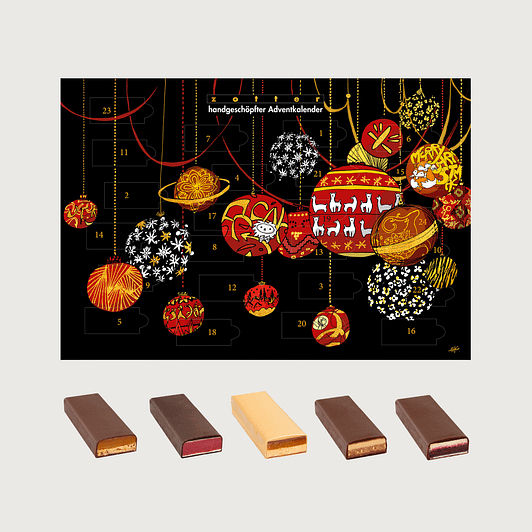
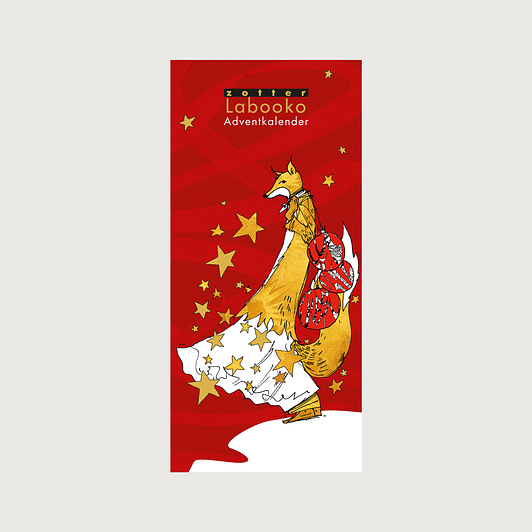
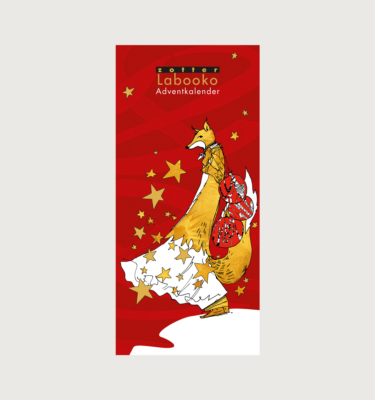
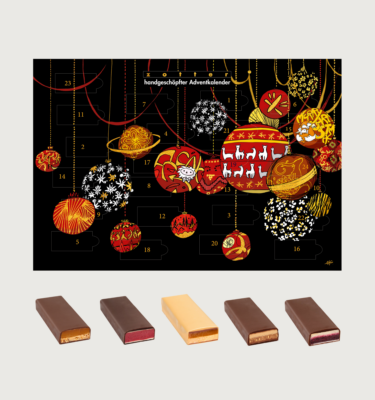
And of course we’ve both Zotter’s ‘Handscooped’ filled chocolate advent calendar and their ‘Labooko’ single farm/cooperative calendar.
The Origin of Advent
Although we now treat ourselves with advent calendars stuffed full of goodies, the earliest records we have of Advent comes from 5th Century France, when Perpetuus, the Bishop of Tours, directed his monks to fast three extra times per week between St Martin’s Day (11th November) and Christmas.
These extra fasts were called “Advent” based on the Latin term Adventus (which means ‘arrival’) as they marked the start of celebrations to mark Jesus’ first arrival on Earth (i.e. his birth). And by the time of Charlemagne, three hundred years later, they were celebrated throughout Europe.
Over the next few centuries, in most of Catholic and Protestant Europe, the practice of fasting during advent faded away. By contrast, Orthodox Christians often do still fast during Advent (although this fasting comprises abstaining from animal products, not giving up all eating or drinking).
Modern Day Advent Traditions
In the 19th century, German Protestants began to mark off the days in the run-up to Christmas by burning a candle a bit each day, or by marking walls and doors with a chalk line.
Historians now generally suggest that a German, Gerhard Lang, adapted this tradition to make what we’d now recognise as an advent calendar (along with windows and doors) in the late 1900s.
As a child, Lang’s mother had helped him countdown the days to Christmas by sewing 24 cookies onto the lid of a box. Each day, he was allowed to eat a cookie: When they were all gone, he knew Christmas had arrived.
Lang took this family tradition and decided to sell them to family, friends, and neighbours; effectively launching the first ‘advent calendars’, including one version of a cardboard house with windows and doors, into which sweet treats could be placed.
However, these practises were severely challenged in World War 2, when the Nazi regime tried to replace “frivolous” religious traditions with their own ideologies. They changed the name of the season from ‘Advent’ to ‘pre-Christmas’ and replaced the calendars’ Christian imagery with nationalist symbols.
Post World War II, an enterprising German entrepreneur, Richard Selmer, reintroduced this custom when, after months of pleading, he persuaded the American occupation forces to supply him with some scarce cardboard and paper to make some advent calendars. Armed with this paper, he turned his living room into an assembly line to hand-build a series of “little town” advent calendars, resuscitating the tradition of advent calendars in West Germany.
75 years later, the company Selmer launched in his Stuttgart living room has become a hugely successful international business; in part at least via some canny influencer marketing with US presidents, starting with Eisenhower who was photographed with his grandchildren opening one such calendar.
During the 1950s, various UK companies experimented with adding chocolates to their advent calendars. Initially, these experimental products were a flop and fizzled out. However, Cadbury launched a more determined marketing effort for their first chocolate advent calendar in 1971, and by the 1990s, they had formalised an annual tradition with regular advertising, continuous production, etc.
Over the last twenty years, chocolate advent calendars have joined the ranks of mince pies, turkey, and stuffing as Christmas traditions. Indeed, eating them fast has even been accepted into the Guinness Book of World Records with Kevin Strahle holding the record for the fastest time to consume a chocolate advent calendar, at 1 minute 27.84 seconds.
We strongly recommend that you DO NOT try to break Kevin’s record with any of our craft chocolate advent calendars: They’re designed to be savoured, not scoffed!
As ever, thanks for your support.
Spencer