Great Chocolate for a Great Cause
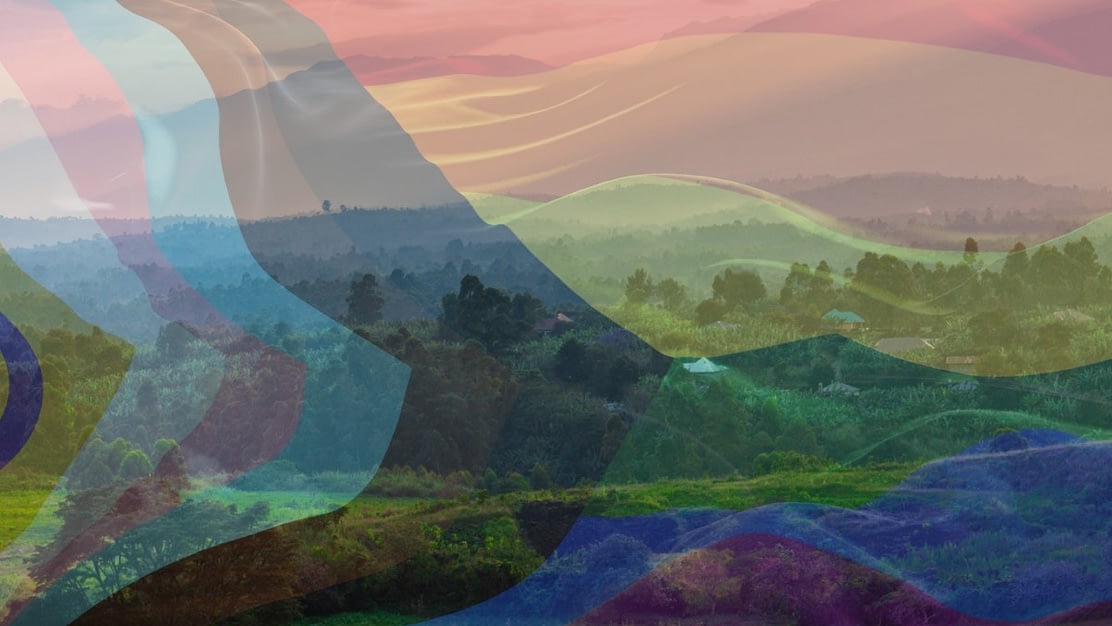
Craft chocolate is all about savouring great-tasting chocolate bars and “doing the right thing”. So...
Print / PDFCraft chocolate is all about savouring great-tasting chocolate bars and “doing the right thing”. So...
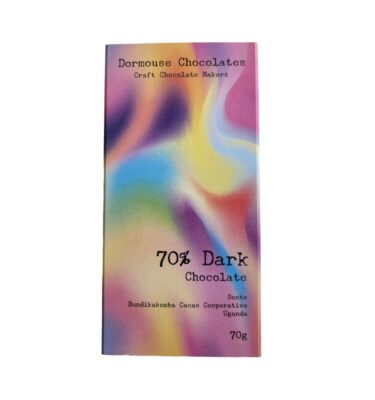
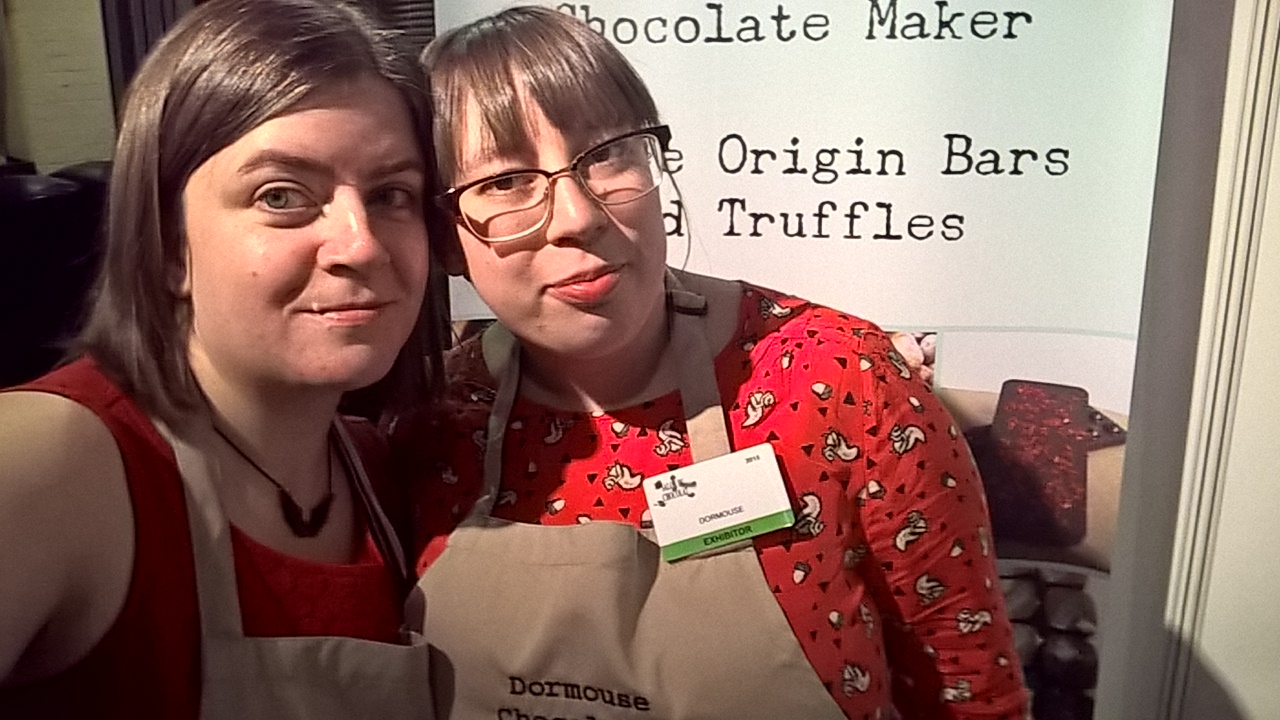
Print / PDFCraft chocolate is all about savouring great-tasting chocolate bars and “doing the right thing”. So it’s GREAT to bring news about a bar from Isobel and Karen of Dormouse Chocolate that not only tastes great but has an inspiring backstory and message.
The bar is crafted with cocoa beans from the Bundikakemba Cacao Cooperative in Uganda. Isobel and Karen have made the bar to raise awareness and funds to counteract the Ugandan government’s recently passed anti-homosexuality legislation. Under these laws LGBTQI+ people face life imprisonment, and possibly even the death sentence, for “committing same-sex acts”, the “promotion of homosexuality, and even for “the failure to report” LGBTQIA+ activities by e.g., doctors or hospitality workers. To this end, both Dormouse and we at Cocoa Runners are passing all proceeds made from the bar to the Rainbow Railroad charity who are supporting the Ugandan LGBTQI+ community with medical support, rent, food, legal support, and more on the ground.
If you’d like to know more about the history of cocoa in Uganda, plus some of the backstory to the Ugandan government’s bizarre and vicious recent anti-LGBTQI+ initiatives, please read on. And please do consider purchasing this great new bar from Dormouse, and other bars made from transparently traded cocoa from Uganda that helps smallholder families.
The history of cocoa (and chocolate) in Uganda
Cocoa was first introduced to Uganda in the 1890s by the colonial British government as a cash crop. However, unlike coffee and cotton, cocoa cultivation didn’t gain significant traction during this early period. And in the 1920s, the cocoa crop was almost entirely abandoned because of dramatic price fluctuations that made cocoa farming increasingly precarious.
Cocoa started to re-emerge in the late 1950s, and post-Uganda’s independence in 1962, cocoa farming was actively encouraged to generate cash income and diversification for smallholder farmers. However, again cocoa farming failed to gain traction as the ‘boom and bust’ of cocoa prices in the 1970s and 1980s led to many farmers abandoning their cocoa farms.
In the last few decades, the Ugandan coffee industry has been severely hit by a coffee wilt disease, and so once again the Ugandan government, along with a range of international organisations and development partners, has set up various programs to promote cocoa cultivation. In addition, political stability improved with the ending of the ADF rebellion in the early 2000s enabling farmers to return to their fields. So since 2000, cacao production in Uganda has increased from about 1,000 tons a year to close to 20,000 tons. Uganda is now in the top 20 global cocoa growing countries. But to put this in context, Uganda’s cocoa production is less than 1% of that of the leading cocoa growing country (Côte d’Ivoire) and Uganda exports over 15 times as much coffee as cocoa.
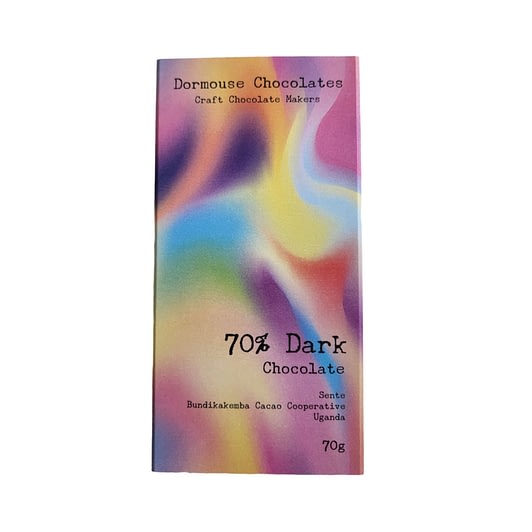
Almost all the cocoa in Uganda is grown in the Bundibugyo region, located on the border with the DRC. Most of these farmers have at best only a few acres to farm, and cocoa is their primary (and often only) cash crop. To help improve the prices these farmers receive, the WTO, ITC, UN, and a number of NGOs have invested in training farmers, and local experts, on how to improve post-harvest processing and help them access the emerging market for speciality cocoa.
For example, the beans Dormouse are using are sourced from the Bundikakemba Cocoa Cooperative, which consists of 600 smallholder farmers, each owning 1-2 hectares of land. Until recently these smallholder farmers had to sell their beans to the commodity cocoa market. However, with the introduction of new wooden fermentation boxes and a solar drying facility, plus training for the farmers, the cooperative has now started to achieve far higher quality, and by selling into the craft chocolate market, significantly increasing their cash yield.
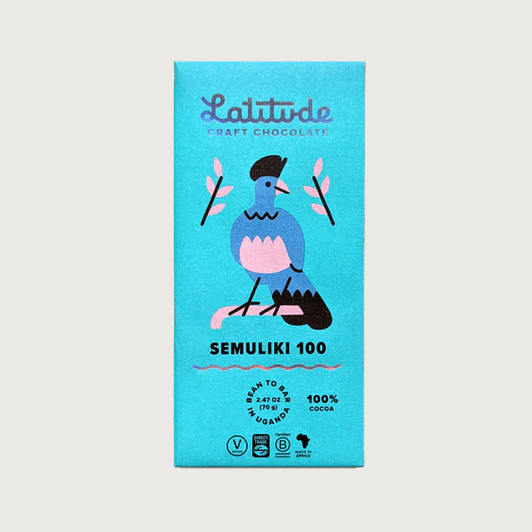
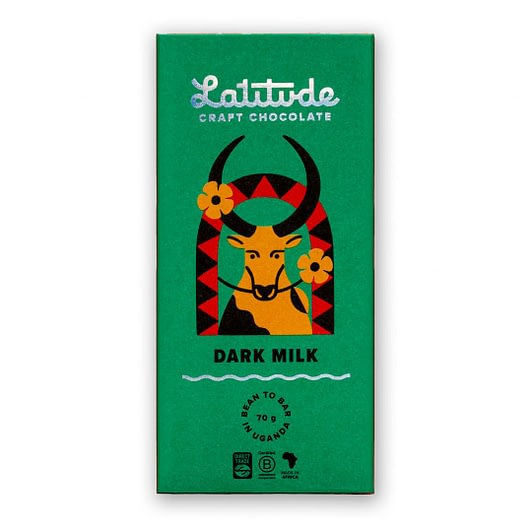
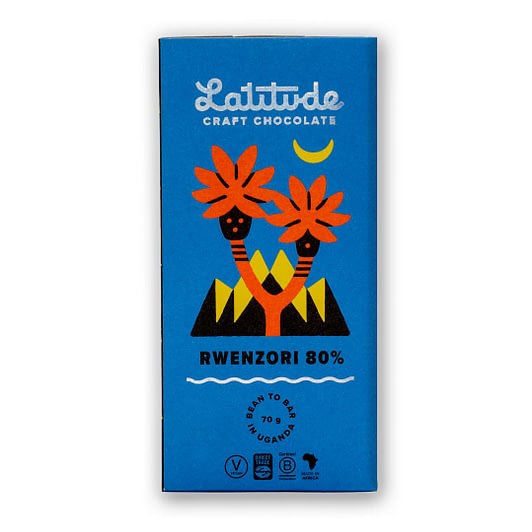
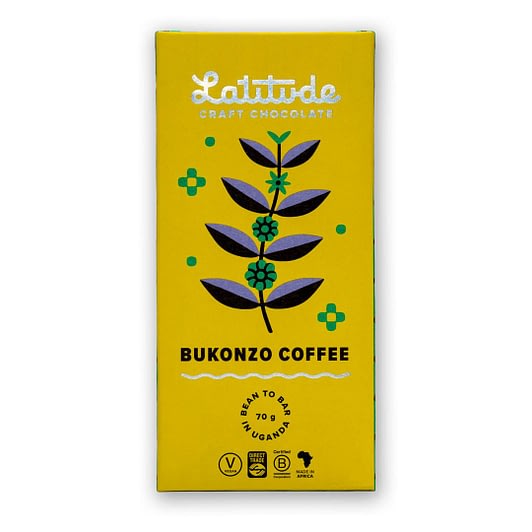
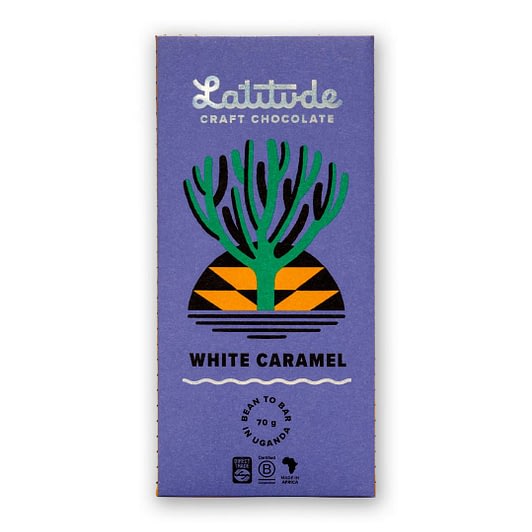
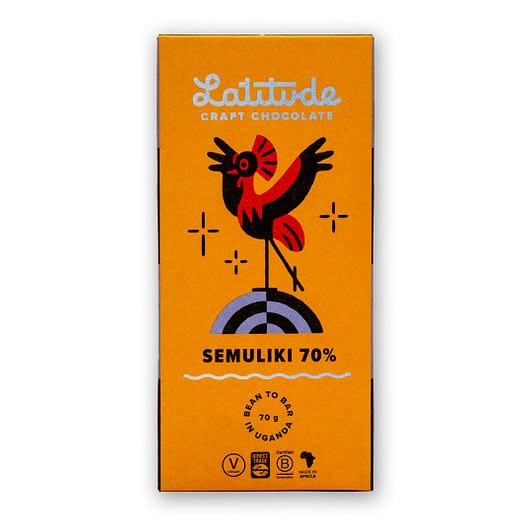
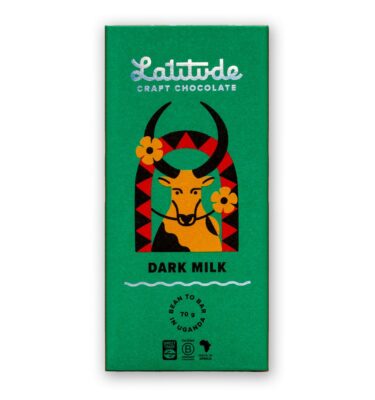
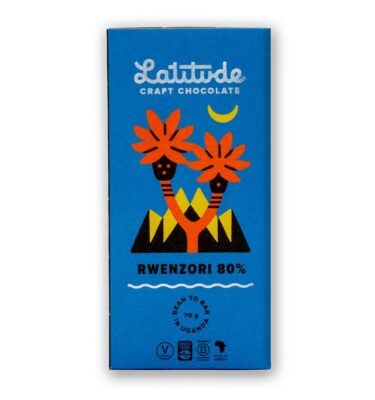
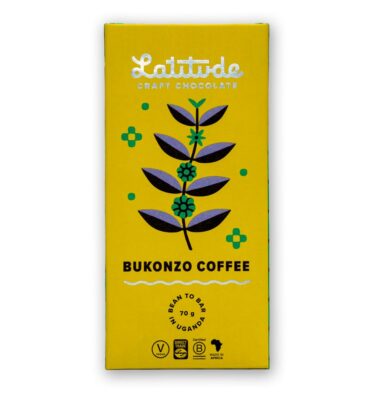
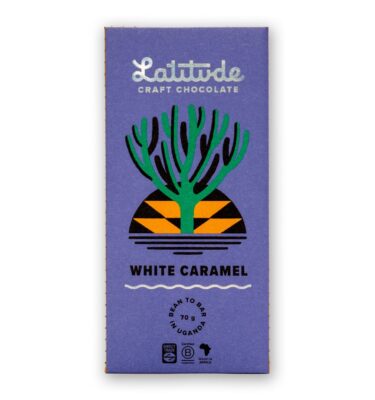
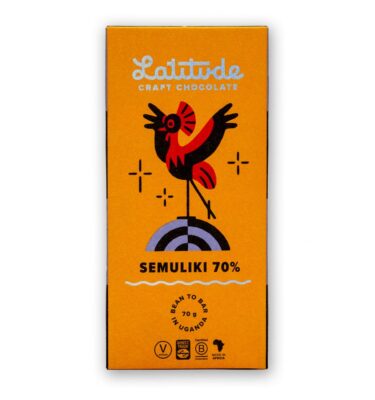
Latitude Craft Chocolate, set up by Jeff Steinberg in 2016, is another Ugandan case study on how improvements in cocoa post-harvest processing, market access, and farmer training, can yield amazing results. And Jeff also crafts his bars in Uganda, securing more of the ‘value add’ for Uganda.
So after a number of false starts, a focus on quality is finally seeing Uganda emerge as an exciting new origin for craft chocolate, with bars from makers all over the world using different farms and co-operatives.
The history of LGBTQI+ rights in Uganda
At the same time, the political situation in Uganda, in particular for LGBTQI+ people, is becoming increasingly challenging. Earlier this year Uganda’s president, Yoweri Museveni, signed into law a bill described by the Archbishop of Canterbury as “the world’s harshest anti-LGBTQ+ law”, which imposes the death penalty for certain homosexual acts. All over the world, governments have expressed their horror at the bill; Joe Biden decried the act as “shameful” and a “tragic violation of universal human rights”.
The history of the bill is mired in evangelical controversy and anti-colonial rhetoric. The law, and anti-LGBTQI+ culture, is blamed by some as a hangover of colonialist prejudice (and laws), while at the same time international criticism of the bill is rejected in Uganda as “neo-colonialism” and “imperialism”. And clearly some of the early funding that culminated in the bill’s passing came from American Evangelicals, spearheaded by Scott Lively, who spent more than $20 million fighting LGBTQI+ rights in Uganda in the early 2000s, whipping up homophobia and, in particular, describing homosexuality as a “disease” propagated by the West.
The Rainbow Railroad
Criticism of the Ugandan government’s Anti-Homsexuality Act and activities has come from all over the world. Even the likes of Ted Cruz, a US Republican known for his advocacy against the civil rights of gay Americans in the US, denounced the law as “horrific and wrong, …Any law criminalizing homosexuality or imposing the death penalty for ‘aggravated homosexuality’ is grotesque and an abomination. All civilized nations should join together in condemning this human rights abuse”.
At a practical level, charities like Rainbow Railroad, are offering practical and immediate help “on the ground”. The Rainbow Railroad has been active in Uganda for almost a decade, supporting hundreds of LGBTQI+ community members with logistical support, legal counsel, medical help, food, rent and more. They really do provide a lifeline in this awful situation.
Purchasing Dormouse’s bar (and other craft chocolates made in or crafted from Ugandan beans), clearly doesn’t solve the problem of this horrendous law. But it does draw (some) attention to the situation, and actively helps LGBTQI+ people on the ground. To quote Karen and Isobel:
“It’s really scary how quickly things like this can happen, not just in Uganda, but all around the world, and even on our doorstep. And as a queer company, we thought it was really important to talk about this as an issue”.
So thank you in advance for your time, support, and hopefully savouring this bar which not just tastes great, but really is doing the right thing.
Keep savouring!
Spencer