San Francisco, S’Mores and Sensory Specific Satiety
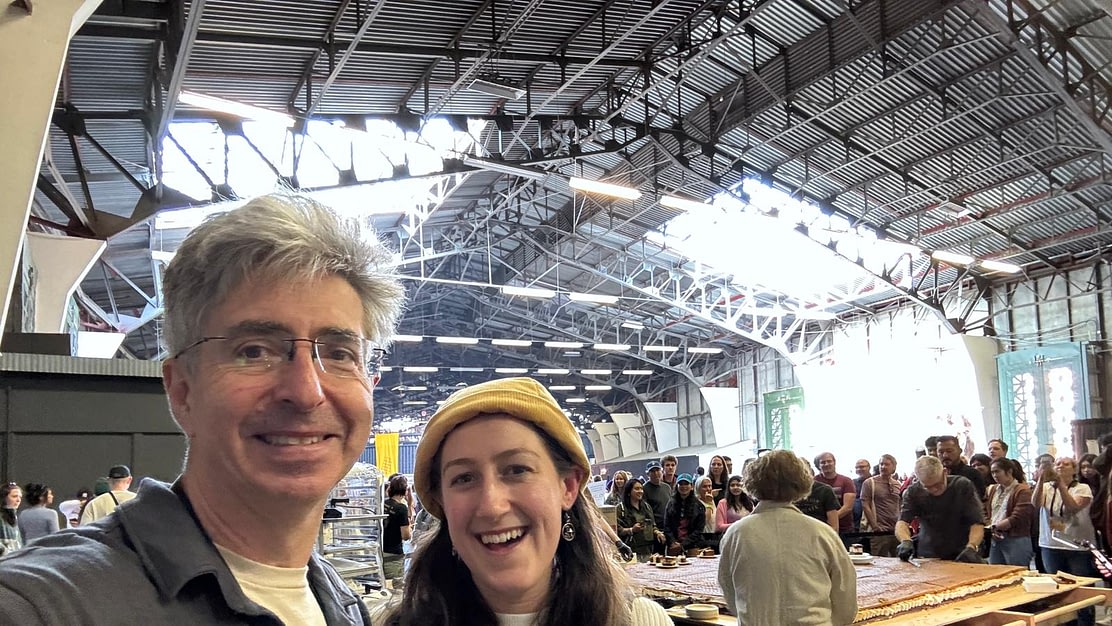
San Francisco now has another great reason to visit – the annual Craft Chocolate Experience held last weekend at San Francisco’s Palace of Fine Arts, and already scheduled for next year (and if you want to visit at other times of the year, Dandelion do AMAZING tours of their chocolate factory).
We met with loads of old friends (so expect to see more of their bars soon) – including Jael from French Broad, Cynthia and David from SOMA (who we hope to see in the UK soon too …), Dahlia and Brian from Fruition, Jenny from Conexions, Domantas (and family) from Naive, Adam and Dustin from Dick Taylor, Kathy from Mirzam, Tom and Monica from Goodnow, Ryan from Parliament, Mike from 24 Blackbirds and, of course, DANDELION (and HUGE thanks to their team, plus Greg, for organising the weekend). What’s more we also met with a bunch of great new makers .. so expect to see new makers and bars from New Zealand (including an intriguing cheesy milk bar), Thailand (look out for some great new “snack” bars), Hawai, Colombia, Venezuela and – of course – the US of A, with new makers from California, Hawaii and more.
There were loads of great talks (unsurprisingly, cocoa’s skyrocketing price featured highly) and lots of pairings. We had fun at our Wine and Chocolate Pairing explaining why Brits and Europeans think that many US commercial milk chocolates smell of “baby sick” (see here) and also showcasing the amazing pairings you can do with dark milks and orange wines, as well as dark chocolates and red wines (see here).
Plus on the last afternoon, Dandelion’s team crafted “the world’s largest S’More”. Led by Stephen and Kyla, and supported by Paula and team with trestle tables, electric carving knives, and a mountain of marshmallows, they built a 7 foot square S’More weighing over 500 lbs from 70% Colombian Tumaco chocolate that was consumed on the spot.
For those who want to know more about the history of S’Mores please see here to find out the history of S’Mores and its key additions of digestive biscuits and marshmallows, including:
- How marshmallows were first made by the Ancient Egyptians, and then the Greeks and Romans) from the roots of the mallow plant, Althaea officinalis to help with inflammation, avoid flatulence, and as a laxative. And then in the late 1800s, a bunch of innovations in the use of gelatin were developed, enabling American candy makers to substitute gelatin for the mallow plant, dramatically reducing costs and kicking off a passion for marshmallows that continues to this day.
- How digestives were first invented in Scotland in 1839, coincidentally again as a cure for flatulence and as a laxative – while a few years later, a Presbyterian Minister in the US – Sylvester Graham – invented the similar “Graham Cracker” (he marketed it as a cure for “carnal excesses” rather than flatulence).
- How a girl guide, Loretta Scott Crew, perfected both the technique, recipe and occasion for S’Mores in the 1927 Girl Scout guidebook; where she explained how to make “some mores” over any campfire for an eight person troop with “16 graham crackers, eight bars of plain chocolate, and 16 marshmallows” with the key principles of first toasting the marshmallows to a “crispy, gooey state” before making the S’More sandwich
Kyla and Stephen’s S’More, was not just HUGE but it was also DELICIOUS. Partly this is no doubt down to the quality of the marshmallows, digestives and the Tumaco Colombian ganache. At the same time, it was amazing to see the alacrity with which kids and adults alike managed to find room for a generous helping of S’More .. after a day of trying LOTS of Craft Chocolate. And in general, it’s amazing how easy it is for people to consume LOADS of – for example – chocolate biscuits, but why it’s comparatively easier to pace yourself, and savour a great dark chocolate.
Part of the reason here is a concept now known as Sensory Specific Satiety. This brilliant tongue twisting theory was originally described in 1956 by the French physiologist Jacques Le Magnien before being extensively researched, and developed, by Barbara and Edmund Rolls in the 1980s. Along with the Bliss Point (see here), Sensory Specific Satiety is one of the key tools that food scientists use to make us “SCOFF” (or as Americans say “SCARFE”), and eat more than we really need. So it’s worth understanding if you don’t want to be gamed! (see here for more).
Most animals eat until they are “full”. There are some exceptions – for example, many labradors seem to have unquenchable appetites (scientists think that this may be because of a genetic mutation in the POMC gene of some labradors). Many of us faced with a buffet also find that we eat far more than we had planned, and start to feel a bit like labradors. Barbara and Edmund Rolls did LOTS of research on this “buffet” effect – and they discovered that offering variety, combined with the problem of keeping track of portions, meant that people ate 44% more “when exposed to the meals with a variety of foods”.
They spent the next decade investigating other examples of “sensory specific satiety”; seeing how reordering foods in a meal, changing colours, offering information about calories, altering food density, etc would impact what we eat. And their conclusion was concise: “Providing a greater variety of foods can delay satiation and increase overall intake, as the sensory properties of new foods renew appetite … (sensory-specific satiety) is not affected by factors like the ad libitum intake of other foods, flavor intensity, or nutritional information about the foods.”. That is to say, if you have a salad with just one form of lettuce, you can become bored and it’s hard to eat a full meal even if you know “it’s good for you”. If you add more variety of vegetables, fruits, plus a dressing, some protein with different textures, etc. it becomes a far more enjoyable, nutritious and filling meal.
Unfortunately “sensory specific satiety” can also be (ab)used. Hence why so many mass market confectionery items are FULL of different textures, bits, sensations (think unwrapping), colours, etc. – they are designed to stop you becoming “bored” and to make you SCOFF (or scarfe) more than you realise. And the “science” here is staggering .. special smells that are released as you open a package, special sounds when you open a fizzy drink, food that is deliberately made to be “soft” to make it “hyper palatable” after a bit of texture.
Indulging in the “world’s largest s’more” was DEFINITELY worth it .. even after two days of trying lots of amazing new craft chocolates. But at the end of lunch, dinner (and sometimes even breakfast), I’d rather savour a couple of squares of craft chocolate than have to resist a complex pudding. Craft chocolate doesn’t exploit “sensory specific satiety” there; it offers the chance to savour some wonderful flavours and improve digestion thanks to our “second stomach” (see here for more).
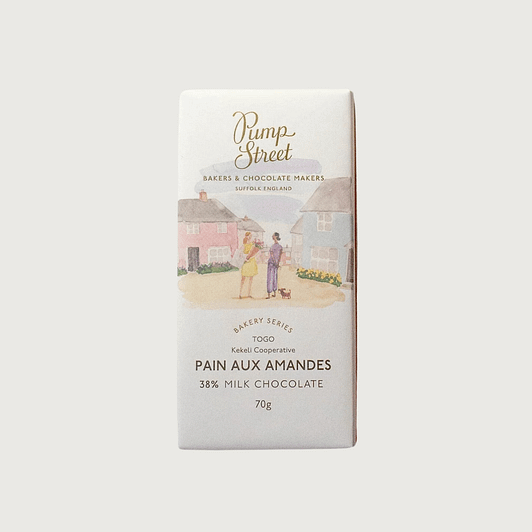
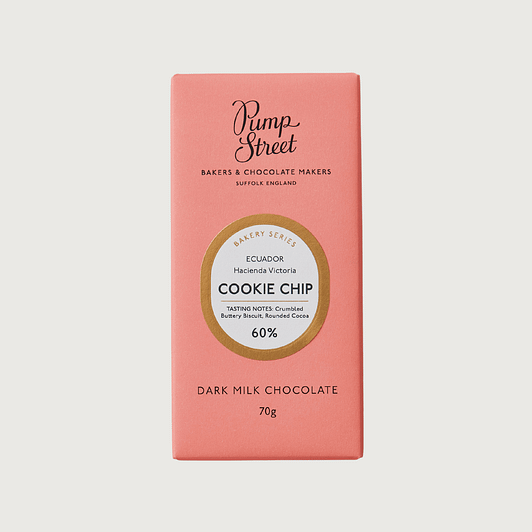
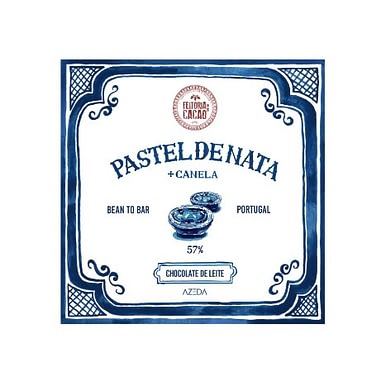
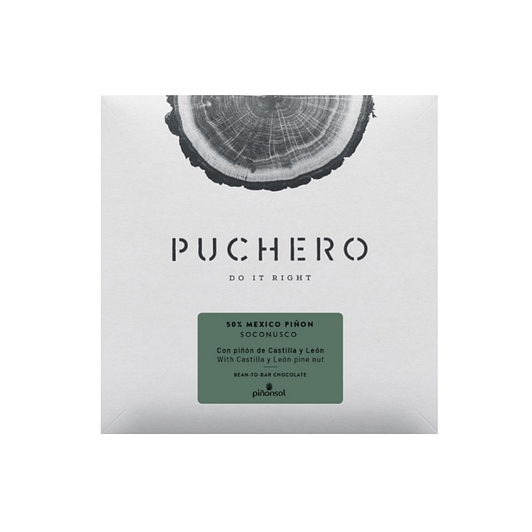
Please see here for some craft chocolate buttons from Menakao to make your own “smores” (or just use a favourite bar). Plus we’ve assembled a few bars with “texture” (including biscuits, cakes and more) if you want to try some bars and see how “sensory specific satiety” works in practise.
Finally, a huge thanks again to the whole team of the Craft Chocolate Experience .. and looking forward to next year!
Play with sensory specific saitiety and try some of these craft chocolate bars which incorporate different textures.