A Picture is Worth a Thousand Words and Sensory Specific Satiety

For chocolate, we’d argue that savouring one square of craft chocolate is similarly powerful. We...
Print / PDFContents
For chocolate, we’d argue that savouring one square of craft chocolate is similarly powerful. We...
Print / PDFFor chocolate, we’d argue that savouring one square of craft chocolate is similarly powerful. We can articulate and convince customers that craft chocolate is better for farmers, better for consumers’ health, better for the rainforest, better for the planet, etc. And we can assert that it tastes better. But proving that you really can “savour the difference” is most easily done by having some try the chocolate.
And almost everyone who comes to a craft chocolate tasting finds that mass-produced plain dark chocolate tastes flat and has little length, complexity, or depth of flavour. So if they have a tendency to ‘the dark side’, it’s relatively easy to convert them to craft dark chocolate.
However, it’s often harder to convert die-hard fans of a favourite milk (or white) chocolate brand. They can taste the difference. And they very often enjoy the complexities and depth of craft milk chocolate. But it’s harder to wean them away from their favourite milk chocolate brands. In part this is because of nostalgia and habit. And in part it’s because of the addictive properties of the sugar. Whilst theobromine (the primary stimulant in chocolate) isn’t addictive, sugar is highly addictive. And all too often consumers unconsciously associate everything from the colour of a brand of milk chocolate, its smell, its logo, and its jingle with this ‘sugar hit’. The lust for these favourite milk chocolate treats from childhood is more than nostalgia; it’s Pavlovian. Consumers can become conditioned with a desire for sweetness just as Pavlov’s dogs respond to bells signifying meal time.
And for ‘confectionery’ bars, with lots of other stuff in addition to chocolate (think caramel, toffee, biscuits etc.) almost everyone still yearns for these, despite the blandness of the chocolate. Here, this is more than the addictiveness of sugar and application of the ‘bliss point’. It’s some brilliant food science which has figured out how to use texture to get us to keep scoffing.
Explore the diverse textures, flavours, and mouthfeels of craft chocolate with this special ‘experience collection’:
Sensory Specific Satiety
Back in the 1950s, Jacques Le Magnen, a French physiologist, argued that the variety of foods presented in a meal has a huge impact on how much we eat. And during the 1980s, Barbara J Rolls and Edmund T Rolls, coined the phrase “sensory specific satiety” to describe this phenomenon; carrying out a bunch of intriguing experiments to demonstrate, and quantify, the impact of variety. One of the more famous was to show the power of buffets in encouraging overeating. Participants were divided into two groups who were either fed courses of the same food or four courses of different foods. The results were staggering; participants given the four different courses ate 44% more than those just offered the same food four times (that is to say, they almost ate another TWO COURSES on top of the first four).
A number of industries have learnt from this. For example, ice cream parlours will actively encourage you to purchase multiple flavours of different ice cream scoops rather than sticking with one. Ben & Jerry’s, with their addition of texture, have managed to take this to another level where it’s not just different flavours but different textures that are on offer.
A side note for Ben & Jerry’s fans; Ben Cohen (the Ben in “Ben and Jerry’s”) was ‘anosmic’; he struggles to detect different flavours; so was a huge fan of different textures, hence why their ice cream has so much nuts, cookie dough, caramel chunks etc.
The so called ‘golden age’ for ‘big chocolate’; the 1920s to the 1940s (when such classics as Mars Bars, Creme Eggs, Flakes, Milky Ways, Kit Kats, etc. were invented); made extensive use of textures, multiple ingredients, clever shapes and more. And this continues today.
Combined with smart applications of sugar, salt, and fat (aka ‘the bliss point‘), it’s really not surprising that we find it so hard not to be tempted to scoff the entire mass-produced bar. And their packaging compounds this tendency (try to reseal any mass-market bar).
The Good News!
Many craft chocolate makers pride themselves on what they call “minimal ingredient” chocolate, i.e. just beans and a little sugar to bring out their flavour, sometimes even pressing their own cocoa butter from the same beans. And these bars really do yield some extraordinary flavours.
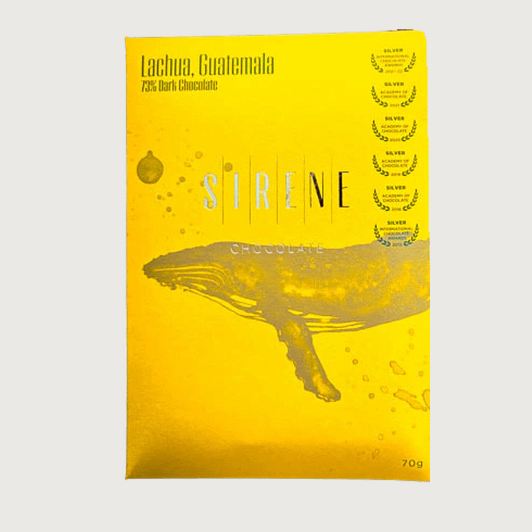
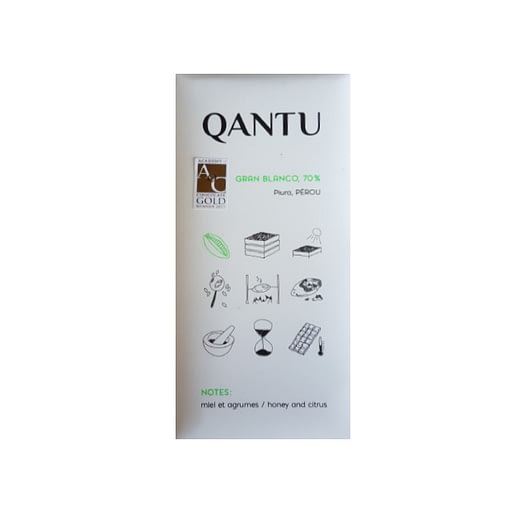
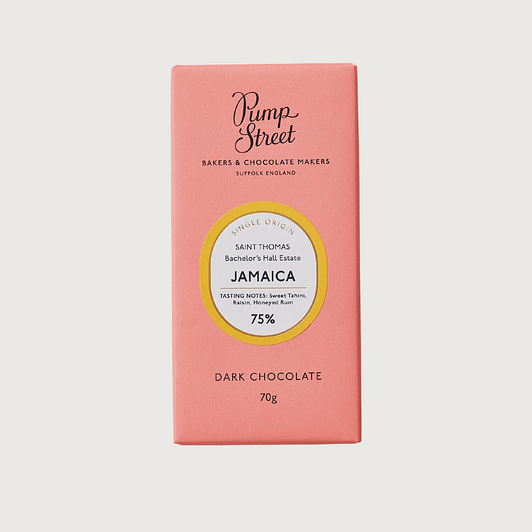
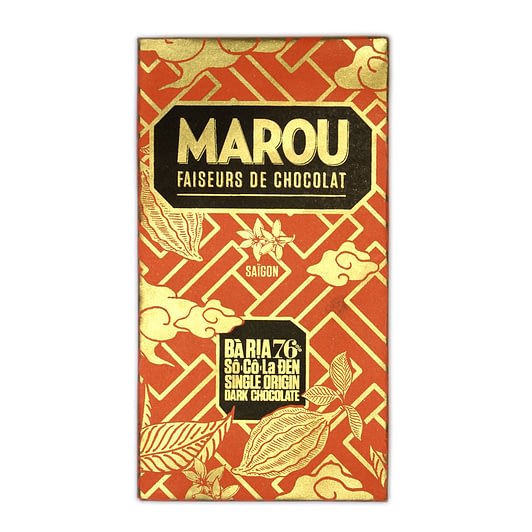

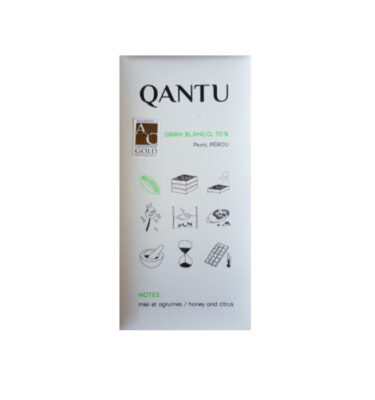
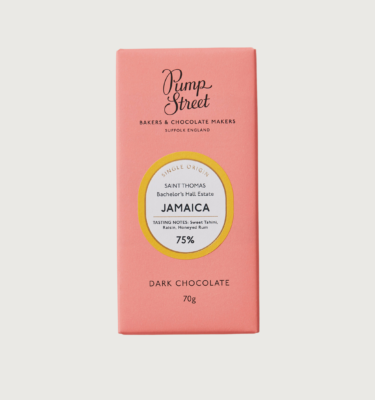
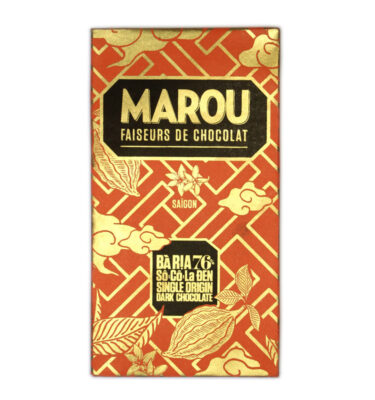
At the same time, many craft chocolate makers are also using texture and high-quality inclusions to encourage you to savour their creations too. For example, try these two bars from Oialla where one has nibs added to it:
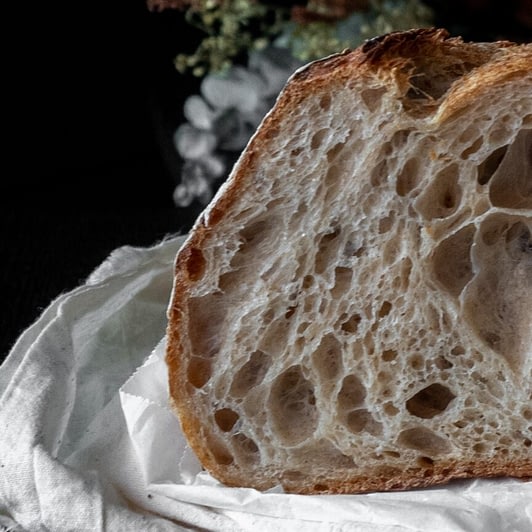
Or explore this range of bars all of which have different breads and pastries:
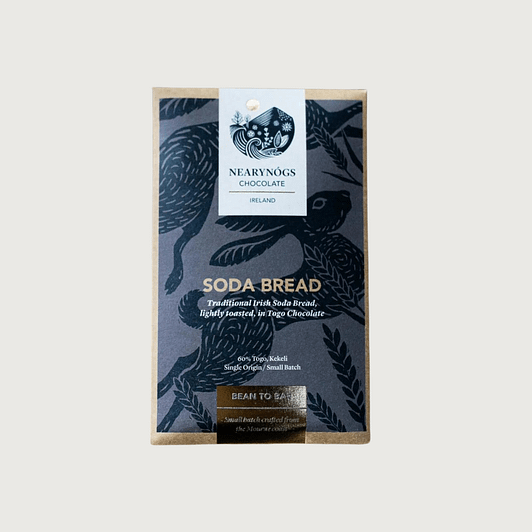

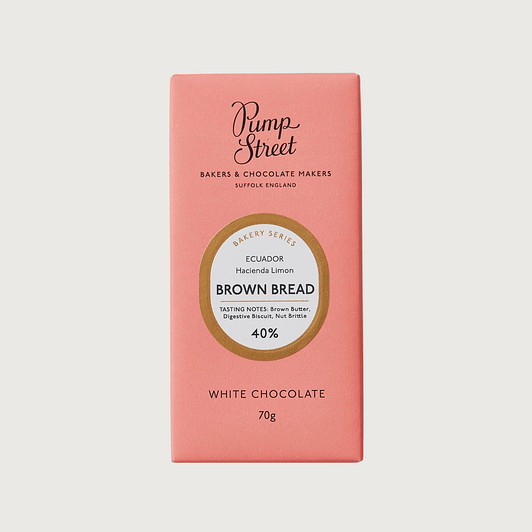
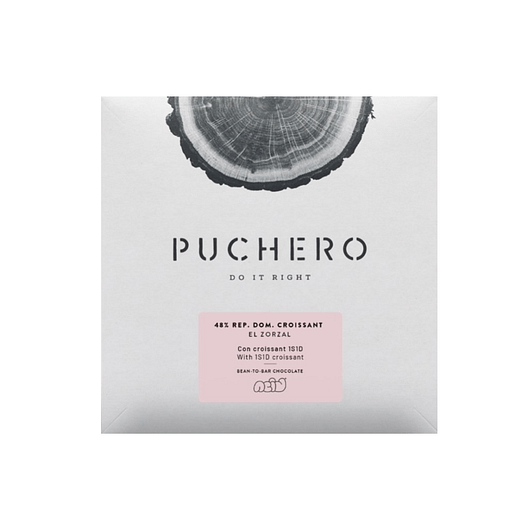
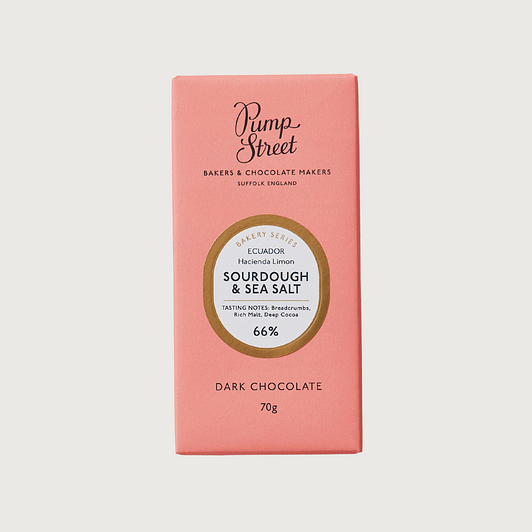
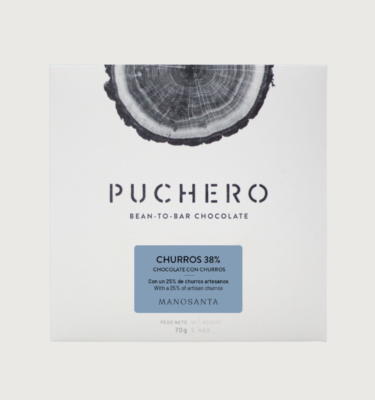
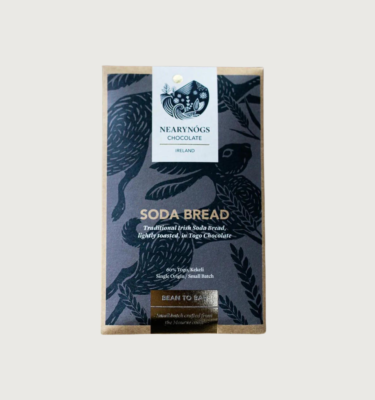
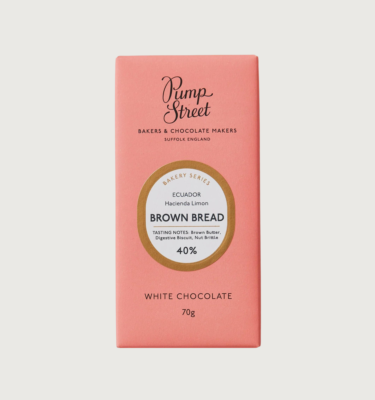
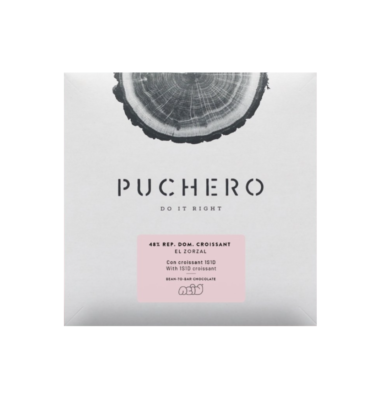
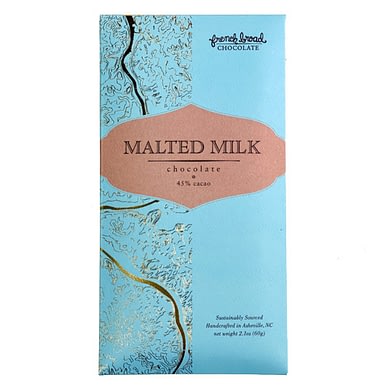
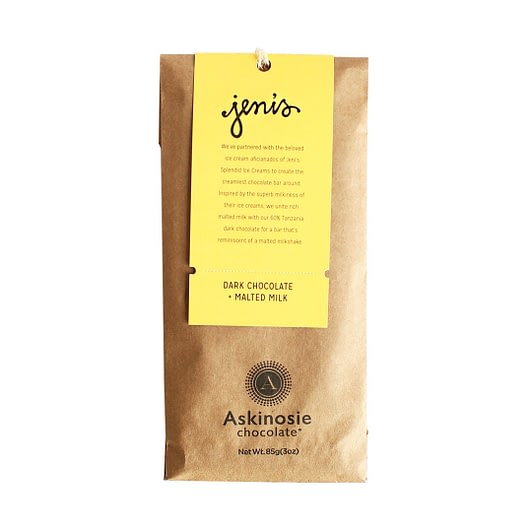
Craft chocolate makers have also created milk chocolate bars designed to take you back to what we’d all love to have been given as milk chocolate treats as children with the addition of, for example, malted milk:
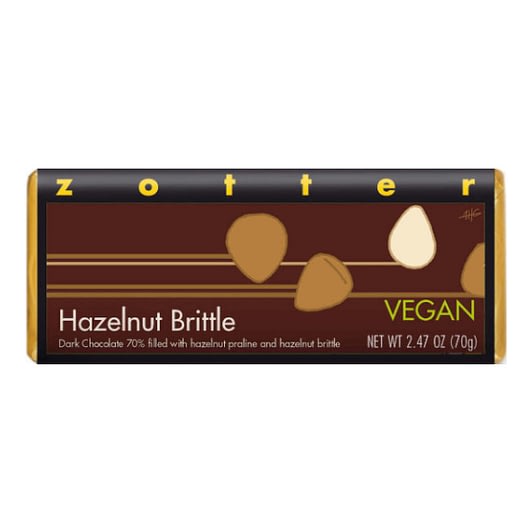
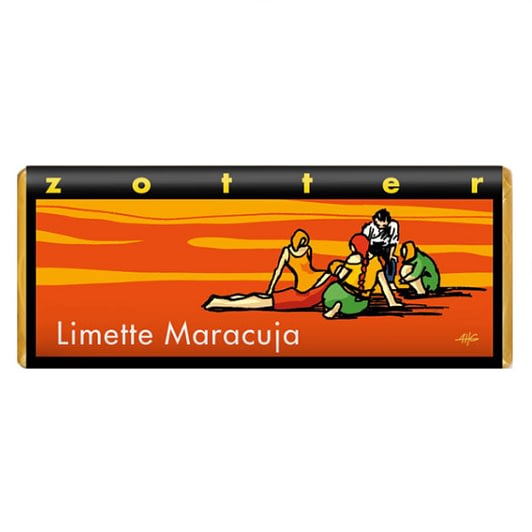
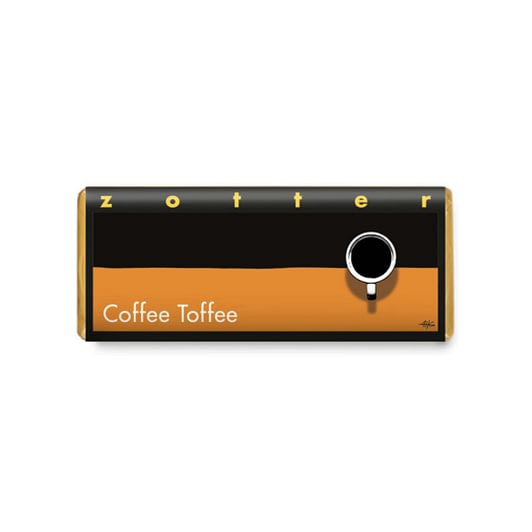
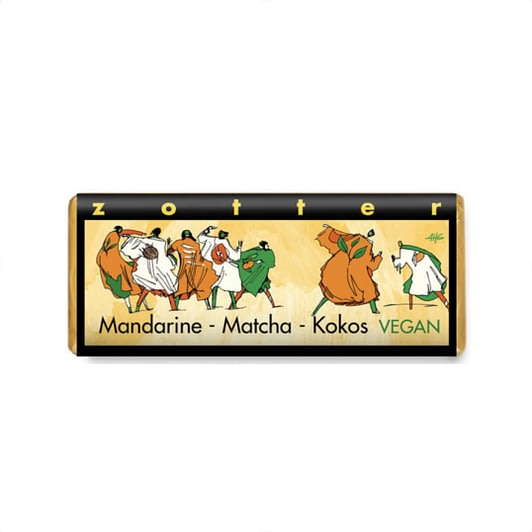
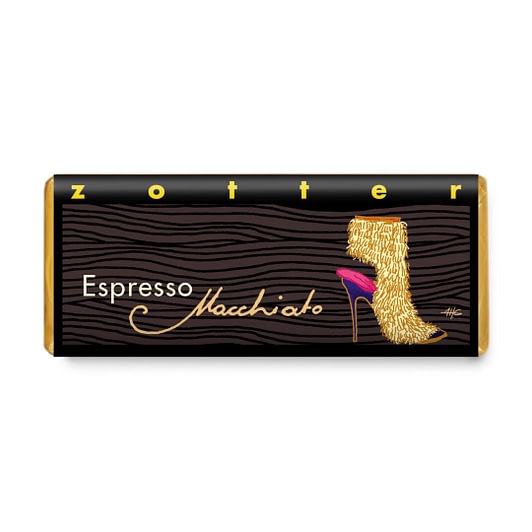
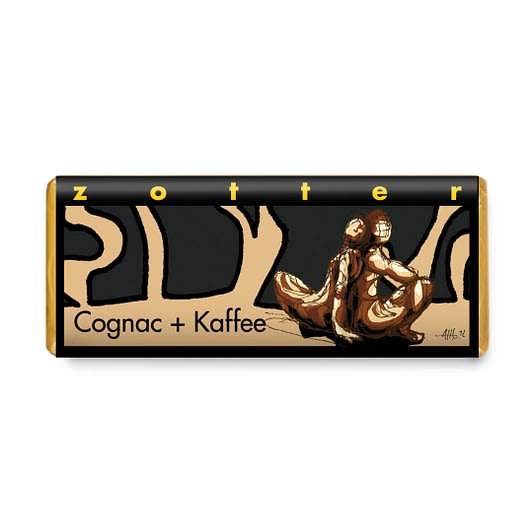
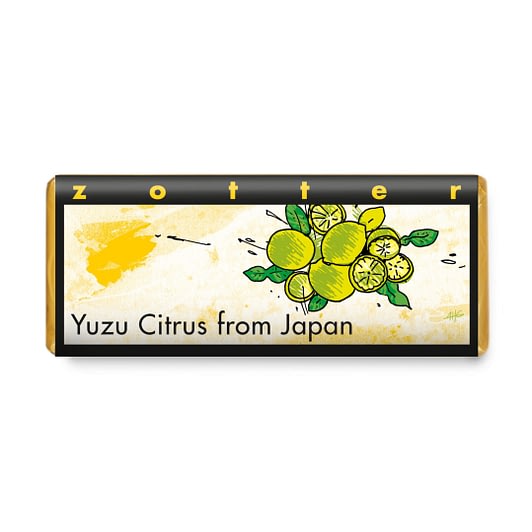
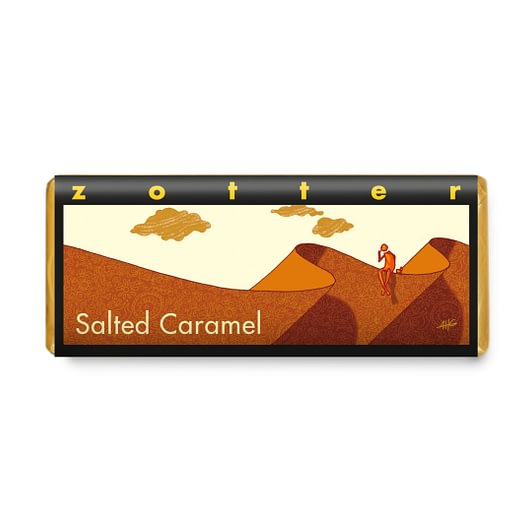
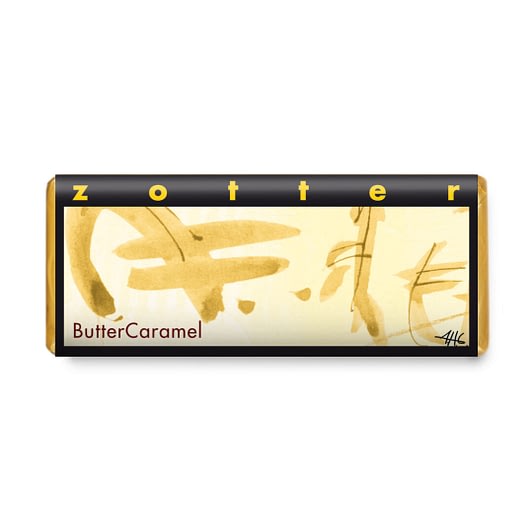
And of course, there are always Zotter’s amazing range of ‘handscooped’ filled chocolates (with the ever-popular ‘butter caramel’ bar just back in stock again):

-
 Zotter – Butter Caramel Bar£5.95
 -
Zotter – Salted Caramel Bar£5.95
-
Zotter – Cognac & Coffee Bar£5.95
-
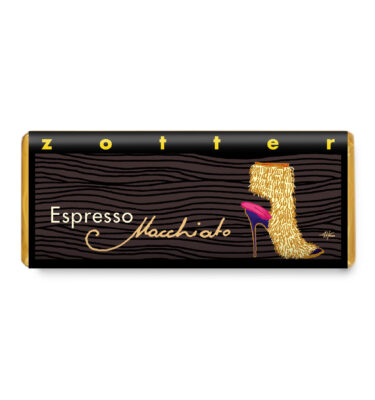
Zotter – Espresso Macchiato Bar£5.95
-
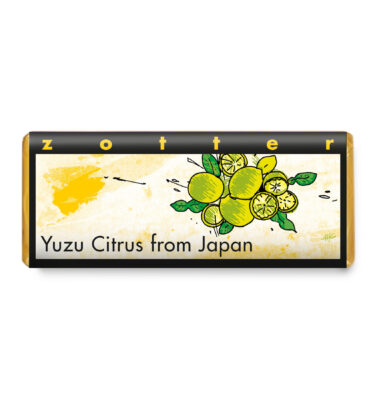
Zotter – Yuzu Citrus Bar£5.95
-
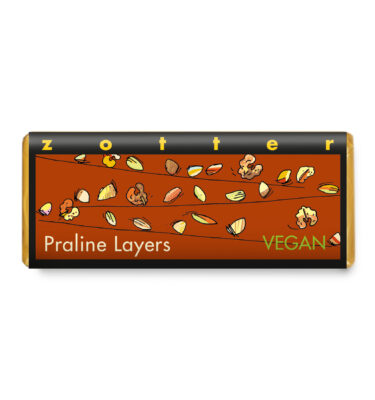
Zotter – Praline Layers Bar£5.95
-
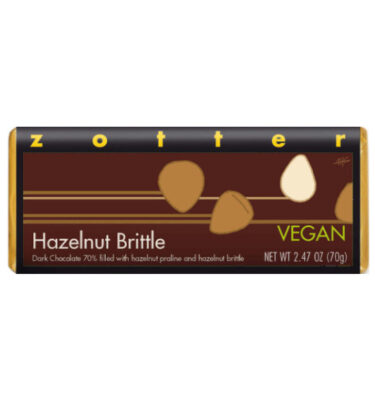
Zotter – Hazelnut Brittle£5.95
-
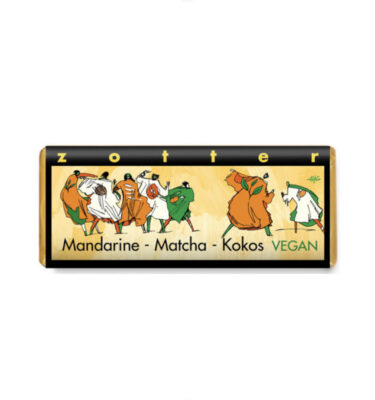
Zotter – Handscooped: Coconut, Tangerine and Matcha£5.95
-
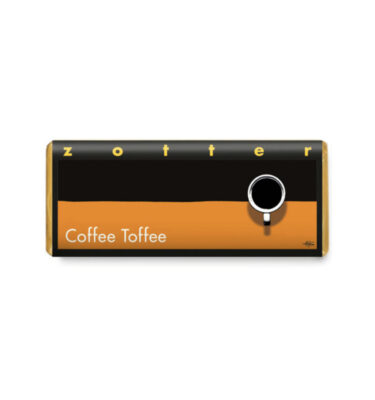
Zotter – Handscooped, Coffee Toffee£5.95
-
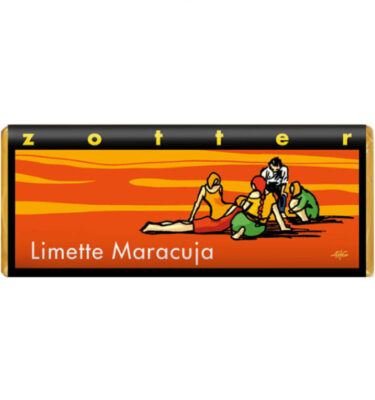
Zotter – Limette Maracuja, Handscooped£5.95
Keep savouring!
Spencer