The Special Relationship
Brits and Milk Chocolate To the amazement of many Brits, most Europeans are not as...
Print / PDFContents
Brits and Milk Chocolate To the amazement of many Brits, most Europeans are not as...
Print / PDFBrits and Milk Chocolate
To the amazement of many Brits, most Europeans are not as enamoured with British milk chocolate bars like Cadbury’s Dairy Milk, Galaxy, Kit Kats, etc. Indeed, one anti-EU oft-repeated mythical claim is that the EU wanted British milk chocolate to be renamed “vegolate” as a means to damage British milk chocolate sales.
Another great milk chocolate myth, this time perpetuated by Brits, is that even before milk chocolate bars, Hans Sloane (who was actually Anglo-Irish …) invented the drinking of milk chocolate.
Both these myths are interesting to debunk; and good examples of why it’s worth reading the label, checking the small print, and trying to really figure out the basis for some pretty extraordinary claims by overzealous marketeers.
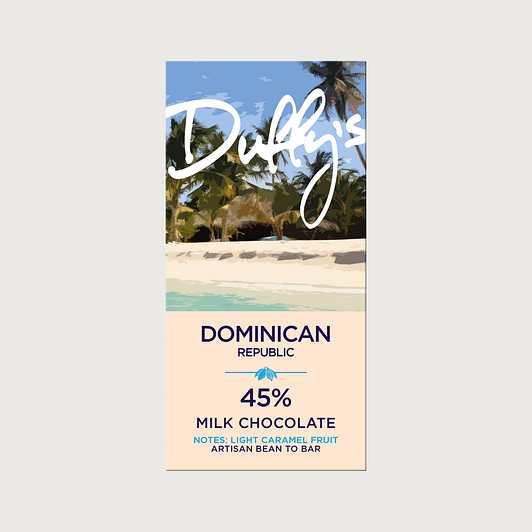
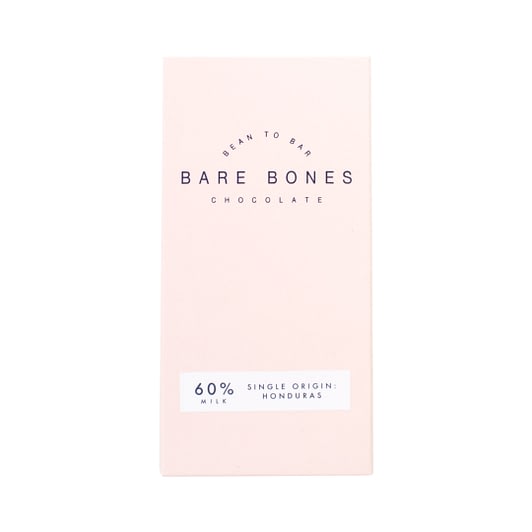
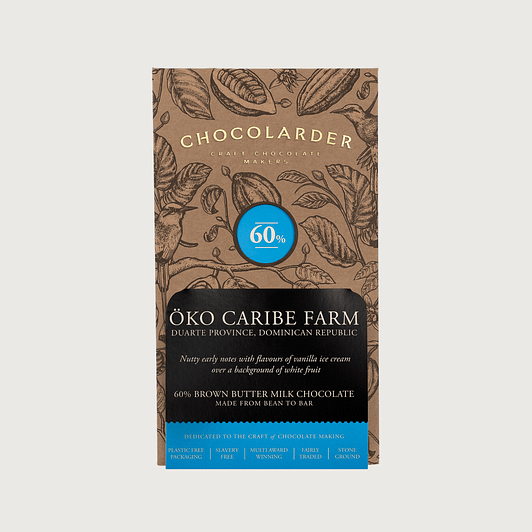
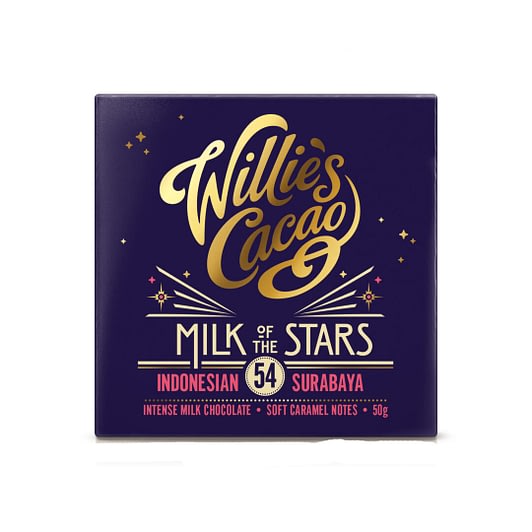
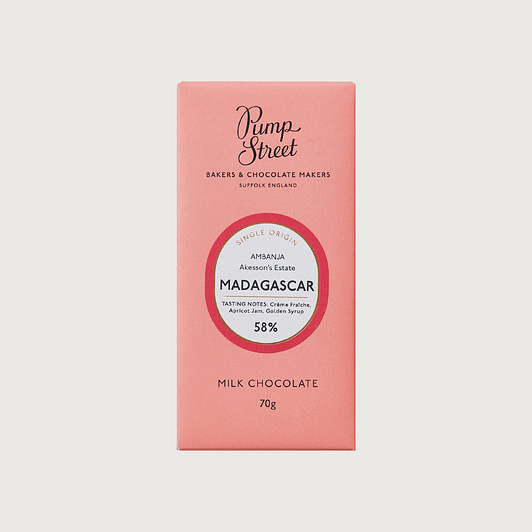
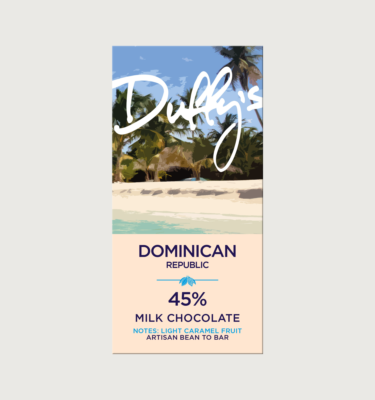
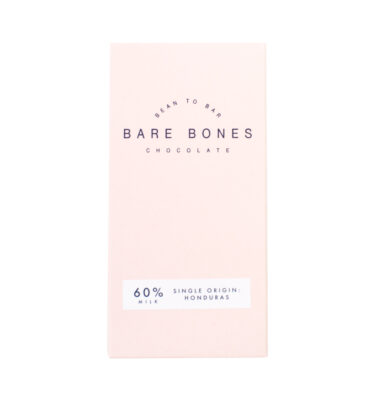
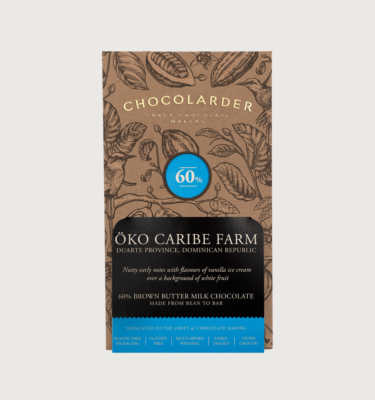
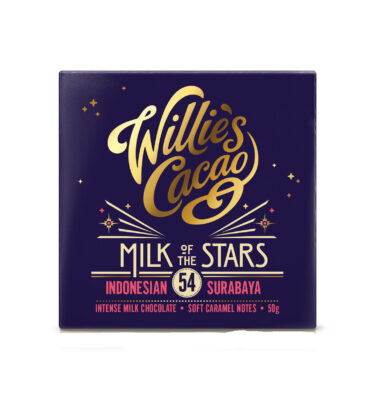
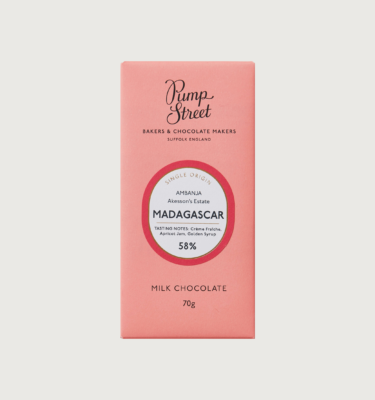
Try out some of our most popular British milk chocolate bars, if you haven’t already:
Drinking Chocolate with Milk
For most of the time we’ve consumed the fruits of Theobroma cacao (the cocoa tree), we’ve drunk it. Indeed the first drink made from cocoa pods was probably a light beer made with the pulp. And then the Aztecs wanted to drink the froth of the cocoa drink.
And when chocolate was first introduced to Europe, it was similarly consumed and made as a drink by boiling it with water, and adding various spices and sugar. It grew thanks in part to its promotion by the Catholic Church as suitable for consumption on fasting days, and also a bunch of medical claims.
In Protestant England, these medical claims were especially important. And one key figure often associated with chocolate’s rise in 18th and 19th century England was the physician Hans Sloane, who is often suggested as being the genius who recommended drinking chocolate made with milk to aid with “wellness and nutrition” and led to Brits’ love affair with drinking chocolate.
Hans Sloane and Milk Chocolate
In addition to his (controversial) contribution to milk chocolate, Hans Sloane was an inveterate collector, and upon his death, he bequeathed his collection of over 71,000 objects and books to the British nation. Effectively this collection provided the basis on which not just the British Museum but also the British Library and the Natural History Museum were founded. He was also a founding governor of the Foundling Hospital, the UK’s first children’s charity, and also the world’s first public art gallery. Sloane also played a key role in establishing Chelsea Physic Garden, one of London’s great horticultural secrets, by purchasing 4 acres in prime London Chelsea, and then leasing this in perpetuity to the Society of Apothecaries for £5 a year as long as the garden supplied “50 good herbarium samples per year” to the Royal Society.
If you’d like to come to one of the next upcoming tastings here, and/or see a cocoa tree growing in London, please register below (we’ve not yet finalised a date for this autumn).
The source of Sloane’s collection, and chocolate insights, came from his appointment as personal physician to the Governor of Jamaica, the 2nd Duke of Albemarle in 1687. Although his post only lasted just over a year (the Duke of Albemarle died in 1688), Sloane collected over 1000 plant specimens, including cacao and quinine. He also married Elizabeth Langley Rose, a very wealthy heiress of sugar plantations in Jamaica. And it was her fortune, combined with his success as a physician and investor, that enabled his extraordinary collections.
Sloane would no doubt be delighted with the success of his philanthropic initiatives. However, he might be more surprised, and even horrified, by the way that he is often credited with inventing, and promoting, the commercialisation of milk drinking chocolate.
It’s hard to see how, as a thorough researcher and meticulous physician, he’d agree with his description in Encyclopædia Britannica:
“Sloane’s trip to Jamaica also led to his invention of a milk chocolate beverage. While on the island, he encountered a local drink made from a cacao plant. The beverage apparently made him nauseous. To avoid this, he decided to mix the cacao material with milk. He found this concoction to be not only more tolerable but also tasty and healthy“.
Or to take another example from The Belfast Telegraph; perhaps to bolster Sloane’s Anglo-Irish heritage:
“[While in Jamaica] he became intrigued by an extremely bitter cocoa drink enjoyed by the locals. Sloane added milk to it to make the taste more palatable, developing perhaps the first known instance of drinking chocolate, or hot chocolate.
He then brought his new recipe back to England, and quickly learnt that it was loved by all who tasted it. Thanks to Sir Hans Sloane, milk chocolate was born”.
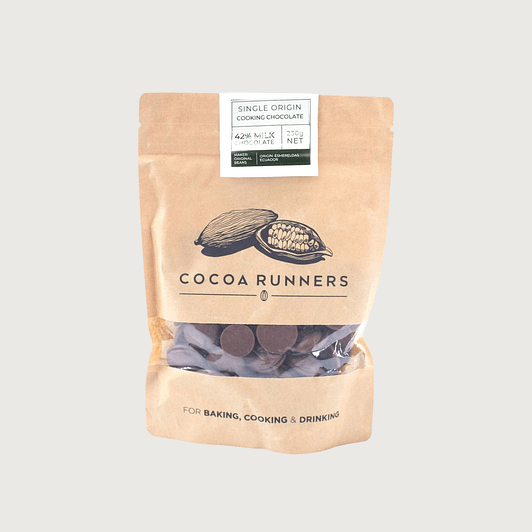
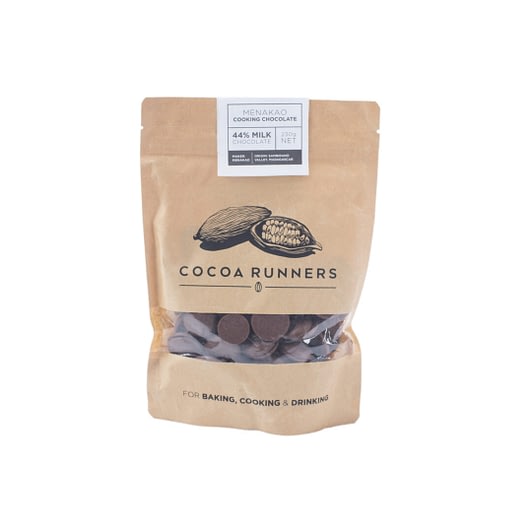
Try your hand at making your own milk chocolate drinks with our easy-to-use buttons:
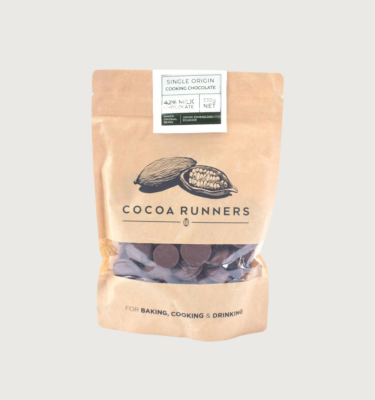
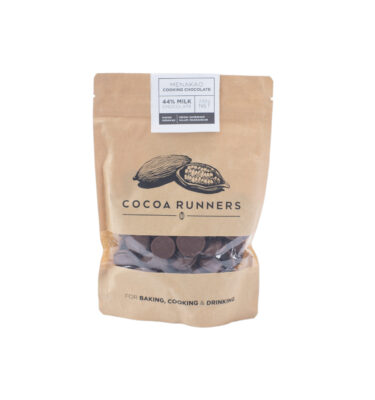
Unfortunately, the idea that “thanks to Sir Hans Sloane, milk chocolate was born” doesn’t hold water (or milk) and misrepresents Sloane’s role. A number of other Britons were already promoting drinking chocolate with milk well before Sloane ever went to Jamaica. For example, Denis Papin, an experimental technician at the Royal Society (England), boiled chocolate with milk in vacuo (vacuum) to “preserve its goodness” before Sloane ever tried chocolate. And in 1662 the physician Henry Stubbe published ‘The Indian Nectar’ which detailed recipes involving eggs, sugar, and milk to prepare chocolate as a stomachic elixir: “In England we are not content with the plain Spanish way of mixing Chocolata with water … [we] either use milk alone or half milk and half conduit-water“.
More importantly, rather than ‘inventing’ drinking chocolate with milk, Sloane may have ‘appropriated’ the idea from Jamaican slaves who were brewing their own hot chocolate drink known as “chawklit tea” by boiling ground roasted cocoa nibs milk and cinnamon (a similarly named product still exists today). So if anyone deserves credit for the launch of hot chocolate with milk in 17th and 18th century England, it may well be these Jamaican slaves.
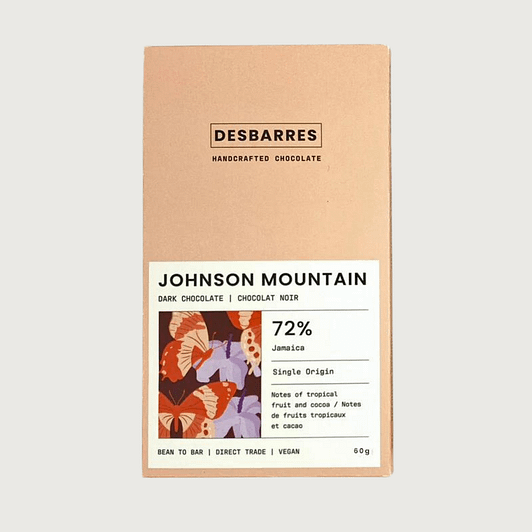
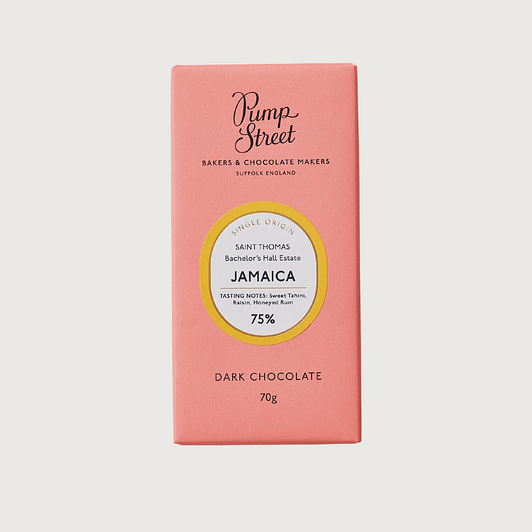
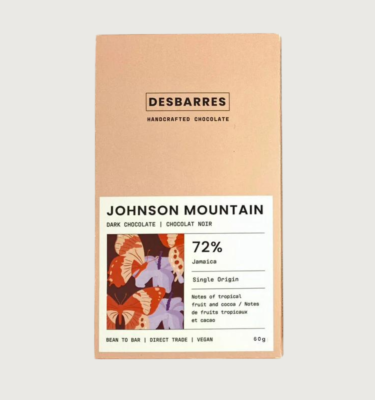
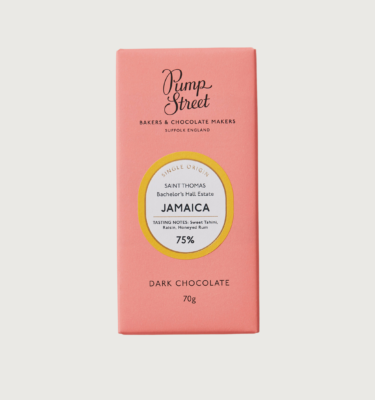
Jamaica’s come a long way since Sloan’s times, but is still home to great cacao. Try some modern, ethical, sustainble, Jamaican bars:
Marketing, Marketing, and Marketing … what really happened?
This confusion appears to be the result of some overly enthusiastic marketing after Sloane died, with various enthusiastic entrepreneurs embellishing their marketing by appropriating Sloane’s reputation. In particular, shortly after Sloane’s death in 1753, an entrepreneur named Nicholas Sanders created a successful campaign to launch ‘Sloane’s Milk Chocolate’ (arguably one of the UK’s first branded products) onto the market, claiming that he alone had Sloane’s original chocolate recipe. And then in the early 1820s, Cadbury, to raise the prestige of their drinking chocolate, again used Sloane’s name and made all sorts of historical assertions.
Demystifying Difficulties: The Case of “Vegolate” and The EU
Historians, in particular James Delbourgo, have done a great job in debunking the myths surrounding Hans Sloane as the inventor of milk chocolate. But as a nice story, it still perpetuates with journalists, recipe writers bloggers, etc. (and even in the Encyclopedia Britannica).
A more modern myth that is equally hard to debunk is that the EU wanted to have British-made chocolate renamed “vegolate” (this falls into the same category of pro–Brexit claims that the EU wanted to ban “curvy bananas”, have fishermen wear hairnets, stop the sale of prawn cocktail, etc.).
The origins of this myth show not just some British jingoistic scaremongering, but also a reflection of different countries’ styles of chocolate making.
Switzerland takes great pride in the contribution of Daniel Peter in figuring out how to make a creamy milk chocolate by removing as much moisture as possible from condensed milk powder. Hershey’s in the US took a slightly different approach using ‘controlled lipolysis’ which explains its butyric, tangy flavours (aka baby sick; click below to read more in last week’s blog).
In the UK, Cadbury, as part of launching ‘Cadbury’s Dairy Milk’, pioneered its own approach called the “crumb process”. And as a reading of its patent applications makes clear, this can include adding vegetable fats:
“The process may further comprise the step of adding a fat to the mixture … The fat may be cocoa butter, butterfat, a cocoa butter equivalent (CBE), a cocoa butter substitute (CBS), a vegetable fat that is liquid at standard ambient temperature and pressure (SATP, 25°C and 100kPa) or any combination of the above … Suitable CBEs include illipe, Borneo tallow, tengkawang, palm oil, sal, shea, kokum gurgi and mango kernel … The addition of fat to the mixture will result in increasing the overall fat content of the crumb and assisting in the drying step. It will also be evident that increasing the fat content may be desirable so that the chocolate confectionery produced with the crumb will have an increased mouth feel and desirable melt characteristics”.
From Cadbury’s Patent registration for its “Crumb Process”: EP2393375B1
And the UK definition of ‘milk chocolate’ controversially allows up to 5% vegetable fats to be added, but insists that to call a product “milk chocolate” it must contain:
- not less than 25 per cent total dry cocoa solids,
- not less than 14 per cent dry milk solids obtained by partly or wholly dehydrating whole milk, semi-skimmed or skimmed milk, cream, or from partly or wholly dehydrated cream, butter or milk fat,
- not less than 2.5 per cent dry non-fat cocoa solids,
- not less than 3.5 per cent milk fat,
- not less than 25 per cent total fat (cocoa butter and milk fat).
And this definition is derived from European-led legislation, effectively debunking the idea that UK-made milk chocolate needed to be renamed as “vegolate”.
To make matters more complex, the US has a different set of regulations and standards. To meet the FDA standard, milk chocolate must contain at least 10% chocolate liquor and 12% milk solids. It then starts to get incredibly complicated, with some forms of US milk chocolates being allowed to contain “optional ingredients … Safe and suitable vegetable derived oils, fats, and stearins other than cacao fat. The oils, fats, and stearins may be hydrogenated“.
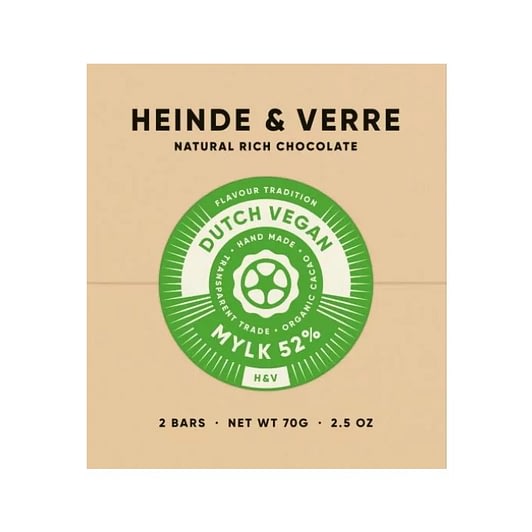
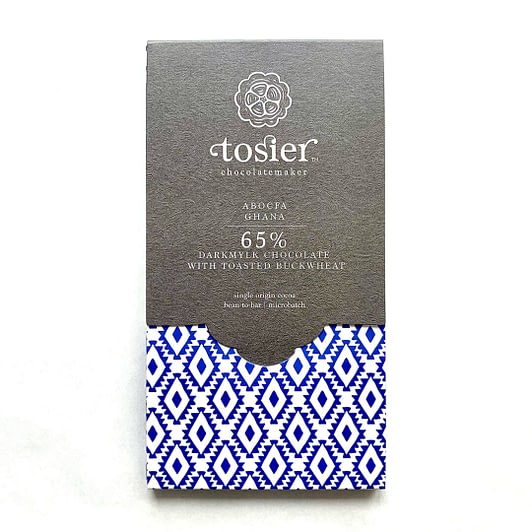
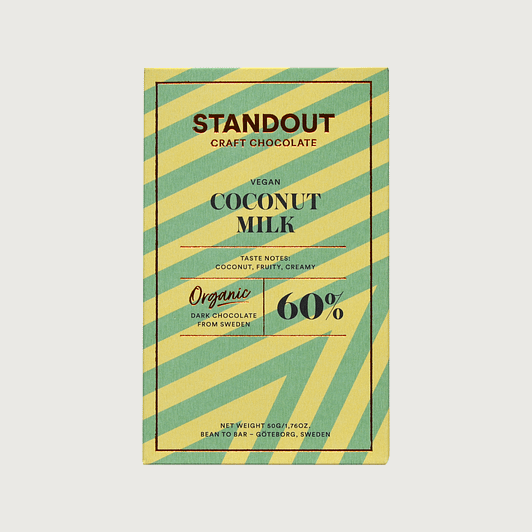
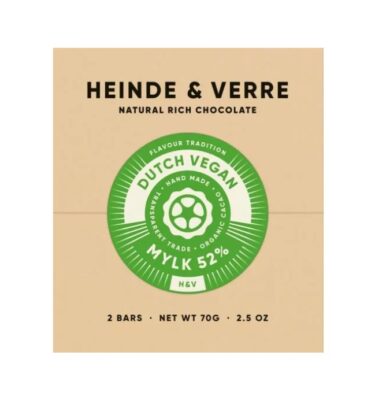
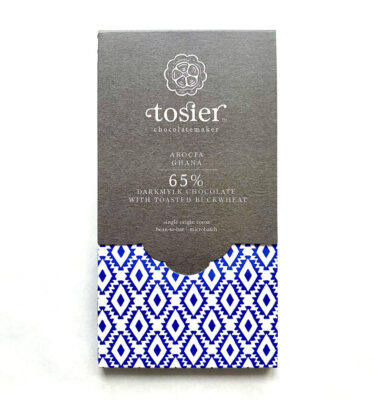
How about trying some “milk” chocolate which skips the cow? Here are some great ‘alternative milk’ bars:
Conclusion
If your head is spinning, doing the research here made mine spin too. Trying to disentangle myths and false claims is complex.
Bottom line; we’d all be better off with craft chocolate. Simple ingredients. Clear approach with chocolates; dark, white, milk and m*lk; that taste great, do great for farmers and the planet and do great for your health. No need for false claims, myths, and excessive small print.
Thanks.
Keep savouring!
Spencer
p.s. In case you’d like some more legislative reading, please click below for why both in Europe (inc. the UK) and the US, plant-based “m*lks” can’t be called “milks”.