What do your pets know about scoffing and savouring?

April 11th is National Pet Day in the UK; a great excuse to treat your...
Print / PDFApril 11th is National Pet Day in the UK; a great excuse to treat your...
Print / PDFApril 11th is National Pet Day in the UK; a great excuse to treat your pet and a good time for us to caution you against the dangers of feeding your pets foods which aren’t good for them.
We’ve warned you about some of these potentially disastrous threats before. In particular, DO NOT offer your dog any chocolate; dogs react very badly to the primary stimulant in chocolate (theobromine). Although for us humans, the theobromine in chocolate is GOOD news.
But a few are more surprising; you also shouldn’t feed cats chocolate, especially milk chocolate (cats, like many humans, are lactose sensitive). Indeed, many of the other treats we think to offer pets are also problematic; back on the subject of Easter, bunny rabbits should not be given too many carrots.
While craft chocolate is all about savouring flavour, we shouldn’t be surprised that our pets all too often scoff. Unlike humans, animals like dogs, cats, rabbits and almost all other pets can’t savour flavour. Animals lack the ability to detect aromas via their mouths so once something is in their mouths, our pets can only react to tastes like sweetness, saltiness, bitterness, fattiness, etc. This also explains why, for instance, dogs scoff all their food in the way we scoff mass-produced confectionery, junk food, etc. as these are all about (ab)using our taste for sweet, salty and fatty foods.
If you’re short on time, you can watch my video summary instead:
What is theobromine …and why is it good for humans?
Following a series of remarkable alkaloid discoveries starting with morphine (1804), caffeine (1820), nicotine (1828), etc., the Russian chemist Alekasandr Voskresensky discovered an alkaloid in the fruit of Theobroma cacao (aka the cacao/cocoa tree) in 1841. He called it ‘theobromine’, reflecting the etymology of “food of the gods” (aka, the cocoa tree; called “Theobroma cacao” by Carl Linnaeus).
Theobromine is remarkably similar to caffeine, but they differ by one ‘methyl’ (the technical formula for theobromine is C7H8N4O2 versus caffeine which is C8H10N4O2). This makes for a crucial difference; since theobromine has one less methyl than caffeine, it doesn’t cross the blood-brain barrier. Unlike caffeine, theobromine doesn’t keep you awake, increase adrenaline, make you jittery, etc.
Instead, theobromine is great for our hearts, moods and blood pressure. As theobromine is absorbed in our bodies it stimulates the release of nitric oxide, which then reduces the enzymes in our blood that constrict our blood vessels. As a consequence, theobromine causes our blood pressure to decline. At the same time, theobromine interacts with other enzymes in our heart and lungs promoting vasodilation and bronchodilation. This is one reason why dark chocolate is often recommended to help asthmatics breathe more easily. Theobromine (and caffeine) are also diuretics (bluntly put, they encourage you to pee). Back in the early 1900s, chocolate was regularly prescribed as a diuretic and a way to treat fluid build-ups in the legs, hands, etc.
Note: Although the primary stimulant in craft chocolate is theobromine, there is also some caffeine in all chocolate, so if you are very sensitive to caffeine, beware too much dark chocolate at night. Likewise, please note that the primary ingredient in most mass-produced chocolate bars is SUGAR, which is highly addictive (unlike theobromine) and likely to keep you awake.
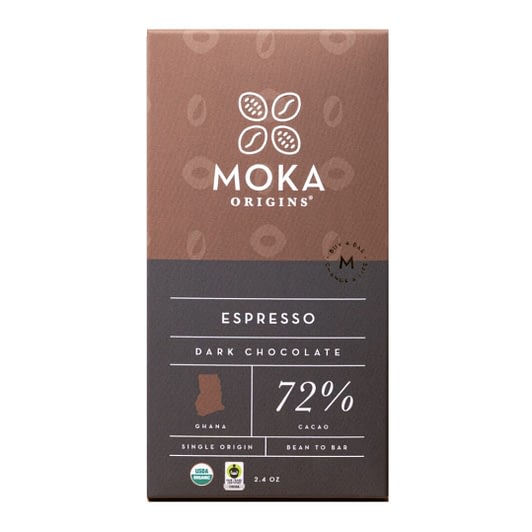
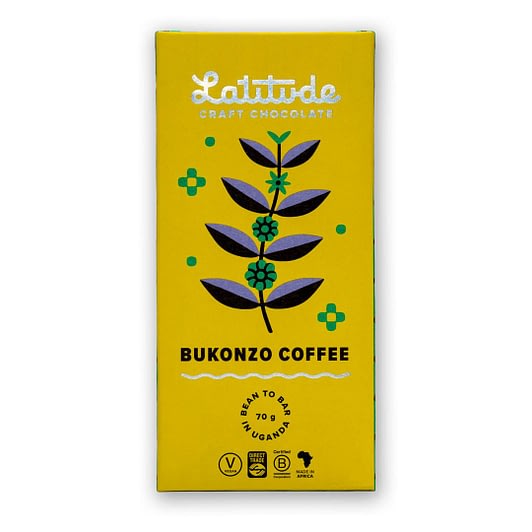
(Check out some great bars which find the meeting place of theobromine and caffeine; where chocolate and coffee meet):
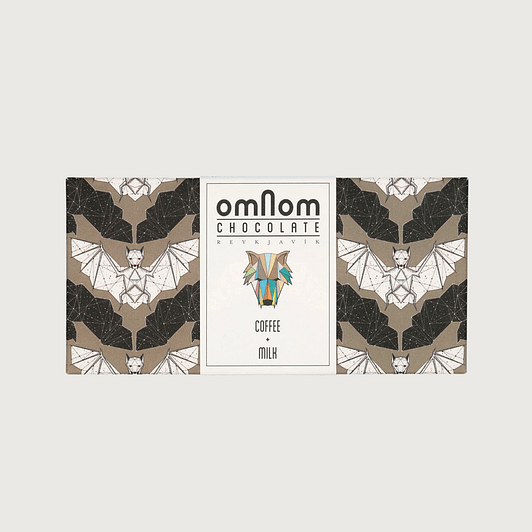
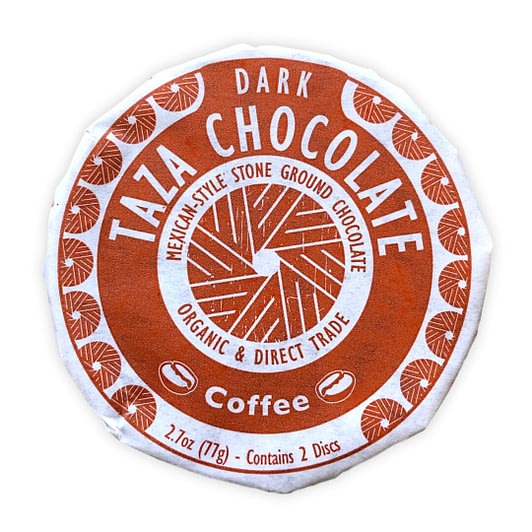
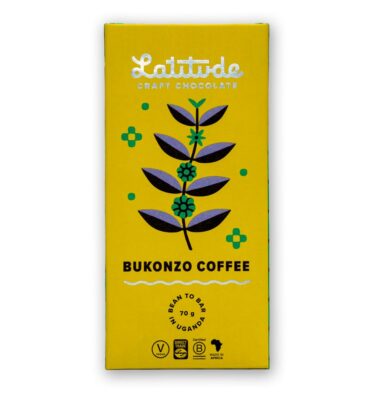
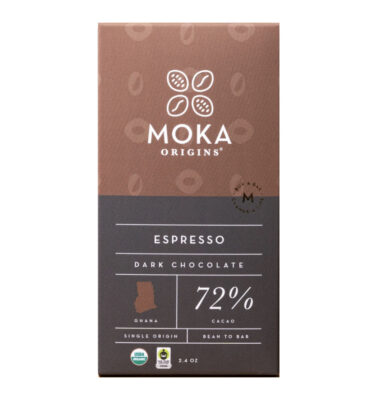
…But why is theobromine not good for dogs (or cats)?
Unlike humans, dogs (and cats, and many other animals), have a hard time digesting theobromine. Technically, dogs rapidly absorb theobromine into their gastrointestinal tract but it is then recirculated in their livers for 12-36 hours. This can cause vomiting, diarrhoea, hyperactivity, and even seizures at high doses. The more chocolate, and therefore theobromine, consumed the greater the severity of symptoms (so high percentage dark bars are worst). Most symptoms will begin to appear within two hours of ingestion, but as dogs metabolise theobromine relatively slowly, it can take as long as 24 hours for symptoms to appear and up to three days for recovery.
Note: Somewhat unhelpfully, various pet companies sell ‘chocolate treats’ for dogs. Often these are made out of carob (i.e. not cocoa/chocolate). Sometimes, they claim to contain only trace amounts of chocolate or that the theobromine has been extracted; confusing and not helpful by a long shot!
Why is milk chocolate really problematic for cats?
It’s not just dogs that are allergic to chocolate, cats too cannot easily metabolise chocolate. There is a further complication; cats are also very sensitive to cow’s milk, so most milk chocolates are doubly problematic. Although cats are not typically ‘allergic’ to cow’s milk, many cats are lactose intolerant; that is to say they don’t have enough of an enzyme called lactase which is what is needed to break down lactose, a sugar found in milk and dairy products.
So while cats may enjoy the taste and textures of cream, milk, ice creams etc., consuming these can cause them serious gastrointestinal issues such as diarrhoea, vomiting, and abdominal pain. Kittens have a higher tolerance for lactose because they produce more lactase to digest their mother’s milk. However, as cats grow older, lactase production declines, making lactose more challenging to digest.
What are some other common misconceptions about treats for pets?
Battersea Dogs & Cats Home has a cornucopia of other great suggestions on what NOT to feed your dog. These include: onions, leeks, garlic, and other alliums (can cause blood poisoning), corn on the cob (can block up their stomachs), macadamia nuts, avocado (the persin in avocado is poisonous for dogs), artificial sweeteners; especially xylitol (provokes a disastrous insulin spike), and alcohol (likely to lead not just to intoxication but also diarrhoea and worse). Many of these foods are not great for cats either.
There are also a few other myths about foods that are supposedly good for pets. For example, although carrots are often associated with rabbits (thanks but no thanks Bugs Bunny), at best they should be an occasional small treat. Carrots are high in sugar, and will rapidly lead to bunny obesity and dental problems. Rabbits really need lots of stuff like hay so they can get their required fibre for proper digestion. Don’t be dismayed about the carrots; if you want to treat your rabbit, fresh, leafy greens such as kale, romaine lettuce, and arugula, are a far better bet.
That said, be warned that it’s NOT a good idea to feed your guinea pig iceberg lettuce (too much water), broccoli or cabbage (can cause bloating), and onions, leeks and other alliums are to be avoided. On the other hand, it is ok to feed your guinea pig romaine, green leaf, and red leaf lettuce, and, like rabbits, they need lots of fibre.
Other lessons our pets can teach us about scoffing and savouring
There is also a fundamental difference in the way our pets can enjoy their treats and foods to the way we can enjoy our meals, snacks and drinks. Humans are (almost) unique in the animal kingdom for being able to ‘savour’ food in our mouths, detecting not just tastes (sweet, sour, salty, bitter, umami, fattiness, etc.) but also enjoy aromas via what is called ‘retronasal olfaction’. Or to put it more simply; when we put food in our mouths, flavours and aromas are released, which pass back up via our olfactory system (our sense of smell), allowing us to savour food. Almost all other animals have a ‘transverse lamina’ that prevents any aromas from passing from their mouths up into their olfactory system. Dogs, cats, and other animals can all smell aromas with their noses. Unlike humans, however, cats and dogs can’t enjoy all the amazing aromas of food as these are released in their mouths, so they can’t sit back and ‘savour’.
Animals detect tastes in the same way we ‘taste’ when they eat food; that is to say, they can detect the likes of sweetness, saltiness, sourness, bitterness, fattiness, umami (i.e., “deliciousness”) from receptors on their tongue and digestive tracts. These receptors act incredibly quickly, in literally tenths of a second. The speed at which sweetness, saltiness, fattiness, etc. hit our taste receptors can encourage scoffing. By contrast, flavours and aromas are released far more slowly; you can start to detect the early flavours in 3-5 seconds as e.g. the craft chocolate starts to melt. More and more will be released by the heat and enzymes in your mouth as a “wave of flavour” over the next 5-30 seconds or more.
Note: Not all animals have all the same range of taste receptors; for example, dogs can detect (taste) sweetness but cats cannot detect sweetness. This may be one reason why dogs scoff much more, as sweetness is the fastest acting of all our taste receptors.
(Put your remarkable human senses to work savouring the subtleties between comparable bars):
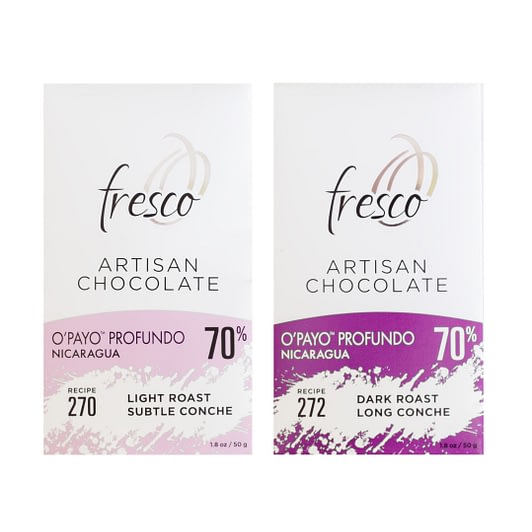
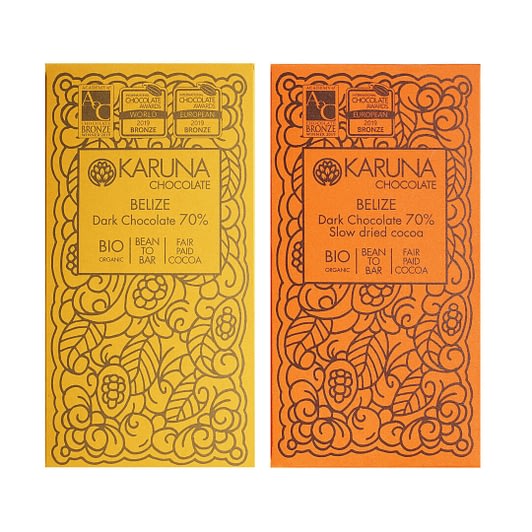
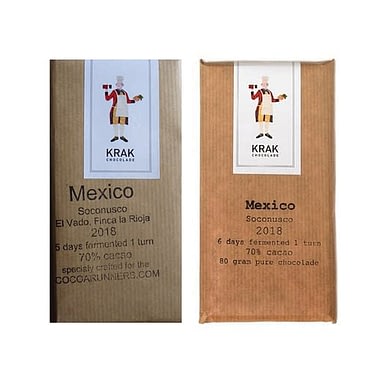
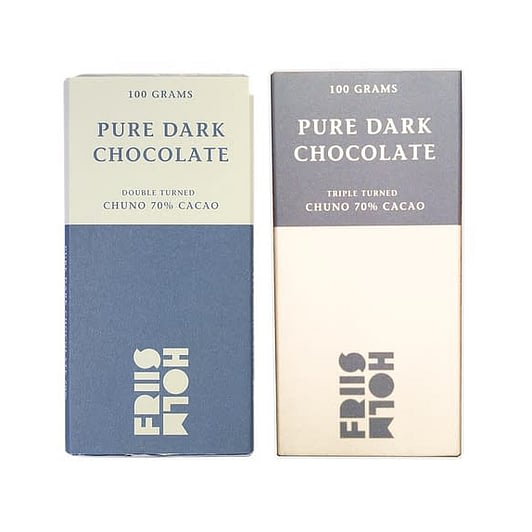
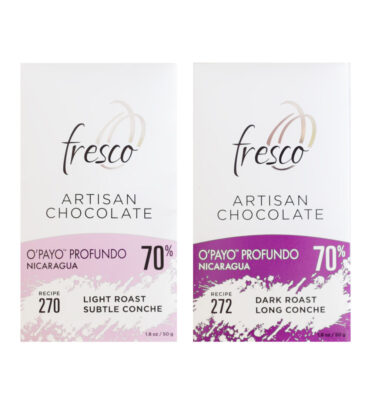
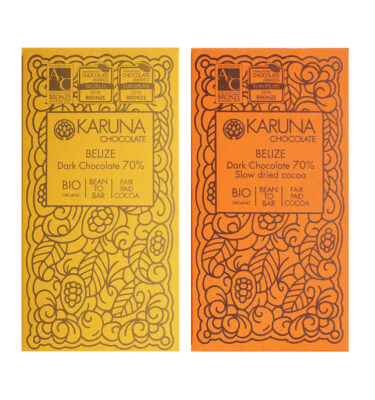
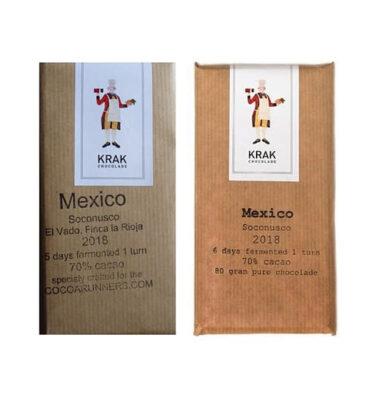
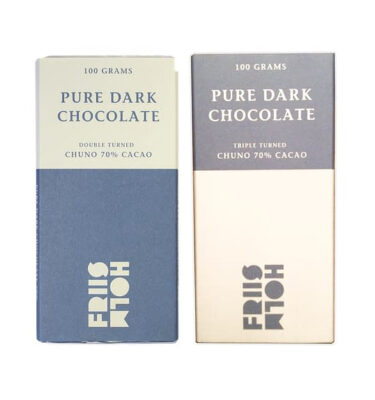
The ‘evil genius’ of mass market confectionery, processed foods, junk snacks etc. is three-fold; getting us to (ab)use our taste buds via the bliss point (the combination of sugar, salt and fat that we find irresistible), causing us to ignore the amazing flavours that nature has given us with natural foods, and getting us to scoff more and more branded, empty calories.
Thank You!
On National Pet Day, please do reflect on this precious insight from your pets; the uniquely human ability to savour, not scoff. One final, summary word of caution: No chocolate for your dogs, no milk chocolate for your cats and beware of too many carrots for your bunnies!
Thank you as ever for your support. If you are reading this and celebrating Easter with some great craft chocolate after abstaining for Lent, we wish you happy savouring!
Spencer
p.s. Congratulations to Pedro and the Vinte Vinte team’s new product launch on April 1st of a Broccoli bar, second only to Georgia Ramon (an actual bar we sold, now discontinued). And this DEFINITELY would not be good for many pets.