Pucker Up This January!

January is a time of new beginnings, new resolutions, and new ambitions. And we’d also...
Print / PDFJanuary is a time of new beginnings, new resolutions, and new ambitions. And we’d also...
Print / PDFJanuary is a time of new beginnings, new resolutions, and new ambitions. And we’d also like to make it a celebration of puckering!
After the delights of the holidays, many will choose to abstain via the likes of Veganuary or Dry January.
We at Cocoa Runners delight in Veganuary as a way to showcase how our dark craft chocolate bars (unlike many mass-produced supermarket dark chocolate) are not adulterated with bulking agents like buttermilk, whey powder etc. And it’s also a great time to try some vegan ‘mylk’ (and ‘whyte’) bars made with oat, almond, cashew, and many other plant-based ‘milks’.
And we’d also like you to celebrate puckering, delight in our sense of sourness, and uncover the science of fermentation. Read on!
In Praise of Fermentation
Fermentation is critical for digestion and nutrition, with our guts fermenting food after we’ve eaten.
It’s also the basis of an estimated 25-40% of all the foods we eat. So what exactly is fermentation?
Technically fermentation is defined (by Wikipedia) as a “metabolic process that produces chemical changes in organic substrates through the action of enzymes… In food production, it may more broadly refer to any process in which the activity of microorganisms brings about a desirable change to a foodstuff or beverage“.
Fermentation has also become a huge buzzword for all sorts of technological and industrial start-ups and industries. Again, to quote Wikipedia; “Industrial fermentation is a more broader term used for the process of applying microbes for the large-scale production of chemicals, biofuels, enzymes, proteins and pharmaceuticals“. Or to put it more practically, think about Quorn and all the more recent plant-based meats as leveraging the magic of fermentation.
On a more practical level, craft chocolate, wine, beer, coffee, bread, and many other wonderful foods and drinks are the result of ‘traditional’ fermentation:
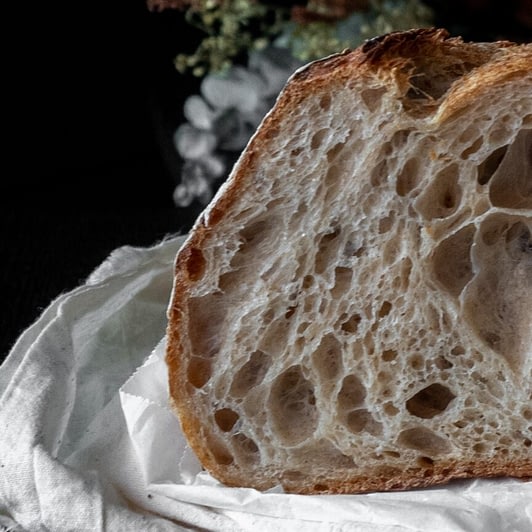
Grapes are turned into wine via the magic of fermentation of their sugars by yeasts, ditto cereals into beer. To make sourdough, wheat (and other grains) are transformed via yeasts into bread. And the bitter, astringent seeds of the cocoa pod are magically transformed by fermentation into the complex flavours and sour tastes we celebrate in cocoa beans and craft chocolate.
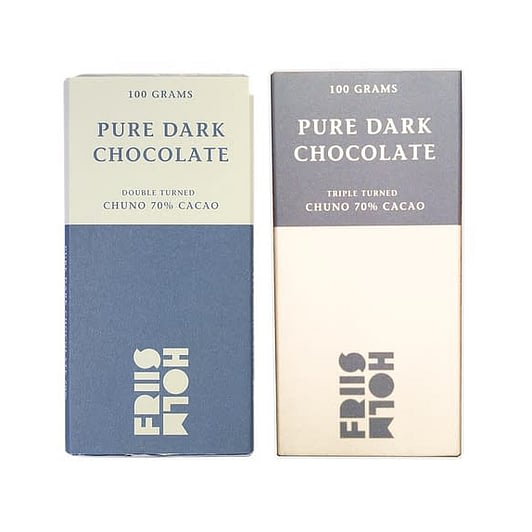
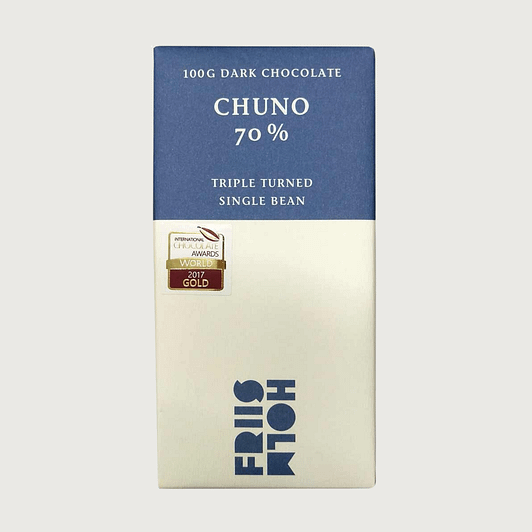
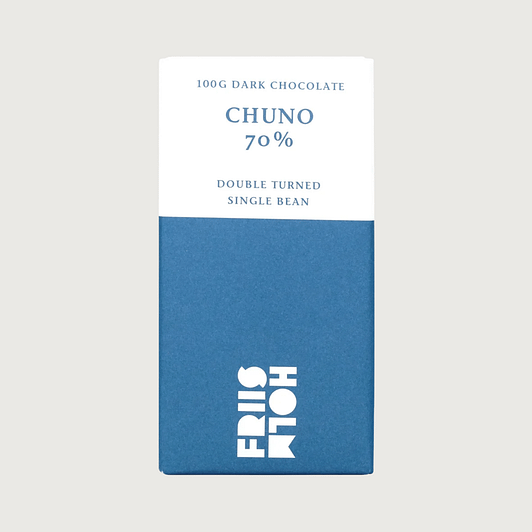
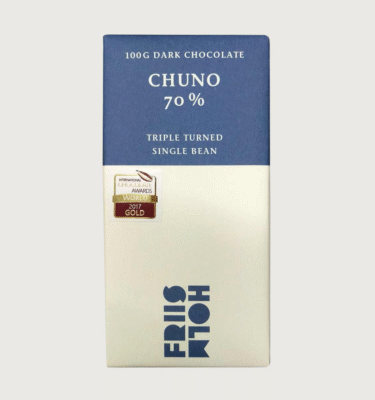
Explore how something is (seemingly) simple as ‘turning’ cocoa differently during its ferment affects flavour with these different bars from Friis Holm:


Fermentation vs Fire, and the Start of Civilisation
One of the great puzzles of Homo sapiens is how we found time to become “civilised”.
Most other animals have to spend a tonne of time not just hunting (or scavenging) for food but also need a tonne of time to digest and absorb nutritional value from this food. But somehow homo sapiens solved this issue.
Back in the early 2000s, Richard Wrangham suggested that the start of human civilization could be attributed to humans learning to control fire and cook our food, giving us the ability to extract far more nutrition from meat, fish, vegetables etc. And this gave us a massive advantage, especially as being omnivores we can eat so many foods.
In the last few years, an intriguing addition to this “cooking theory” has been posited; that humans also became civilised because of our delight in sourness and our discovery of fermentation.
Why do we have sour taste receptors?
All animals (or at least all vertebrates) have taste receptors; that is to say, the ability to detect saltiness, sweetness, umami, fattiness, bitterness, and sourness.
Interestingly, not all animals have the same taste receptors; for example, cats can’t detect sweetness.
Humans are also blessed with the ability to detect flavours and smells, not just with our noses but also with our mouths.
Scientists have long realised the evolutionary advantages of many of these taste receptors and of humans’ unique ability to savour flavours in our mouths. For example, bitterness is well understood as a potential warning of toxins and poisons, and sweetness is a sign of nutritionally dense fruits and vegetables. Umami (the sense of “deliciousness” discovered by Japanese scientist Dr. Kikunae Ikeda in 1907) is now seen as encouraging humans to seek out foods high in nitrogen and amino acids, crucial for our well-being.
And one clear benefit of flavour (and smell) is how it helps us distinguish, delight, and remember some foods, and avoid those that have caused problems.

But until recently, our ability to detect sourness has puzzled scientists. Sourness’ evolutionary benefit wasn’t obvious. However, over the past decade, a number of intriguing hypotheses have been advanced; in particular:
- At some point in our evolutionary development, humans lost the ability to produce vitamin C. In response, scientists have suggested that we’ve used our ability to detect sourness to secure our need for vitamin C, as sour fruit (and vegetables) are a good indicator of vitamin C content.
- Our sense of sourness also helped us ‘get into’ alcohol. At some point a few million years ago, humans acquired a souped-up enzyme that enables us to metabolise alcohol (it has the catchy title of ‘alcohol dehydrogenase’). This enzyme makes it far easier to process calories from alcohol than other animals, and not get (too) drunk too fast. And the way we can detect alcohol is again via the lactic and other acids in drinks, delighting our sour taste receptors.
- Our ability to detect sourness helped humans (and other primates) work out which fermented foods were safe to eat. Rotten acidic fruits are safe to eat thanks to the presence of lactic acid and/or acetic acid bacteria which (almost always) kill bad new bacteria. Other forms of fermentation that don’t involve lactic acid (and hence aren’t sour) are not good for us (e.g. rotten meat has rotted thanks to a very different sort of bacterial fermentation). And foods that have undergone a lactic, or acetic, based fermentation also tend to be more digestible and nutritious, as well as being safer.
So in addition to the discovery of fire, it may well be that the application of fermentation, in combination with our ability to detect, and enjoy, sour tastes put Homo sapiens on the path to civilisation.
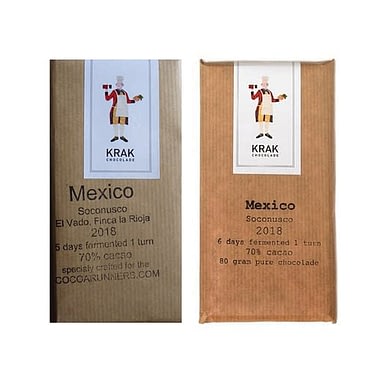
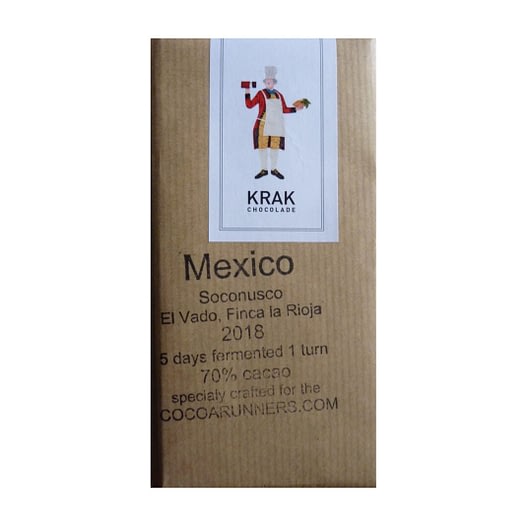
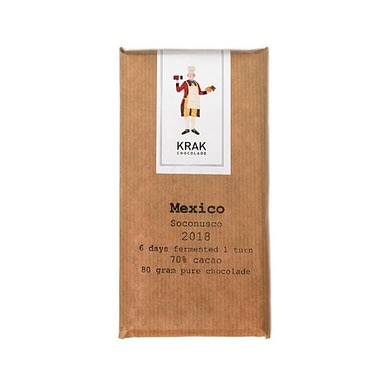
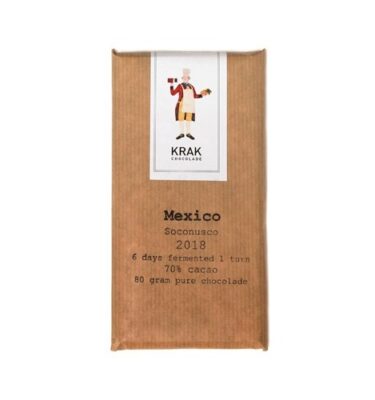
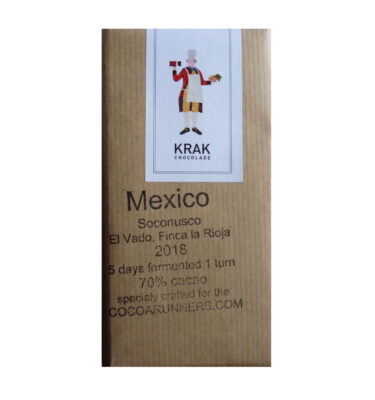
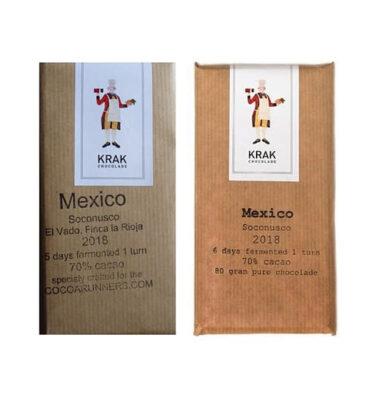
Explore what a difference a day makes with these bars from Krak which have been fermented with a single day’s difference:
But how did we discover fermentation?
Fermentation provides some pretty extraordinary cases of human ingenuity dating back thousands of years, for example:
- The use of pottery to create wine by putting grapes into these ‘amphorae’, and allowing natural yeasts to work their magic, can be traced back to 6500 BC in what is now modern-day Georgia.
- Realising that cheese could be fermented from milk placed into cow, sheep, or goat intestines is another eureka moment all gastronomes appreciate (the earliest record we have of this comes from Croatia in about 5000 BC).
We are also blessed with many products that naturally ferment thanks to yeasts in the air; for example beer, bread, and many fruits (including chocolate). Archaeologists, historians, and national champions each have their own theories as to who first worked out that cereal could transform into beer, with China and Iran both claiming millennia old traditions. Which people discovered that cereals could be fermented into bread is similarly disputed and possibly even predates the agricultural revolution of 12000 BC.
Chocolate seems more clear-cut: The earliest traces of theobromine (one of the chemical stimulants created by the fermentation of cocoa beans) can be dated back to 3500 BC in modern-day Ecuador thanks to archaeological studies of pot fragments at Santa Anna La Florida. So it’s now Ecuador, not Mexico, that can claim the longest tradition for cacao and chocolate. It may well be that humans were consuming fermented cocoa beans well before then as cocoa seeds will naturally ferment into beans when left in a pod (the so-called ‘Lavado method‘). But we’ve not (yet) any earlier records of theobromine than those of the Chinchipe people in Ecuador.
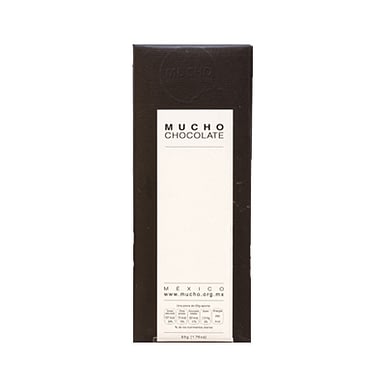
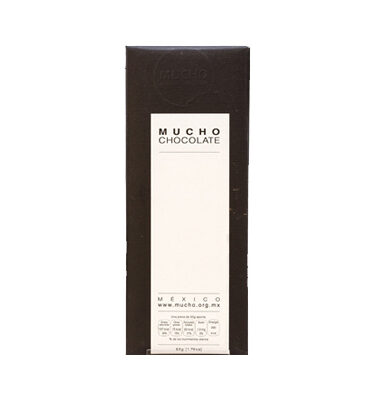
Try these bars from Mucho and discover the effect of ‘the Lavado method’ of fermentation on chocolate’s flavour:
There are also claims that around 1000 BC, a pre-Olmec civilisation had worked out how to ferment cocoa pulp into a light beer-like alcohol in Puerto Escondido (situated in modern-day Honduras), so it may be that this is what the Chinchipe were also doing in Ecuador.
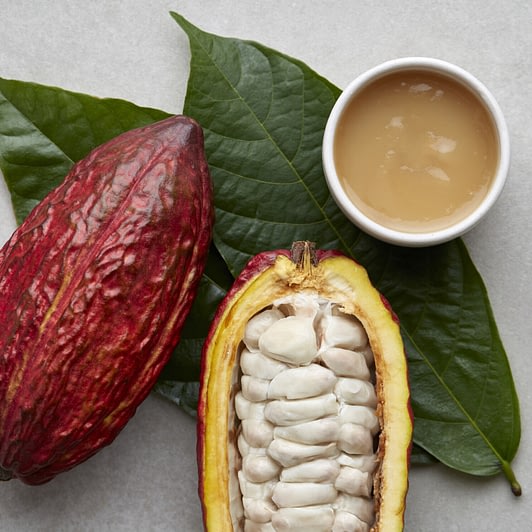
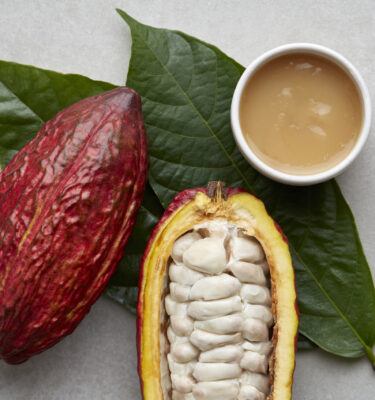
Try some cacao pulp yourself! These pasteurised pouches of pulp are non-alcoholic, but show you the wonderful flavour of this fruit:
Even Earlier History
The discovery of fermenting fruit may well have a far longer history, and not just one for Homo sapiens. Katie Amato, an anthropologist who studies both human and primate behaviours and gut microbiomes, has suggested that both we and the likes of lemurs, capuchins, and spider monkeys may have worked out how to ferment foods millions of years before any archaeological records have left us analyzable evidence. Amato, along with Liz Mallot, have convincingly described how humans aren’t the only animals who understand the power of fermentation, showing how, for example, capuchin monkeys will deliberately climb up tall almendro trees, pluck the thickly husked fruit, drop it on the floor of the forest and then 2-3 weeks later, after the fruit has fermented, come back and feast on these delights that they can now enjoy.
Puckering This January
So this January, to celebrate the wonders of fermentation, the basis of all great craft chocolate and many other delightful foods and drinks, please do consider “puckering up”.
And if you are celebrating Veganuary please also sample some great alternative mylk bars (that are vegan) and any of our dark bars.
And/or if you are practising a ‘dry January’, why not come to our virtual craft chocolate and coffee tasting with Square Mile on the 21st January.
And plan ahead for Valentine’s Day with our tastings with the Wine Society and Hedonism wines.
Happy New Year.
Spencer
p.s. If you want more facts and background on fermentation, sourness etc. please see the links below to some of these studies. And as they all acknowledge, there is still much we don’t understand. For example, the only gene so far associated with the sour taste receptor is called OTOP1, and this gene is also associated with how our inner ear helps us balance. The link between sourness and balance remains mysterious.
p.p.s If you want to discover even more miracles from fermentation, please see the blog for more on how (aerobic) fermentation is turning mushrooms into proteins which, when combined with umami from e.g., fermented fava beans, may well truly give your supermarket mince a run for its money.
p.p.p.s If you want to read more about one of the very few animals that has gone from being an omnivore to becoming a herbivore (i.e. going Veganuary full time) see here.
Resources and further reading:
https://fermentology.pubpub.org/pub/seq07ojk/release/1
https://fermentology.pubpub.org/pub/2h9z1g3y/release/2
https://royalsocietypublishing.org/doi/10.1098/rspb.2021.1918#
https://www.science.org/content/article/pucker-why-humans-evolved-taste-sour-foods
https://www.worldhistory.org/article/223/beer-in-the-ancient-world/
https://www.journals.uchicago.edu/doi/full/10.1086/715238
https://www.sciencedaily.com/releases/2007/11/071119103540.htm