Coaxing Flavour with Roasting, Grinding and Conching
One of the never-ending delights of craft chocolate is the myriad flavours that growers and...
Print / PDFOne of the never-ending delights of craft chocolate is the myriad flavours that growers and...
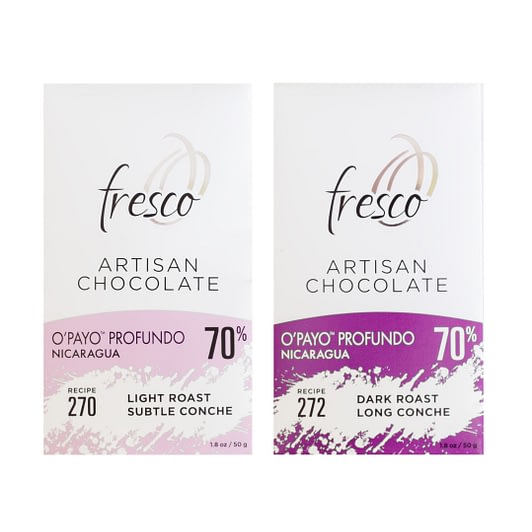
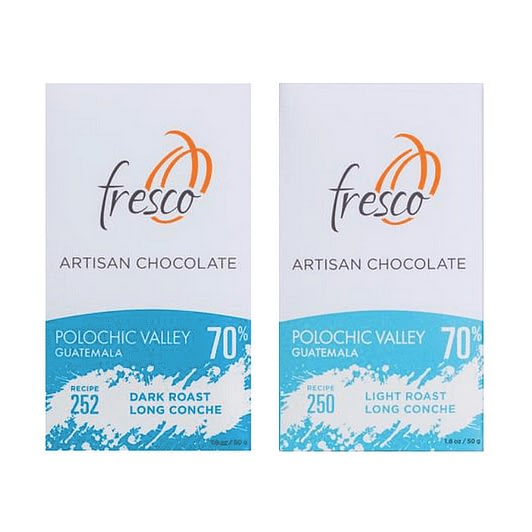
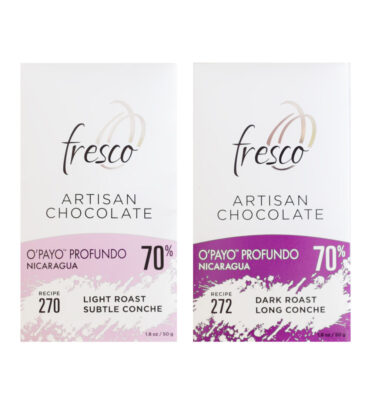
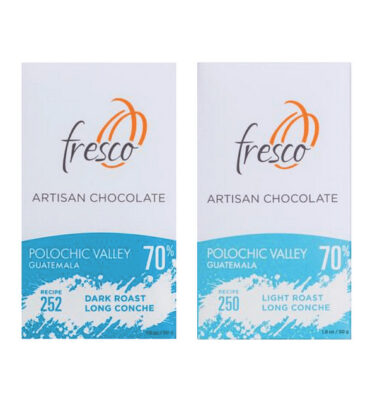
Print / PDFOne of the never-ending delights of craft chocolate is the myriad flavours that growers and makers can coax out of their beans and into bars. And we believe that there is no better way to truly appreciate and savour these creations than by comparing and contrasting them. So we are delighted to have back in stock a range of bars from Amy and Rob Anderson of Fresco Chocolate (based in Washington in the US); these bars showcase not just how beans from different farms yield radically different flavours, but also how the same beans, from the same harvest, can produce unique flavours when roasted and conched differently.
Coffee roasters emphasise the significance of their roasting techniques. And if you go into any speciality coffee store, the barista will wax lyrically on the power of different roasts to find you the perfect coffee. The same is true for chocolate, but it’s far harder to experience this. And it’s also compounded by the importance of ‘conching’.
So do seize this opportunity; to explore some of Amy and Rob’s amazing bars to compare and contrast different origins, roasts and conches. And do share with any coffee lovers! (They’ll also enjoy next week’s email where we’re going to explore some of the many lessons speciality coffee can teach craft chocolate).
At the same time, we’ve used this opportunity to explore the whats, whys and hows of roasting and conching in craft chocolate.
Roasting, Maillard Reactions, and the Genesis of Civilization
There are LOTS of theories about the origins of civilization. One somewhat controversial one is around our love for beer and alcohol (and this does seem to be how our ancestors figured out how to ferment bitter, astringent cocoa seeds into far more interesting cocoa beans).
Another popular theory, often credited to the anthropologist Richard Wrangham, is that the discovery of cooking with fire provided the impetus for civilisation. Essentially, Wrangham argues that it not only makes many foods more delicious (in particular meats and many vegetables) but also far safer and more nutritious. And a large part of the magic of cooking can be attributed to a process known as Maillard reactions, discovered accidentally by the French chemist Louis Camille Maillard as part of his research into kidney diseases and urea in the 1910s.
Many aspects of the Maillard reaction are still being investigated and debated by food scientists and chefs. But essentially the Maillard reaction describes how, when stuff is heated from 140 to 165°C (280 to 330°F), a series of simultaneous chemical reactions occur whereby proteins (aka amino acids) and sugars are transformed to produce new flavours, aromas, and colours.
It’s a different process to caramelization (the transformation of sugars), but often happens in tandem. And the two are all too often unfortunately conflated, leading to lots of confusion.
If you read any serious cooking book, (e.g. Harold Magee) whole chapters will be dedicated to it. And for coffee, it’s a key step. James Hoffmann has produced blog posts, and more recently YouTube videos about it.
The Maillard reaction is also crucial to explaining the flavours of any chocolate bar. It’s this magical Maillard reaction, buttressed by a little caramelisation, which explains how the proteins in the cocoa bean are transformed to release and create pyrazines, pyrroles, and furans, which contribute to all those incredibly complex flavours we know and love; those roasted, nutty, fruity, earthy, jammy, and caramel-like flavours.
But unlike speciality coffee, very, very few craft chocolate makers will explain what sort of roast they are using for different beans and origins. Amy and Rob are exceptions here, and trying their different roasts is not just delicious but hugely revealing.
Roasting and its Misconceptions
A couple of other quick asides on roasting):
The first is the key distinction between unroasted, ‘flash-roasted’ and so-called “raw” chocolate. Raw chocolate is a misnomer and technically nonsense that doesn’t exist; essentially, as all chocolate is made with fermented beans no chocolate can technically be described as “raw”.
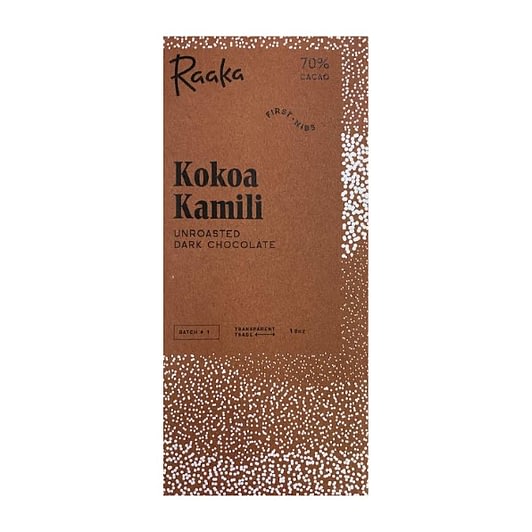
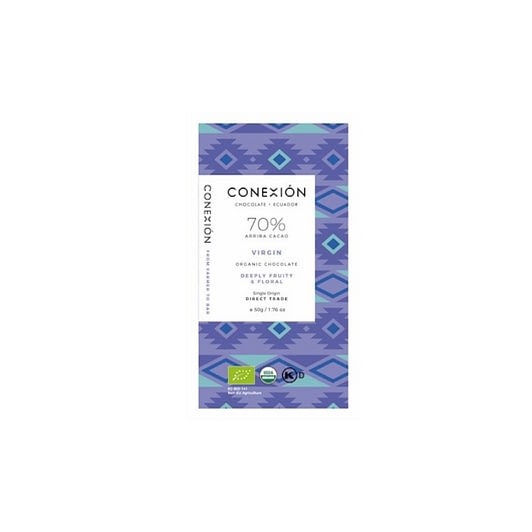
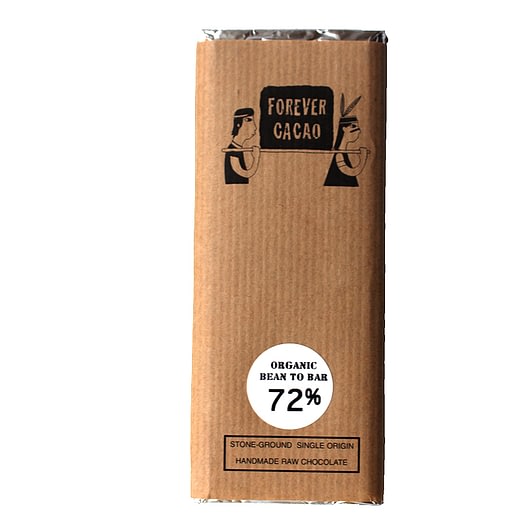
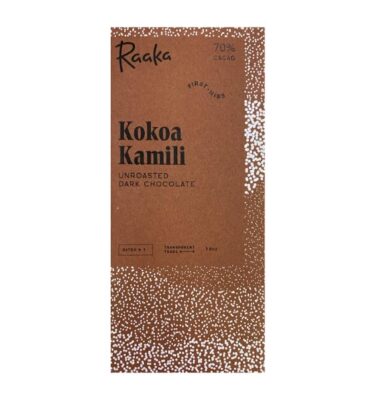
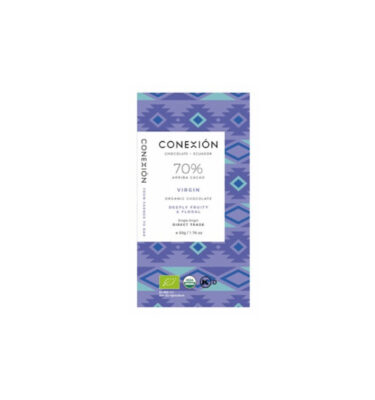
Having said this, there are some DELICIOUS flash roasted (aka ‘virgin roasted’) beans; try bars from Conexión. There’s also Raaka and Forever Cacao, both crafting some intriguing “unroasted” bars.
The second difference lies in the roasting approach between craft chocolate makers (who focus on coaxing out flavours) and mass-produced manufacturers (who prioritise consistency and cost). In an effort to reduce costs, mass-produced chocolate is often made by ‘nib roasting’; that is to say using high pressure to remove the cocoa bean shell BEFORE roasting. This increases yields by 3-5%, but dramatically reduces the flavour potential of the beans. Additionally, to achieve consistency and to cover up any defects from e.g., mouldy beans, mass-produced chocolate is often heavily roasted, sometimes to the point of tasting burnt and bitter.
(Side note: Even the most stringent quality standards for cocoa beans still allow for 2% mould in a batch of beans, hence why craft chocolate makers are so insistent on hand sorting before roasting, and hence why mass-produced manufacturers opt for a darker roast).
Conching
The back half of the 19th Century was a GREAT time for chocolate inventions. Fry’s are credited with inventing the first chocolate bars for eating in the late 1840s. Three decades later, Daniel Peter and Henri Nestlé cracked how to add milk powder into chocolate, creating milk chocolate bars. Around the same time, Rodolphe Lindt worked out that conching chocolate not only dramatically changed the texture of chocolate, but also its flavours.
Unlike the innovation of the bar as a format to consume chocolate, conching’s importance is not immediately obvious. But it’s still incredibly important, and without it, chocolate would be VERY different.
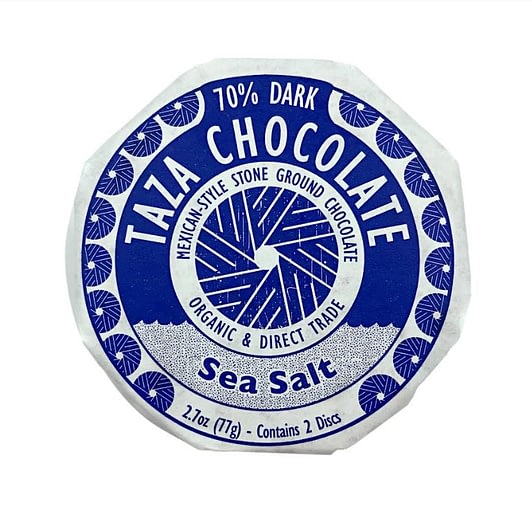
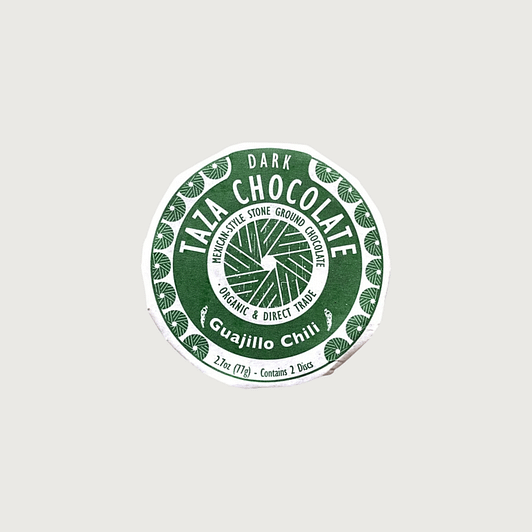
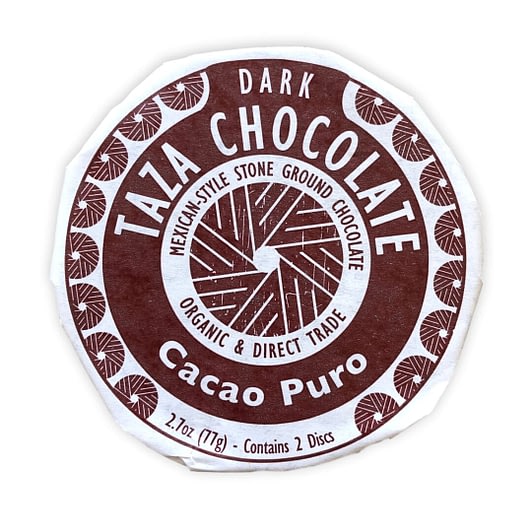
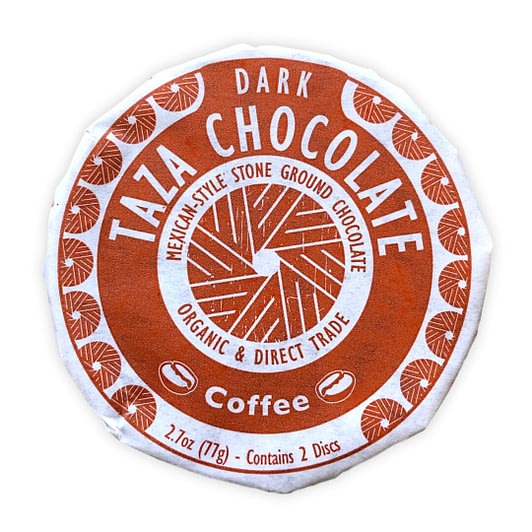
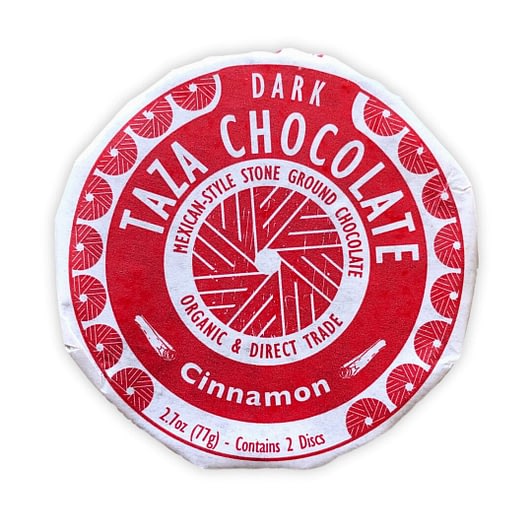
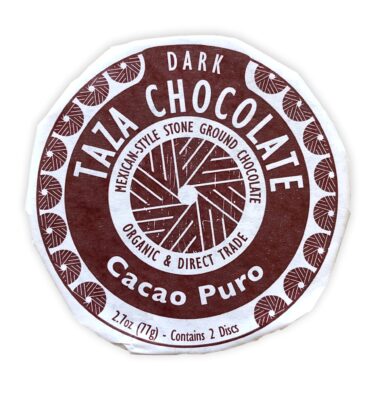
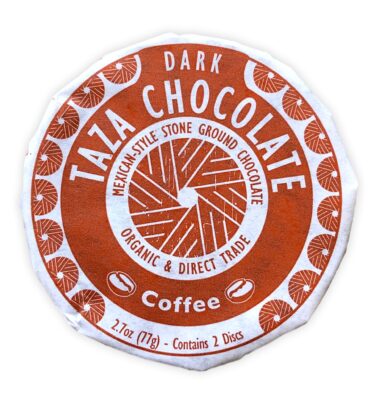
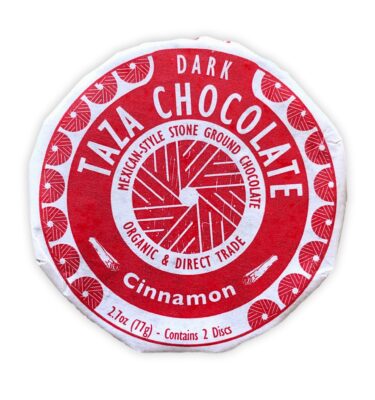
Apocryphally, Rodolphe Lindt (possibly as a mistake) allowed a mixer that was grinding up his cocoa beans to make bars to run over a weekend (or overnight… the details are hazy) in Berne, Switzerland in 1879. Lindt immediately realised that his chocolate was far smoother and less gritty. To gauge the difference, try a stone ground bar like Taza, or even the Mike & Becky stone ground bar, to see what a difference this extra grinding and conching makes.
Lindt also realised that this extra grinding and conching also reduced some unwanted acetic, propionic, and butyric acids from the chocolate. And at the same time this extra conching also creates another set of Maillard and caramelisation reactions which reveal yet more aromas and flavours in the chocolate.
And finally, conching plays a crucial role in developing the smooth and creamy texture of chocolate. The continuous agitation and shearing action during conching break down the cocoa particles and other ingredients (e.g. sugar and milk powder). And this creates the smooth, ‘melt-in-your-mouth’ texture that makes craft chocolate an unrivalled vehicle to release the myriad of complex flavours in great cocoa beans. As we show at the start of every tasting!
Great conches, great roasting, and great beans, are worth savouring. And thanks to Amy and Rob for providing a great range of bars to compare, contrast and showcase the differences each of these steps can make.
Keep savouring!
Spencer
Sources and further reading(/viewing):
https://www.washingtonpost.com/news/voraciously/wp/2020/01/31/the-maillard-reaction-what-it-is-and-why-it-matters/
https://www.youtube.com/watch?v=N6BJVM5tvnw
https://modernistcuisine.com/mc/the-maillard-reaction/
https://www.worldcocoafoundation.org/wp-content/uploads/files_mf/jumnongpon2012.pdf