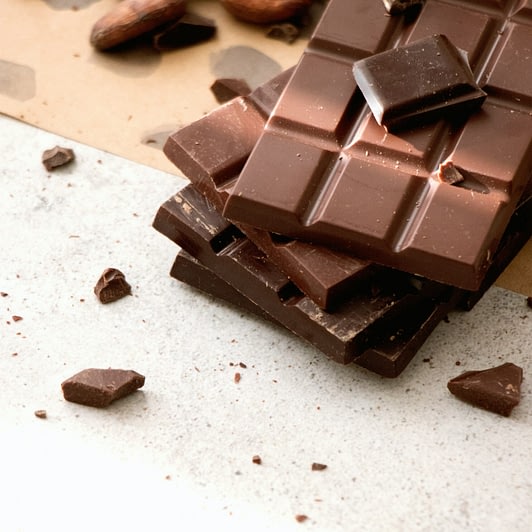
Drinking Chocolate and Heart Health
One of the more intriguing achievements of chocolate marketing over the last few decades is...
Print / PDFOne of the more intriguing achievements of chocolate marketing over the last few decades is...
Print / PDFOne of the more intriguing achievements of chocolate marketing over the last few decades is how chocolate is promoted as being a delicious treat or reward, and also one that’s healthy.
We passionately believe that upgrading to craft chocolate from sugar-filled, ultra-processed chocolate confectionery is far healthier for us all, and also far better for the planet, farmers, and makers.
But the story as to how chocolate and health (especially heart health) became so intertwined is extraordinary. Its origins lie in a 1940s study by Dr Benjamin Kean of the Kuna, a remote tribe living in Panama. Dr Kean himself life was full of adventure (read on for more).
Even though many have been extensively criticised and debunked, health claims spur interest and sales. And once these claims are made, they are really hard to debunk, and all too easy to copy.
Just make sure you read the label of chocolate bars for their ingredients and sourcing practices, but also to read the fine print of any health claims.
The Curious Case of Benjamin Kean
Dr Benjamin Kean was born in 1912 and over his eighty-one years rose through the ranks of the US Army Medical Corps and later became an eminent cardiologist and Professor of Medicine in New York.
Until recently he was best known for his (disputed) role in the Iranian Hostage Crisis of 1979, where his diagnosis persuaded President Carter to allow the Shah to enter the US for medical operations, and that in turn kick-started the hostage crisis. Before this, Kean was well known for his work on malaria, toxoplasmosis, and the causes of traveller’s diarrhoea (which lead to his oft-quoted advice that tourists only eat lettuce that was “sterilised with a blowtorch”). He also convinced US President Franklin Roosevelt to issue navy pilots with shark repellent by showing him shark teeth he’d extracted from US pilots who’d downed in shark-infested waters.
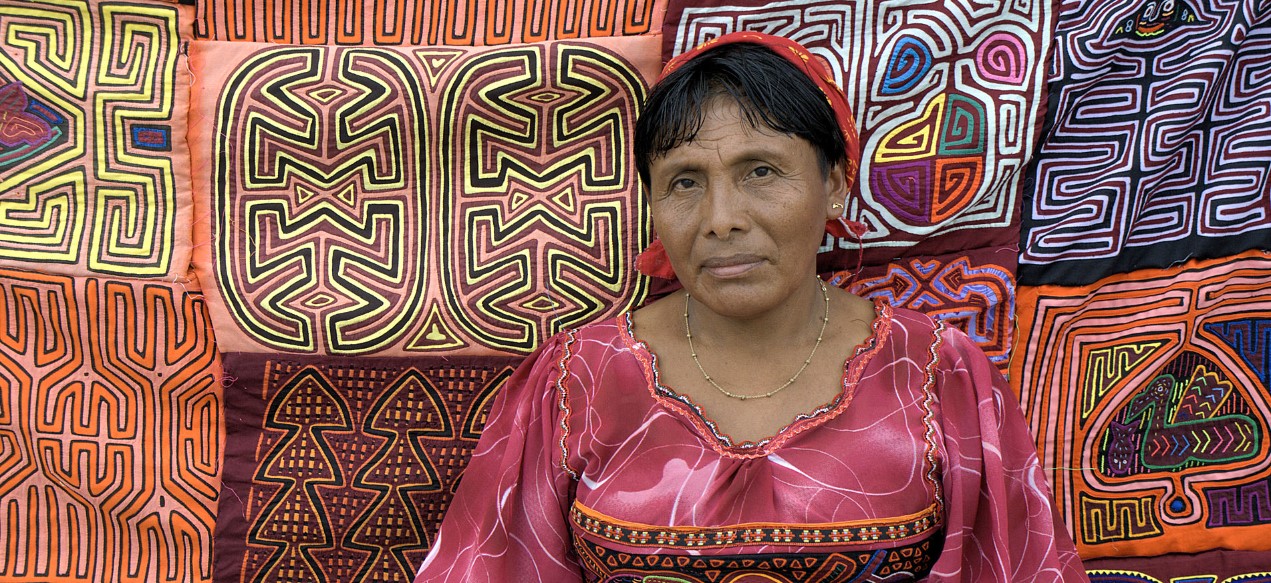
For chocolate, Dr Kean’s claim to fame dates back to the 1940s when he was stationed by the US Army at the Panama Canal. He discovered that the Kuna, an isolated tribe living 20 kilometres off the coast of Panama in the San Blas Archipelago, were extraordinary for their lack of “coronary diseases, stress and … [low] blood pressure”.
Although he published research in various medical journals, little was made of these discoveries until the 1990s when a Harvard professor, Dr Norman Hollenberg, stumbled across the findings. Hollenberg was looking for a genetic condition that would help explain cardiovascular problems (especially heart attacks) and he realised that the Kuna, isolated for centuries from the mainland, might provide valuable insights.
His initial findings were promising: The Kuna did enjoy extraordinary heart health. However, he also rapidly discovered that this couldn’t be entirely genetic as Kuna who moved to Panama City had all sorts of cardiovascular illnesses.
But Hollenberg also made an extraordinary discovery; as he wrote; “the relative risk of death from heart disease on the Panama mainland was 1280% higher than on the islands and death from cancer was 630% higher for … mainland Kuna“. So he started to look for alternative explanations. And he soon found one that led to a long programme of (sponsored) research: The Kuna drank HUGE amounts of chocolate!
“The Kuna are exposed to more cocoa than anyone else on Earth, and they are living longer. This could reflect the exposure to flavonoid-rich cocoa, and if it does, then this is the most important observation since anaesthesia“.
This kicked off a bonanza of scientific research and journalistic articles about the benefits of cacao as “being rich in flavonoids” and therefore able “to stimulate nitric oxide production leading to vasodilation and decreased blood pressure” which in turn “led to the island Kuna’s increased life expectancy, and decreased incidence of common chronic conditions such as hypertension, cardiovascular disease, stroke, diabetes, and cancer“.
Journalists, and marketing departments, lapped this up. Chocolate was touted as a superfood and a cure for heart disease, stress, and multiple other conditions.
Too Good To Be True
Since the publication of Hollenberg’s work, his methodology and conclusions have come under increasing challenge. In particular anthropologists were skeptical of many of the assumptions in theses studies. For example, it turned out that whilst the Kuna do still drink a lot of chocolate, they also eat a lot of fish and fruit (to be fair, Hollenberg did acknowledge this too).
And of even great importance, the cocoa that the Kuna were drinking at the time of Hollenberg’s work, which was supposedly so full of flavonols and epicatechins was NOT the claimed special, local superfood. Since Keane’s earlier observations, most of the local Theobroma cacao trees had been destroyed by various diseases far earlier, so they were importing processed cocoa powder from Colombia. Jeffrey Barnes’ and James Howe’s critiques of the work are excoriating and excruciating; suggesting that these studies were a case of “wishful thinking, inattention to context, and tremendous pressure for positive results“.
Too late to put the cat back in the bag?
One key learning from the Kuna for chocolate makers was that health claims about chocolate REALLY WORK. Or at least, these health claims work really well in persuading consumers to purchase.
Most chocolate is purchased ‘on impulse’, and positioning a chocolate drink or bar as “healthy” and a “superfood”, gives consumers a justification for their impulse purchase. It helps consumers feel good about their little indulgence.
How else to explain the extraordinary success (and marketing genius) of “raw” chocolate? Sold in snack-size bars in health food stores all over the country, raw chocolate has invented more and more spurious health claims as a superfood, a “gift of the gods” which is full of anti-oxidants, high in flavonoids, ORACS, etc. But no (serious) scientific study bears out any of these claims. And given that ‘raw food’ is generally defined as being capable of ‘sprouting’ and never being heated above 45 degrees, it’s hard to understand what “raw chocolate” really means. To make chocolate, you need to take cacao seeds from a pod and ferment them into cocoa beans (which can’t germinate), a process which takes them above 45 degrees. But even though the term is nonsense, and the claims bogus, raw chocolate now has an aura that helps consumers justify their impulse, snack purchases.
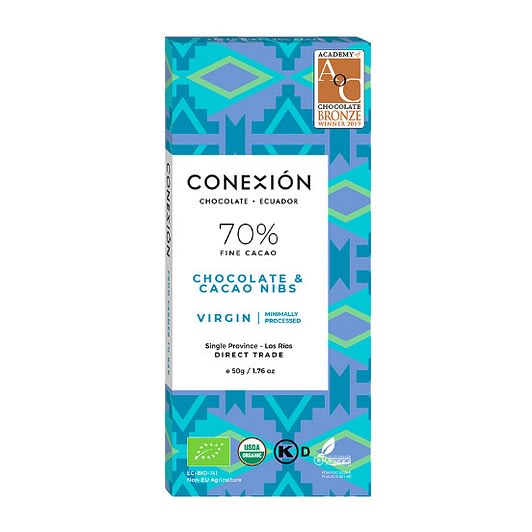
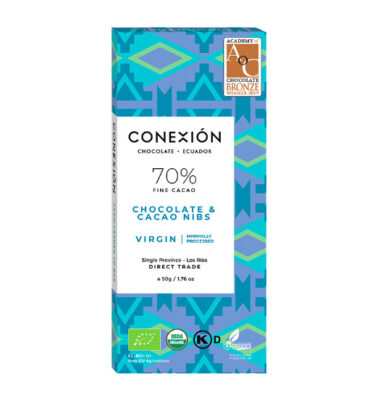
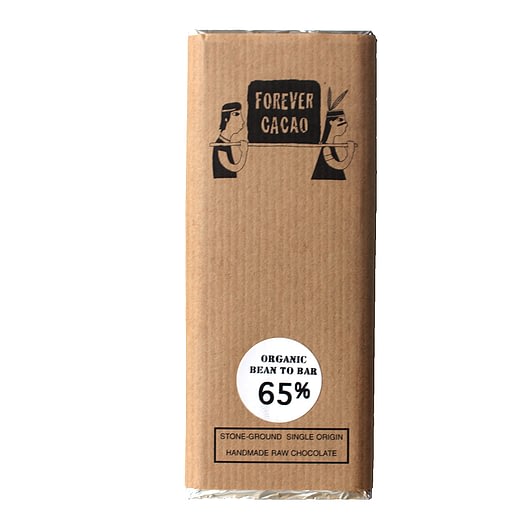
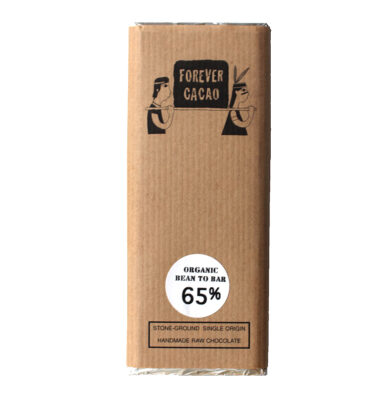
(Note: Having said this, unroasted bars from Raaka, and lightly roasted bars from Conexión, Forever Cacao, Minka etc. do have very distinctive flavour profiles that are worth a try!).
An Unfortunate Footnote
One other major criticism of the science is that Mars, who stepped in to sponsor many of the studies by Hollenberg and his colleagues, were extremely careful not to publicise their involvement, even in the footnotes and acknowledgements. Less surprisingly, Mars has remained absent and silent post the publication of all the debunking. The critical research has been met by a deafening silence; ‘big chocolate’ stonewalls journalists here in much the same way they kicked the can down the road with child labour and deforestation.
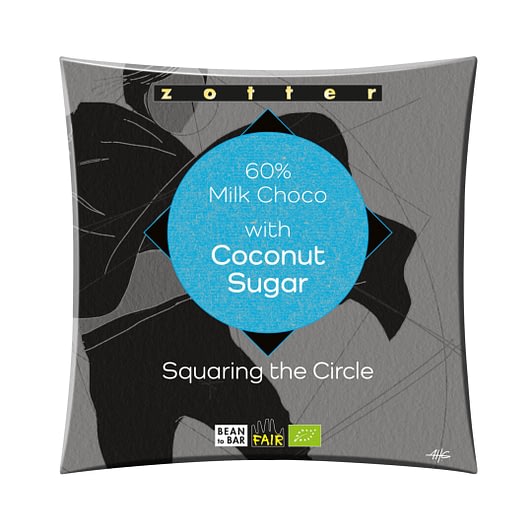
Alternative sugars are another case in point. For example, coconut blossom sugar is often cited as “better” than refined cane sugar as it causes lower sugar spikes. This ‘scientific’ claim was based on a study of 11 (eleven!) subjects, was sponsored by the Philippine Sugar Marketing Board, and has never been repeated… Hmm.
But it’s REALLY hard, once the health claim is made, and the cat out of the bag, to counteract and challenge. It’s especially hard when you meet with a wall of silence, as in the case of the criticisms of the earlier heart studies. Even harder as most of these studies are NOT what we really want to hear. It’d be great if drinking (or eating) chocolate really did ward off heart attacks.
To quote Tim Spector, just as you need to read the label when choosing a chocolate bar or drinking chocolate (i.e. check the ingredients, the farm where the beans are from, where the chocolate is made), you should always ask of any chocolate and health study:
- How many people, and over what time period, was the research carried out?
- Who paid and sponsored the study?
- Where’s it been published?
So What’s the Bottom Line?
It’s very, very clear that ultra-processed foods, including mass produced chocolates that are full of sugar, additives and preservatives, are NOT good for you.
It’s also clear that drinking chocolate, even as much as the Kuna used to do, isn’t going to solve anyone’s hypertension or stop heart attacks.
But at the same time, drinking CRAFT chocolate should delight you, and may well calm you down. Craft drinking chocolate is all about the beans; it’s completely different from high street drinking chocolate and cocoa powders that are full of sugar and preservatives, and the little cocoa in them has been alkalinized to reduce bitterness. The theobromine in craft chocolate won’t give you the same caffeine buzz a coffee will, so for most of us, it won’t stop you from sleeping. Plus, drinking chocolate is wonderfully filling; great at any time of the day; after a walk, run, bike ride and, my personal favourite; a quick winter swim.
So give it a go!
Here are some great craft chocolate drinking options, including our newest gift set.
Just remember to read the label and read the fine print of superfood health claims.
Thanks as ever for your support.
Spencer
Further reading:
- https://nutritionj.biomedcentral.com/articles/10.1186/s12937-019-0469-8
- https://doi.org/10.1525/GFC.2012.12.1.43
- https://www.sciencedirect.com/science/article/abs/pii/S1933171108002167
- https://www.cbc.ca/news/health/chocolate-s-health-touters-may-have-misunderstood-local-reality-of-tribe-1.2883561
- https://www.ahajournals.org/doi/10.1161/01.HYP.29.1.171
- https://www.sciencedirect.com/science/article/abs/pii/S1933171108002167
- https://repository.si.edu/handle/10088/21854