My guilty pleasures: Digestives, S’Mores, and a solution to melted chocolate
One of the most frequent questions I receive at both in person and online tastings...
Print / PDFOne of the most frequent questions I receive at both in person and online tastings...
Print / PDFOne of the most frequent questions I receive at both in person and online tastings is “what is your guilty secret or pleasure?”. I normally fudge and avoid this question. But occasionally, like today, I fess up.
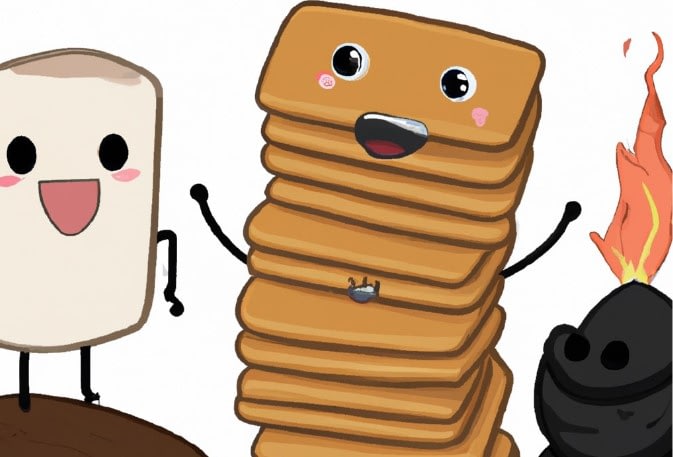
My secret, guilty indulgence is to coat a digestive biscuit with some melted crafted chocolate; or at a barbecue go the whole way and make a s’more.
And given the current barbecue-friendly weather, and given that some of you may have accidentally allowed some bars to ‘bloom’ (i.e. melt in the heat, and then re-harden and crystalize to a far more brittle consistency; technically called “badly tempered”), this week is a festival and exploration of UK digestives and its US cousin; the graham cracker. We’ll explore how these broadly similar wholegrain biscuits were both originally designed as a tool to aid digestion and reduce flatulence and then how both became one of the most loved snacks in the UK and US (via s’mores). We’ll also take a quick dive into the history of biscuits (note; cookies are next week), explore why s’mores and chocolate digestives are so moreish and suggest some ways to make them with any bloomed chocolate.
The History of Biscuits
Just as our ancestral lust for beer helped give rise to chocolate, a similar quest to make beer accidentally gave rise to biscuits (for more on how humans learnt to turn bitter, astringent cocoa seeds into flavourful, fermented cocoa beans as a byproduct of making beer out of cocoa pulp, click below). Some time about 4000 BC, Mesopotamians worked out how to make beer. And as part of this, the Mesopotamians also worked out that baking the grain needed to make beer into a biscuit reduced the risks of the grain spoiling, and made it far easier to store (these ‘biscuits’ would be added to water, with some honey or other sweeteners to create the initial fermentation).
Baking grains into biscuits was then also adopted as a lightweight means to transport food by everyone from Roman soldiers, to explorers like Columbus, and the fisherman who ‘discovered’ Newfoundland. Biscuits were also baked and stored for many months, by farmers, villagers, etc. who struggled with the cost, and effort, of a daily (or weekly) fire required to bake bread.
These biscuits, at best, were more like a hard, unsweetened cracker of today. Sugar was scarce in Europe until the 1800s, and because honey (the alternative sweetener) breaks up the structure of biscuits, these biscuits were unlike our sweet biscuits (and they were also far harder; indeed, so hard that some sailors even used them as postcards in the 18th century).
For sailors and fishermen, and in particular the British Navy, biscuits were a critical element of a sailor’s rations. And during the Napoleonic Wars, the British Navy needed 40,000 biscuits PER DAY, prompting the navy to develop a series of steam-powered biscuit baking, cutting and drying machines that were then adopted and commercialised by a wave of 19th century biscuit makers such as Carrs, Huntley and Palmer, etc. (Note: There are many parallels here in terms of how chocolate bars emerged; not just with industrialisation and sugar, but also the key role of the British Navy’s daily cocoa rations, known variously as Kai, Ki or Ci).
These newly emerging biscuit makers also added various ingredients to their biscuits to widen their appeal, including the likes of carraway seeds which, along with the use of baking soda (which is also an antacid), enabled them to market these biscuits as a ‘health food’. And in addition to a new marketing mechanic, positioning biscuits as a health food meant they could be sold in a newly emerging retail channel; pharmacies; alongside other laxative products and lotions. And this provided the basis of the great British favourite biscuit: The digestive biscuit.
The History of Digestives (and Chocolate Digestives)
During lockdown, the comedian Gary Meikle went viral on TikTok debunking the claim that Sir Alexander Grant invented the first Digestive in 1892, asserting instead that two Scottish doctors had developed the digestive biscuit over fifty years earlier in 1839 as a laxative and cure for flatulence. Other than the suggestive nature of the name “digestive”, the comedian also pointed out the biscuits contained lots of fiber and baking soda, a well known antacid.
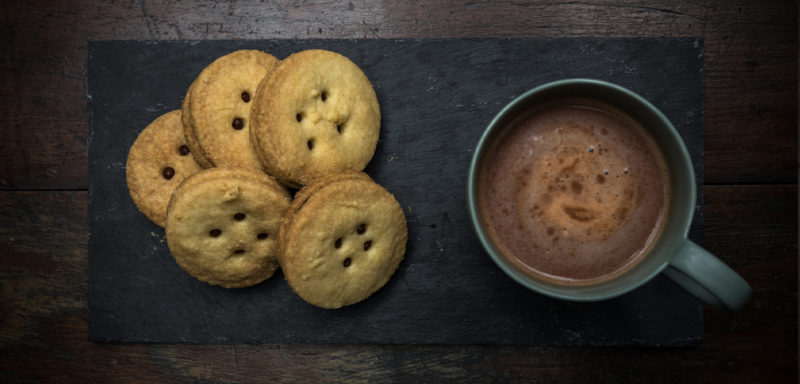
Even though Gary is technically right that other biscuit makers were promoting their biscuits for their health benefits well before McVities launched their digestives, McVities has come to dominate the digestive space, selling over 60 million packs per year. And McVities can also lay claim to having created the first chocolate digestive in 1925, which also occupies the number one spot in chocolate covered biscuits here in the UK and outselling plain digestives today (indeed another McVities chocolate creation of 1927, the Jaffa cake, also outsells plain digestives).
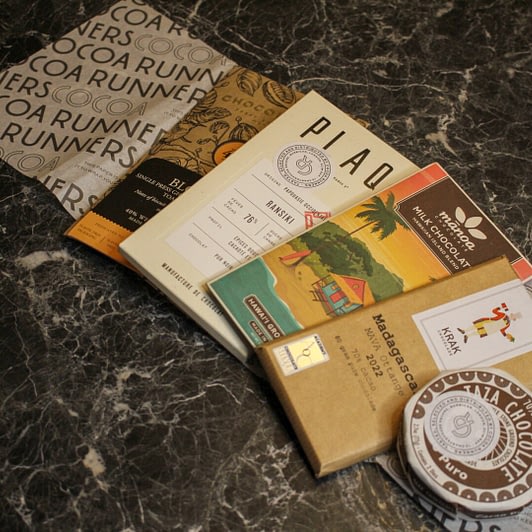
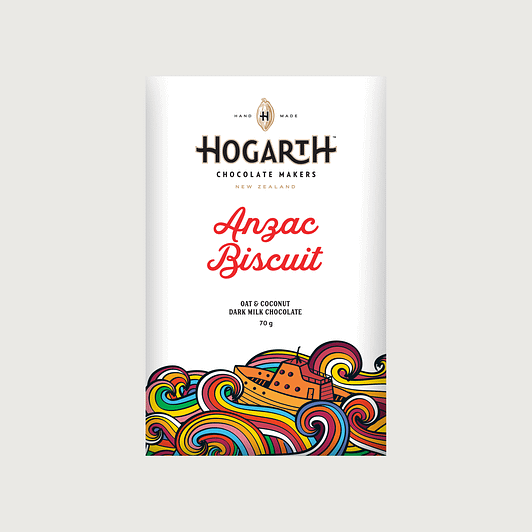
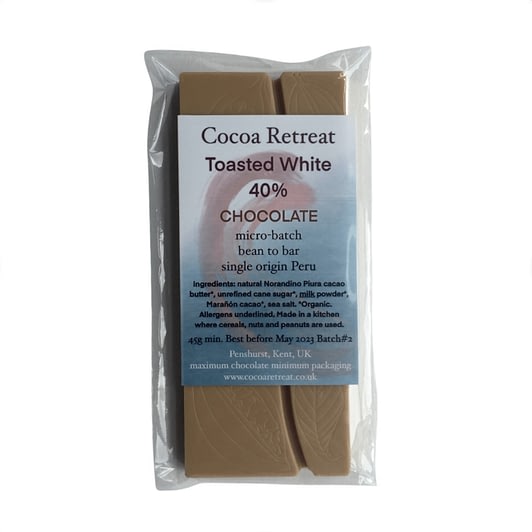
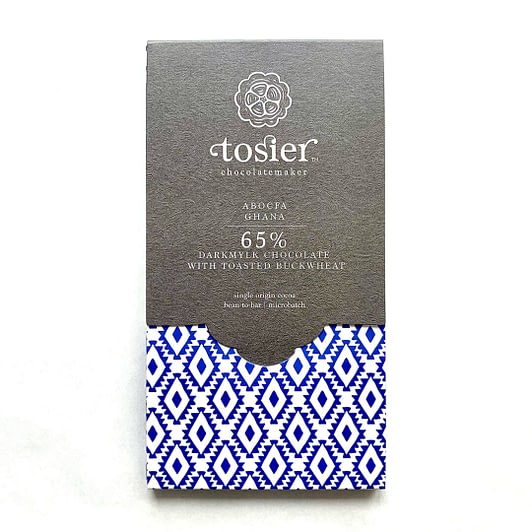
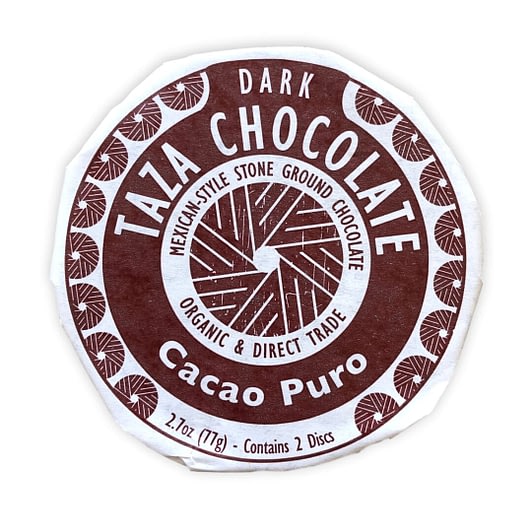
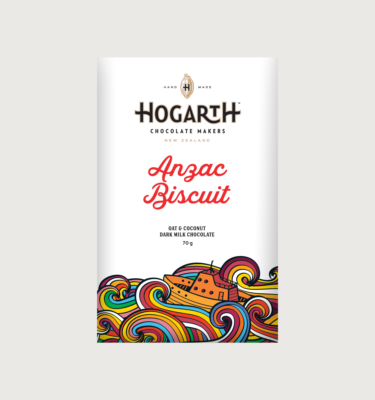
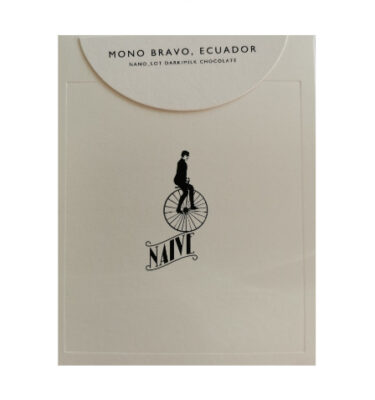
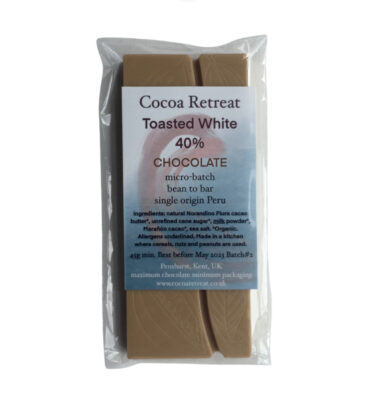
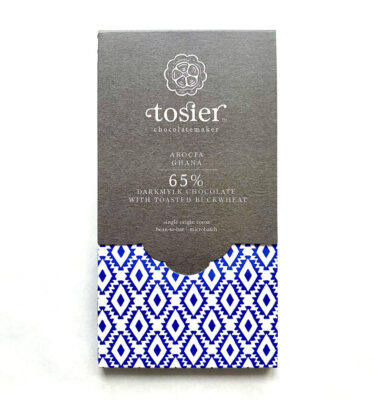
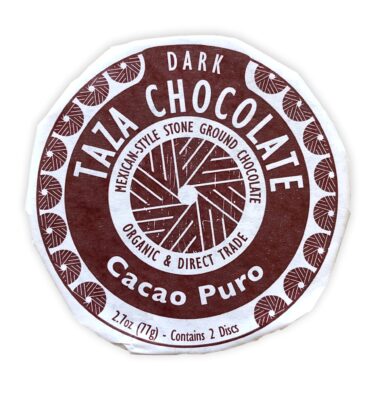
Interested in trying some craft chocolate with “biscuity” flavour notes? Try some of these bars:
The History of Graham Crackers
At almost the same time as the two Scottish doctors were developing their digestive biscuit in the UK, Sylvester Graham, a Presbyterian minister and a staunch advocate for dietary reform, developed a similar product in the US, naming it after himself as the ‘Graham Cracker’. Graham was a firm advocate of vegetarianism, whole grains, and natural, unprocessed foods. He believed that this diet was critical not just to overall health and wellbeing, but also avoiding “carnal excesses”. Some of Graham’s beliefs raised eyebrows then (and now); in particular, Graham believed that many of the foods Americans were eating were creating a sex epidemic. For example, in one 1847 essay he wrote that “a steak dinner with wine increase(s) the concupiscent excitability …of the genital organs”. Hence he developed and promoted a cracker baked using only “finely ground, unbleached wheat flour, wheat bran, and coarsely ground germ”.
Initially, Graham’s crackers were plain and unsweetened, and had a fairly niche audience. However, gradually the crackers were commercialised by the National Biscuit Company (now known as Nabisco) who started to mass produce a sweeter, and more refined version of the biscuit in 1898.
… And S’Mores
The real breakthrough for graham crackers came thanks to a recipe credited to Loretta Scrott Crew, a US Girl Guide troop leader who published her recipe for “some mores” in the 1927 Girl Scout guidebook; ‘Tramping and Trailing with the Girl Scouts’. As well as including some great advice on how to be a good Girl Scout (for example, making sure to ask your parents for permission before heading off for a camping holiday), the guidebook lists instructions on how to make what it called “some mores” over any campfire for your eight person troop with “16 graham crackers, eight bars of plain chocolate, and 16 marshmallows”. It first instructs the Girl Guides to toast the marshmallows to a “crispy, gooey state”, it then advises them to put the marshmallow on top of a chocolate bar and in between two graham crackers. And it then tells them to sit back and enjoy their ‘some mores’.
An aside on the history of marshmallows:
The Ancient Greeks, and then the Romans, used the root and leaves of the plant, Althaea officinalis to help with inflammation, avoid flatulence, and as a laxative (the word “Althaea” comes from the Greek “altheo” meaning “to cure”). And then a few millennia later, the French combined the root juice of the plant with eggs and sugar to create a foam which they formed into a lozenge called “pâte de guimauve”. Its purpose was two-fold; to soothe the throat and taste good. But this treat was labour intensive and very expensive. Towards the end of the 19th century, it was discovered that gelatin could be used instead of the plant juice, and far more cheaply (although it doesn’t have any laxative-like benefits). And the candy makers in the US developed the so called “starch mogul system” in which trays of modified corn starch had a mould firmly pushed down in them to create marshmallows in the shape we now know them.
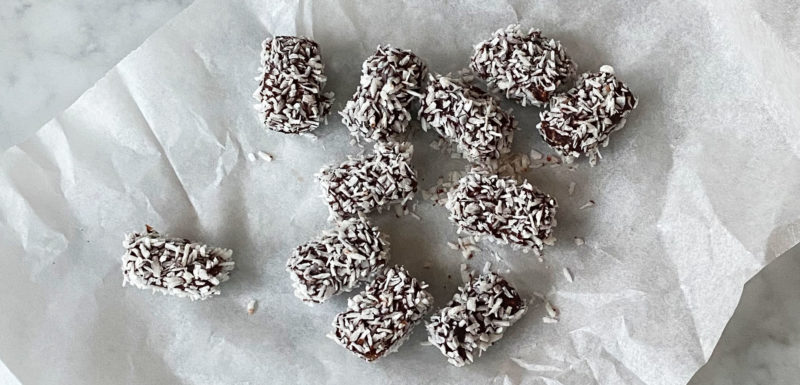
S’mores quickly became a staple of camping trips and outdoor gatherings, and a favourite at barbecues. To try and muscle into this lucrative market, mass-market chocolate companies have pushed the wholesome and family nature of s’mores; for example, Hershey’s claims that “80 percent of US households with children plan to make s’mores”, and marketed their Hershey’s six pack during Covid Lockdown as a way for people to “connect and create new memories at home”.
Note: You REALLY REALLY don’t need to make s’mores with milk chocolate (or mass-market confectionery), indeed I’d argue that the tanginess of dark, craft chocolate is far, far superior (and creates far better memories).
Why are s’mores and chocolate digestives so delicious?
The simple, one-word answer here is “VARIETY”: Variety of flavours, textures and sensations. To ensure that we eat a wide variety of foods (and therefore secure as many different nutrients as possible), humans are pre-programmed to seek out different textures, tastes and flavours in food. Scientists coined the term ‘sensory specific satiety’ to explain this. And it’s why it’s so much easier to eat a bunch of smores, or a couple of chocolate digestives, than plain digestives (or graham crackers, or even craft chocolate). The inclusion of salt, butter (fat) and sugar also clearly helps.
… and how can you make them?
Please do try this at home… but please be careful with barbecues, flames, etc.
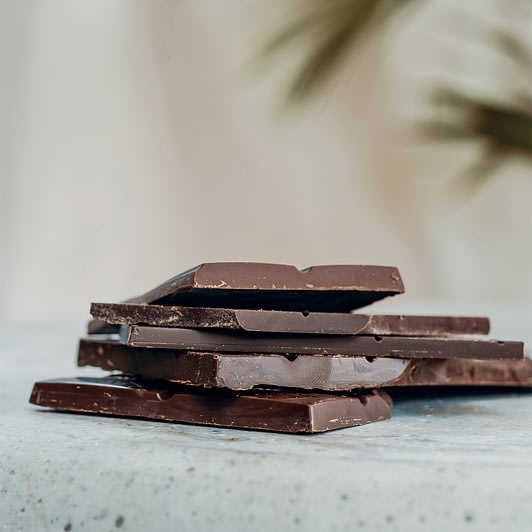
If you’ve some chocolate that has unfortunately bloomed” (i.e. melted, and then retempered so that it’s brittle, and may have some white bits on the surface), FEAR NOT!
- Find some biscuits (ideally without too many preservatives, emulsifiers, stabilisers, etc., and not too much sugar either). Put them near to hand.
- Break up the chocolate into chunks and place these in a metal, or glass, bowl. Then place this bowl into a pan of water that is almost boiling, being careful not to let any water splash into the chocolate.
- (Alternatively, break up the chocolate in a microwave-suitable bowl, and gently heat in the microwave).
- Spoon out some chocolate onto the biscuits, and wait for the chocolate to cool.
- Savour and enjoy.
- Repeat… and maybe add some fruit or nuts on top too.
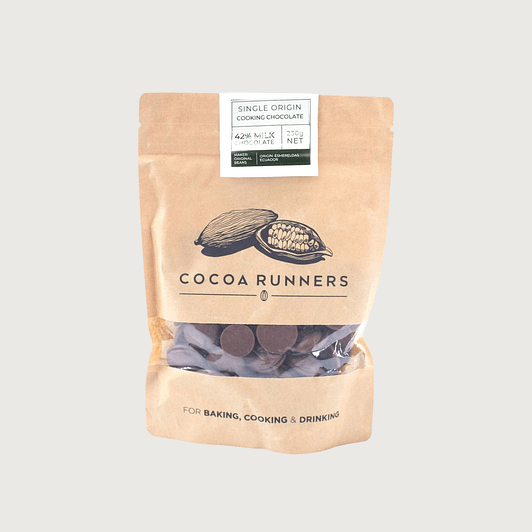
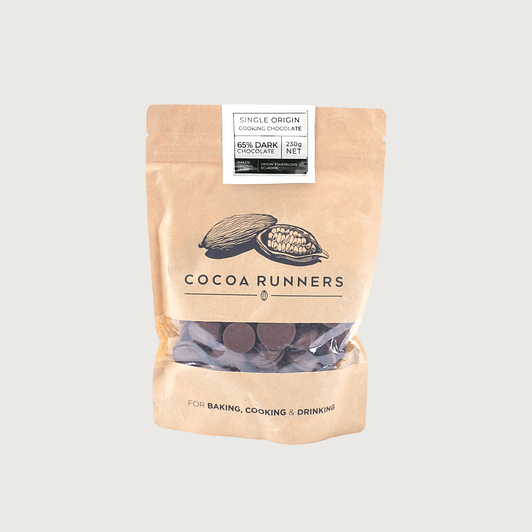
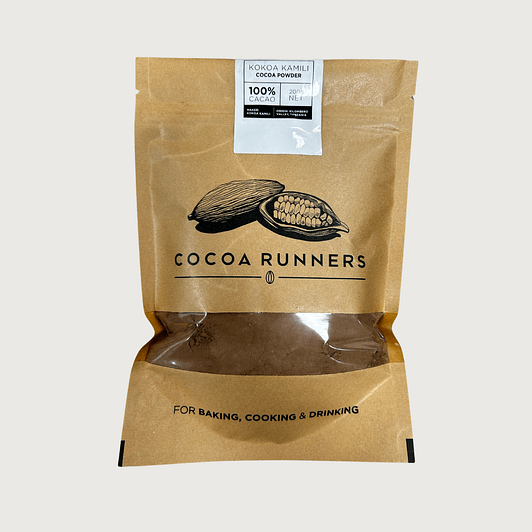
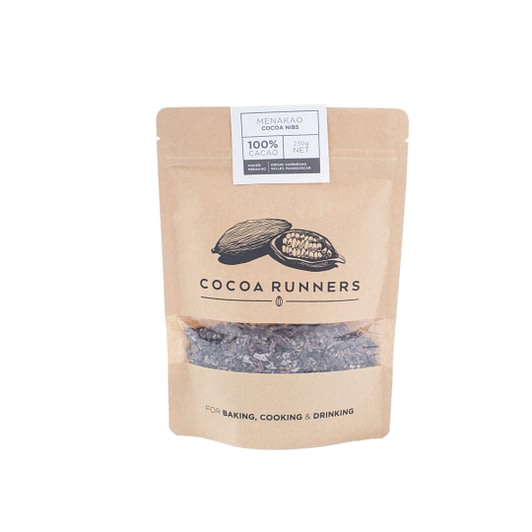
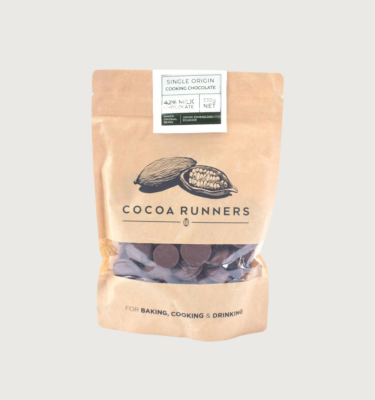
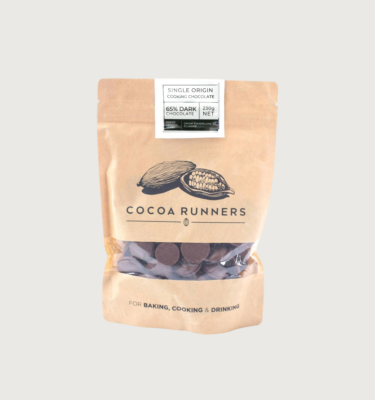
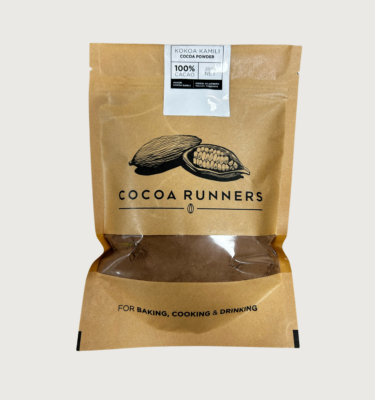
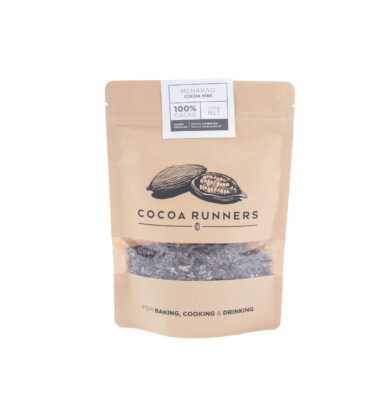
Note: If you’ve avoided any of your bars going into a “bad temper”, and/or fancy making a bunch of treats, please consider purchasing these cooking chocolates from Original Beans:
Optional extra: Heat some marshmallows over the barbecue being REALLY REALLY CAREFUL not to let the marshmallows set on fire, and even more importantly DON’T SPILL ANY MARSHMALLOW ON EXPOSED FINGERS.
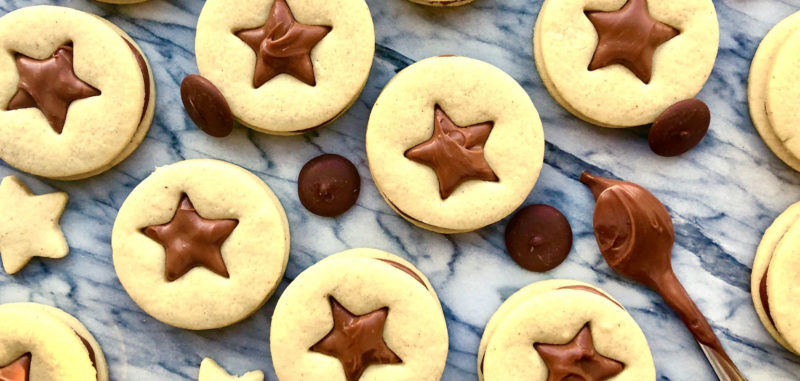
The combination of chocolate with two other products; biscuits and marshmallows (that were originally marketed to solve flatulence and as a laxative into some of the US, and the UK’s most popular treats; chocolate digestives and s’mores) is pretty peculiar. But both also provide a great way to enjoy this barbecue weather and avoid any food waste from bloomed bars.
…So perhaps I shouldn’t be so reticent about my “guilty” pleasure.
Keep savouring!
Spencer
Get your craft chocolate cooking ingredients to make your own chocolate digestives and s’mores:
Or try some bars which “biscuity” or “marshmallowy” flavour notes:
Sources and further reading:
https://www.english-heritage.org.uk/visit/inspire-me/the-history-of-the-biscuit/
https://www.foodandwine.com/desserts/give-me-some-more-history-about-smore
https://www.statista.com/statistics/302805/leading-mcvities-sweet-biscuits-in-the-uk/