Ceremonial Cacao: The Good, The Bad, and The Slightly Mad!
If you read last week’s blog post, you’ll hopefully be aware of the complexities and...
Print / PDFIf you read last week’s blog post, you’ll hopefully be aware of the complexities and...
Print / PDFIf you read last week’s blog post, you’ll hopefully be aware of the complexities and rich history of ‘ceremonial cacao’ (and if the term is new to you, do go back and check it out first).
This week were going to try and suggest a definition for ceremonial cacao, and contrast it to both craft chocolate (there are many overlaps).
We’re also going to try and suggest how you can separate out the “wheat from the chaff”, advise where you can find the “good stuff”, and how to avoid some of the more outrageous claims.
Indeed, we’ve even some bars, powders and buttons that you can use in your next cacao ceremony (or your next drinking chocolate after you’ve stretched, done some yoga, etc.).
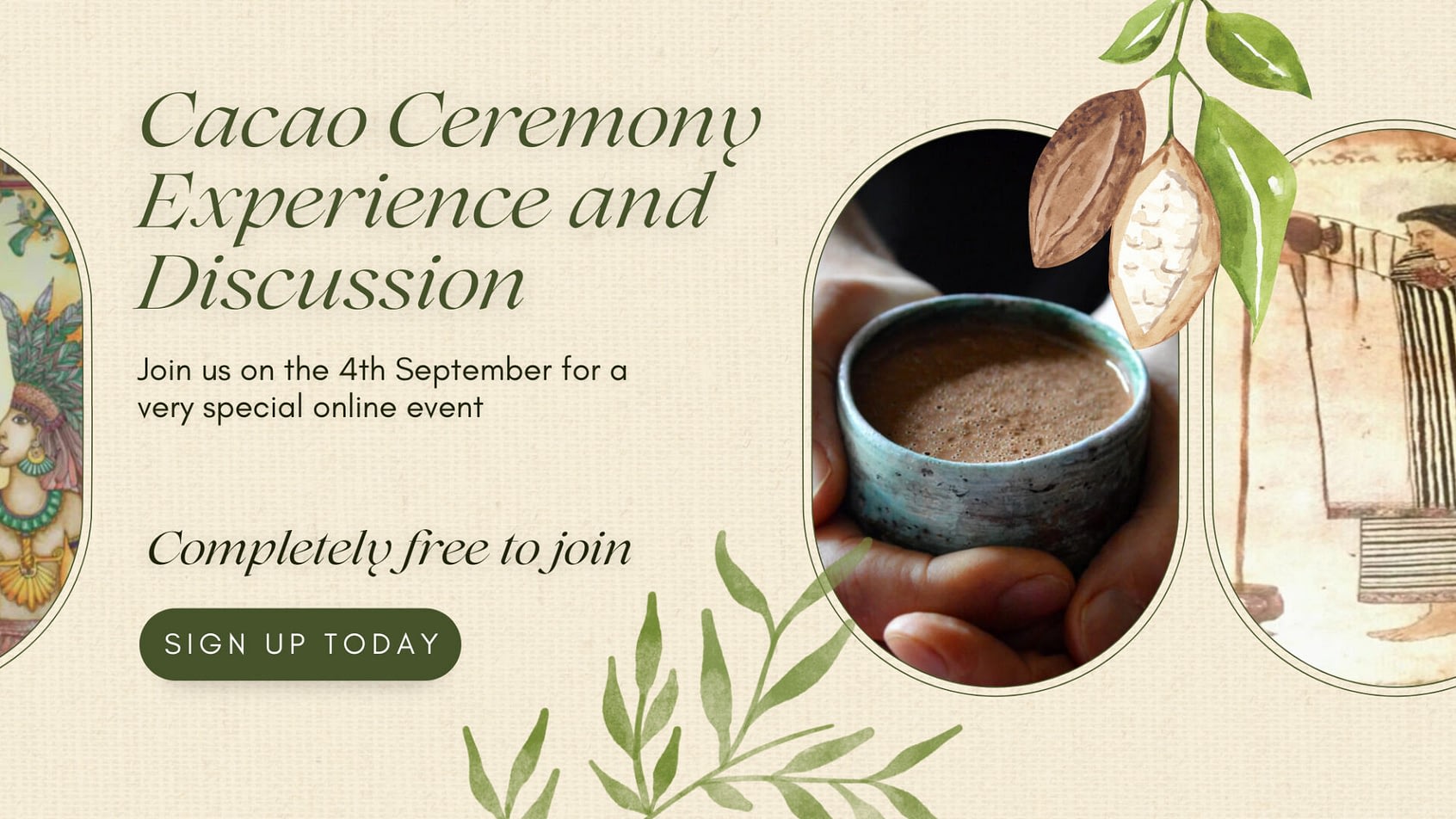
Excitingly; we’ve also persuaded Pablo Spaull to join us for a discussion and ‘how to’ session about ceremonial cacao next Sunday on Zoom! It’s free, so make sure you join us!
What is Ceremonial Cacao, as a Product?
This is a tricky question to answer, and not helped by some of the ‘fluffy’ terms used by ceremonial cacao to describe what they use.
In most cases, ceremonial cacao comes in the form of solid blocks which are then mixed with water (and sometimes other sweeteners, herbs, spices, and chilis) to produce a drink used in self styled public, and private, ‘cacao ceremonies’.
Unlike, for example, speciality coffee, there is no standard definition or ‘Q grading’ for ceremonial cacao. It’s more like matcha, where companies will market their products with labels like “culinary”, “every day” and “ceremonial”. To the cynical, “ceremonial-grade matcha” is a marketing term:; it’s a way to have consumers pay a bit more. At the same time, there may well be differences in quality between what a brand sells as “ceremonial” and “cooking” (and in the case of chocolate, the VAT rates will be different as products sold for “cooking” can avoid a VAT surcharge).
Nonetheless, there are some commonly accepted best practices as to what constitutes ceremonial cacao. But broadly speaking they all have a fairly consistent set of best practices, and these are generally consistent with craft chocolate overall… and to be lauded.
- First and foremost, the source of the cocoa beans should be transparent; and the cocoa farmers, co-operatives, etc. paid with long term contracts that pay far more. Unsurprisingly, many of the farms sourced for ceremonial cacao are the same as those used by craft chocolate makers. Indeed, Pablo Spaul of Forever Cacao, who works directly with the Ashaninka in Peru, sells both craft chocolate and ceremonial cacao.
- Secondly, the cacao shouldn’t have additives; no emulsifiers, preservatives and even no sugar. Again, this is to be lauded, even if for many of us, we’d appreciate a little sugar to reduce the astringency and bitterness of the 100% cocoa (yes, that’s what it really is…) and to bring out some of the beans’ flavour.
- Thirdly, there should be no substitutions and in particular, cocoa butter should NOT be removed and replaced with vegetables fats (such as palm oil), emulsifiers, PGPR, sugars etc.
- Fourthly, the cacao should be “traditionally processed” and definitely shouldn’t be “over processed”. Again, it’s definitely better for the flavour of the cacao to be e.g., whole bean not nib roasted. And it’s definitely good to avoid many of the ‘advanced’ processes used by mass produced chocolate makers (e.g., adding emulsifiers to speed up machinery, washing the cocoa mass in an alkaline solution (“Dutching”) to reduce bitterness, etc.).
The fourth condition; “traditionally processed” is arguably where the biggest difference is between what is sold as ceremonial cacao and e.g., 100% craft chocolate bars, even 100% craft cooking chocolate, or even non-alkalinised craft cocoa powder. Practitioners of ceremonial cacao prefer to avoid conching and tempering their chocolate. And they may even skip roasting their chocolate (note: Some craft chocolate makers do this too: e.g. Raaka).
These practices are all fine. It’s a matter of taste as e.g., roasting cocoa beans creates a Maillard reaction that brings out many different flavours in the cocoa, and conching similarly reveals different flavours (as well as reducing volatile acids).
What isn’t fine, and falls into the “bad” and arguably “mad” categories, is claims by makers of ceremonial cacao that as their chocolate is “raw” and/or “minimally processed” that this makes ceremonial cacao “healthier” or “magical” etc. Read more HERE about ‘raw chocolate’, but bottom line, there is NO EVIDENCE THAT NOT ROASTING, MINIMALLY FERMENTING, NOT CONCHING AND NO TEMPERING chocolate makes it healthier (or magical). If anything, the opposite is true; one of the benefits of roasting chocolate is that it kills many of the bad bacteria and nasties that can be in cocoa.
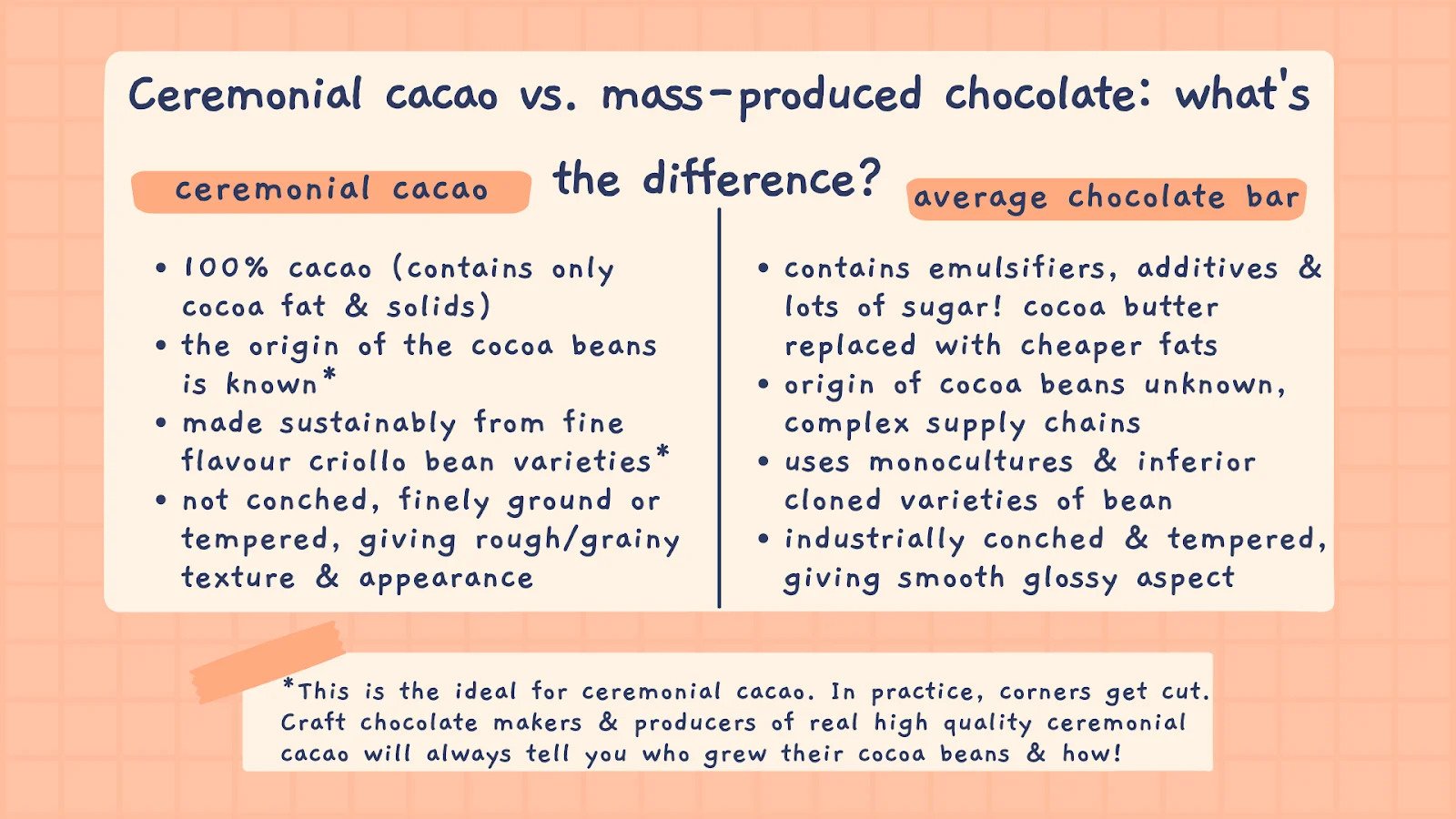
But as this chart hopefully makes clear, ceremonial cacao is a LOT better than mass produced chocolate / drinking chocolate. But it’s really not that different to craft chocolate 100% bars:
The Good in Ceremonial Cacao
Let me start with an admission that I probably should have made earlier: I personally have never consumed ceremonial cocoa in a formal ceremony.
But fortunately, I’ve shared LOTS of chocolate, and had lots of talks, with Pablo Spaul; one of the great advocates and superstars of ceremonial cacao here in the UK. And without wishing to embarrass him, he is a fantastic ambassador of why ceremonial cacao, and craft chocolate, can be so great.
Last week, he invited me to Zoom call to do a mini making, drinking and discussing of ceremonial cacao.
I learned A LOT from this, and Pablo has agreed to hold another one with me on Sunday the 5th of September, after lunch. We’ll hold it over Zoom, anyone can join for free. We’d suggest that you have some drinking chocolate (including Pablo’s own ceremonial cacao). Pablo will talk us through the “dos and don’ts” of making the drinking chocolate (e.g., don’t add boiling water: 70-80 degrees). And then we’ll discuss everything from breathing to giving thanks as part of appreciating the chocolate. We’ll also discuss how and why Pablo “found chocolate”, and answer all your questions.
A recording will be available on video too, and if you’ve some questions you’d like to answer but can’t join us on Sunday, please reply to this email, and I’ll try to remember to ask them!
Sharing and Savouring
As you’ll hopefully discover next week; the sharing and savouring aspect of ceremonial cacao is powerful. It’s why it’s becoming a part of so many meditation and mindfulness events, and why drinking ceremonial cacao is now central to everything from sober raves to morning yoga classes. Sharing some drinking chocolate is a great way to connect and unwind. Reflecting and giving thanks for the farmers’ work that has gone into your chocolate is also a great way to use ‘mindfulness’. You are also encouraged to savour not scoff; it’s all too easy to scoff mass market confectionery and drinking chocolate.
Rituals
There is also a tonne of interesting research about the way that ceremonies and rituals improve how we enjoy and benefit from what we consume. But there have been a whole host of studies, for example here are the results of one by the Association of Psychological Science in the US that made extensive use of chocolate showing:
- Establishing simple rituals (e.g., how you unwrap, and then wrap back a bar of chocolate) can be statistically shown to “enhance the delight in trying a bar of chocolate”.
- Slowing down and delaying gratification (i.e. savouring not scoffing) of how you eat your vegetables also enhances the experience and “increases delight” (this study used carrots, but the same is predicted for chocolate).
- Personally taking part in the ritual and ceremony, as opposed to watching someone else carry out the key parts of the rituals and ceremony is also important (this was done with lemonade).
- Explaining more about the product consumed (and in this case, chocolate was again used), also vastly increased people’s enjoyment.
Many (and sometimes) all these “ritual benefits” are intrinsic in the ‘New Age’ raves, yoga retreats, meditations, and other mindfulness activities with ceremonial cacao.
Sourcing
Finally, ceremonial cacao’s stress on knowing, and respecting, the source of the cacao is also clearly a good thing in avoiding all the problems of child labour, deforestation, unfair working practices, desertification, environmental degradation that are sadly so omnipresent in mass produced confectionery. Again, Pablo’s relationship via Dillwyn and the Ashaninka of Peru is a fantastic example of this.
Beware some of the more “mad” claims and bad practices:
However, there are a number of claims that are made for ceremonial cacao that need to be treated with some scepticism.
Many of these “crazy claims” are similar to the health claims made by raw chocolate. And they are equally specious. Whenever you see a website or leaflet about ceremonial cacao that starts to go about many of the scientific compounds that make up chocolate (e.g., polyphenols, catechins, phenylethylamine, theobromine, tryptamine, tryptophan, etc.) and then makes claims that seem AMAZING, please be really, really sceptical.
There have been lots of studies, almost all underwritten by ‘big chocolate’, into the health benefits of chocolate. Sadly most of these studies involve too few people to be valid and their conclusions all too often match the ambitions of their big chocolate sponsors. So whilst there is no doubt that all high percentage, well made (i.e. unadulterated) chocolate contains lots of wonderful chemicals, many of the claims stretch credulity.
The bioavailability of many of the wonderful chemicals in chocolate is unfortunately often very low; that is to say, it’s hard for your body to absorb these chemicals, most just pass through your gut. For example, even though chocolate (like red wine) contains lots of polyphenols which are a great antioxidant, the low bioavailability of the polyphenols in a cup of ceremonial cacao, bar of craft chocolate, or glass of red wine prevents any measurable benefits. Similarly, the phenylethylamine in chocolate may well be a “love drug”, but sadly it doesn’t work as an aphrodisiac as it doesn’t pass through the gut when you consume chocolate. And even though theobromine, the main stimulant in chocolate, can help lower blood pressure whilst increasing your heart rate, you’d be hard stretched to persuade your doctor to prescribe it to you (note: Having said this, dark chocolate is still recommended for asthmatics by some doctors).
Having said this, there are LOTS of benefits from consuming proper ceremonial cacao (or craft chocolate). Craft chocolate, and ceremonial cacao, do provide, for example, a great source of manganese and iron (so they are great for vegans). And don’t forget the GREAT news about why your second stomach really is there for craft chocolate. But these benefits aren’t unique to ceremonial cacao. Craft chocolate has them too. For a longer discussion, please see my podcast with Tim Spector.
The Truly Bonkers
Listen to a few of the many podcasts or articles extolling the wonders of ceremonial cacao and sooner or later you’ll come across claims that ceremonial cacao can have psychedelic effects, similar to e.g., Ayahuasca.
These are bonkers. These claims are normally based on misunderstandings about anandamide, an endogenous cannabinoid that can be found in cocoa. Anandamide is a chemical that our bodies make which mimics the effect of THC, the active ingredient in cannabis. THC works by binding to particular receptors in the brain, and anandamide can also bind to them. The body has a similar system for pain relief; it can create its own painkillers which bind to the same receptors as opioids and cannabinoids (think; runner’s high).
However, just consuming chocolate won’t give you a cannabis-like high. As with polyphenols, anandamide in chocolate is not very bioavailable, and isn’t processed in the same way as THC from cannabis. Anandamide in the brain works because the body produces it itself, and the word ‘endogenous’ is the clue here, as it means it’s internally produced. What’s in chocolate is actually an external analogue to anandamide, which prevents the body creating its own version.
So while you may feel super happy and even “high” after a sober rave, meditation session etc., with ceremonial cacao this is not because of any pharmacological aspects of the chocolate. It’s psychological.
…and The Downright Naughty
One of the key tenets of both craft chocolate and ceremonial cacao is working directly, and over the long term, with the farmer, co-operative who grow the beans.
This involves being really transparent. At Cocoa Runners we sell over 1000 bars and we know not just where all the bars are made (and that they aren’t made out of ready made chocolate that is just remoulded), but we also insist on knowing the source of the beans, and listing as much information as we can. We believe that this is a great way to protect the rainforest, preserve the environment and ensure that growers can rely on long term relationships which provide fair and sustainable incomes.
Many ceremonial cacao suppliers and practitioners are equally transparent (again, hats off to Pablo here).
Greenwashing
But just as there is greenwashing and false marketing in mass produced confectionery (see the recent Channel 4 Dispatches debunking of Cadbury), the same is also sadly evident with ceremonial cacao. For example, try digging into Legacy Cacao’s self declared “fair profit” company for any information on what they pay, or even who they are paying. And their claim that: “Today, there is only one guardian of the original, ancient recipe. This Mayan Priestess has exclusively chosen Legacy Cacao for this sacred calling. It is our privilege to deliver this legacy of love in its purest form from seed to sip”, doesn’t inspire much confidence in their chocolate crafting!
Cultural and Environmental Appropriation
Accusations of ‘cultural appropriation’ are also a major concern. While the likes of the Mayan Wisdom Project are working to share indigenous knowledge, some other companies have been accused of being less careful and appropriating indigenous beliefs and practices, adulterating them, rather than authentically seeking to understand and communicate with them.
Careless ceremonial cacao sellers are also accused of endangering other plants. For example, check the website of various ceremonial cacao producers and you will also find Palo Santo and white sage for sale. Palo Santo is critically endangered and harvesting it in Peru is illegal (but there’s a thriving illegal logging operation). In Ecuador they’re reforesting it. White sage is from northwest Mexico and the bit of the southwestern US that basically used to be Mexico, and is used in indigenous practice. However, spiritualists unconnected to indigenous peoples have been overharvesting it and in recent years it’s become critically endangered.
So check what additives and adulterations, or even just other herbs, are being promoted alongside ceremonial cacao. And just as with craft chocolate in general, make sure you are fully aware of the supply chain that’s delivering the beans in your ceremonial cacao. Push back and ask questions.
A Celebration
Cacao’s history dates back over five millennia. And Carl Linnaeus’ description of the cocoa tree as Theobroma cacao (or “fruit of the gods”) in 1753 hits the nail on the head. We are incredibly lucky to be able to enjoy this fruit of the gods. When the environment is respected, farmers are treated fairly and the cocoa bean crafted to optimise its flavour, the results are truly magical. And it’s great that many practitioners of ceremonial cacao are seeking to harness this philosophy and incorporate it into their sober raves, meditations, yoga retreats and the like.
It’s also great that e.g., Mayan spiritual leaders are being respected for their customs, and that we are learning more about the ways they venerate their environments. There is a tonne we can learn from this.
The same guidelines for purchasing craft chocolate should be used for ceremonial cacao. You should still always check the label, ensure you know exactly what ingredients and steps have been followed and where the beans come from. And whilst you should delight in savouring the ceremony and chocolate, you may also want to be wary about any ‘magical’ claims.
Ceremonial cacao is a great enhancement to any retreat, mindfulness activity or sober rave. And ceremonial cacao is a great reminder that adding some self conscious rituals as to how you savour your chocolate may further enhance your craft chocolate celebrations.
As ever, thank you for your support. And I hope we see many of you on our Zoom call with Pablo next Sunday!
Spencer
-
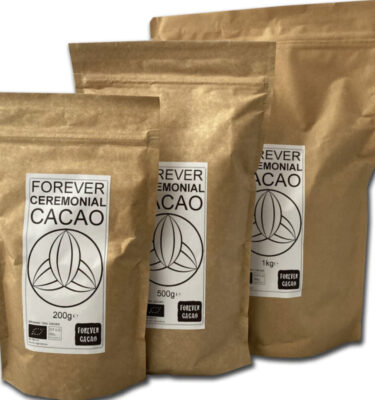
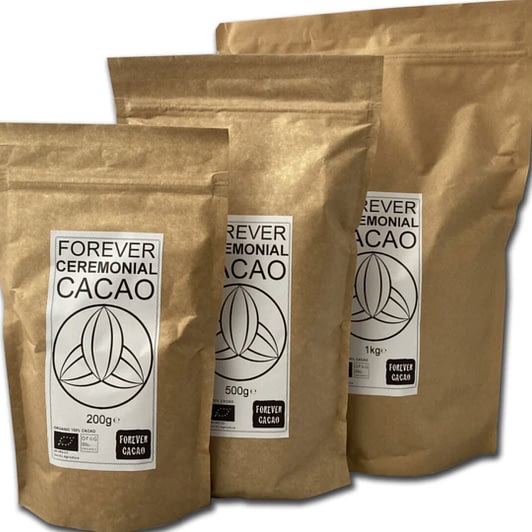
 Forever Cacao – Ashaninka, Peru 100% Ground Paste (Ceremonial Cacao, 200g)£21.95
 -
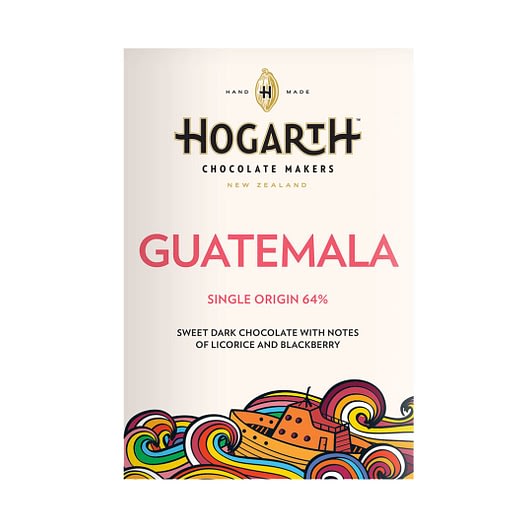
Hogarth – Lachua, Guatemala 64% Dark£9.95
-
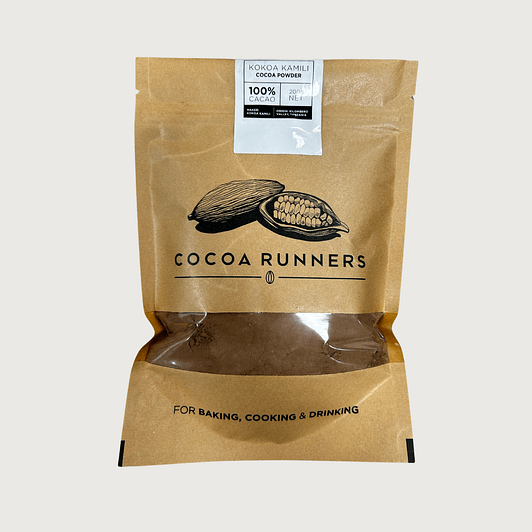
Cocoa Runners – Unsweetened Cocoa Powder, Drinking Chocolate 200g£12.95
-
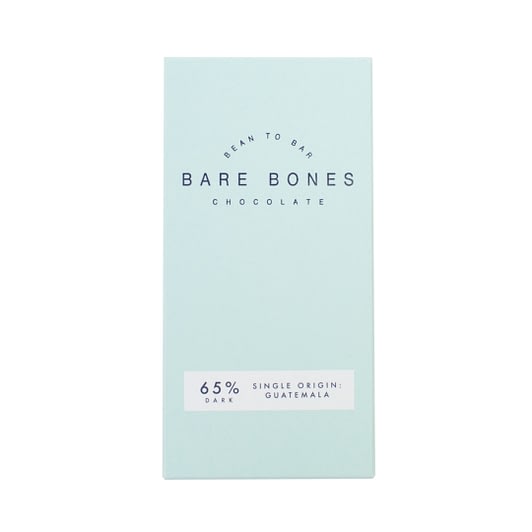
Bare Bones – Guatemala 65% Dark£7.95
-
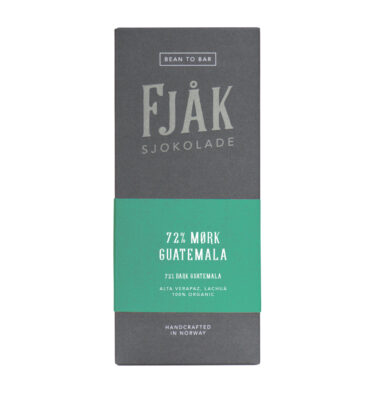
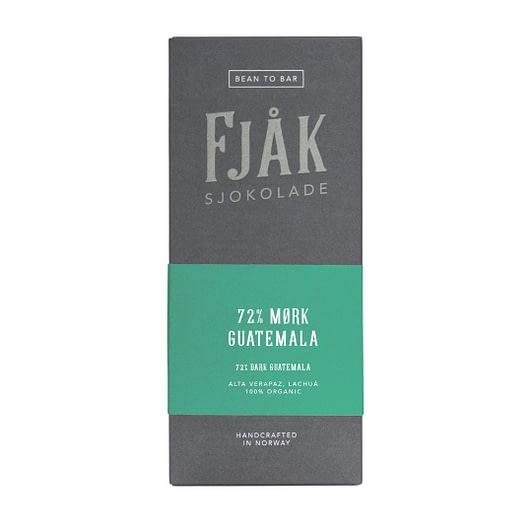
Fjak – Lachuá, Guatemala 72% Dark£7.95
-
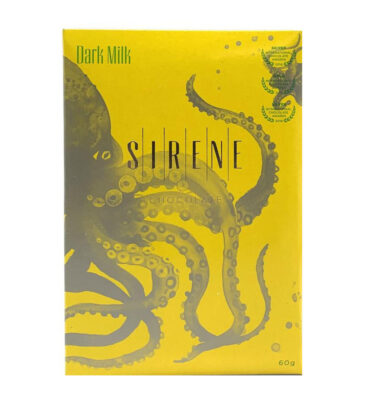
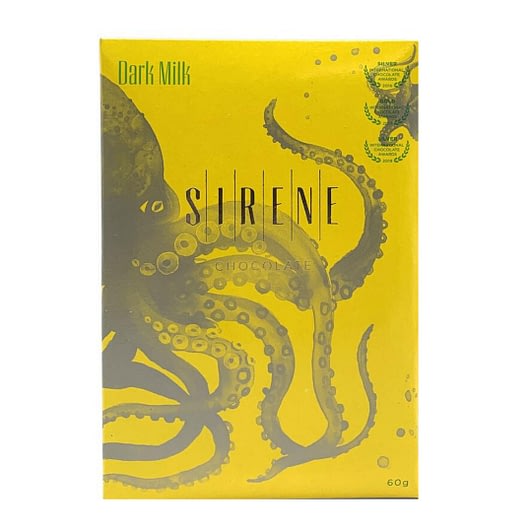
Sirene – Lachua, Guatemala, Dark Milk 65%£9.95
-
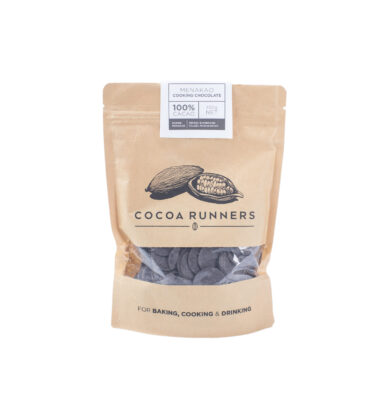
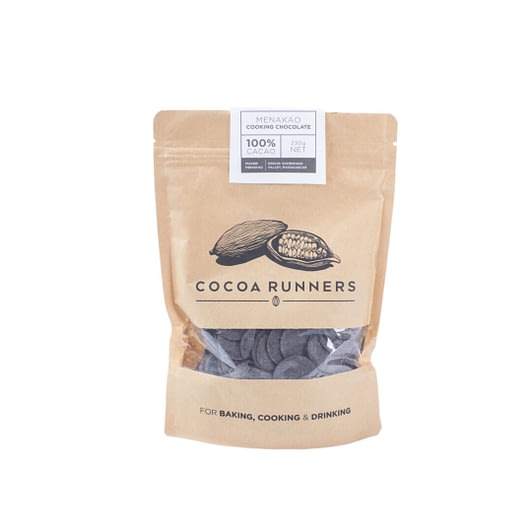
Cocoa Runners Cooking & Baking 100% Cacao 230g£9.95
-
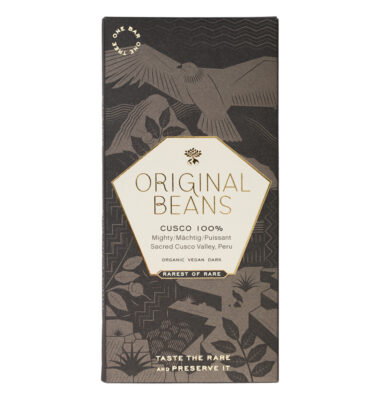
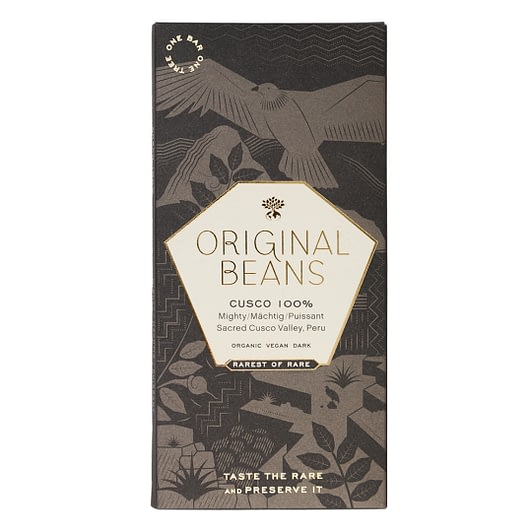
Original Beans – Cusco Chuncho 100%£6.95
-
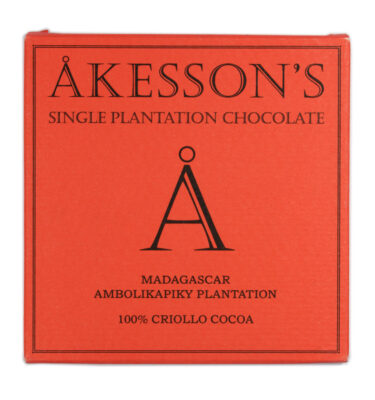
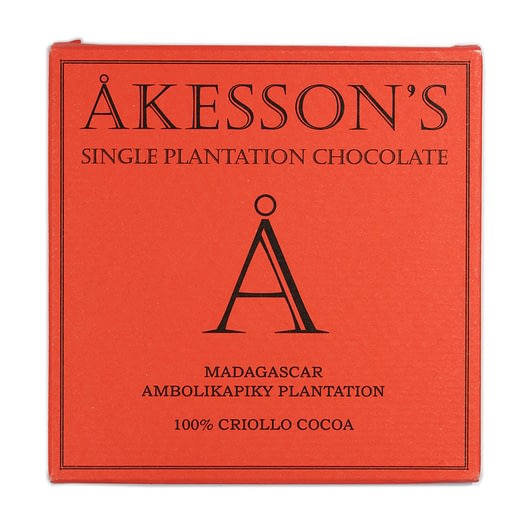
Akesson’s – Madagascar 100% Criollo£6.95