Flavour, Memory and Craft Chocolate
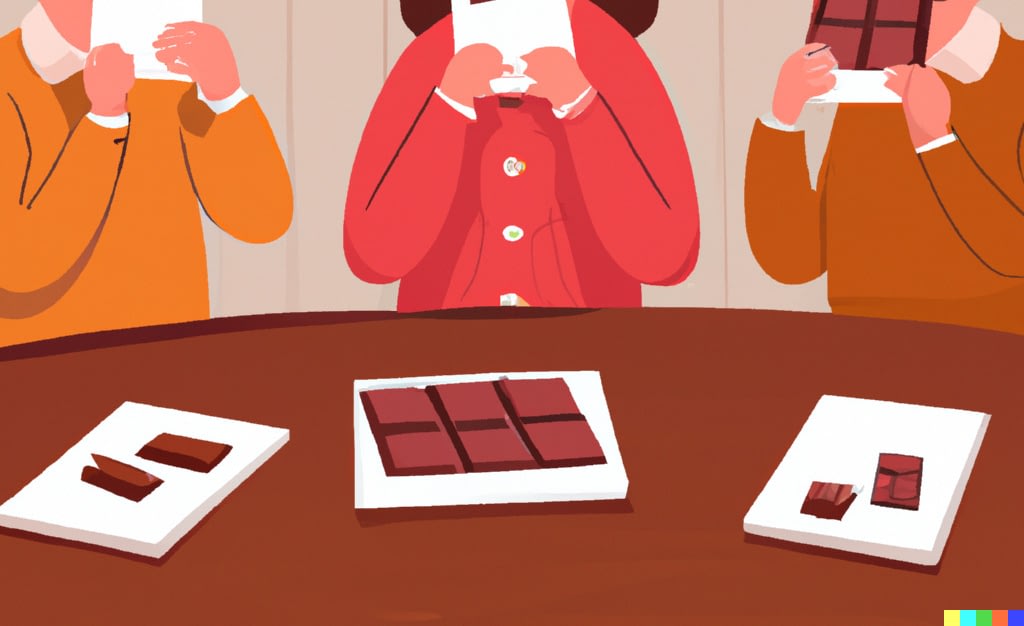
For this week’s blog post, we’d like you to perform a few imagination and memory...
Print / PDFFor this week’s blog post, we’d like you to perform a few imagination and memory...
Print / PDFFor this week’s blog post, we’d like you to perform a few imagination and memory exercises:
Perhaps you’re reading this post with your morning coffee, or tea, or maybe even hot chocolate. As you hold it in your hands, and bring it to your nose; inhale deeply.
What do you smell? And when you sip; what flavours can you detect?
What are you reminded of? What else pops into your mind?
Next, think of a favourite recipe (it doesn’t have to be chocolate specific). Search it up online, or, if you have one lying about, pull out a cookbook. As you read the lists of ingredients, how do you feel?
Can you imagine the dish? Can you conjure its sights, smells, tastes, and flavours? Can you remember them from the last time you ate it?
Smells and flavours are stunningly evocative. They’re also pretty difficult to understand. And they provide another set of reasons why savouring, and sharing, craft chocolate really is good for you, and your memory (and good for farmers and the planet too!).
Most of us use the words “taste” and “flavour” interchangeably.
…This isn’t always helpful.
It glosses over humans’ (almost) unique ability to delight in flavour. And it allows mass-produced confectionery makers to confuse between scoffing and savouring.
“Taste” technically refers to the reaction from receptors in your mouth (often on your tongue, but also in your throat, gut and many other organs) to things that are salty, sweet, sour, bitter, fatty, and umami-like. All animals can detect tastes (although not all animals can detect all tastes (e.g. cats can’t detect sweetness; and it’s suggested that some animals can detect tastes that we humans can’t).
Most of us are pretty good at identifying, and articulating, if something is sweet or sour or bitter etc. But flavour is very different.
We humans detect flavour in our mouths via what is called our olfactory system, otherwise known as our sense of smell. This feature is (almost) unique. Dogs, cats, elephants etc. can all smell with their noses. But because these animals have a transverse lamina (a flap that separates their noses from their mouths), they can’t detect flavours in their mouths (see below and on the blog HERE for more images). We humans can detect flavour in our mouths because aromas or smells are released as we eat food, consume drinks, etc., and these waft through our olfactory system. But unlike tastes these flavours are hard for most people to articulate. At the same time, these flavours and aromas are highly evocative, bringing back all sorts of memories and often arousing all sorts of reactions from “delight” to “yuck”, from “excitement” to “melancholia” or from “comfort” to “disgust”.
(Note: For more on this, do come to one of our ‘Welcome to the Revolution’ tastings, and our ‘Deep Dive into Taste and Flavour’ sessions, where we explore this in more detail via trying LOTS of chocolates (and we also explain spiciness, astringency, texture and a whole lot more!), and how to snap a bar of chocolate and hold your nose. Join us HERE!
Flavour: Our First Sense, but the Last One to be Fully Understood
Palaeontologists suggest that the first sense developed by living organisms was our sense of smell; well before vision, sound, etc. And the first sense awoken in a human baby, even before the baby is born, is a sense of flavour (amniotic fluids in the womb reflect what the mother has been eating, and scientists have shown that human preferences for the likes of aniseed etc. can be set pre-birth).
And yet ironically the mechanics of how we sense flavour and smell have only recently been identified. Whereas for colour and vision Newton used a prism to explain, and define, colour over 300 years ago, the understanding of flavour science is far more recent. Our basic tastes are well described in classical Chinese and ancient Greek literature, and over 150 years ago Georg Meissner and Rudolf Wagner scientifically described how papillae on the tongue acted as taste receptors.
However, it was only in 1991 that Linda Buck and Richard Axel worked out where we identify aromas and flavour with their discovery of receptors responsible for odour recognition in our olfactory bulb. These receptors are known as GPCRs and comprise a large gene family, of some 1,000 different genes (three per cent of human genes) that give rise to an equivalent number of olfactory receptor types. And they went on to win the Nobel Prize for this discovery in 2004, and kick off much of the modern science of flavour and smell.
What We Think We Know About Flavour
Even before Linda Buck and Richard Axel discovered the way GCPRs are responsible for our detection of flavour and smell, scientists were aware that our sense of smell worked differently to other senses; working directly on our brain. That is to say; aromas and flavours are directly detected by the brain, they take a direct route to the limbic system, including the amygdala and the hippocampus; the regions related to emotion and memory. By contrast, other senses (for example, sound and vision) are mediated through other signalling pathways before they reach these parts of the brain.
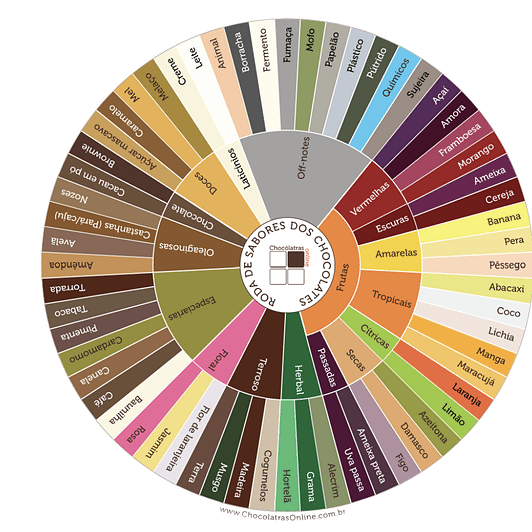
This direct routing may explain why smells and flavour are so evocative. And it may also explain why we find it easier to articulate and describe colours, sounds and textures. At the same time, that “tip of the tongue” difficulty to describe what we are savouring may also be down to a lack of an agreed vocabulary that we are used to using for craft chocolate. By contrast; wine and coffee buffs have their own flavour wheels so can describe in a common language. (Note: There are lots of maybes here because scientists are still working out the answers here; for more debates and debunking, please see some of the articles listed below).
Having said this, we also know that not everyone can identify the same flavours and aromas at the same time. Unlike colours, where the human eye and brain can identify LOTS of colours at the same time, and unlike sounds where the ear and brain can identify lots of different instruments, voices, etc. at the same time; flavour and smell are different.
We can only identify 2-3 flavour notes at any one time (the so called ‘Laing limit’), and this is why it’s so important to think about a flavour journey, as you can then appreciate more flavours as they emerge over time (see HERE for the flavour wave developed for craft chocolate for us by Professor Barry Smith, wine buyer Rebecca Palmer, and coffee expert James Hoffman).
And flavours are released in different ways. For example, the initial aromas and flavours from craft chocolate are released by the heat in your mouth, and then another wave of different flavours are released by enzymes in your saliva breaking down other volatiles compounds in chocolate. And as we each have different salivas, we won’t all release the same aromas (so don’t worry if you can’t always detect the same flavours as your partner!). Again, for more on this see the work of Emile Peynaud listed below.
What We Don’t (Yet) Know About Flavour
On top of all this flavour complexity, there is a lot more that we don’t yet understand about flavour, starting with the exact mechanics of how and why we identify some flavours, and not others. Gas chromatography can identify the volatile compounds and aromas in a product, but figuring out which molecule is responsible for the flavour we detect is a LOT more complex (see THIS ARTICLE on how long it took scientists to work out how to replicate vanillin, a relatively simple flavour).
In some senses this is great for craft chocolate. It means that unlike e.g., taste and texture, mass produced confectionery factories can’t recreate the amazing flavours that a craft chocolate maker and cocoa growers can coax out of their beans for us to savour.
Mass produced chocolate factories are all about low prices, consistency and scoffing. They are all about engineering taste and texture via the bliss point (see HERE) with cheap, commoditised ingredients. It’s (relatively) easy to combine sugar, salt and fat via additives and commodities in a factory. And sadly this means that chocolate is reduced to another commodity as mass produced confectionery treats it as another ingredient alongside sugar, emulsifiers, PGPR, fats, etc. It’s far easier, and more cost effective, to tweak taste and texture. This can be done in the factory. And it’s easy for consumers to explain what we like (it’s “salty”, “creamy”, “sweet”, etc.). And as consumers scoff they eat more, and sugar provides a great tool to hook people.
A Suggested Approach
We need to take a different approach if we want people to savour.
We need to appeal to the amazing powers of flavour and smell. Just as people “wake up and smell the coffee”, we need to encourage this in chocolate. So before you scoff chocolate, you need to sniff it; take some time and inhale the aromas (mass produced chocolate is often odourless, or overpoweringly artificial thanks to additives… which we can easily identify as artificial). And then you need to savour all the different flavours revealed as the bar melts in your mouth.
Literature students wax lyrical about a passage written by Proust where he describes how the smell of dipping a madeleine (a miniature sponge-cake) dipped into a tea cup suddenly evoked all sorts of memories of his grandmother (recent research suggests that in early drafts of his book, he wrote about a piece of toast before changing to a madeleine).
Craft chocolate, thanks to its depth, complexity and impact of flavour, offers a similar chance to build great memories and experiences.
Suggestions on Savouring
As well as providing a simple and delicious ending to any meal, craft chocolate provides a great topic for discussion with family, friends and colleagues. And this discussion of flavour helps you, and others, identify and remember more.
We also recommend that you try multiple bars at the same time. Flavour is easier to distinguish than identify. That is to say with flavour, humans struggle to identify individual flavours; but if you compare two (or more different) bars, it’s far easier to appreciate and articulate the different flavours.
Plus it helps to jot down words as you see them; ideally in a flow; and please do use our flavour wave (download HERE) to help you. We believe that just as sketching out a map helps you figure out a journey before you set off, writing down your ‘flavour journey’ is similarly valuable for savouring chocolate.
More Good News
At first trying to identify and articulate flavours can be frustrating; those words to describe are literally on the “tip of the tongue”. But it doesn’t take long to learn. Ann Sophie Barwich, author of ‘Smellosophy’, and all around flavour, philosophy, and neuroscience guru, suggests that 4-6 weeks of daily sniffing of a few aromas will put you on a solid footing. And not only will you have a great new skill (and hopefully enjoyed lots of craft chocolate), but she also notes that smell training “offers a great way to increase your brain’s plasticity” and cites studies showing how olfactory training “results in significant structural changes in some regions of the brain (namely, the right inferior frontal gyrus, the bilateral fusiform gyrus, and the right entorhinal cortex)”. And yes, this is a good thing; it keeps the brain sharp and in shape (or to use the technical term “it improves neuroplasticity”).Other studies on the brains of London cabbies have shown how parts of their brain morph and grow as they learn the streets of London. But savouring craft chocolate is (probably) easier for most of us!
For more information on all the studies mentioned here, please see the links below.
And for some bars to savour, share and improve your “neuroplasticity”, please see below.
Thanks as ever for your support.
Spencer
-
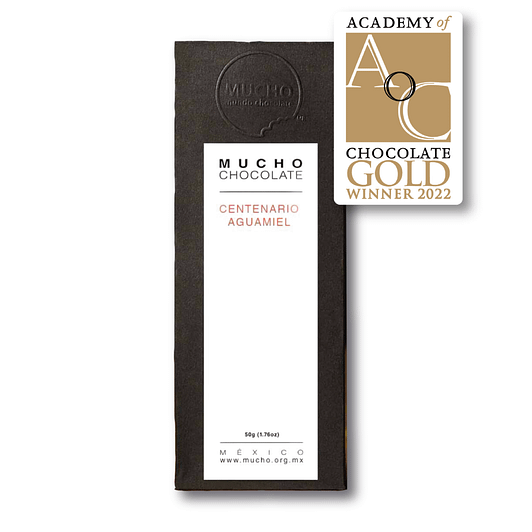
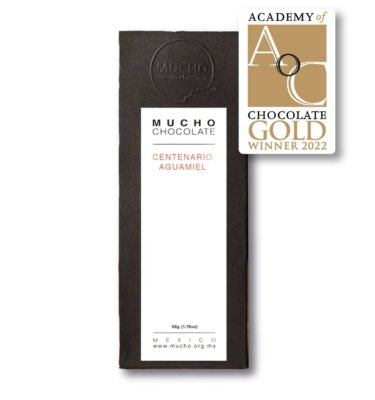
 Mucho – Aguamiel, Mexico, Dark 70%£8.95
 -
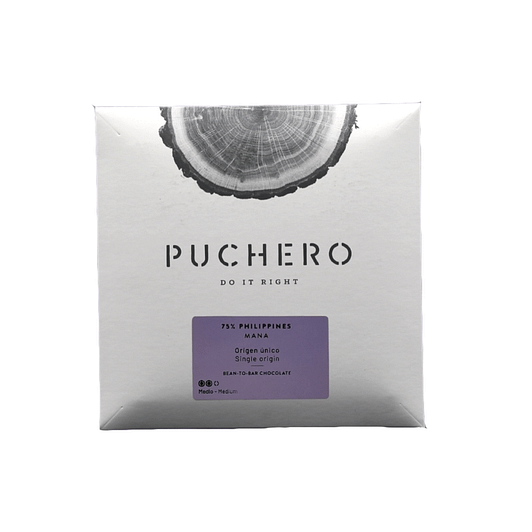
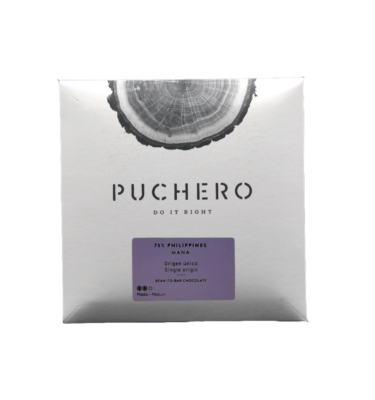
Puchero – Paquibato, Philippines Dark 75% with Nibs£10.95
-
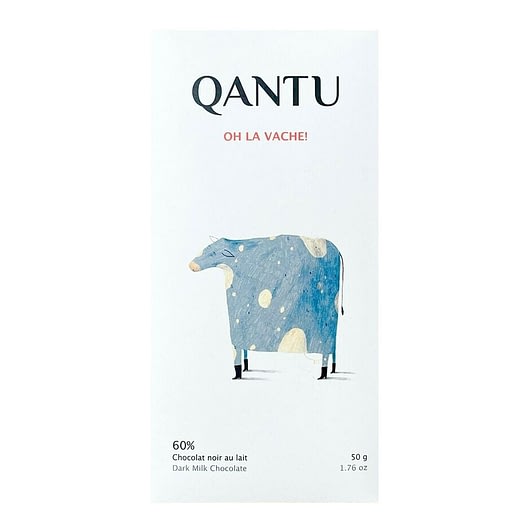
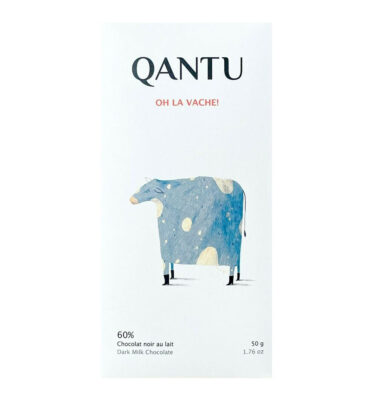
Qantu – Oh la Vache! 60% Dark Milk£9.95
-
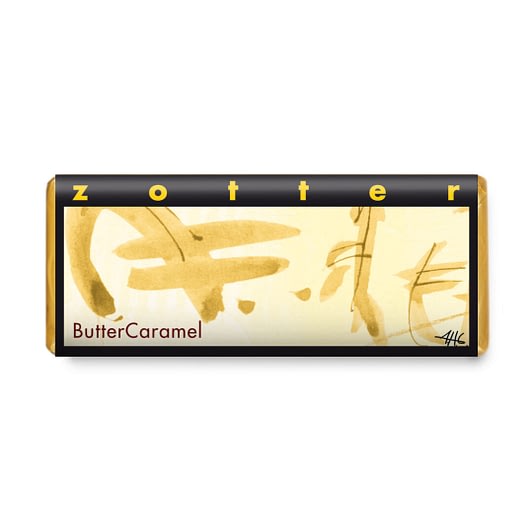
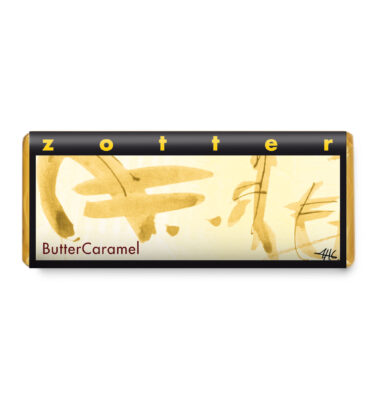
Zotter – Butter Caramel Bar£5.95
-
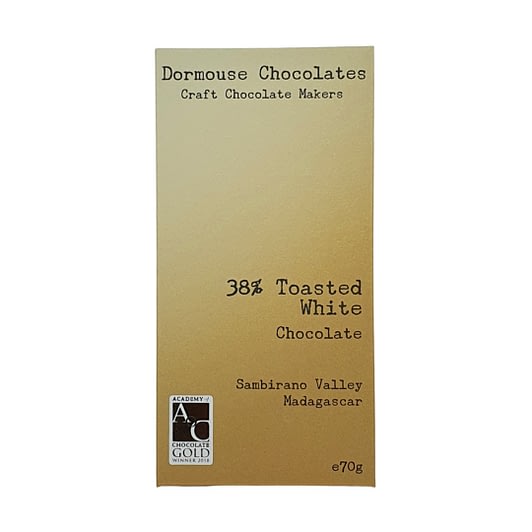
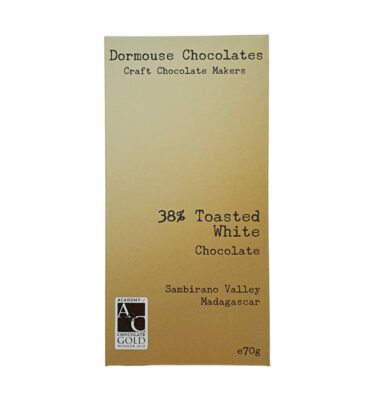
Dormouse – Madagascar Toasted White£6.50
-
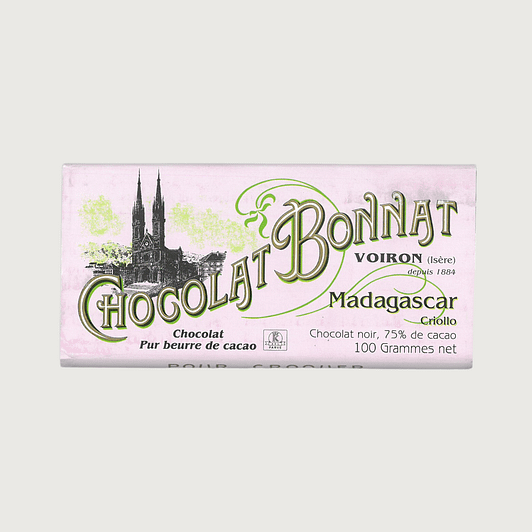
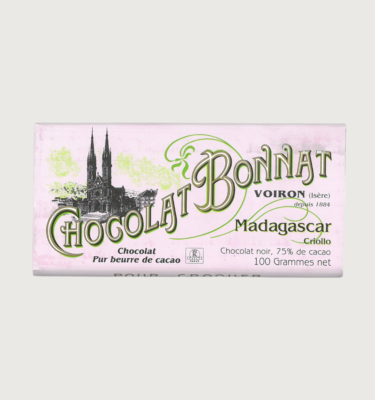
Bonnat – Madagascar Criollo, 75%£11.95
-
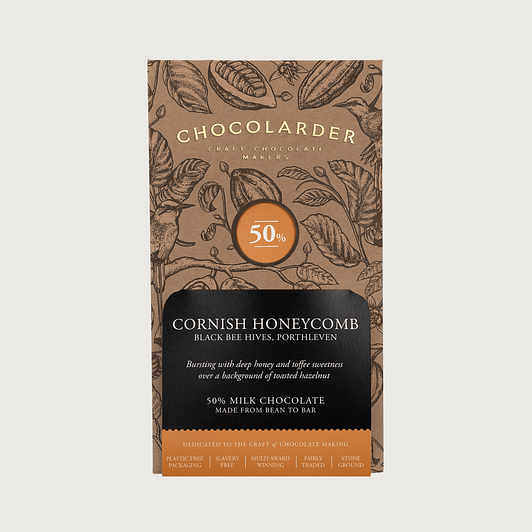
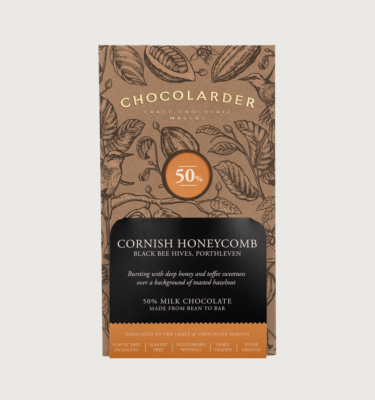
Chocolarder – Cornish Honeycomb£7.95
-
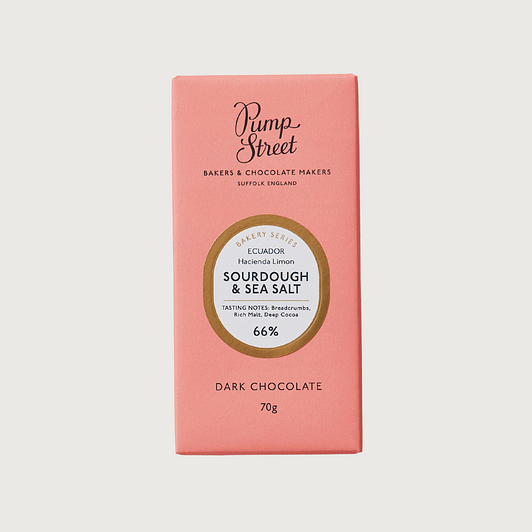
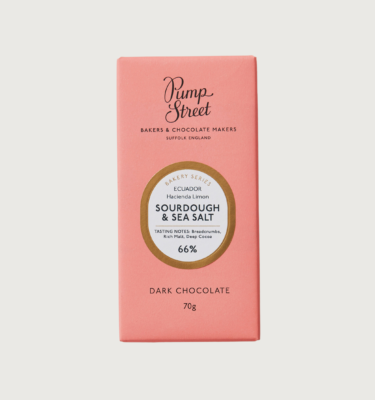
Pump Street Chocolate – Sourdough and Sea Salt, Dark 66%£7.45
-
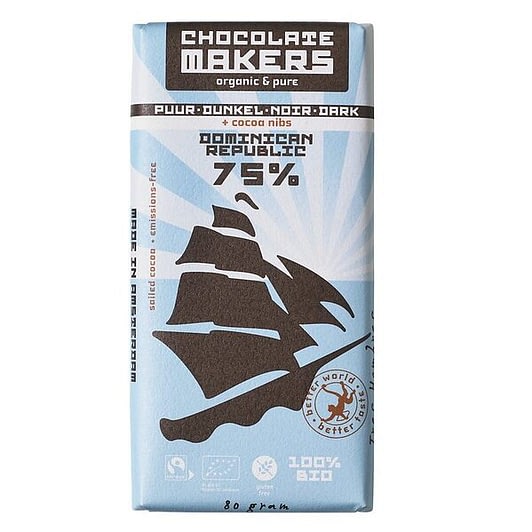
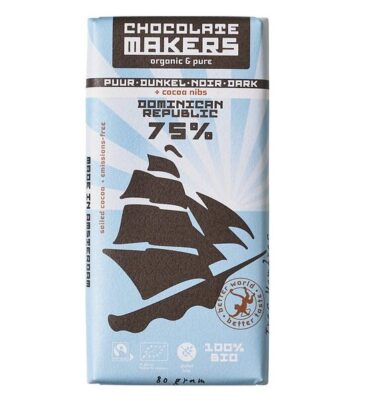
Chocolatemakers – Tres Hombres, Dark 75% With Nibs£5.95
-
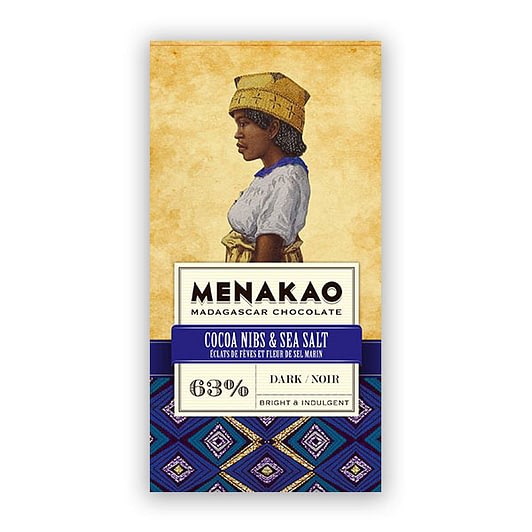
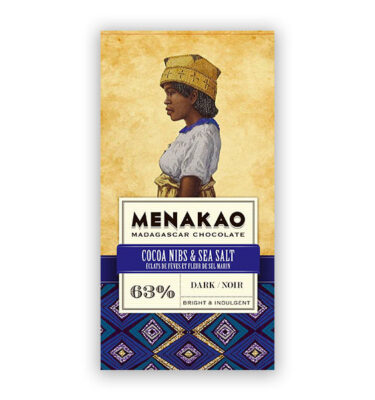
Menakao – Dark Chocolate 63% with Cocoa Nibs & Sea Salt£5.95
-
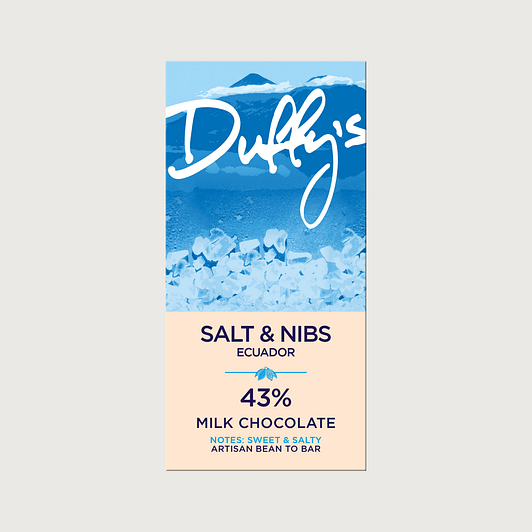
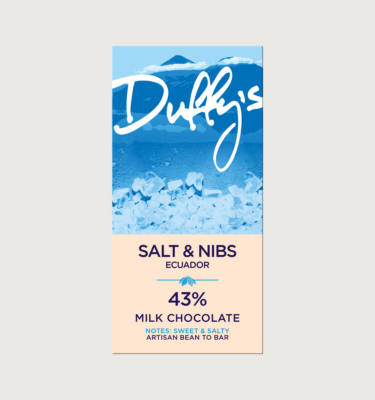
Duffy’s – Corazon Del Ecuador Milk 43% with Nibs & Oak Smoked Sea Salt£6.95
Further Reading
https://science.jrank.org/pages/6700/Taste-biology-taste.html
https://www.sciencedirect.com/science/article/pii/S0092867420305055
https://www.psychologicalscience.org/observer/fragrant-flashbacks
https://www.reuters.com/article/us-mouth-bacteria-flavor-boost-idUKTRE4AC94W20081114
http://www.thebsps.org/auxhyp/making-sense-of-scents-the-science-of-smell-ann-sophie-barwich/
https://media.nature.com/original/magazine-assets/d41586-022-01626-x/d41586-022-01626-x.pdf