What lessons does Specialty Coffee hold for Craft Chocolate?
Globally, sales of chocolate and coffee are on par; north of $100b per annum. The...
Print / PDFContents
- an 'easy to taste' but 'not so easy to see' upgrade
- upgrade on existing habit versus developing different occasion
- an army of advocates (aka baristas) as you upgrade
- skating to the puck (or zeitgeist)
- clear definitions and shared language
- common culture, training and courses
- easy to understand packaging
- addiction: theobromine, caffeine, and sugar
- thank you speciality coffee
Globally, sales of chocolate and coffee are on par; north of $100b per annum. The...
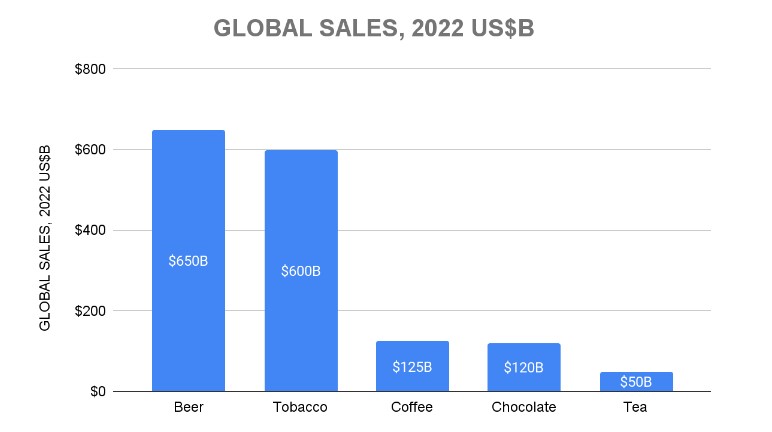
Print / PDFGlobally, sales of chocolate and coffee are on par; north of $100b per annum. The numbers below are pre-covid, but they provide a rough context for different relative spends:
However, unlike speciality coffee (or craft beer, artisan cheese, tea etc.), craft chocolate lags way, way behind. Note: I more than accept that these figures are best estimates, and likely to provoke controversy and disagreement, but again they are directionally accurate:
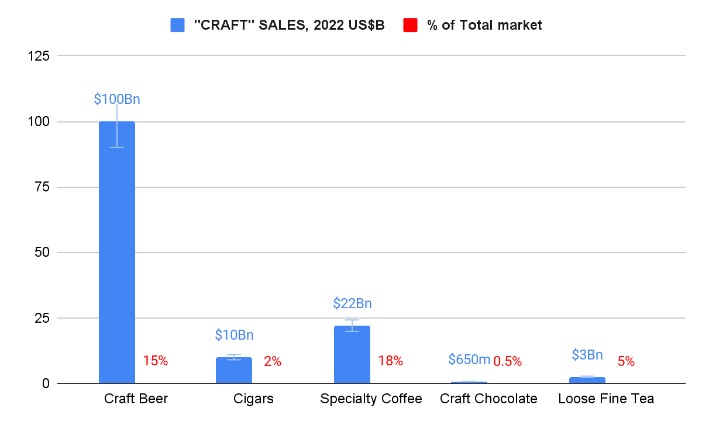
All this begs the question: What can craft chocolate learn from speciality coffee to help replicate this spectacular success?
Savour some coffee and chocolate fusions while you read on and ponder the question:
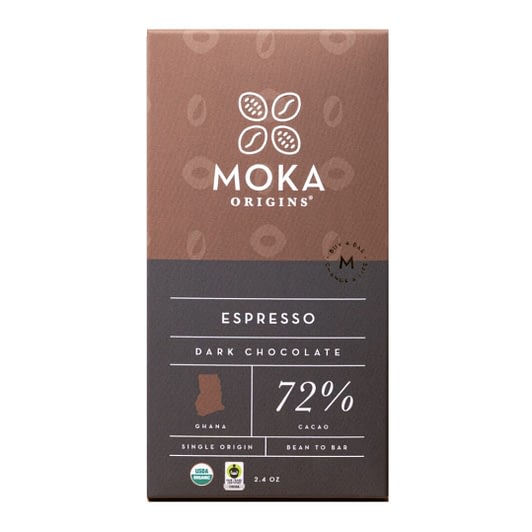
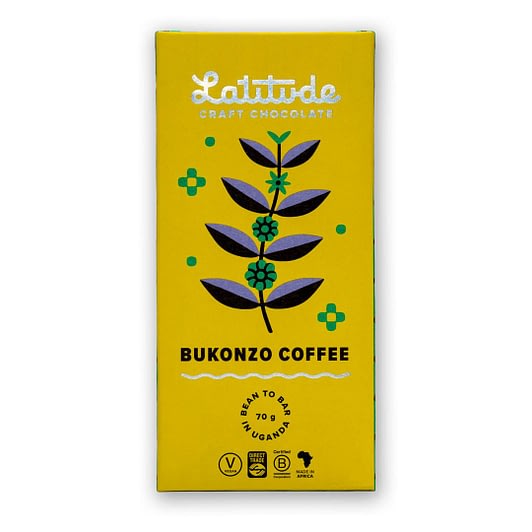
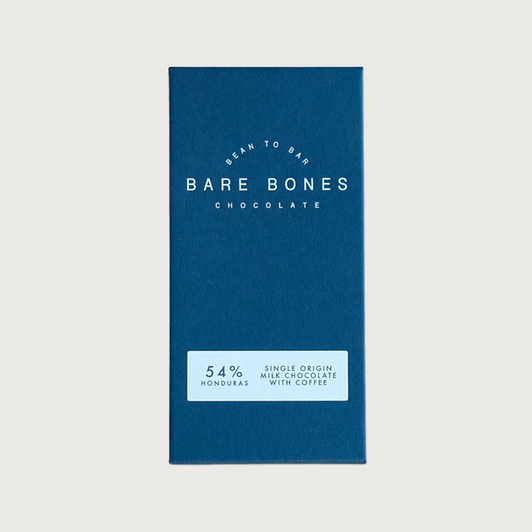
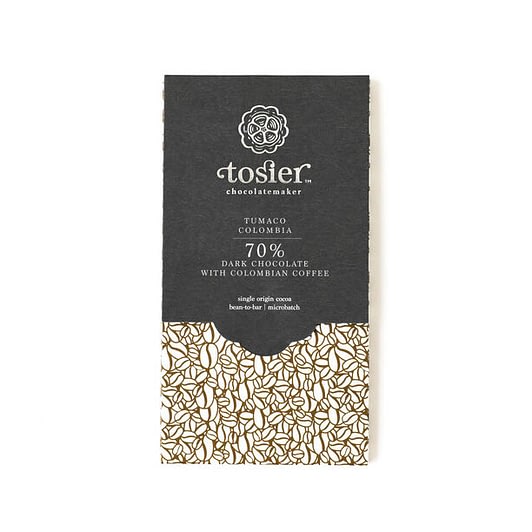
-
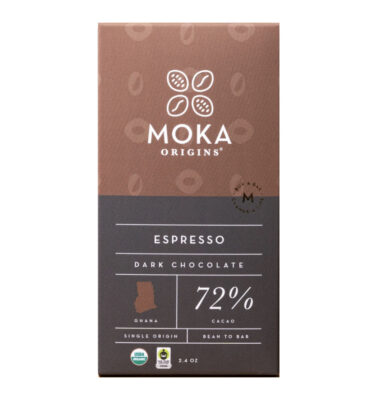
 Moka – Coffee infused Dark Chocolate, ABOCFA, Ghana, 72%£9.95
 -
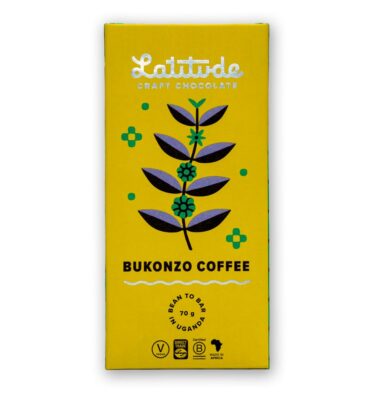
Latitude – Semuliki, Uganda 70% Dark with Bukonzo Coffee£5.95
-
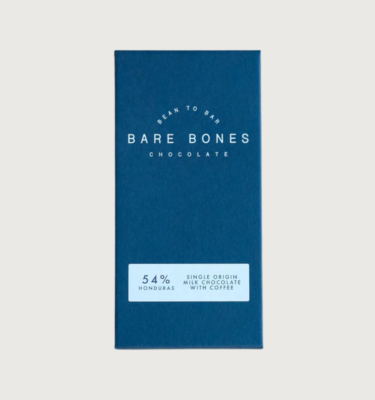
Bare Bones – Honduras, Milk 54% with Ethiopian Coffee£7.95
-
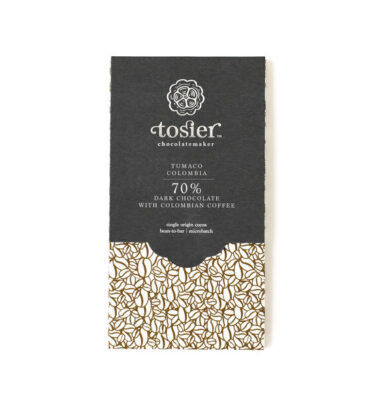
Tosier – Tumaco, Colombia 70% Dark with Coffee£9.95
-
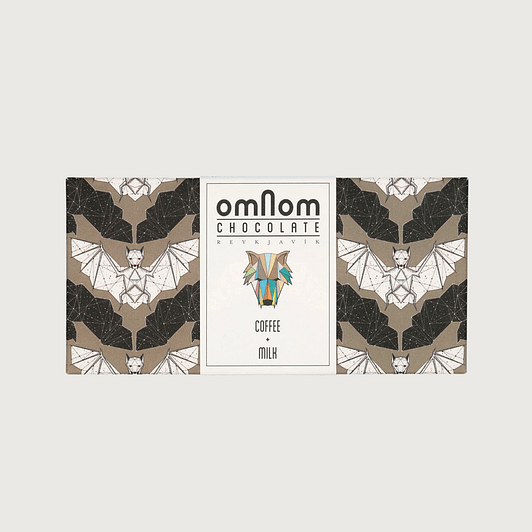
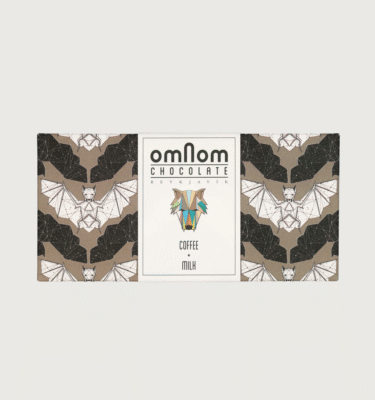
Omnom – Coffee and Milk 38%£8.95
-
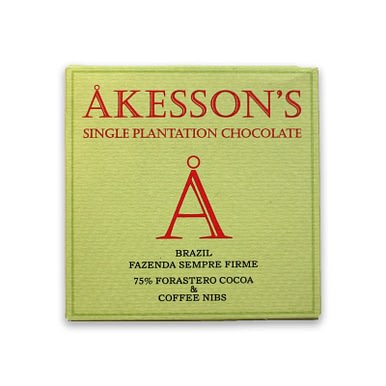
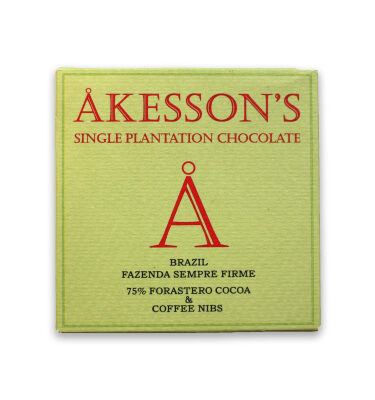
Akesson’s – Brazil 75% With Coffee Nibs£6.95
1 – An ‘easy-to-taste’ but ‘not so easy-to-see’ upgrade
The difference between instant coffee and speciality coffee beans is visually clear. Similarly, the different ‘vibe’ of a speciality coffee store versus a Costa or Starbucks is also very visually obvious. Even the difference between a bag of beans from a supermarket-owned brand and speciality coffee beans is also relatively clear with, for example, speciality coffee highlighting the name of the farm, details of the fermentation, roast, etc. on the packaging.
Unfortunately, it’s not as easy with craft chocolate to see the difference to mass-produced commodity chocolate.
As with commodity versus speciality coffee, it’s very easy to taste the difference between mass-produced and craft chocolate. Unfortunately, it’s far harder to see the difference. Bars are bars. Bar packaging is about colours and logos. And the larger, mass-produced chocolate confectionery companies have far bigger branding budgets. And so branding doesn’t provide an easy way to identify crafting, quality, flavour, etc. At our in-person tastings, we show three mass-produced chocolate bars alongside three craft chocolate bars. And unless members of the audience know the makers, they can’t easily see the difference.
2 – Upgrade on existing habit versus developing different occasion
Coffee shops are GREAT places to meet. Having a coffee is a fantastic social experience. For speciality coffee enthusiasts, it’s a good way to introduce people to their favourite coffees. For the uninitiated, a visit to a speciality coffee shop is a low-cost, easy, quick and educational way to dip a toe in the water.
If you want to impress a sought-after romantic date, or a potential candidate you are interviewing for a job, most people will upgrade to a speciality coffee store rather than go to a Costa or Starbucks.
Similarly, if you are a speciality coffee fan and/or want to make a statement in your office about your coffee sophistication when you grab your first coffee that morning to have at your desk, you may well upgrade to a speciality coffee.
The habits surrounding mass-produced chocolate aren’t as easy to upgrade for craft chocolate. Most commodity chocolate is a solitary treat, consumed either mid/late afternoon or late morning as a ‘pick me up’ or treat/reward. And it’s consumed in private, more often than not, fairly quickly (that is to say, it’s a guilty scoff). Sadly, the sugar in mass-produced chocolate is key here for this hit and lift.
By contrast, the most common occasion when Cocoa Runners customers enjoy craft chocolate is after a meal where people savour a few squares either on their own, or with a partner.
So unlike speciality coffee where the upgrade to your morning coffee or social meet-up in a coffee shop is clear and direct, and a great way to show you are ‘in the know’, this is far harder for craft chocolate. Very few people will switch from their vending machine treat to a craft chocolate bar at their desk or as they rush to a meeting having forgotten lunch. And as so much chocolate confectionery is a treat and their ‘naughty’, and personal, secret, it doesn’t provide the same social signalling.
3 – An army of advocates (aka baristas) as you upgrade
Speciality coffee is blessed with an army of professional advocates, otherwise known as baristas. Baristas understand that a key part of their job is the theatre of what they do (latte art, pour over stirring etc.) and demonstrating just how special their coffee is. Standing in line in a speciality coffee store is often a fantastic education on not just the skill of how to make an espresso or latte, but also about the beans, their fermentation, roasting etc. You can listen to the story of the speciality coffee, see the difference for yourself, and understand the upgrade.
It’s far, far harder to experience this in craft chocolate. There are a few cities with craft chocolate makers where you can both purchase, consume and see chocolate being crafted; for example in Paris with PLAQ, San Francisco with Dandelion, Raaka in New York, or now London Chocolate in London. But these are few and far between, and the comparison between speciality coffee and craft chocolate here is striking.
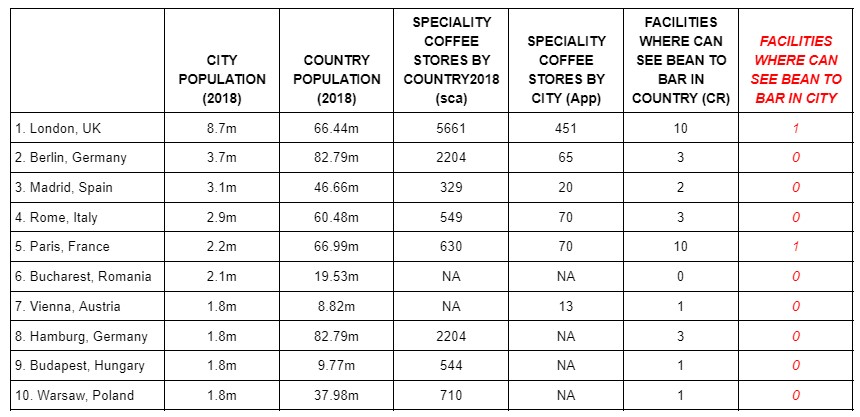
Unfortunately the predominance of ‘filled chocolate’ retailers (i.e. people selling truffles, bonbons, etc.) further confuses and complicates. Filled chocolate makers (almost) always use couverture, that is to say they don’t make their own chocolate directly from beans, rather, they purchase buttons or blocks of ready-made chocolate to melt and re-mould. Very few of these retailers have staff who can, or will, explain how to move from ‘farm to bar’ in crafting chocolate. Fortunately there are some craft chocolate makers now making great filled chocolates; for example, Chocolarder, Cocoa Retreat and Friis Holm. And there are even a few craft chocolate makers like Zotter, French Broad, Omnom, Fruition, Mirzam, Fu Wan, etc. who craft filled chocolates along with their bars AND you can visit their operations.
4 – Skating to the puck (or zeitgeist)
There is an intriguing correlation between city postcodes with lots of startups and city postcodes with lots of speciality coffee stores. To cynics, this is all about the overlap of “hipsterdom” in startups and speciality coffee. But it’s also a sign of canny ‘skating to the puck’ by coffee stores. One room startups by definition don’t have meeting rooms or places to interview new hires etc. So coffee stores have stepped in to fill the gap. The same goes for people who don’t have their own offices; coffee stores are great places to work in, socialise, etc.
Speciality coffee has done an amazing job of spotting the desire for people to meet socially over a coffee, work in a warm welcoming space with wifi and even hold work meetings and interviews. This, in turn, has enabled baristas to spread the speciality coffee Message. It also provides a social means for coffee enthusiasts to ‘sell’ their love of coffee to others.
5 – Clear definitions and shared language
Speciality coffee is also blessed with clear definitions of quality, backed up by certified Q graders. The qualities of great coffee are shared and understood by everyone in the industry. And there are very strict definitions of what counts as a “fault”.
Sadly, craft chocolate is far, far away from this. There is no definition of craft chocolate. We’ve provided a stab at this in the FCIA Glossary, but it’s far more about philosophy and approach than clearly judged taste and flavour quality standards. Even the most stringent quality standards for trading cocoa beans allow 2% of mouldy beans in a bag (hence the importance of hand sorting, and traceable bean supply chains).
6 – Common culture, training and courses
Speciality coffee, thanks to the SCA and the likes of the London School of Coffee, has a fantastic series of courses for professionals in the industry; whether they be baristas, roasters, Q graders, etc. Many coffee roasters and coffee stores also have parallel courses for their staff, and also interested consumers.
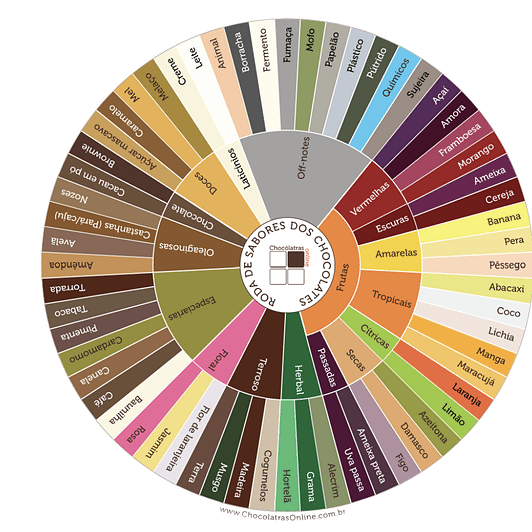
This helps create a common understanding and language of quality, growing, crafting, and all the descriptors of flavour, mouthfeel, and taste; supported by all sorts of flavour wheels, cupping charts, etc.
Perhaps because craft chocolate doesn’t have a cadre of baristas keen on being trained, there isn’t a set of similar courses for craft chocolate …yet. Fortunately, now we’ve some wine and coffee experts who’ve helped design both the WSET (Wine and Spirits Educational Trust) and the SCA (Specialty Coffee Association) like Peter McCombie MW who are preparing courses for craft chocolate makers, farmers, and enthusiasts to explore.
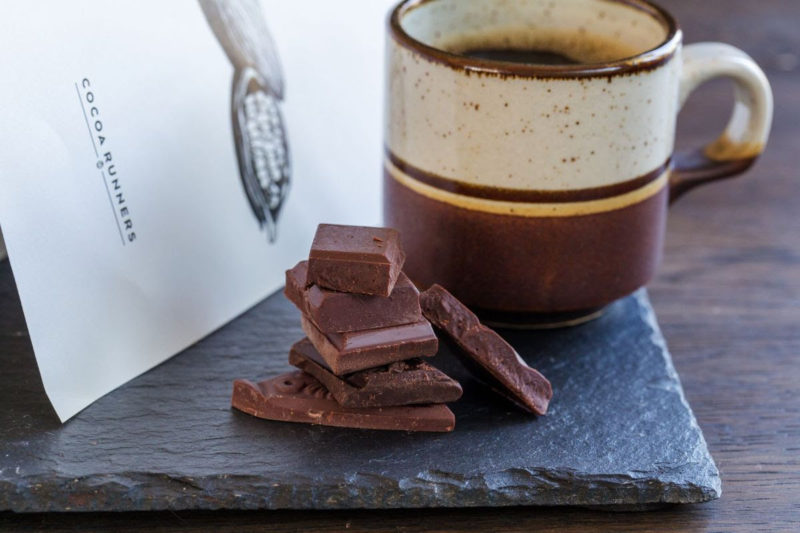
Take your own educational journey through the worlds of craft chocolate and speciality coffee with our monthly chocolate and coffee subscription:
7 – Easy-to-understand packaging
Speciality coffee is brilliant not just at branding but also signposting to customers on their packaging all the details that contribute to the flavour of their beans; details of the farm where the beans were grown, the harvest, the fermentation, the roast, etc., which helps set it apart from supermarket alternatives.
Unfortunately, many craft chocolate makers’ packaging isn’t very good at celebrating the farmer (yet). We sell over 1000 different bars from over 100 makers, and although we won’t sell a bar without knowing where the beans come from down to a farm/cooperative level (plus how/where it’s been made, and that it tastes GREAT etc.), we estimate that only 30-40% of our makers clearly label the farm or cooperative they are using on their packaging.
The supermarkets have realised that customers want to know more, so they are now adding phrases like “single origin” to their “premium” chocolate bars. But they can, at best, trace to a country or region NOT to the farm/cooperative level, mainly because of the way they outsource their supply and manufacture to ‘big chocolate’ (and many of even these premium bars are nib roasted, hydrolyzed, include multiple additives, etc.).
Under EU, and post-Brexit UK regulations, chocolate that is made by re-moulding bulk chocolate liquor (which is the vast majority of chocolate sold in the UK) doesn’t have to say where the bars have been made and therefore sidesteps the question of who is really ‘making’ the chocolate; i.e. the company doing the final moulding and packaging, or the company processing the beans into bulk chocolate liquor or couverture.
On a more positive note, all the makers we work with will detail where they craft their beans into bars.
Ingredient labelling should be an easy win for craft chocolate, and a tool that even specialty coffee doesn’t have. After all, all that is in a bag of coffee is COFFEE. In mass-produced chocolate, there are all too often many other ingredients (vegetable fats, palm oil, E numbers, butter fat, etc.) that clearly give the game away. Craft chocolate will contain ingredients that pass “the Michael Pollan test”; you and your grandmother, will recognise them; cocoa beans, cocoa butter, sugar and (if a milk or white bar), milk.
But this assumes that consumers will read the label, and learn to be wary of marketing claims like “raw”, “high in oxidants”, etc. or “high quality Belgian chocolate” (more often than not an oxymoron!). So, sadly, to date, this is an under-leveraged asset for craft chocolate makers.
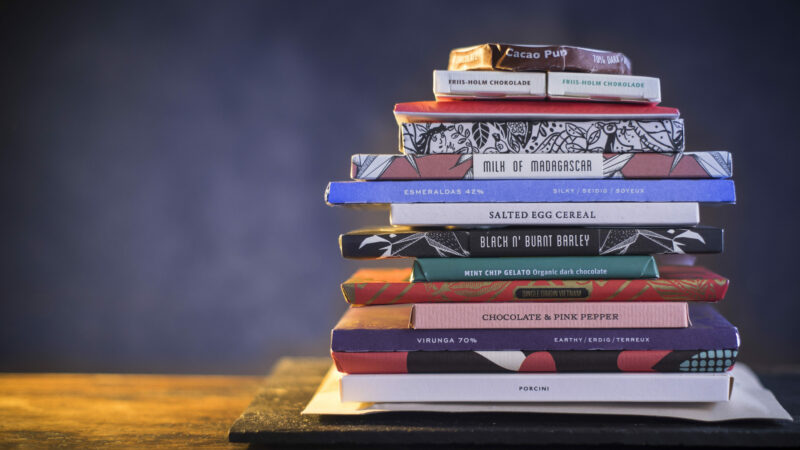
8 – Addiction: Theobromine, caffeine, and sugar
The addictive aspect of all coffee, speciality or instant, is the same; caffeine. This isn’t the same with chocolate. The main stimulant in chocolate, theobromine, is in both craft and mass-produced chocolate. But it’s not addictive. The stuff that’s addictive in mass-produced chocolate is sugar (and added fats, salts etc. to create the BLISS POINT). And craft chocolate uses far less sugar, primarily to enhance flavour, not to create a sugar rush, and not as a cheap ingredient filler and preservative.
Unlike caffeine, theobromine (the primary stimulant in chocolate) doesn’t cross the blood-brain barrier. So theobromine doesn’t block the adenosine receptors and keep you awake, nor does it increase adrenaline. Theobromine is a stimulant, increasing blood flow whilst also vasodilating your blood vessels (so it’s good for asthmatics).
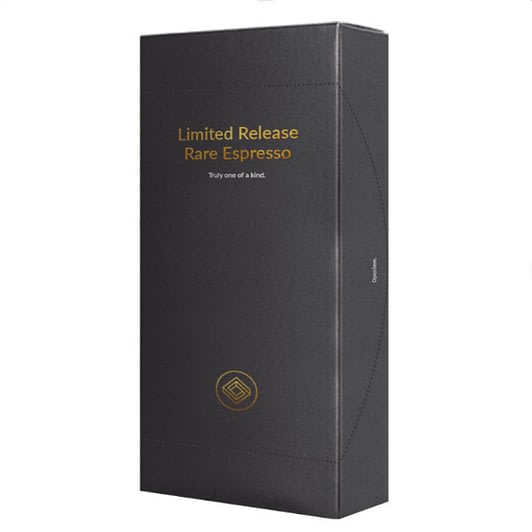
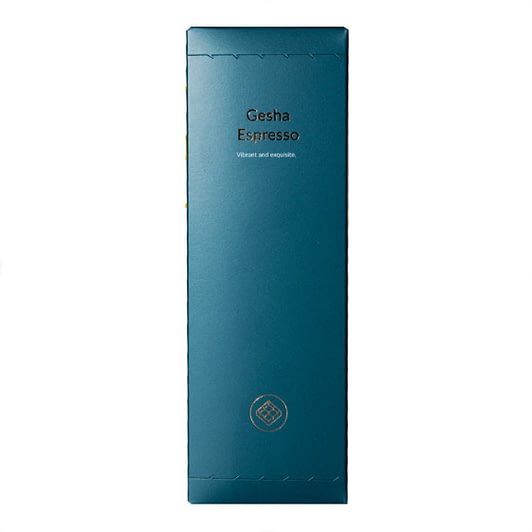
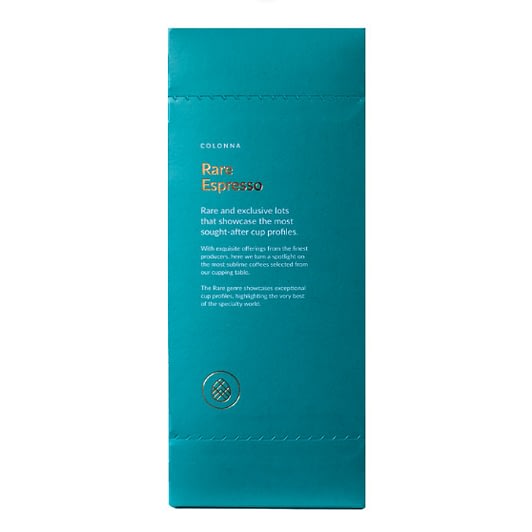
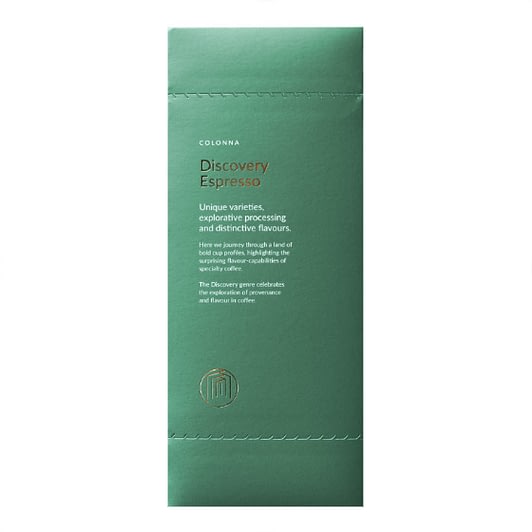
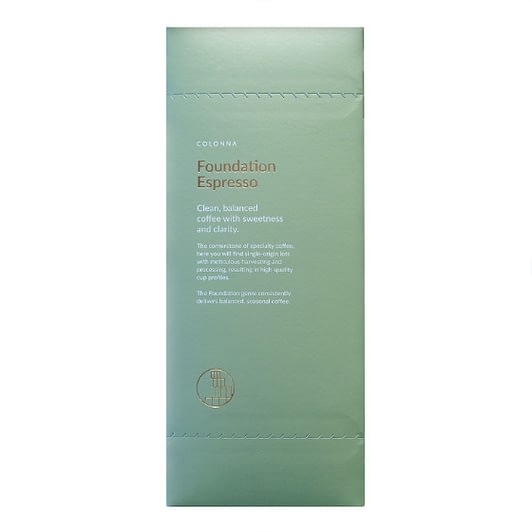
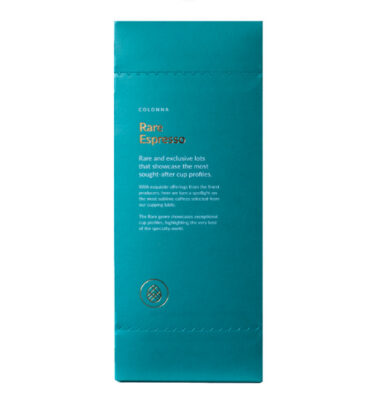
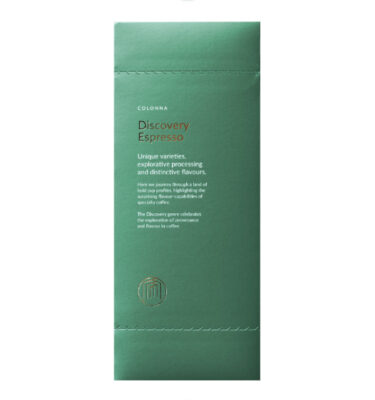
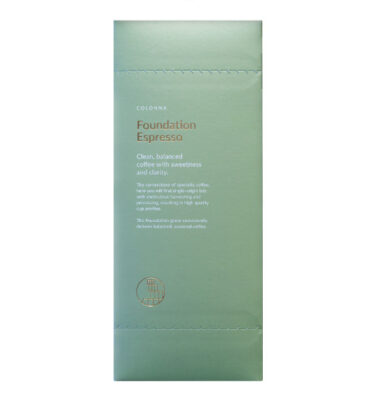
Experience the effects of some of the world’s greatest speciality coffees without or bean and/or capsule collections, in partnership with Colonna Coffee:
Thank You Speciality Coffee
The GREAT news is that we can learn so much from speciality coffee and a tonne of interesting questions and opportunities to ponder:
- What sort of experiences can replicate the social and barista advocacy for craft chocolate in both the physical and virtual space?
- How can we define “craft chocolate” …and how to improve quality standards?
- How to explain potential occasions, and ways to share, craft chocolate (e.g., post dinner) …and what sort of alternative ‘product tweaks’ are required here; e.g., how to move “beyond the bar” (e.g. sharing boards, sharing boxes of smaller bars).
- What sort of training and courses, perhaps even with coffee, especially on flavour and taste?
- How to celebrate growers and farmers more on packaging, at events, etc.?
- Which benefits resonate; e.g. learning to savour, satisfying your ‘second stomach’, saving the planet, supporting farmers, etc., so that even if craft chocolate isn’t addictive, customers still understand why it tastes better, is better for you and better for farmers and the planet?
As ever, thanks for your support. And please, please do send in your comments and thoughts.
Keep savouring!
Spencer
-
Moka – Coffee infused Dark Chocolate, ABOCFA, Ghana, 72%£9.95
-
Latitude – Semuliki, Uganda 70% Dark with Bukonzo Coffee£5.95
-
Bare Bones – Honduras, Milk 54% with Ethiopian Coffee£7.95
-
Tosier – Tumaco, Colombia 70% Dark with Coffee£9.95
-
Omnom – Coffee and Milk 38%£8.95
-
Akesson’s – Brazil 75% With Coffee Nibs£6.95