Explaining the Wonders and Importance of Craft Milk Chocolate
We’ve been really delighted by the support shown for our weekly Wednesday “Welcome to the Revolution”...
Print / PDFWe’ve been really delighted by the support shown for our weekly Wednesday “Welcome to the Revolution”...
Print / PDFWe’ve been really delighted by the support shown for our weekly Wednesday “Welcome to the Revolution” craft chocolate tastings.
Part of the fun of these tastings is trying several very different craft chocolates that vary between dark, milk, stone ground, to even 100%; and having everyone share their reactions in real time on the main screen (and thereby avoid the awkward silences or (worse) loud shouting of in person big tastings). During these online events it’s always intriguing to hear your questions, feedback and comments, and we are constantly learning.
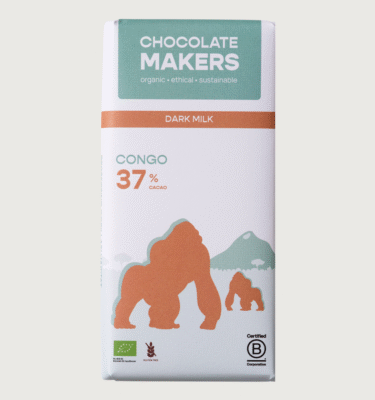
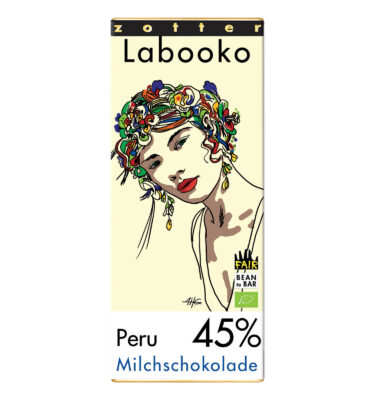
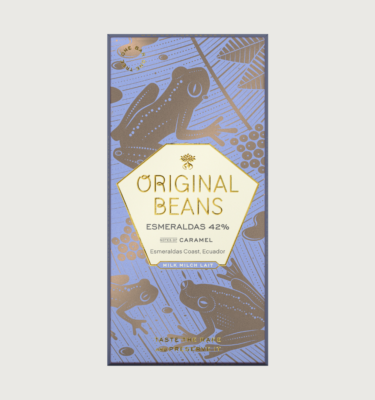
Our guests often tell us that they prefer, or are at least more familiar with milk chocolate, and although we talk about the origins of milk chocolate in our tasting sessions, it’s worth taking a bit of deep-dive on it. So here we’re exploring the importance of milk chocolate in history and the extraordinary variety milk chocolate can offer (including some “no sugar” and non-dairy options), while also owning up to a few of its challenges (hint: it doesn’t age well and it’s VERY moreish).
Milk Chocolate in History
For almost all of chocolate’s five thousand year history, we consumed chocolate as a drink. And for much of it’s history, chocolate has had strong religious and aristocratic leanings. But thanks to three discoveries within the last fifty years of the nineteenth century, chocolate went mainstream and became eaten, rather than drunk.
- The first ‘discovery’ was by Joseph Fry in the 1840s who counter-intuitively worked out that by adding cocoa butter back into the chocolate pastes that were used to make drinking chocolate he could create a stable, chocolate bar that people could eat. And in 1847 Joseph Fry launched from his Bristol factory what is accepted as the world’s first commercial chocolate bar.
- These first bars were very grainy and gritty (similar to Taza’s stone ground bars of today). In 1879, after apocryphally leaving on a machine over the weekend, Rodolphe Lindt ‘discovered’ what is now called conching and how to make the smooth chocolate bars that predominate today.
- In parallel, and a few villages away, Daniel Peter was working on how to add milk to chocolate. Initially he had huge problems as chocolate does not react well to water (as anyone who cooks with chocolate can testify). However when he partnered with Henri Nestlé, a neighbour who had invented a milk condensation process for his baby foods, the two were able to start making commercial milk chocolate in 1875.
Putting these discoveries together; bars, smoothness and milk; kicked off the “chocolate revolution”.
To put this revolution in context: It is estimated that in 1870 around 50 million people drank chocolate, compared to 500 million drinking tea and 200 million drinking coffee. But with the transition from drinking to eating chocolate, world consumption of cocoa beans increased tenfold between 1850 and 1900 (from less than five thousand tonnes to over fifty thousand tonnes). And it has kept growing; from 50,000 tonnes in 1900 to 632,000 tonnes in 1940 to 4.5 million tonnes in 2016.
Much of this is down to the ‘moreishness’ of smooth, milk chocolate. Indeed it can be argued that Daniel Peter’s creation of milk chocolate created one of the world first ‘bliss point’ foods.
Varieties and Virtuosities in Milk Chocolate
Just as different beans, fermentations, drying, roasting, grinding, conching and recipes create huge differences between dark chocolates, the same is true of milk chocolate. Indeed, arguably milk chocolate is capable of even greater varieties; and so tasting a diversity of milk chocolate can help you explore the impact of some key factors:
- Different percentages: Try comparing these two bars crafted by Friis Holm, from the same bean and farm:
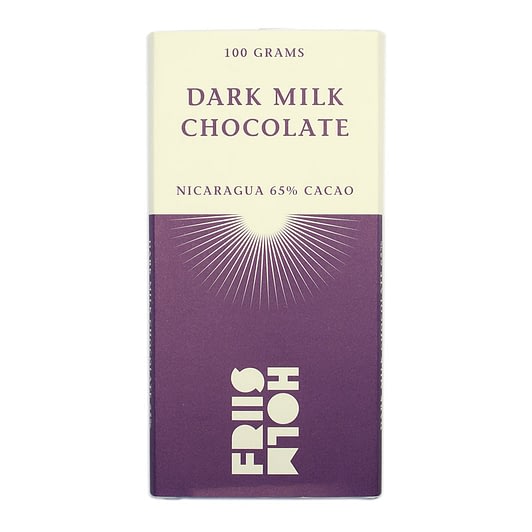
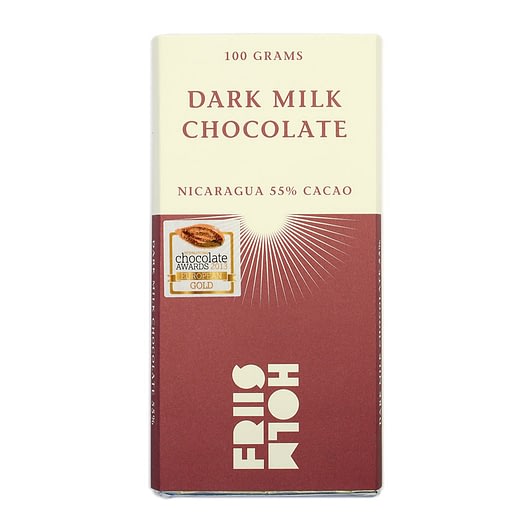
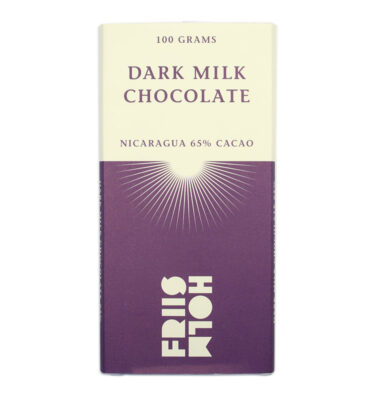
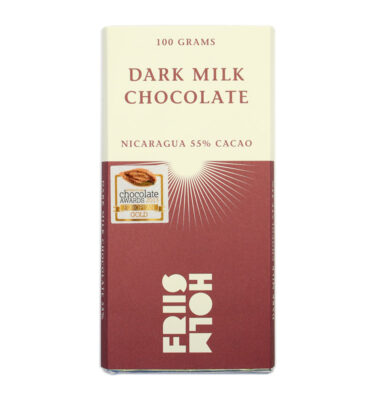
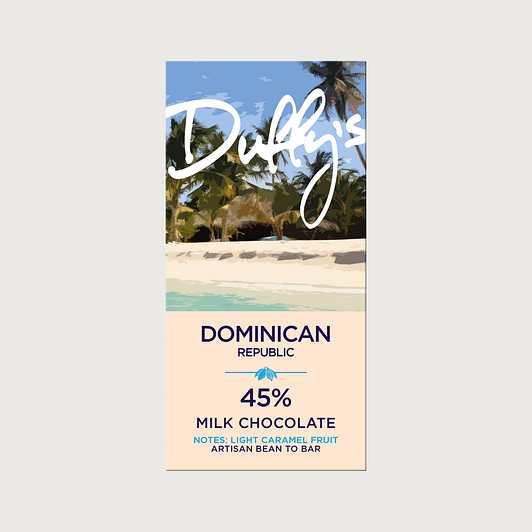
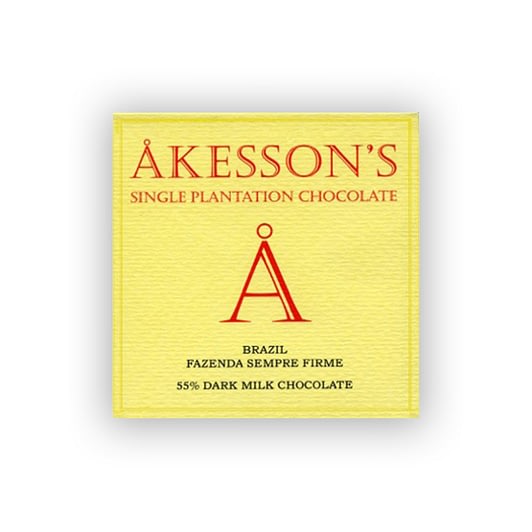
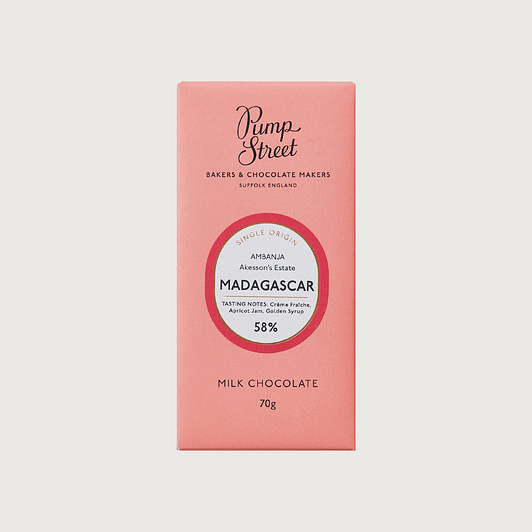
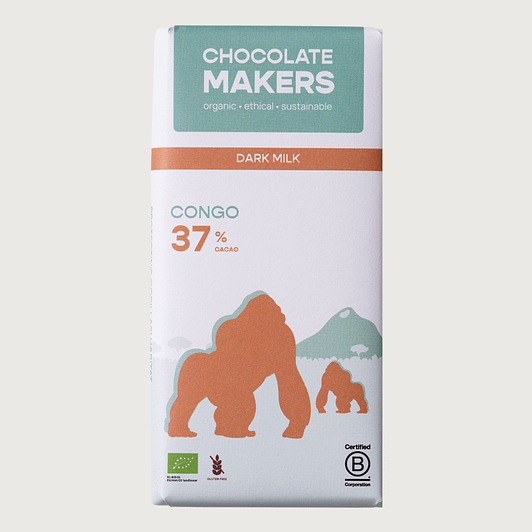
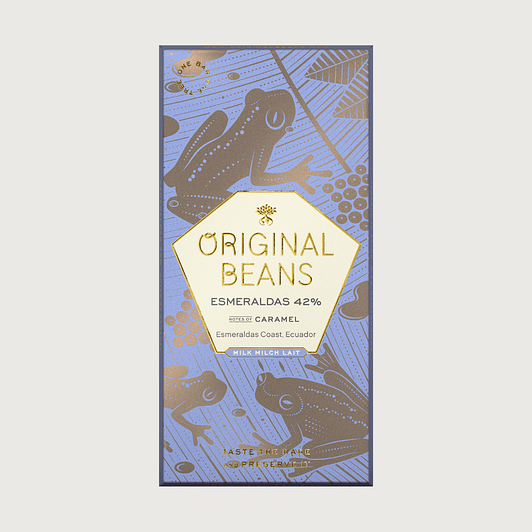
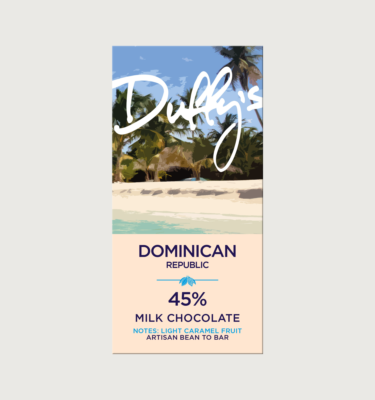
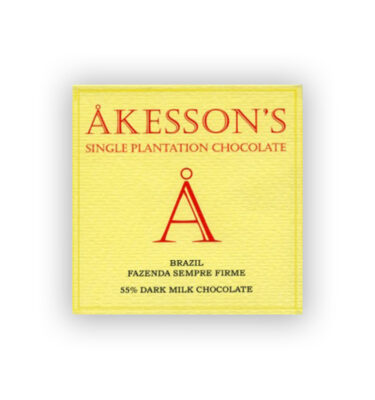
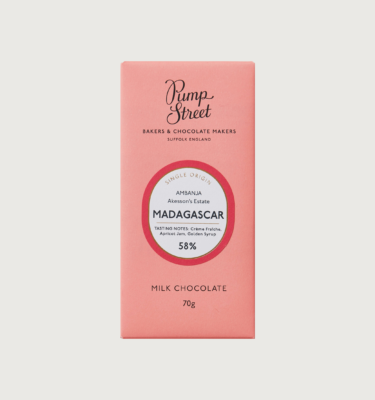
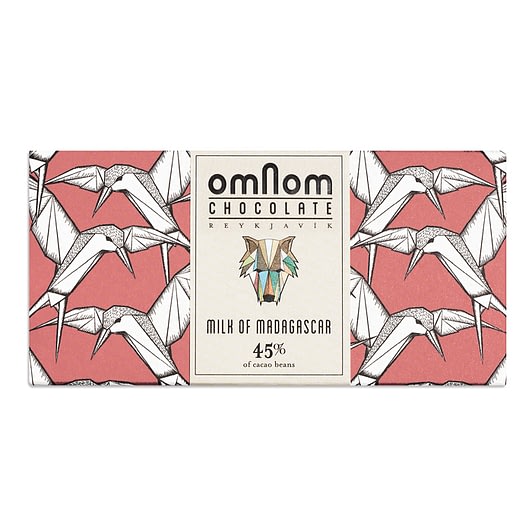
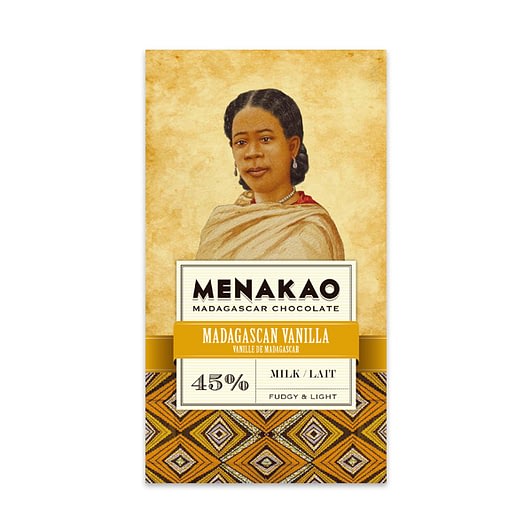
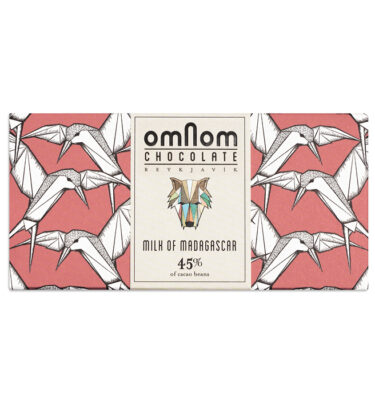
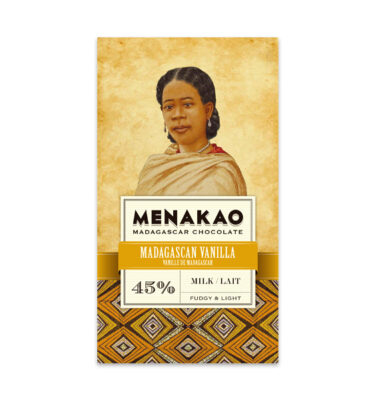
- Different makers: Try comparing two milks made by different makers, but with similar recipes and the same origin:
Challenges of Milk Chocolate: Ageing and Vintages: “Use by” versus “Best Before”
One of the many facets of craft chocolate that we are REALLY looking forward to is the emergence of ‘vintage’ craft chocolates. Just as wines vary year to year, so does cocoa. And similarly, just as wines age, so can chocolate (in both, the tannins evolve to create radically different profiles). Fresco and Friis Holm are already exploring this. But it deserves more attention. And it brings home one of the differences between dark and milk chocolates (and craft versus mainstream chocolates) that is exemplified in the confusion over “best before” and “use by” dates.
In the UK almost all foods and drinks have to have a “use by” or “best before” date (wine is one of the exceptions, it doesn’t have to have either). These different phrases often confuse consumers, and lead to considerable food wastage. Here is the difference:
- Use by: Contains an ingredient or additive that goes off. Generally a really BAD idea to eat after the use by date; but this is complicated by the cautiousness of many makers, and it’s often OK to eat some products (e.g. a yoghurt) a day or so after it’s use by date.
- Best before: Arbitrary date applied by the producer. Food and drink can be safely eaten after the date, but the flavour and/or texture may be impaired.
Milk Chocolate of all varieties clearly needs to have use by dates. And (ironically) the additives and preservatives in many mass-produced dark chocolates means they too have use by dates.
Dark craft chocolate should not have a use by date; but sadly by law it does need to have a best before date. There is no consensus around what this date should be; most makers will suggest a year from the date of production, but others argue for 18 or 24 months. It’s perfectly viable to try dark bars that are three to five years old, although to improve the melt and mouthfeel, they are best savoured after they’ve been lightly warmed.
(Insider tip: Occasionally we have some bars that are close to their best before dates, and we place these in ‘lucky dip boxes‘ where you can purchase a selection at a discounted price, which avoids waste).
But bottom line: IT IS NOT A GOOD IDEA TO EAT ANY MILK CHOCOLATE, OR MASS-PRODUCED MAINSTREAM DARK CHOCOLATE, AFTER ITS USE BY DATE (although a few weeks/months is normally fine).
Challenges of Milk Chocolate: Resisting the Bliss Point
In the late 1960s, after his graduation from Harvard with a degree in experimental psychology, Howard Moskowitz was assigned the task of figuring out how to ensure that American soldiers would eat more of their MREs (Meals Ready to Eat in army speak, i.e. field rations). And his discovery of what he named the “bliss point” has impacted everything from spaghetti sauces, fizzy drinks, pizza, salad dressings to snack foods. In a nutshell, the bliss point is about making food irresistible; or in Pringles’ catchphrase; “once you pop, you can’t stop”. And Moskowitz worked out that by adding salt, sugar, fat and flavourings in different proportions to different foods (and drinks), you could engineer people to eat far more. We can’t help but reach for more.
Arguably Daniel Peter worked this out a century before Moskowtiz when, along with Henri Nestlé, he worked out how to make milk chocolate. Milk chocolate is very moreish. Whereas most of us will savour dark craft chocolate, and are happy with a few squares from a couple of bars, with milk chocolate it is harder to resist (and this is true of both classic milks and dark milks with over 50% cocoa in them). Indeed in the case of mass-produced milk chocolate even the packaging reflects this; it assumes that the whole bar will be eaten in one go (actually the same is true of many mass-produced dark chocolates, as they too have other fats, oils and flavourings added to optimise for the bliss point).
Summary
Forewarned is forearmed. Craft milk chocolate is awesome. It has a range of flavours and textures that can rival dark craft chocolate. And the addition of milk to chocolate helped move chocolate from being primarily a drink for the aristocracy and wealthy to being a delight that everyone can eat and savour.