Valentine’s Day is Here Again!
So we’re now over halfway through January. And having been unseasonably warm, it’s now unseasonably...
Print / PDFSo we’re now over halfway through January. And having been unseasonably warm, it’s now unseasonably...
Print / PDFSo we’re now over halfway through January. And having been unseasonably warm, it’s now unseasonably cold! So it seems like a GREAT time to plan for Valentine’s Day which is less than three weeks away.
We’ve a cornucopia of great pairings and presents!
And no shortage of tasting events: We’ve a tasting in our London office, a virtual wine and chocolate tasting with The Wine Society, and in-person tastings with Hedonism Wines in London, and Vagabond Wines in Birmingham.
To kick things off, and help you limber up for the festivities, below is a quick history of chocolate, love, and St Valentine.
In a later email we’ll explore some of the facts and myths of chocolate as an aphrodisiac.
Chocolate and Sex
From the first time the conquistadors witnessed Aztecs drinking chocolate they wrote about its powers as an aphrodisiac. Bernal Díaz Castillo, who chronicled Hernan Cortéz´s conquest of Mexico, wrote of Montezuma drinking “50 great jars of prepared cacao and foam …which they said was for success with women“.
And after chocolate took off in Europe as a drink allowed by the papacy on fasting days (of which there were over 100 a year) chocolate again rapidly acquired a reputation as an aphrodisiac. Charles II was a particular fan, spending more on chocolate than his mistress. Samuel Pepys was intrigued. And both Casanova and the Marquis De Sade were devotees.
But what really made chocolate takeoff was the move from drinking chocolate to eating chocolate bars in the 19th century.
And then in 1868 Richard Cadbury created a love heart shaped “Fancy Box” full of bonbons, chocolate-flavoured ganaches, and chocolate-enrobed fruits that was for gifting on St Valentine’s Day.
…But this doesn’t explain why we associate St Valentine’s Day with romance in the first place!
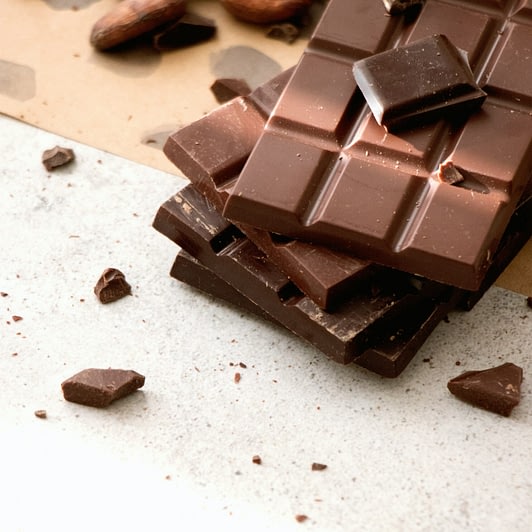
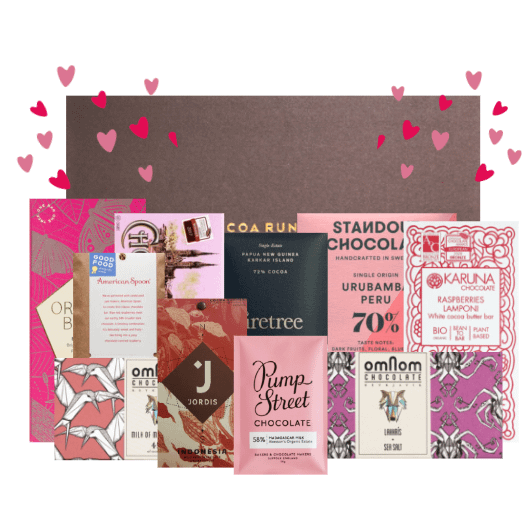
This Valentine’s Day, the perfect gift for someone you care about is a collection of craft chocolate! We’ve put together some gift boxes for you. They look great, and more importantly; taste amazing.
And if you’d really like to customise your craft chocolate gifting, you can build your own box with your preferred chocolates:
The Origins of Valentine’s Day
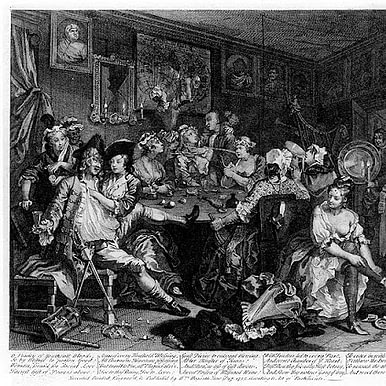
Valentine’s Day’s origin is murky. Many academics cite its most likely origin as the Roman Festival of Lupercalia, where young Roman men would strip off, grab a whip, and run after their (potential) partners to try to both impress them and in the belief that ‘spanking’ would increase their fertility.
Lots of alcohol and Bacchanalia were involved, and this festival continued through the decline of the Roman Empire. Indeed, a variant of this tradition lives on in the Czech Republic and Hungary where on Easter Sunday (again a fertility festival), young men arm themselves with a whip (called a pomlázka) and go from door to door, spanking women on the bottom. The women then soak the men with a bucket of cold water.
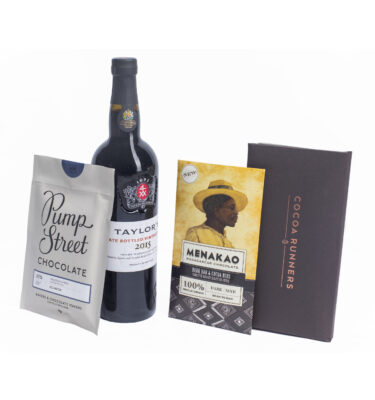
For date night this year, make it special with some elegant pairings of craft chocolate and fine wines. Share some sensory delights by exploring the flavours of the best chocolate and wines, expertly paired:
St Valentine
The Catholic Church recognises a number of different saints called ‘Valentine’; many of whose martyrdoms and miracles are lost to history.
The mechanics by which one (or more) of these saints became associated with romance and Valentine’s Day is also murky. Most stories revolve around a Roman priest, called Valentine, who was put to death by Emperor Claudius in 269 for refusing to renounce his faith. Pope Gelasius added St Valentine to the calendar of saints in 496 with his honouring on the 14th of February (i.e. the day before Lupercalia).
Over time, various legends have been associated with St Valentine, including:
- When Emperor Claudius II outlawed marriage for young men on the basis that single men make better soldiers, St Valentine defied this rule by continuing to marry young lovers. When Claudius discovered these clandestine marriages, he had St Valentine put to death.
- Before being put to death St Valentine is said to have sent the first ever Valentine’s Day card. After falling in love with his jailor’s daughter, he wrote her a letter signed ‘from your Valentine’.
- Another variation claims St Valentine “cut hearts from parchment …to remind me of their vows to God’s love” and give these to soldiers and persecuted Christians, giving rise to the widespread use of ‘hearts’ on St Valentine’s Day.
Despite the charming nature of these stories, their historical accuracy is dubious. For example, Claudius II is recorded to have encouraged his soldiers to “take two or three women as wives” after his successful wars against the Goths.
However, it did give The Church a celebration to counter the pagan licentiousness of Lupercalia, and over time Lupercalia was transformed into the feast of St Valentine.
From Chaucer to Cadbury
The first direct record we have of Valentine’s Day as a romantic occasion in England is in Geoffrey Chaucer’s 1375 poem ‘The Parliament of Foules’ where he wrote “For this was Seynt Valentyne’s day / When every foul cometh there to choose his mate“.
William Shakespeare, John Donne, Edmund Spenser, and indeed most poets and authors then continued this tradition of linking romance, love and St Valentine, and provided great fodder for various card makers. Indeed in the 18th and 19th centuries, publishers produced various books with verses, rhymes, and doggerels for young lovers to copy and send to ‘their Valentines’.
Despite Cassanova, Charles II, Montezuma, and the Marquis de Sade all being convinced that chocolate is an aphrodisiac, it wasn’t until the 19th Century that chocolate became associated with Valentine’s Day (I’ll write more about chocolate as an aphrodisiac in next week’s email).
Chocolate and Valentine’s Day
During the 19th century, chocolate moved from being a liquid drink to a solid bar (and bonbons, truffles, etc.) that is eaten.
This transition to bars and bonbons inspired Richard Cadbury to seize on another trend; the Victorian fascination with Valentine’s Day, and their development of gifting cupid-themed cards, boxes and gifts.
Cadbury’s marketing genius idea was to bring his chocolate and Valentines together by creating a love heart-shaped “Fancy Box” full of chocolate bonbons and chocolate-covered fruits. Cadbury launched these boxes in 1868 and the rest is history. Chocolate and Valentine’s Day have been intimately linked, with the US alone gifting and sharing more than 40 million boxes of chocolates on Valentine’s Day.
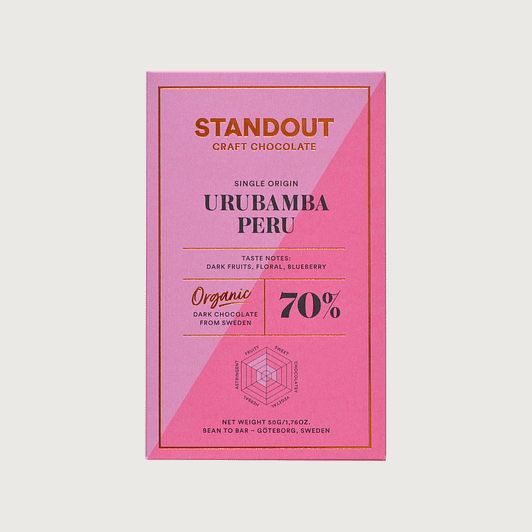
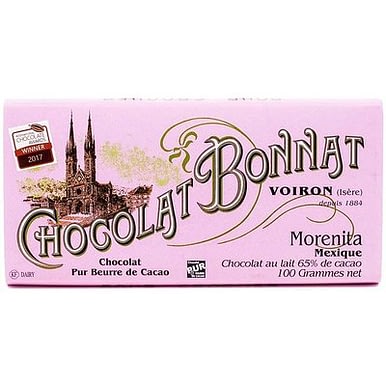
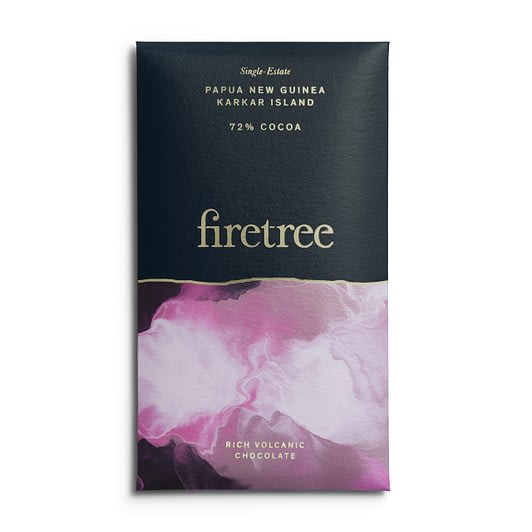
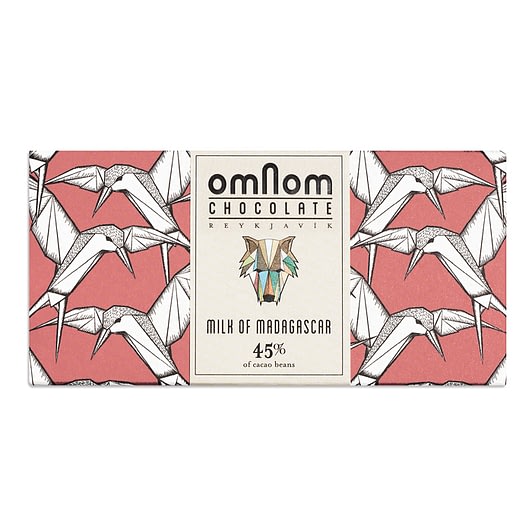
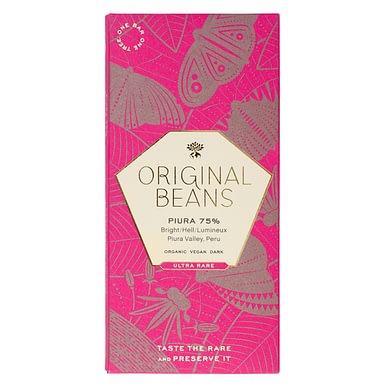
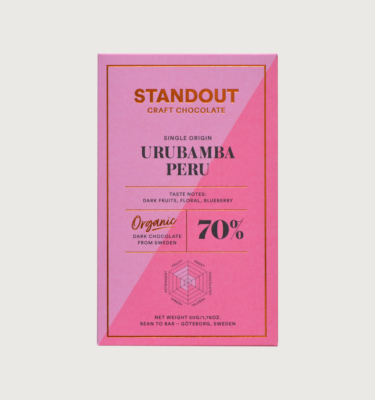
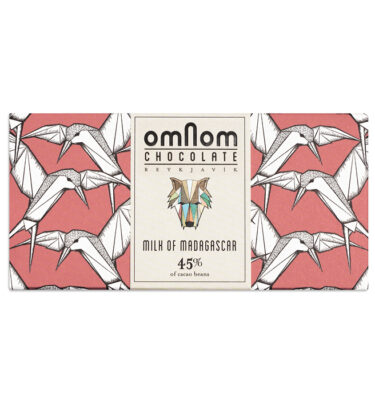
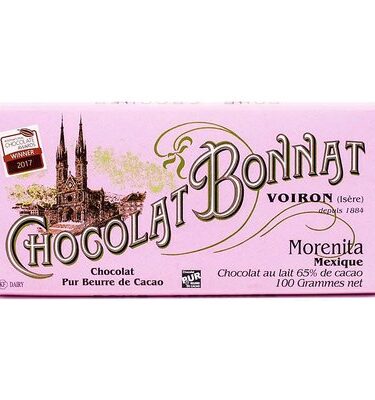
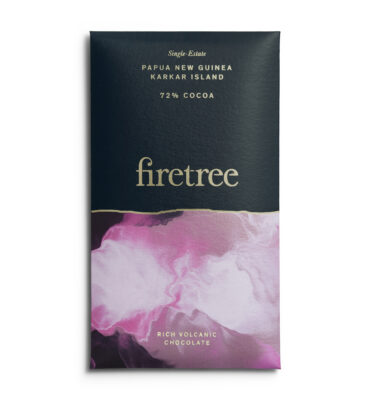
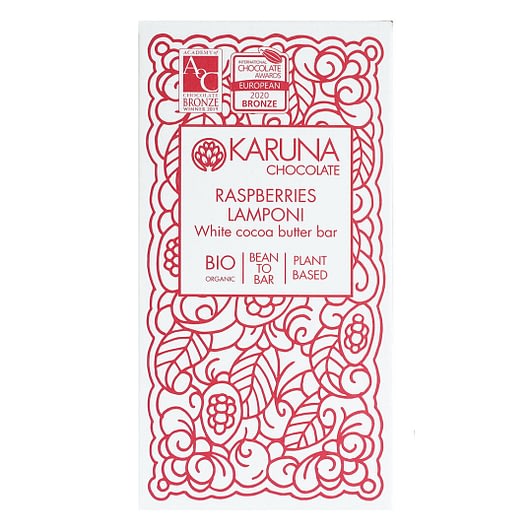
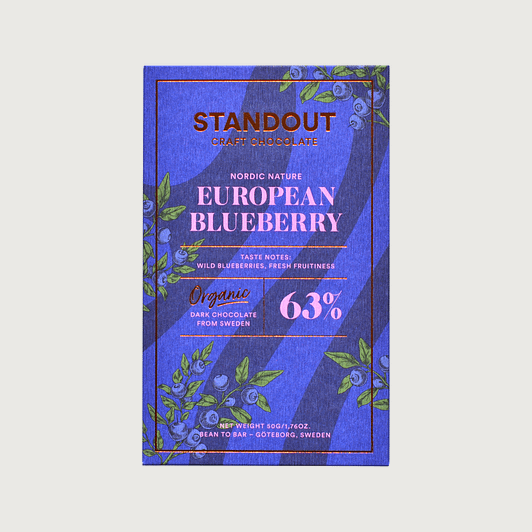
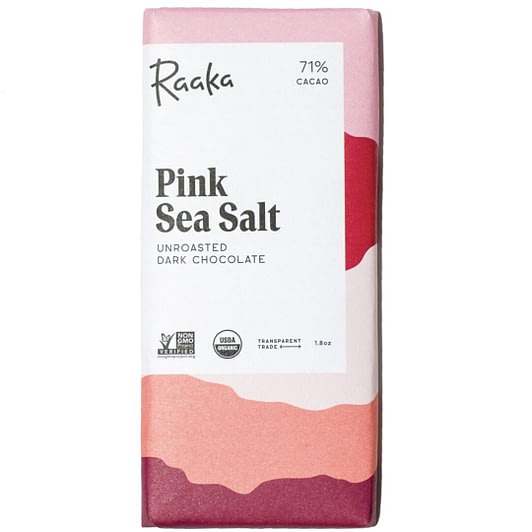
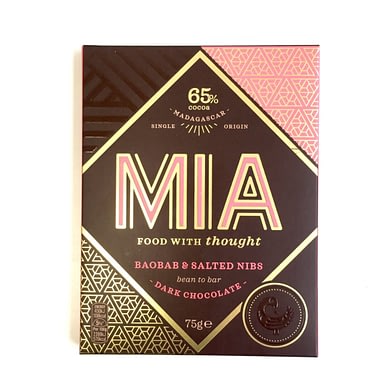
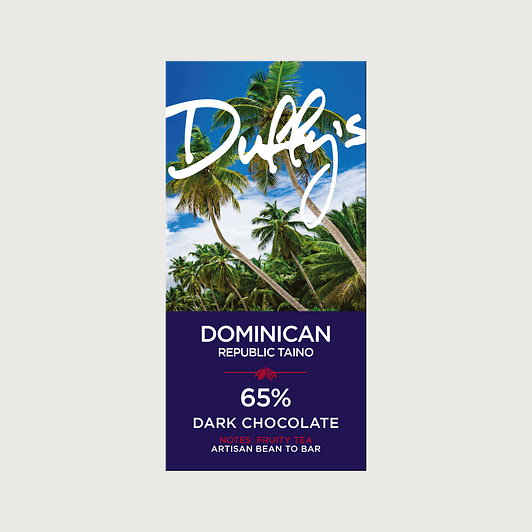
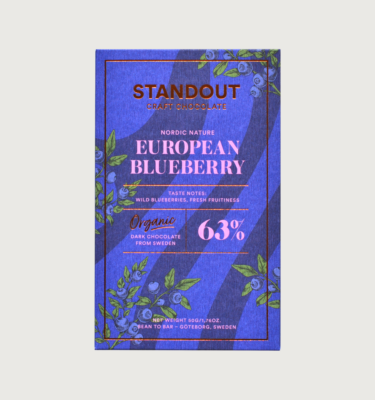
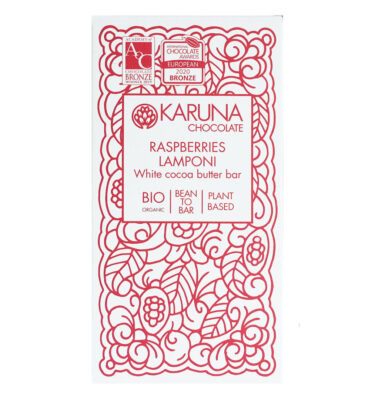
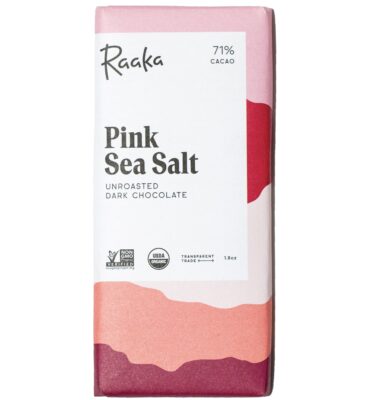
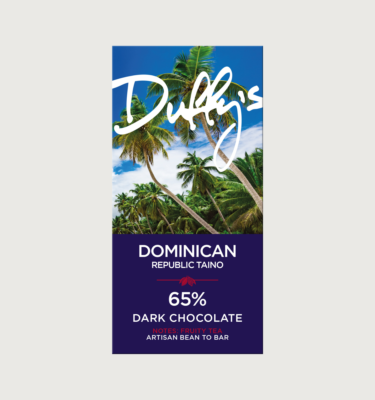
We’ve brought together all the bars we think would make a wonderful addition to Valentine’s Day. Whoever you’re spending the day with, or even if you’re looking to treat yourself, we have something for everyone:


Today
Craft chocolate is all about sharing and giving. It’s also about savouring not scoffing. And we firmly believe that you should savour, not scoff, being in the company of your partner on Valentine’s Day.
So please do consider savouring some craft chocolate with your Valentine this year!
We’d love to see at least some of you in person, or online, at any of the tastings we’ve planned!
Thanks, as always, for your support.
Spencer