Why treating, sharing and savouring is the key to Valentine’s Day
Over two-thirds of Americans plan to enjoy chocolate this Valentine’s Day. Almost 50% of Brits...
Print / PDFOver two-thirds of Americans plan to enjoy chocolate this Valentine’s Day. Almost 50% of Brits...
Print / PDFOver two-thirds of Americans plan to enjoy chocolate this Valentine’s Day. Almost 50% of Brits plan to give chocolate. And Japan has taken it further by adding a second chocolate celebration; not only do they have Valentine’s Day on the 14th of February, but they also have ‘White Day’ a month later in March for more chocolate gifting!
This celebration of chocolate for Valentine’s Day is relatively recent, and down to some smart marketing: In 1868 Richard Cadbury inspired Victorians to start giving one another “fancy boxes full of chocolate” and we’ve not stopped. In some ways, this upgrade to chocolate isn’t that surprising when you consider some of the earlier Valentine’s customs such as whipping and pouring buckets of cold water over one’s betrothed.
But even before then, chocolate has had a ‘reputation’ and ‘nudge nudge, wink wink’ connotations; with a hard-to-dispel belief that chocolate can act as an aphrodisiac.
But much as it’s a beguiling, long-standing and attractive story, there is no scientific evidence that chocolate acts as a PHYSICAL aphrodisiac. However PSYCHOLOGICALLY, gifting and sharing chocolate (especially craft chocolate) is worthy of celebration, and definitely romantic!
The association of chocolate and sex through the ages
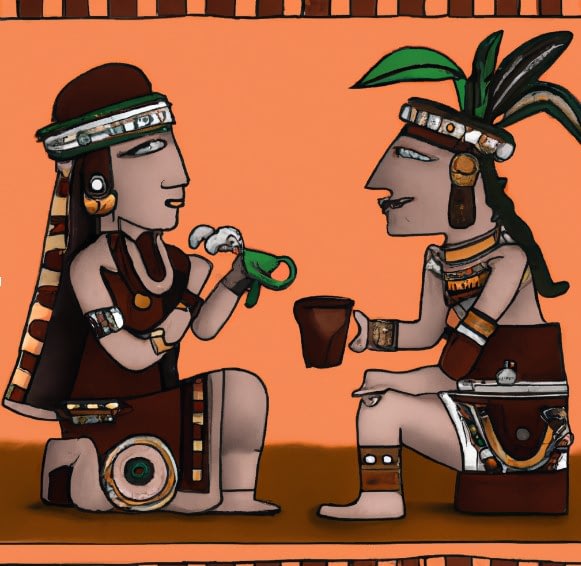
Since Cortes first witnessed the Aztec Emperor Montezuma consuming chocolate, the conquistadors swooned about the power of chocolate. To quote Cortes’ chronicler Bernal Diaz; Montezuma would regularly be served “50 great jars of prepared cacao and foam …which they said was for success with women“.
As drinking chocolate took ‘the old world’ by storm, more and more outrageous claims for the benefits (and dangers) of consuming chocolate were noted. Records of the inquisition are rife with stories of how witches used the opportunity of grinding, brewing, and serving up chocolate to “bewitch”, “transfix” and “control” their partners by adding all sorts of other ingredients and incantations and to the rituals!
And even though there is no evidence of any ‘fire’ to the ‘smoke’ in the archival records, the link between chocolate, fertility, sex, and sexual prowess continued. For Casanova chocolate was the “very elixir of love” and the notorious Marquis de Sade celebrated its potency, begging for it to be brought to his boudoir.
In Britain, Henry Stubbe, a 17th century physician, was a passionate supporter, writing in ‘The Natural History of Chocolate’ (1662) of the “great use of chocolate in Venery [sexual indulgence], and for supplying the Testicles with a Balsam, or a Sap“. And Stubbe converted Charles II to his way of thinking, with Charles II spending a staggering £229 10s 8d on the stuff in 1669 alone; considerably more even than he paid as a stipend to his various mistresses!
Modern Science
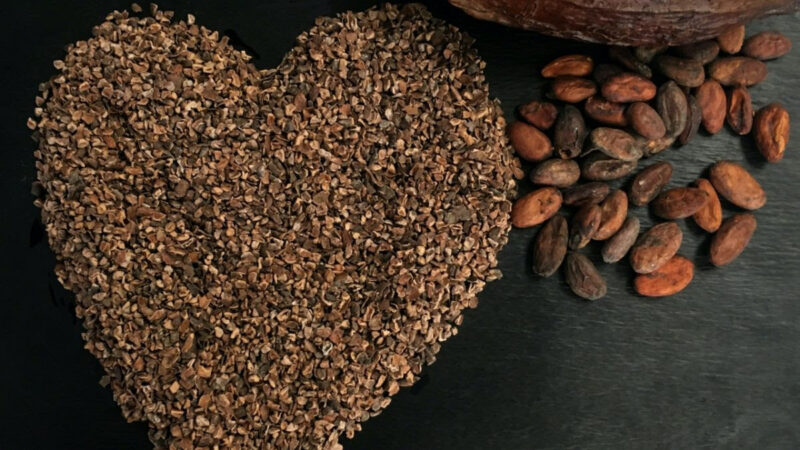
Modern science continues to reveal fascinating insights on the chemistry, and biochemistry of chocolate; identifying literally hundreds of different compounds. Some of these compounds have lent themselves to somewhat inflated claims, in particular the below:
- Theobromine: Theobromine is to chocolate what caffeine is to coffee; that is to say, the main stimulant. But whilst theobromine INCREASES the heart rate, it DECREASES blood pressure. A stimulant that relaxes too. So it’s frequently used to argue that chocolate is a gentle way to delight and arouse your partner.
- Side Note: If you’ve a dog, please don’t let them join in the chocolate festivities. Theobromine causes dogs to be violently, and potentially fatally sick. Whereas humans can metabolise the theobromine in chocolate within a few hours, in dogs it can take 20 hours or more, and as the chocolate is metabolised, they will frequently vomit.
- Phenethylamine (PEA): Phenethylamine works by stimulating the release of endorphins and dopamine. It works the same way as exercise makes you feel good (and sometimes ‘high’). Along with oxytocin, PEA is also produced in the first flush of love.
- Trytophan: Trytophan is a chemical that the brain uses to make serotonin, which, in high levels, can produce feelings of elation, even ecstasy. And it wards off depression. But again, there are some important caveats.
Quercetin: Quercetin is a flavonoid that has anti-inflammatory properties and is claimed to work similarly to Viagra by relaxing blood vessels and increasing blood flow to the genitalia.
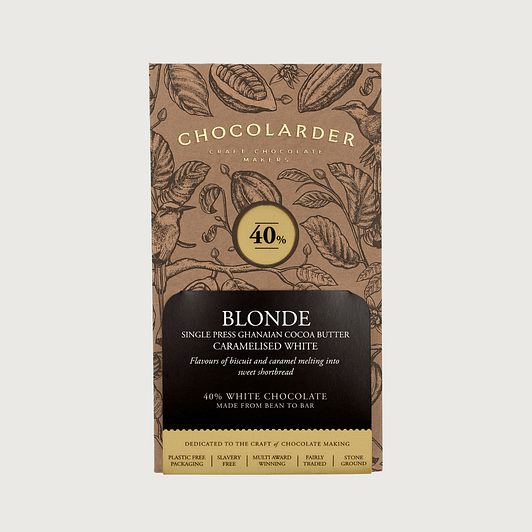
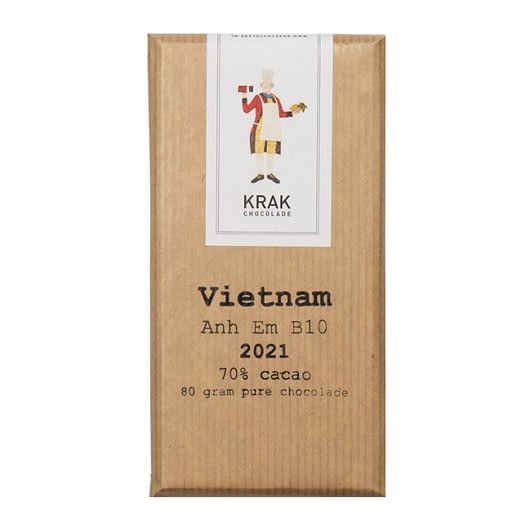
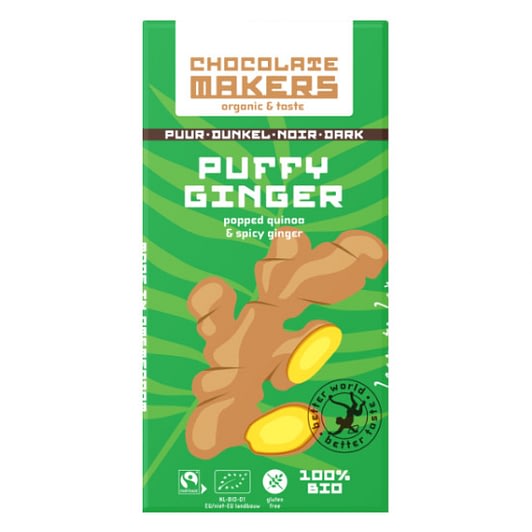
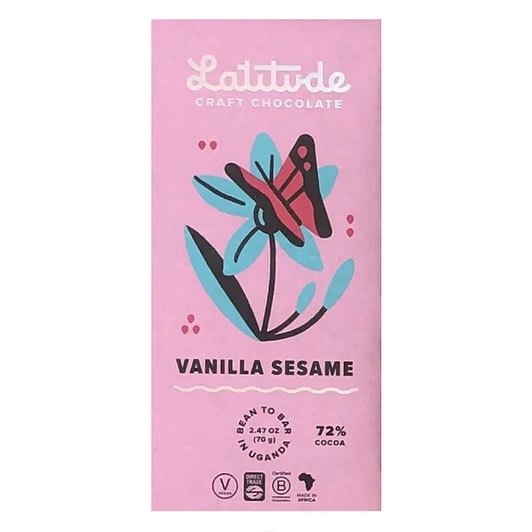
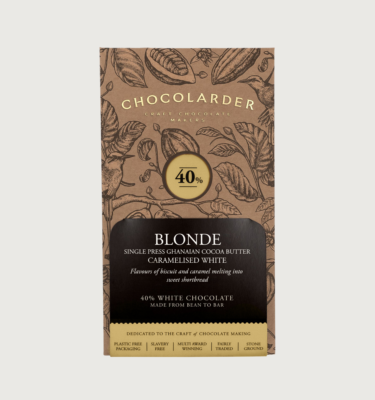
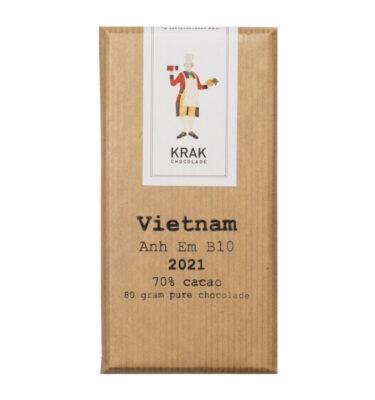
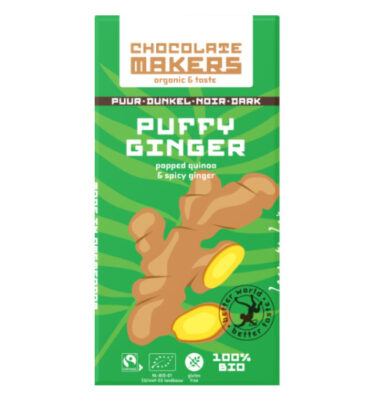
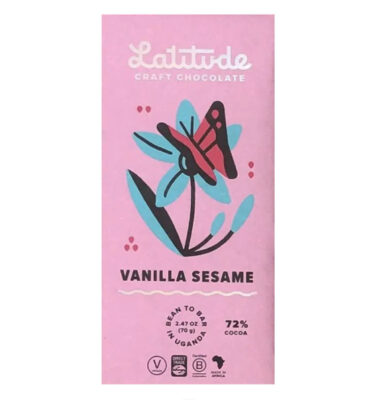
These are some of our newest bars. Why not experiment with someone you love this Valentine’s, exploring and sharing new and exciting flavours?
The Bad News
Unfortunately, the biochemical claims for any of these chemicals as a biochemical/physical aphrodisiac seem stretched.
- Even though chocolate does contain PEA, the human digestive system breaks down this PEA very quickly and it doesn’t pass the blood-brain barrier. So no matter how much (or how fast) you, or your partner, eat chocolate, the PEA in chocolate won’t pass through to your brain to recreate those tingly sensations from the first flushes of infatuation.
- Quercetin appears only to work with people with really poor circulation, and there is a dearth of studies showing it working on human genitalia. At best, a case can be made that theobromine and tryptophan may make your heart beat faster and make you “happier”.
And it could be even worse. The speed at which some people break down phenethylamine, may (and I stress MAY) explain why they get headaches or even migraines. Early results from some studies recorded in the BMJ show that those who have a phenylethylamine-oxidizing defect could get migraines from the PEA in chocolate (see the blog for sources explaining this).
The Good News
However, PSYCHOLOGICALLY and PSYCHOLOGICALLY chocolate, especially ‘craft chocolate’, is GREAT for celebrating and gifting at Valentine’s Day, at all sorts of levels.
- Gifting chocolate, and the thought of savouring chocolate, creates ANTICIPATION and EXCITEMENT. Gifting is also a great SIGNAL. For example, it can show you’ve been thoughtful, appreciate your partner’s likes (and dislikes) etc. So it’s definitely worth explaining what, and why, you’ve selected your gifts.
- The aromas, tastes, and textures of chocolate are EVOCATIVE and STIMULATING; they remind of past pleasures and can set up great new ones. So plan your gifting and plan your savouring.
- SAVOURING craft chocolate is also a wonderfully sensual and sensory pleasure. It’s MOOD ENHANCING; it’s very different to a one off, scoffing-like transaction.
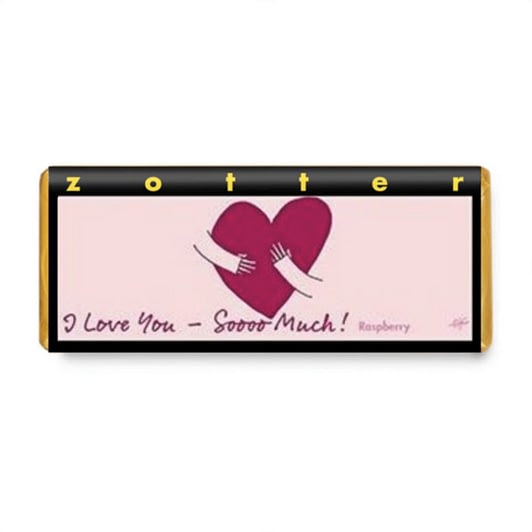
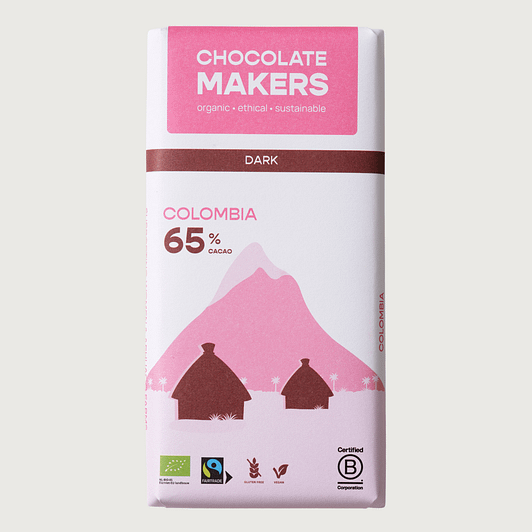
If you want to put all this into practice, then make sure you get hold of some beautiful Valentine’s Day gifts. We’ve brought together selections of bars which capture the spirit of the day; perfect for sharing with the one you love:
Summary
In the animal world, we know that pheromones like androstenone, androstenol, and quinoline work wonders in stimulating the sex drives of various animals. Scientists have shown that humans can detect, and do secrete, pheromones. But to date, no scientist has found any food (including chocolate) that automatically physically switches on our sex drives. Despite the hopes of Casanova, the inquisition, and modern-day advertisers, there is no Lynx-like product shortcut for Valentine’s Day.
Nonetheless, psychologically craft chocolate is a great treat for your Valentine. It shows you care. It shows you want to share. It shows you want to savour and not (just) scoff.

So please hurry up and order! If you are ordering internationally, Royal Mail is again delivering, but please order as soon as possible. And if you are in the UK, please order by 1pm on Friday the 9th.
Thanks as ever for your support.
Spencer
p.s. Over the weekend, I held a tasting at the travel show, Destinations at Olympia (see here). As part of this, I’m doing a host of radio and podcast interviews, including one with Lincoln’s multi-talented Alex Lewczuk here (I’m on about 70 minutes in, and compete to praise Duffy’s chocolate!).
-
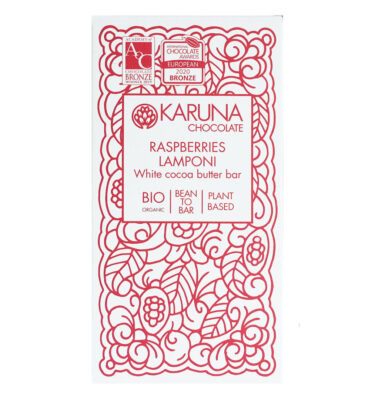
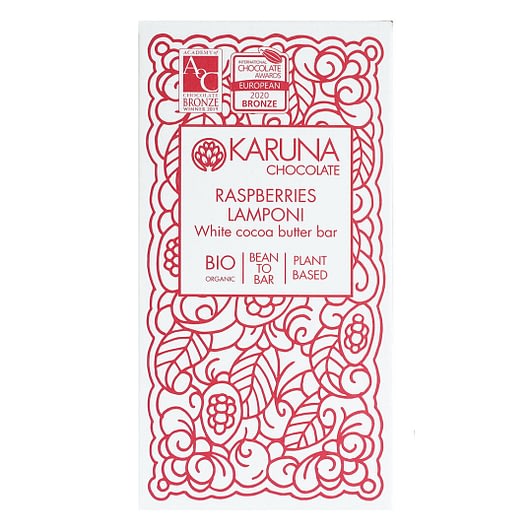
 Karuna – White 39% with Raspberries£9.95
 -
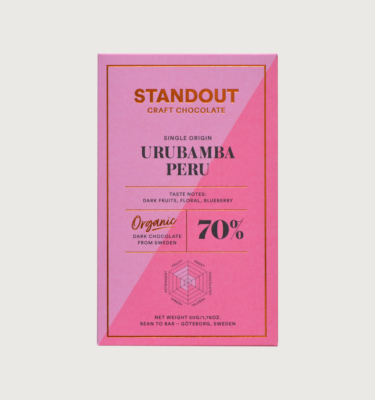
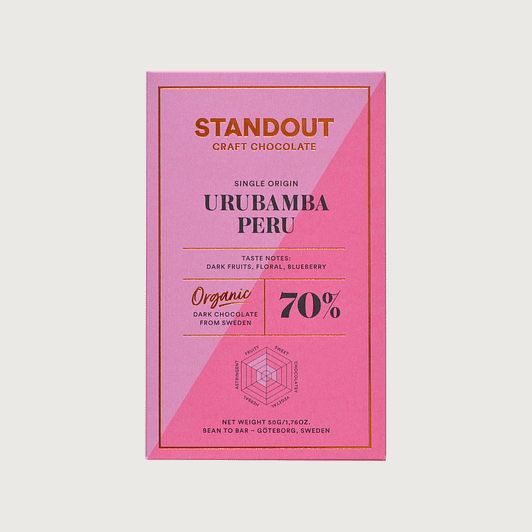
Standout – Urubamba, Peru, Dark 70%£7.95
-
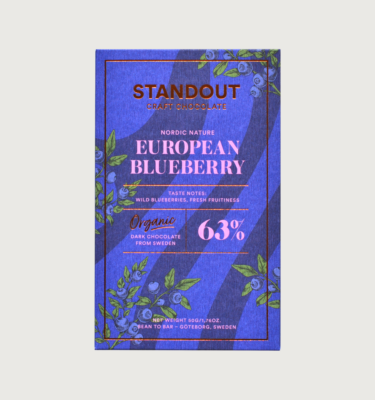
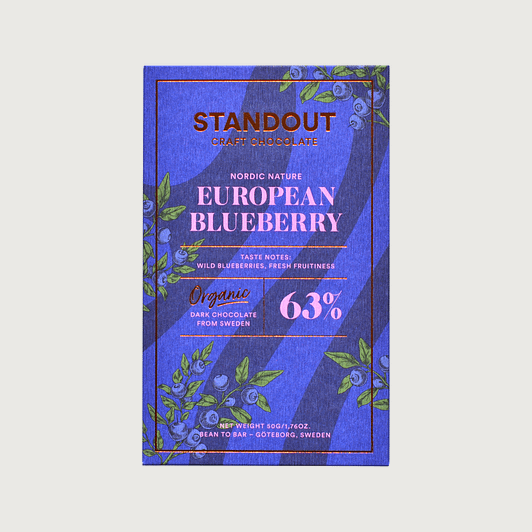
Standout – “Nordic Nature” Blueberry, Dark 63%£7.95
-
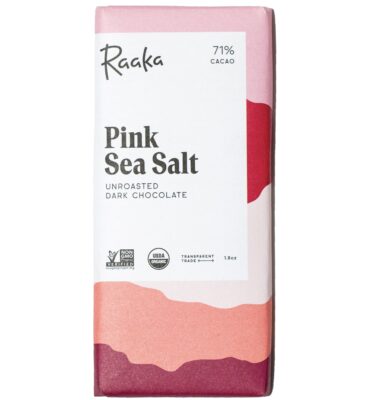
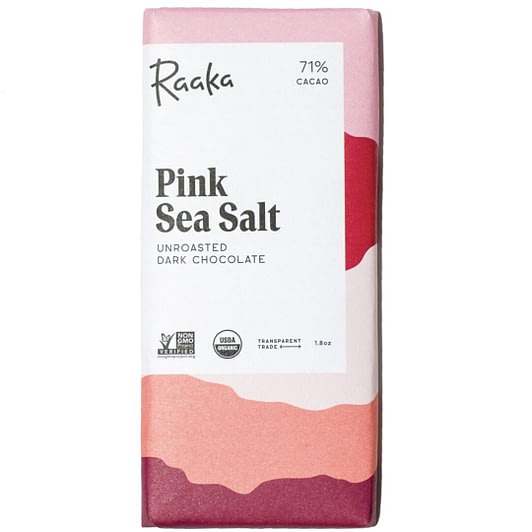
Raaka – Pink Sea Salt, Dark 71%£8.45
-
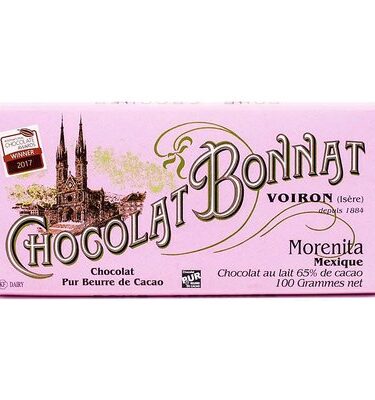
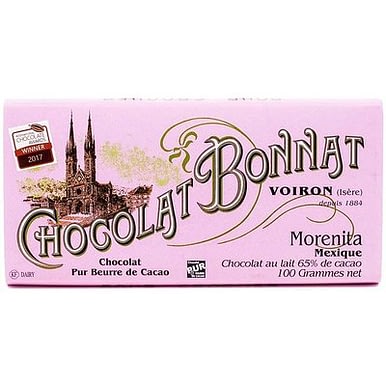
Bonnat – Morenita, Mexico Dark Milk 65%£7.95
-
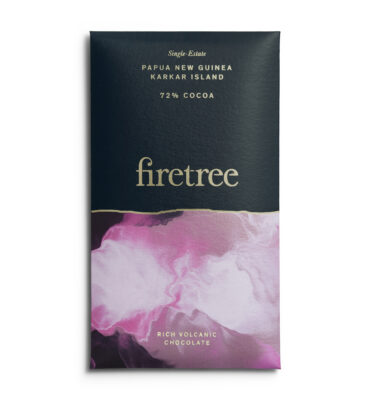
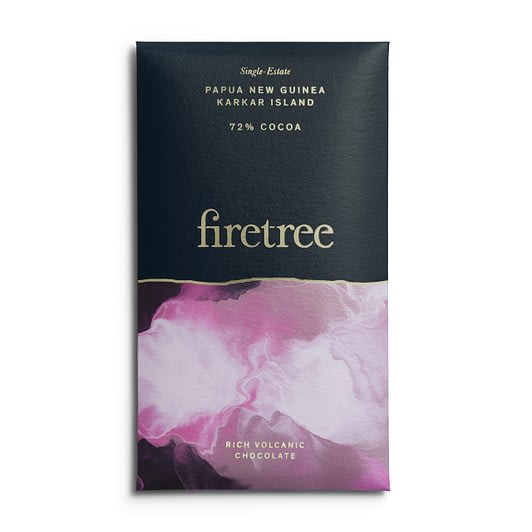
Firetree – Karkar Island, Papua New Guinea, Dark 72%£5.95
-
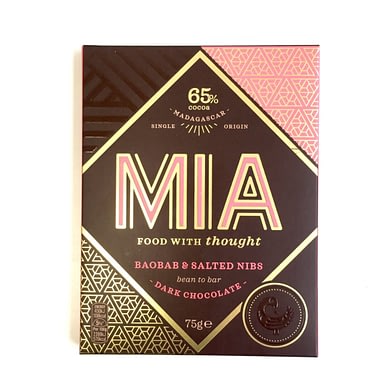
 MIA – 65% Dark Chocolate with Baobab & Salted Nibs£5.95
 -
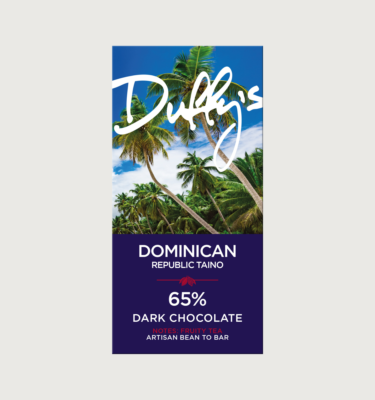
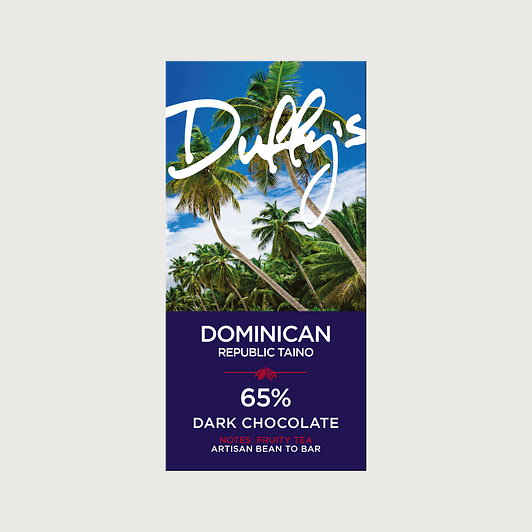
Duffy’s – Taino, Dominican Republic, Dark 65%£6.95
-
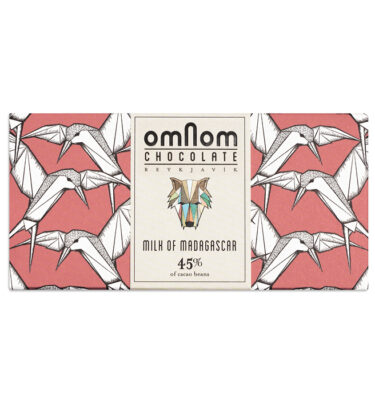
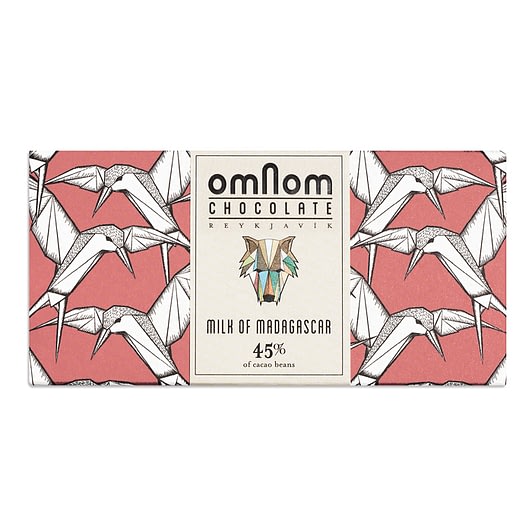
Omnom – Milk of Madagascar 45%£8.95
-
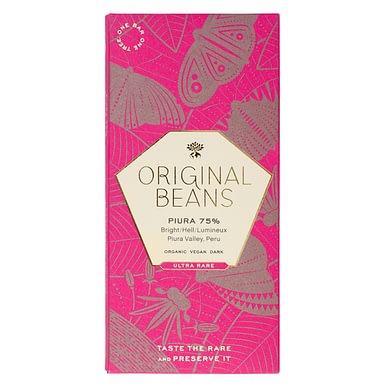
 Original Beans – Piura Porcelana, Dark 75%£6.45