A light bulb moment for Easter eggs and craft chocolate
The power of packaging to drive sales is well known. Ask any marketer (or consumer)...
Print / PDFThe power of packaging to drive sales is well known. Ask any marketer (or consumer)...
Print / PDFThe power of packaging to drive sales is well known. Ask any marketer (or consumer) and they’ll tell you that it’s the packaging they see on the shelf that drives our decision to pick an old favourite or to experiment with a new treat. And craft chocolate makers are no slouches in this regard, as they passionately experiment with packaging formats and aesthetics; different shapes, colours, logos, images and more.
But it does not stop there. Innovations in packaging do more than drive sales. They can also literally birth new product categories. For example, the ubiquitous bars of soap we all use in our homes today are thanks in no small part to William Lever launching a branded, carefully weighed and cut, bar of soap called ‘Sunlight’ in 1894 (while people had been using soap as far back as 2800 BCE, it was usually made at home or cut out of big blocks in general stores).
In the lead-up to Easter, this week’s blog post is all about the marvellous bit of lateral thinking that adapted light bulb packaging to popularise the wonderful tradition of chocolate Easter eggs.
We’re also delighted to be launching a bunch of other products whose packaging innovations, we hope, will make it even easier for you to bring craft chocolate from Marou, Choco Del Sol, and Ruket to your dinner parties.
If you’re short on time, you can watch my video summary instead:
Who invented the first chocolate Easter egg?
There are several claims about the invention of the chocolate Easter egg. One school of thought credits its origin to Louis XIV’s fascination with ostrich eggs, and a pastry chef who filled some empty ostrich egg shells with chocolate one Easter. Over at the Alps, the Italians counterclaim that in 1725, a shopkeeper on the Via Roma in Turin known as “the widow Giambone” had the idea of filling empty eggshells with melted chocolate and selling them in her shop.
However, the effort involved in hand crafting these eggs, pouring them into hollowed out egg shells, etc. was too great for these initiatives to be anything more than an occasional court treat.
It took another century for makers, starting with Joseph Fry, to work out how to make chocolate Easter eggs at scale. Back in 1847, Fry’s had already worked out how to make the world’s first commercial chocolate bars by ‘folding back’ the cocoa butter produced by the Van Houten cocoa press into their cocoa grinders and making stable, solid bars. They used this insight to mould chocolate Easter eggs, launching them in 1873 (Cadbury followed a couple of years later).
These eggs were filled with all sorts of other confectionery and they sold reasonably well as a special gift. However, they still suffered from the perennial problem of eggs: They were fragile. They broke all too easily, all too often before they made it home and before they could be gifted.
The ‘light bulb moment’ behind the chocolate Easter egg revolution
Ultimately, what made chocolate Easter eggs ‘take flight’ was some inspired packaging innovation. But unlike the story of ‘standard’ egg boxes, the story of Easter egg packaging is far less well-known.
Until the early twentieth century, chicken (and other non-chocolate) eggs were wrapped in straw and transported by baskets, boxes, etc. This worked fine for very local purchases. But with growing urbanisation and industrialisation, more and more eggs were broken. In 1911, Joseph Coyle, a Canadian newspaper editor, designed a cardboard carton insert to stop eggs cracking in transit. (Note: Liverpudlians sometimes argue that one of their own, Thomas Peter Bethell, had invented something similar in 1906, but this design was more a series of dividers, so Coyle is generally credited as the father of the modern egg box, as it was his design that was mass marketed in the post-World War 1 period).
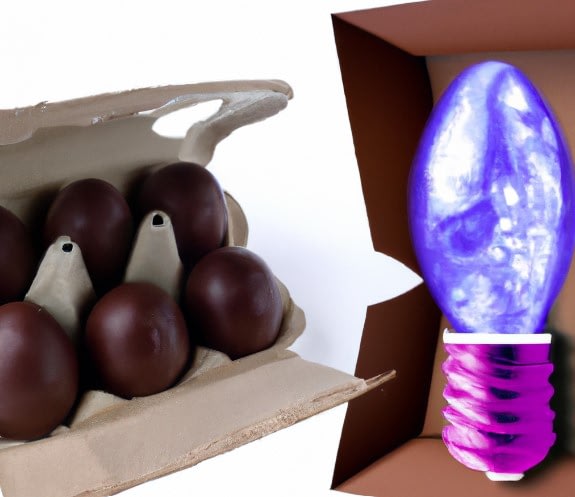
Unfortunately, Coyle’s design couldn’t be stretched to work for the larger chocolate Easter eggs. So, chocolate egg sales continued to languish. However, in the early 1950s, William T. Horry, a packaging designer working for Cadbury, realised that he could adapt a carton box he was using to transport electric light bulbs to package Easter eggs. Cadbury seized upon this idea, using it first on their Roses Easter eggs to show consumers the egg inside the box, and protect it from knocks.
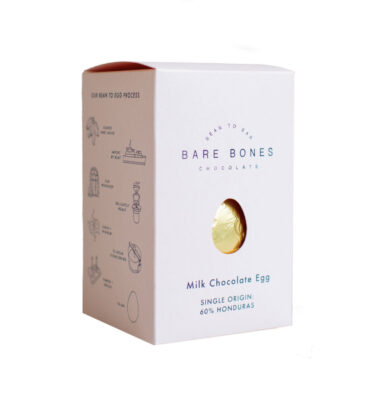
The rest is history. And if you look here at modern craft chocolate eggs like Bare Bones‘, or Pump Street’s ‘chick and egg’ sets, their debt to light bulb packaging is clear:
-
 Bare Bones – Easter Egg£24.95
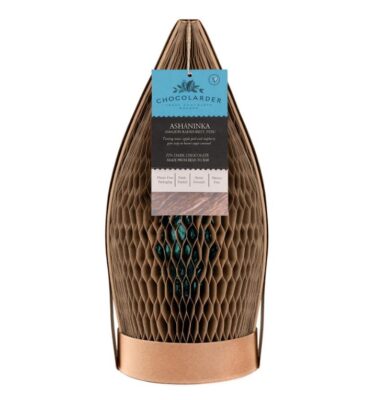
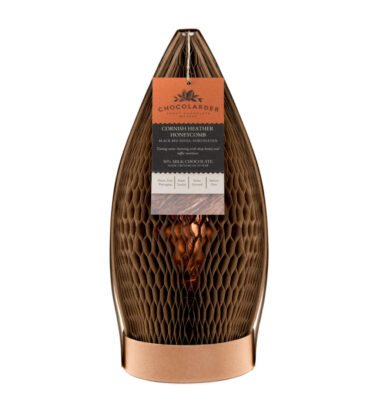
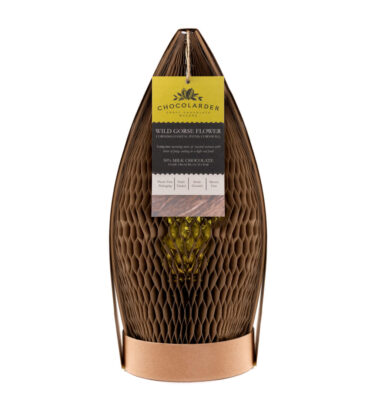
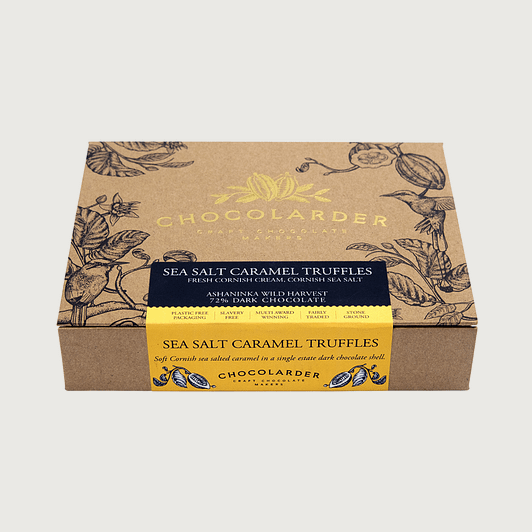
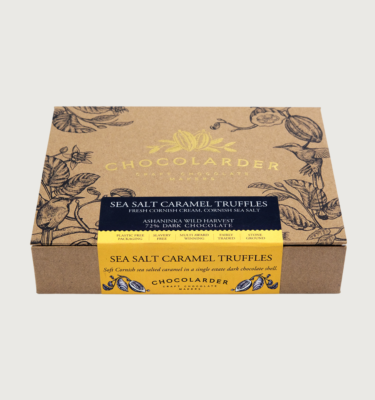
Over the years, packaging has gotten more and more creative. Hats off to Chocolarder for their wonderfully creative, and environmentally friendly, sleeves (we use a similar approach now for our large bar orders):
Craft Chocolate and Dinner Parties
We’re hopeful that another ‘eureka moment’ is in the making, thanks to some smart new packaging for craft chocolate, at dinner parties. Hopefully you’ll agree that this is another light bulb moment!
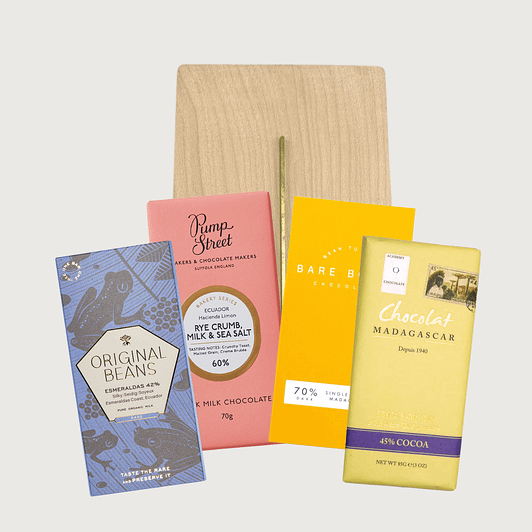
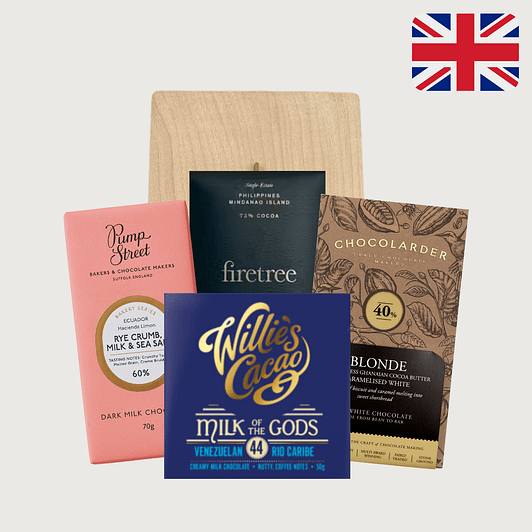
We know that many of you delight in craft chocolate in the evening, post your supper, high tea, dinner, etc. And we also know that some of you love to bring craft chocolate bars to share after a dinner party (and that’s why we launched our craft chocolate boards, with their breaking bar).
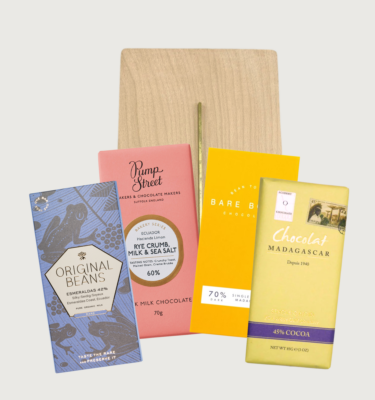
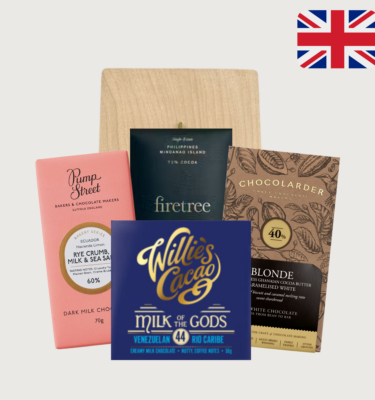
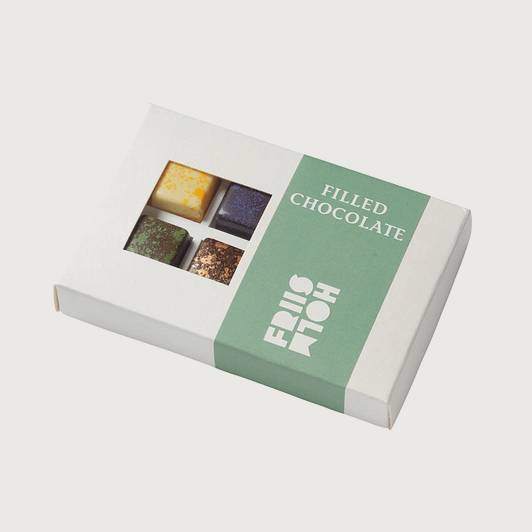
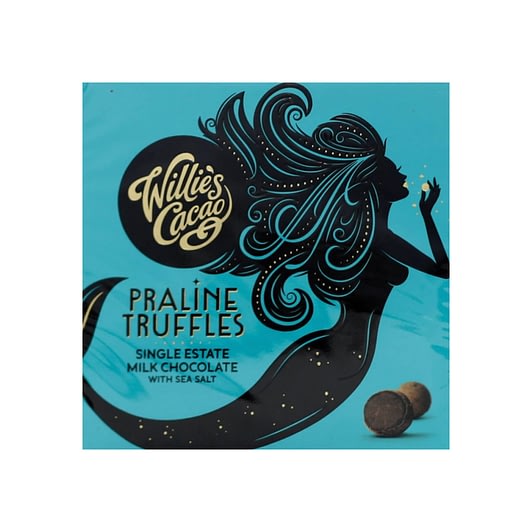
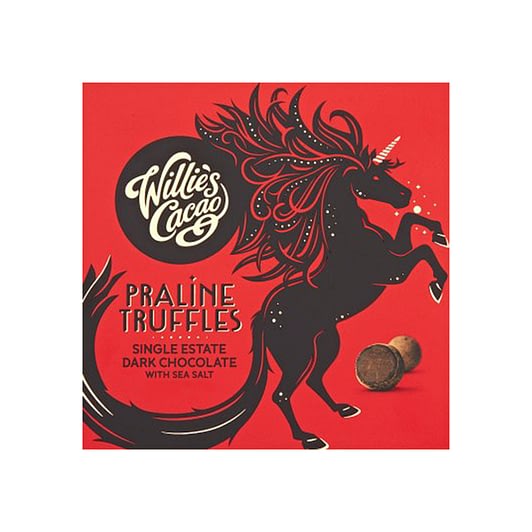
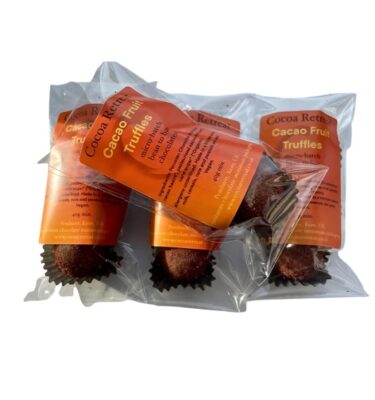
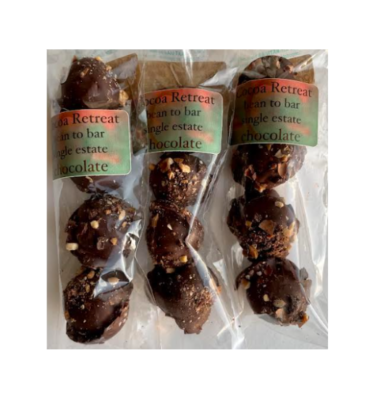
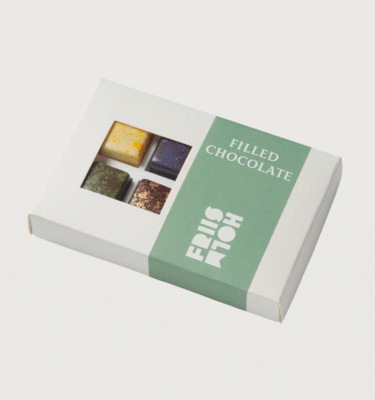
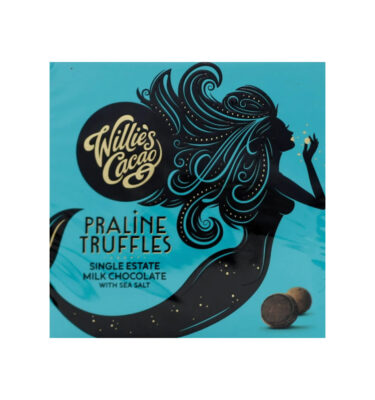
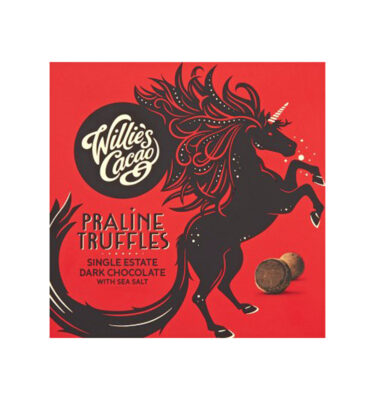
For those of you who are more used to bringing chocolate boxes of, for example, truffles to dinner parties, we’re thrilled to have such delights from the likes of Friis Holm, Willie’s and Chocolarder.
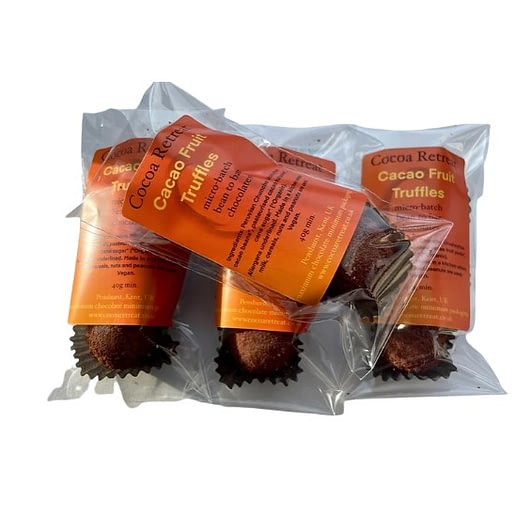
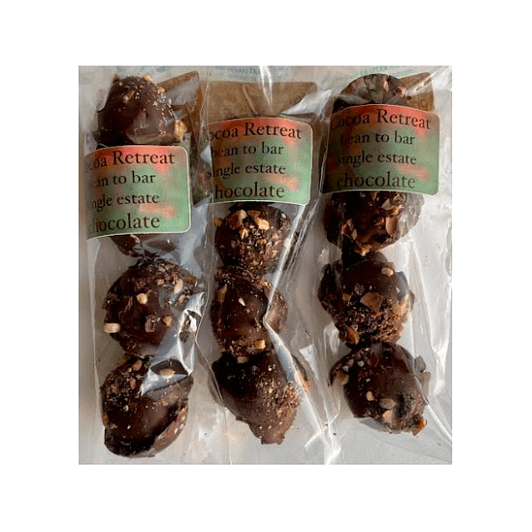
-
Cocoa Retreat – Peru, Cacao Pulp Dark Truffles 73%£7.95
-
Cocoa Retreat – Cobnut and Cocoa Clusters (Truffles)£7.95
-
Friis Holm – 8 Truffles (Mixed, with Alcohol)£23.00
-
Willie’s Cacao – Milk Chocolate Praline Truffles with Sea Salt£7.95
-
Willie’s Cacao – Dark Chocolate Praline Truffles with Sea Salt£7.95
-
Chocolarder – Sea Salted Caramel Truffles£18.00
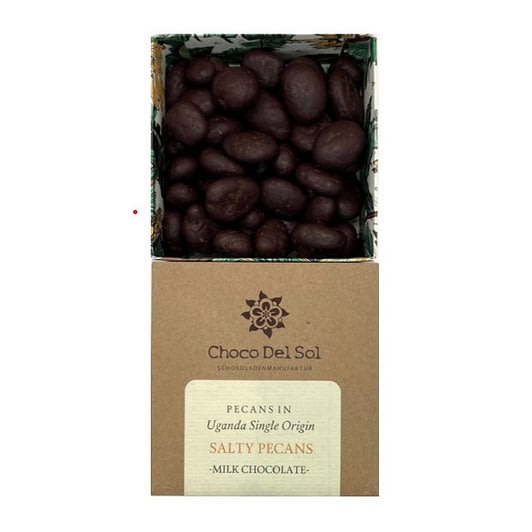
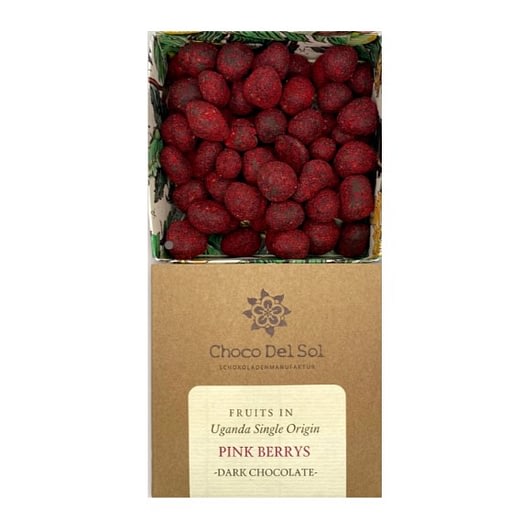
If you’re interested in chocolate-covered fruits, we’re also delighted to be launching Choco Del Sol‘s range, including such treats as salted pecans, raspberries, almonds, and cocoa beans.
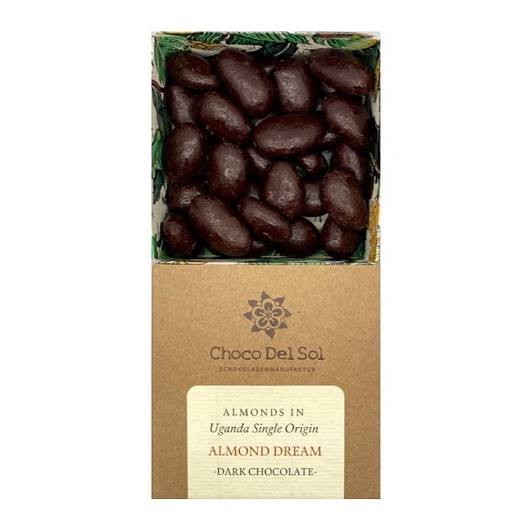
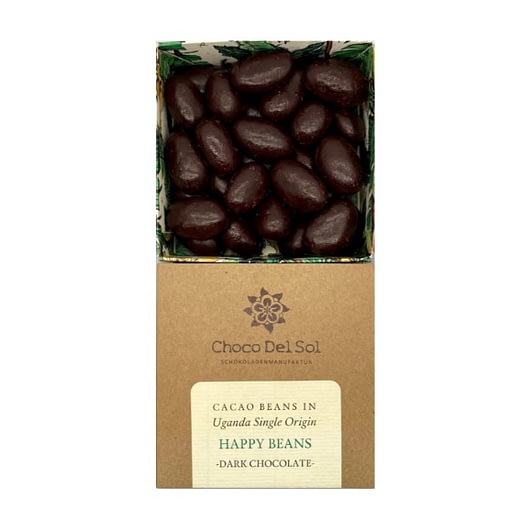
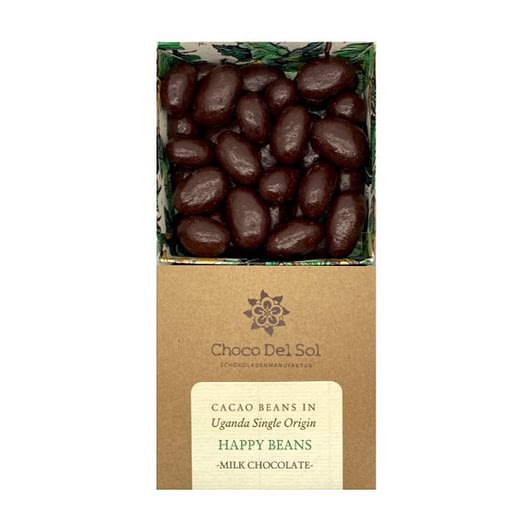
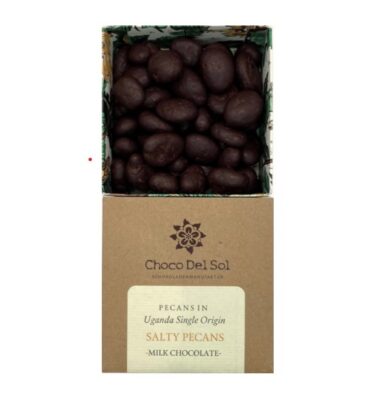
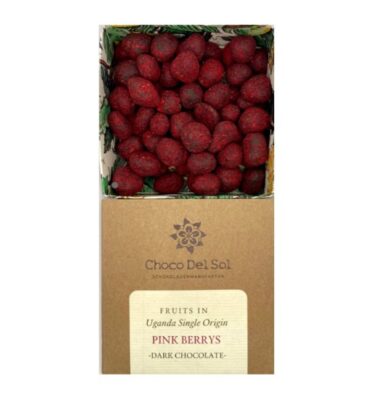
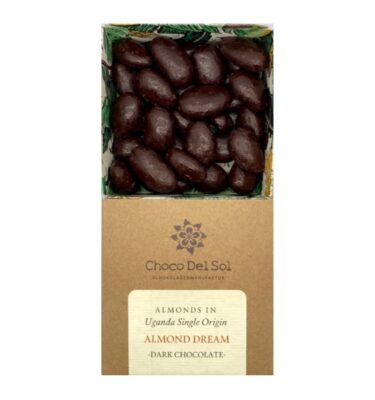
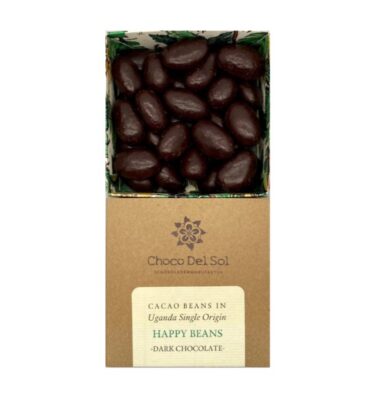
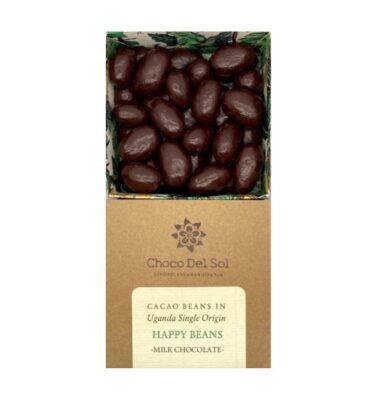
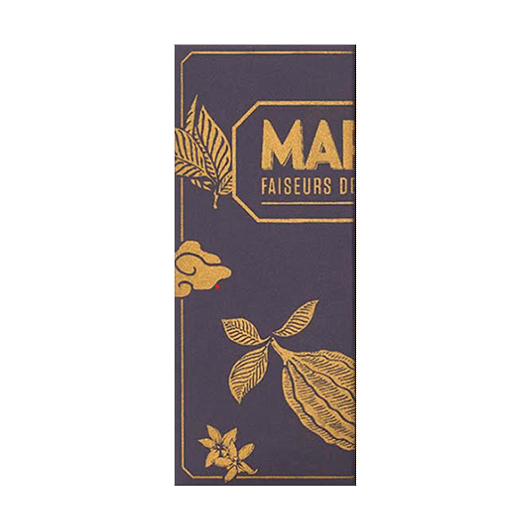
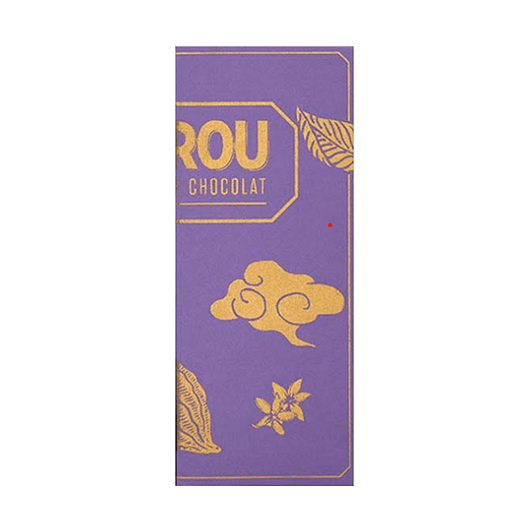
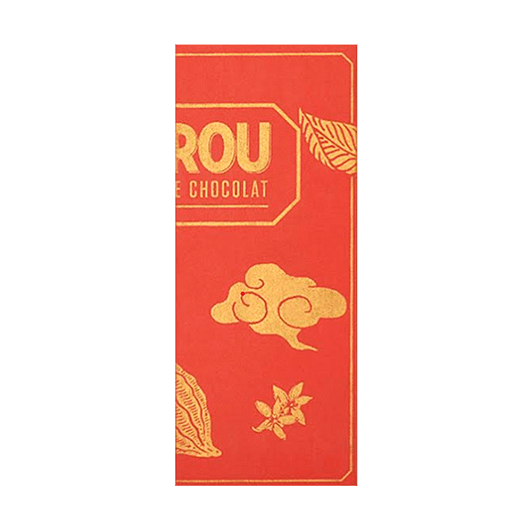
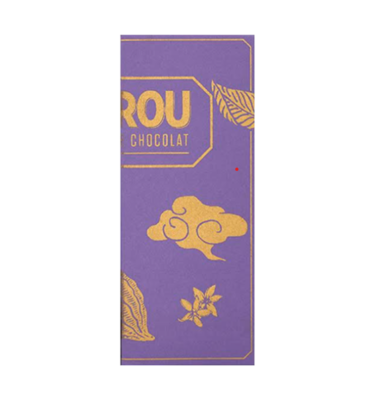
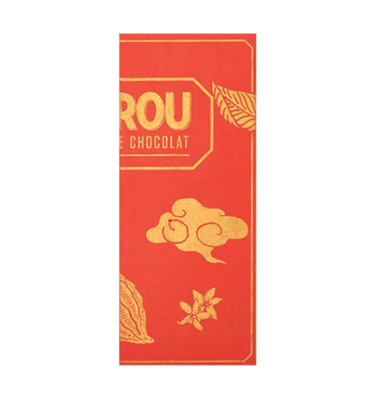
We’re also delighted that Marou has also now applied their design magic to producing small Neapolitans (i.e. 5g squares) of their extraordinary Vietnamese single terroir chocolates. It’s the same great chocolate; but an even easier package to share after any meal, and in boxes that are designed to pair together.
Don’t Miss Out!
Get a head start and make sure you’re not disappointed this Easter!
And here’s your chance to enthral friends and family at dinner parties with the creative packaging options from Marou and Choco Del Sol.
Thanks again for your support.
Keep savouring!
Spencer
p.s. Two final requests:
If you’ve enjoyed this post, please do share it with people!
We strongly believe that “Craft Chocolate Matters” and your feedback would really help our cause. You can share your feedback or suggestions by commenting below, or on any other post.