Savouring for Christmas
Christmas is a time to push the boat out with loads of different foods and...
Print / PDFChristmas is a time to push the boat out with loads of different foods and...
Print / PDFChristmas is a time to push the boat out with loads of different foods and drinks. It’s a time to celebrate with family and friends. Few of us will want to scoff the meal or rush the occasion. It should be about savouring the experience.
So here is an idea to share with friends and family at the feast, and hopefully one that will resonate during, and after, the Christmas meal…
Our delight in savouring all the foods and delicacies of Christmas is a particularly human attribute. Our ability to savour is down to a quirk of evolution where Homo sapiens lost a bone called ‘the transverse lamina’ that separates most other animals’ noses from their mouths. And you can demonstrate this, and aid digestion by activating your second stomach, with some craft chocolate.
Many animals (including dogs, cats, elephants, and mice) are really good at smelling with their noses; what scientists call orthonasal olfaction.
Humans can become good at sniffing and smelling; think of perfumers or sommeliers. There’s even the wonderful experiment at Berkeley University where students were blindfolded and trained to follow the smell of chocolate across the campus. But sniffing and smelling are not the ‘be all and end all’ for us.
What we really delight in, and where humans excel, is ‘smelling’ with our mouths. That is to say, we detect aromas and flavours once a food, or drink, is in our mouths. This doesn’t sound like a big deal, but it really is! The lack of a transverse lamina means that as we eat, aromas are released that pass through our olfactory system as we swallow and breathe. And this is what generates our sense of ‘flavour’ (the process is called retronasal olfaction).
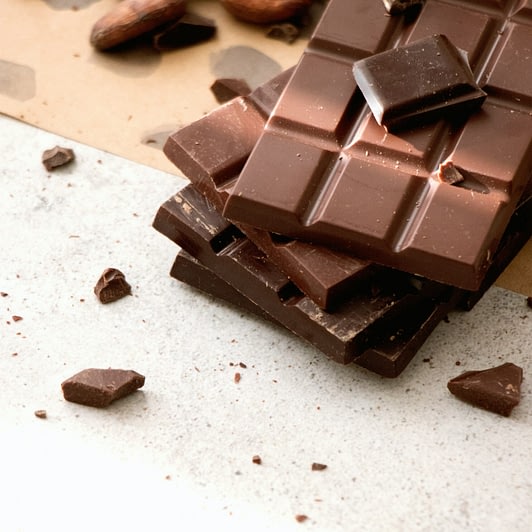
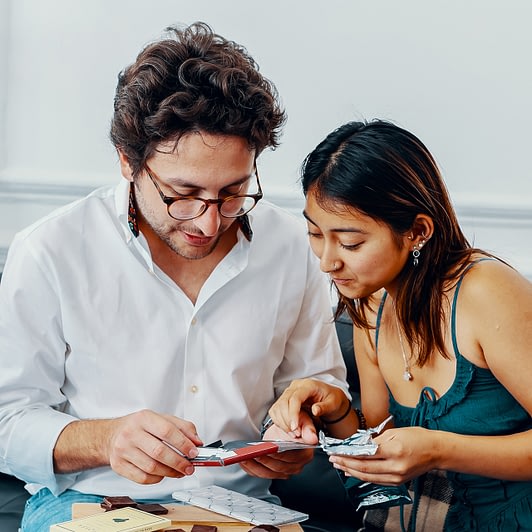
At the end of your Christmas meal, crack open a craft chocolate bar and have everyone place a square of chocolate on their tongue while they also hold their noses. Have them hold their noses tightly closed for 5,10, or even 15 seconds. And then have them release their noses and breath in and out with their mouths. Suddenly they’ll be hit by a wave of flavour! And they can start to savour.
And show them this picture from Gordon Shepherd too as it helps:

Taste versus Flavour
Humans, and other animals, do also ‘taste’ foods (i.e. detect how salty, sour, sweet, bitter, fatty, umami, etc. the food is). And our taste buds react incredibly quickly and sensitively; we react faster to sugar (sweetness) than almost anything else (including caffeine or nicotine or opioids). Ditto for bitterness, sourness, etc. And indeed food scientists have become expert at using our basic love of sugar, salt, fat, and umami to get us to scoff all sorts of foods; they design recipes around ‘the bliss point’.
By contrast ‘flavour’ (what we detect when aromas are released in our mouths) takes far longer to develop and evolve. With flavours and aroma, we go on a journey where different waves of sensation wash over us (come to our craft chocolate tastings to understand more about “the flavour wave“). And this time to savour our foods, including the upcoming Christmas feasts, is what also gives us a chance to savour one another’s company too. If we just scoff, we lose this chance to savour our families, friends, and foods.

Human Evolution and Flavour
Scientists increasingly are revealing the extraordinary impact that our senses of taste and flavour have had on human evolution and the planet overall.
A decade ago, Richard Wrangham, a British anthropologist at Harvard, asserted that our love of the flavours of cooked food explains why we humans developed bigger brains, became human, and indeed that “cooking made civilisation possible“.
Historians have also celebrated the importance of cooking. For example, Felipe Fernandez-Armesto believes that cooking created ‘mealtimes’ and was crucial in organising people into communities. Michael Symons argues that cooking promoted cooperation through sharing, because the cook always distributes food and also is “the starting-place of trades“.
Rob Dunn and Monica Sanchez, a husband and wife team who are respectively an evolutionary ecologist and medical anthropologist, have further developed this train of thought, analysing the way humans detect flavour and arguing that “the pursuit of delicious flavours has guided the course of human history“. They use an analysis of human food preferences to explain all sorts of mammal extinctions and environmental challenges. For example, they use the (hard to pronounce!) science of ‘stoichiometry‘ to suggest that what we enjoy to taste (sugary, salty, umami, etc.) reflects our basic biochemical composition; asserting that because the human body contains lots of nitrogen (this is the building block for amino acids and hence proteins, nucleotides, our DNA etc.) we gravitate towards foods with lots of umami like cooked meats, fish and, of course, seaweed.
Stoichiometry’s basic rule is that the nutrients present in the food and those in the consumer must ultimately balance; or to put it another way; not only are humans ‘what we eat’, but we need to eat what we are. And nature has all sorts of tricks to help this work out.
Try some seaweed bars and see how this works for yourself:
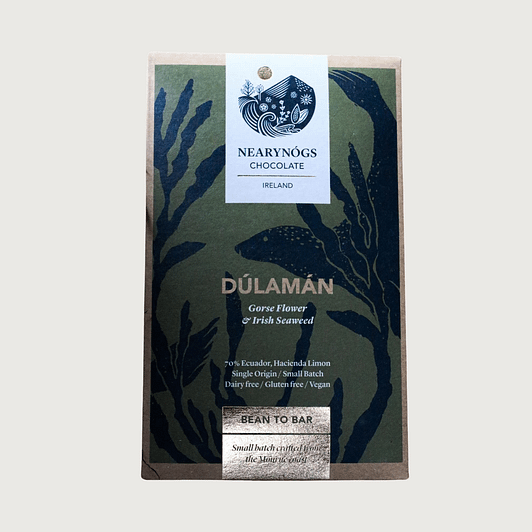
Dunn and Sanchez’s essential argument is that our senses of flavour, taste, and mouthfeel are what makes us human, and they have a neat way of articulating this:
“Homo sapiens, the name of our species, is often said to mean “knowing” (sapiens) “human” (Homo). But sapiens originates in a verb meaning “to taste” and later “to have discernment”. One might then also read the name of our species as the human (Homo) who discerns through taste (sapiens), or flavour”.
The Science, and Interaction, of Taste and Flavour
Whereas the basic mechanics and science of taste have been relatively well understood for the last 100+ years, the basic mechanics and science of flavour have far more recently, and only partially, been understood.
Linda Buck’s pioneering work that won her and Richard Axel the Nobel Prize was only awarded in 2004.
Indeed for much of the last 100 years there has been, and continues to be, a lot of confusion on the differences between taste, flavour, mouthfeel, etc. For a long time, arguably since Aristotle, and certainly through much of the 20th century, food scientists blurred the distinction between tastes and flavours.
And then our basic vocabulary and language doesn’t help here. As the psychologist Linda Bartoshuk notes in a recent paper (The Scent of Flavour):
“We lack, and confuse, our words to describe flavour… ‘I taste sugar’ and ‘I smell cinnamon’, but not ‘I flavour cinnamon’… When we want to describe how we perceive the flavour of cinnamon we borrow ‘taste’ and say ‘I taste cinnamon”.
Substitute “chocolate” for “cinnamon”, and you can start to see some of our problems in the world of craft chocolate.
It’s (all too) easy to ‘taste’ the added sugars and sweetness in a bar of ultra-processed chocolate. But what’s magical about craft chocolate is more than taste. It’s also all about flavour, mouthfeel, and the journey. And we don’t really have an obvious verb to describe this; it’s more than “smelling” or “tasting”. It’s definitely not about scoffing. It’s really about savouring.

And at the risk of making it even more complicated (but perhaps adding some fun to the post-Christmas dinner games), there are LOTS of interactions between different flavours and tastes, especially sugar. In the same paper, Bartoshuk describes how the different flavours of different tomato varieties dramatically impact their perceived sweetness:
“To my amazement, flavour – retronasal perception of the volatiles – was contributing substantially to sweetness. …A cherry tomato called “Matina”, for example, contained less sugar than another called “Yellow Jelly Bean”, but the Matina was about twice as sweet as the Yellow Jelly Bean”.
You can easily replicate this experiment with craft chocolates. Indeed, just use our next subscription box or even a virtual tasting kit: Pick a couple of dark bars, hide their percentages (i.e. the added sugar) and ask people to guess which is the “sweeter”. It’s incredibly hard because the different flavours create completely different sensations of sweetness.
Another Reason To Go For Craft Chocolate
Food scientists are also EXTREMELY good at appealing to our taste buds. Howard Moskowitz’s seminal work on ‘the bliss point‘ in the late 1950s, to encourage American soldiers to eat more of their rations (or MREs) by adding lots of sugar, salt, and fat (and sometimes umami), has led to a revolution in scoffing. The discovery of the bliss point kickstarted the ultra-processed food revolution where we literally are scoffing ourselves, and the planet, to death!
‘Big food’ also realised that the bliss point offered them a great business opportunity. You can’t ‘brand’ unprocessed items like broccoli or chicken (although a few have tried!). But you can easily brand processed finished products like broccoli or chicken flavoured ready meals. And people will scoff a lot more, and spend a lot more, on branded broccoli-flavoured ready meals.
What’s more, the components of ultra-processed foods can be commoditised and cheapened. The sugars, artificial sweeteners, salts, and fats (palm oil, vegetable fats, hydrolyzed fats, emulsifiers, PGPR, etc.) that underpin the bliss point can be made very cheaply from all sorts of subsidised commodities (corn for HFCS, soybeans for emulsifiers for example). And if you focus on the basic bliss point tastes, you can also commoditise the other ingredients, like the chocolate or the chicken. You want to make people scoff as fast, and as much, as possible. Quality ingredients have no place in ultra-processed foods.
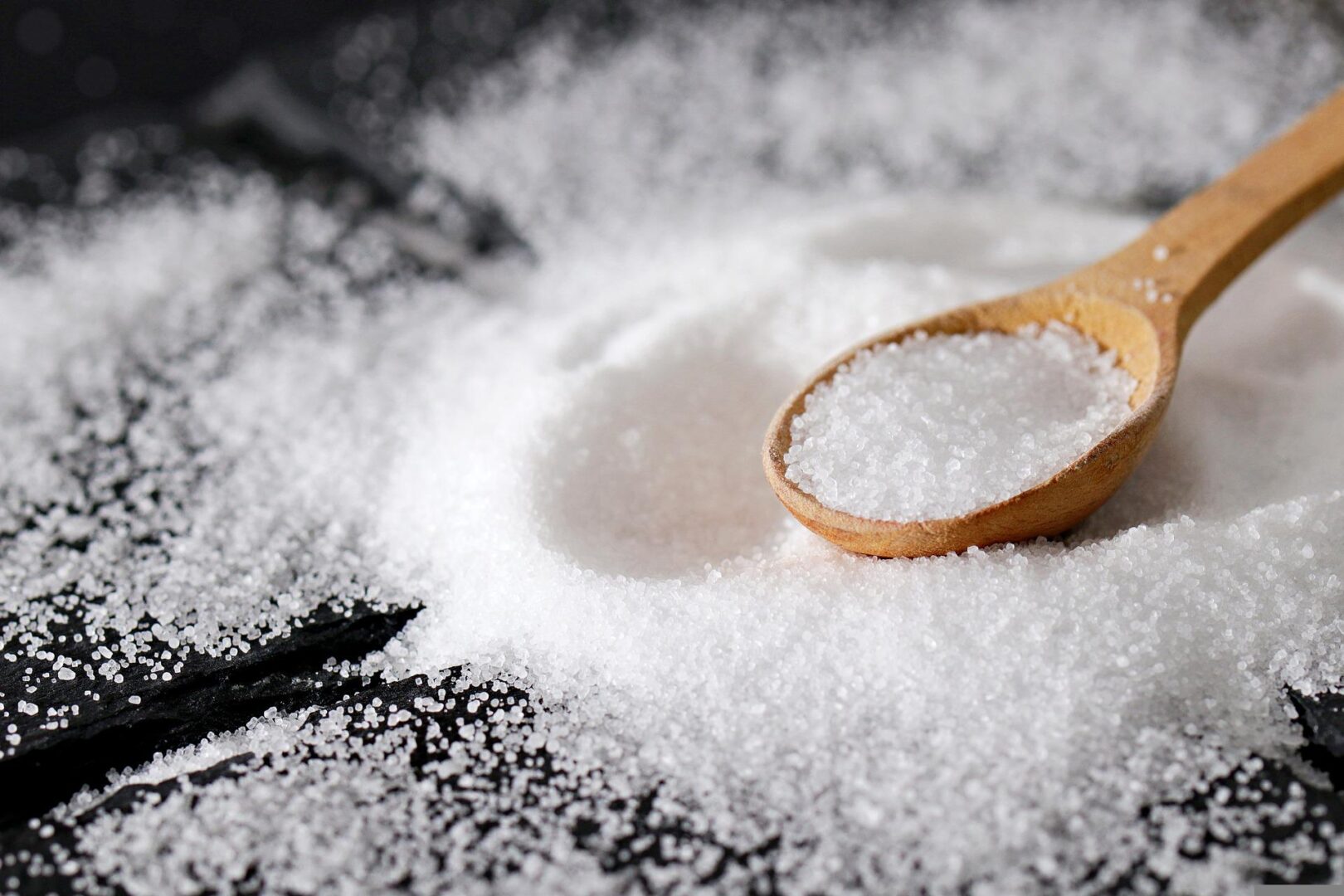
Chicken nuggets taste good. But they don’t have any flavour. They are made in factories for scoffing. You can’t savour them even if you try. The same is true for mass-processed chocolate confectionery. Chocolate confectionery is designed to be scoffed. If there are any flavours they’ll have been created by additives. And the cocoa in the chocolate will have been commoditised, with all sorts of problems for the planet, environment, and workers.
By contrast, craft chocolate is all about flavour. Sugar is added to reveal the flavours (as is sometimes salt). And it’s remarkably little sugar; a bar of dark craft chocolate contains less than half the added sugar in a low-fat vanilla yoghurt. And what’s wonderful about craft chocolate is not just the variety of flavours, but also their complexity. Again, this seems to be rooted in our basic human nature. Even though it’s far harder to analyse flavours than say, sounds or colours, during the last decade a bunch of work has been done that shows that when given the choice, humans will go for complex flavours rather than simple ones (see Keller and Vosshall’s ‘Olfactory perception of chemically diverse molecules‘, which may be a bit heavy for Christmas lunch!).
Chefs and food writers all over the world have known this for some time. The great doyen of American food and cooking, Harold McGee, writes about how humans are attracted to complex aromas and flavours. That’s why we push the boat out with all the trimmings at Christmas.
Or think about a great glass of wine or beer: These are very different from a fizzy drink where you just want to scoff more and more of the sweet, cold, fizzy soda. Great wine, beer (and chocolate) is about going on a journey where you savour the balance, length, intensity and complexity (the BLIC) of your treat.
So let’s try not to be ‘gamed’ by food scientists abusing the bliss point. Our tastebuds programme us to consume tasty bliss point foods way more than nature intended. ‘Big food’ has abused this to build eminently scoffable, ultra-processed food-like stuff; including mass-produced chocolate confectionery. This isn’t good for us or the planet. Our ability to savour flavour gives us a way to fight back. So join the craft chocolate revolution!
This Christmas, savour the food and company. And avoid scoffing and stuffing yourself with ultra-processed foods that aren’t great for you, your health or the planet.



Logistics
And one set of final suggestions. If you are living in the UK, you’ll know we are suffering from a rash of strikes. This is putting a lot of pressure not just on the Royal Mail, but also on all the other postal services.
You can still try to order via Royal Mail, but we’d strongly recommend Royal Mail’s 24-hour tracked service. And even this isn’t guaranteed to be as swift as normal. We’ve therefore added a new shipping class for all purchases, using DPD; this is a bit more expensive but appears to be holding up at the moment.
Alternatively, why not gift a tasting or subscription course voucher? These can be emailed, and redeemed, all over the world!
Thanks again for all your support this year.
Spencer
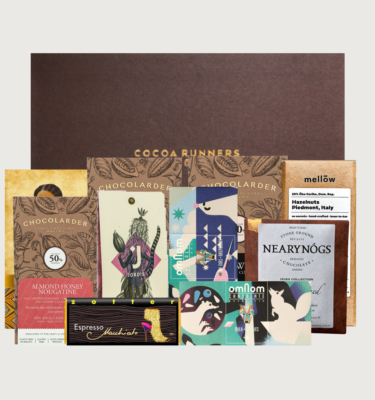
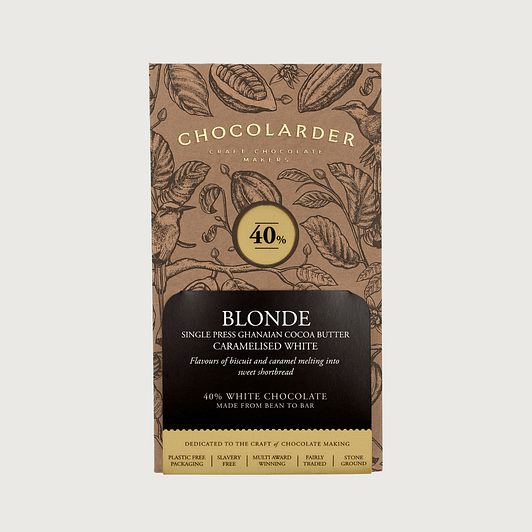
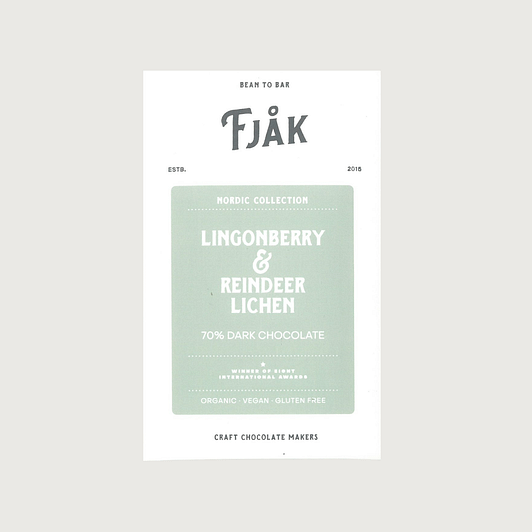
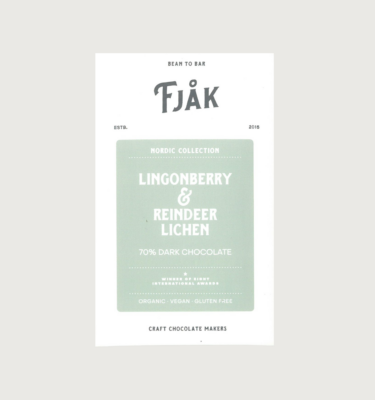
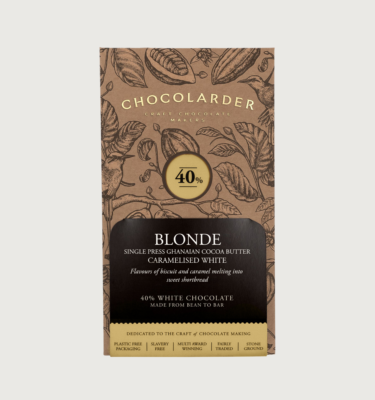
p.s. If you missed me being completely ambushed on Sunday Brunch to speaking with George Takei (of Star Trek fame) in Japanese about the Chocolarder, Fjåk, and Chocolatemakers bars, you can catch up with the show on All4, and taste the bars below:

-
 Deluxe Christmas Gift Box£59.95
 -
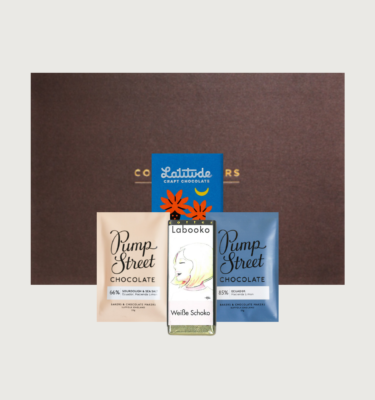
Stocking Filler Christmas Gift Box£14.95
-
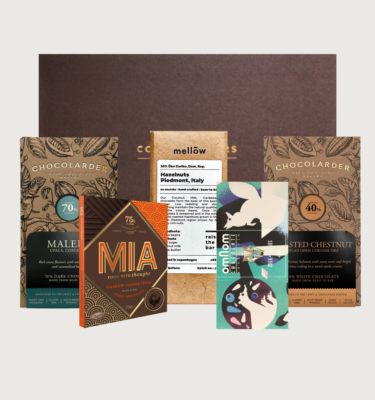
Christmas Gift Box£29.95
-
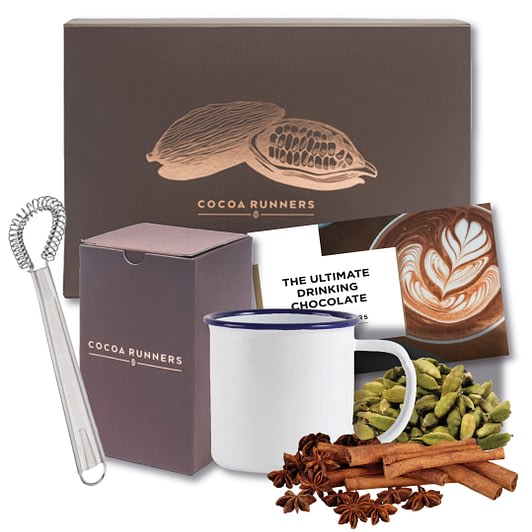
Drinking Chocolate Gift Set£29.95
-
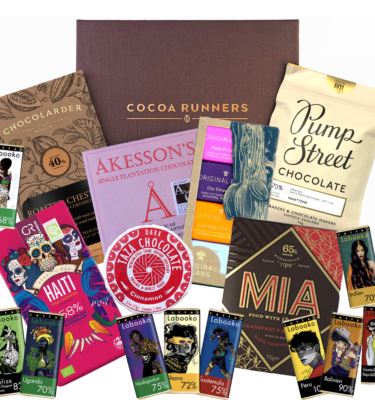
Deluxe Craft Chocolate Christmas Gift Box£49.95