Working up to a Frothy Valentine’s
As Valentine’s Day nears, it seems apposite to recall one of the earliest, and most...
Print / PDFAs Valentine’s Day nears, it seems apposite to recall one of the earliest, and most...
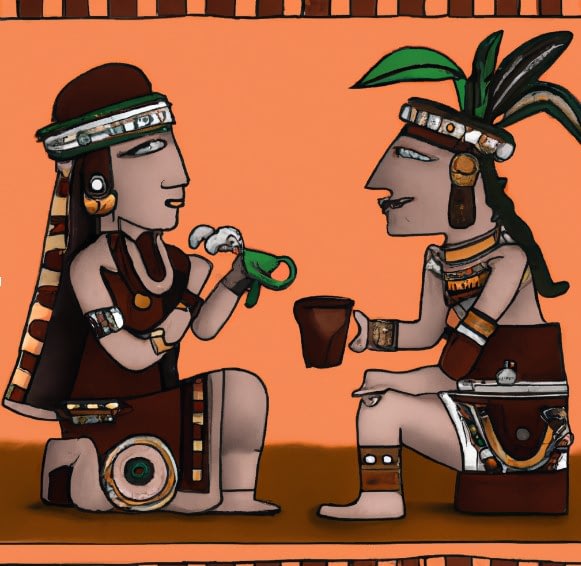
Print / PDFAs Valentine’s Day nears, it seems apposite to recall one of the earliest, and most famous descriptions, of chocolate consumption, from Cortés’s companion Bartolemeo Diaz:
“[The men of Montezuma’s guard] brought him, in cups of pure gold, a drink made from the cocoa-plant, which they said he took before visiting his wives …I saw them bring in a good fifty large jugs of chocolate, all frothed up, of which he would drink a little“.
And ever since, chocolate, stamina, and Valentine’s Day have been inexorably linked in our imagination.
But it also begs the question: Why froth up the chocolate and only “drink a little”? After all, we don’t order Guinness just to have the head of the beer. We don’t toast with champagne and just drink its mousse or froth.
There aren’t any obvious, definitive answers to this frothy question.
But the Aztec (and Olmec) fascination with ‘frothing’ can give us great insights into why Valentine’s Day is the perfect occasion to celebrate and savour craft chocolate.
For a quick summary, check out my video here:
Or, read on for more details.
Why Froth?
Hypothesis 1: To improve the taste and mouthfeel
We’re not really sure what was in Montezuma’s “cups of gold”. A high proportion of ground cocoa beans, however, could have made the drink very bitter and astringent, even after fermentation. So he may well have preferred to sip just the froth.
In addition to this bitterness and astringency, texture and mouthfeel may also explain Montezuma’s preference for froth. Cocoa beans also contain a lot of fat. Even when ground into some form of cocoa liquor, they are pretty overpowering. So, it may have been more pleasant to focus purely on the froth.
Both of these claims sort of make sense …but they can be easily challenged.
We know the Aztecs (and Mayans) used chillies, vanilla and other sweeteners (e.g. honey, custard apples, etc.) to create delicious and sought-after hot and cold cocoa drinks (despite what some historians like to claim; sweet and/or spicy drinking chocolate was NOT a European invention). Similarly, just as ‘thickeners’ were added to deal with the grainy and fatty problems of drinking in Early Modern Europe, the Aztecs, Mayans, Olmecs and Incas all mixed teosinte (and later corn) with their chocolate.
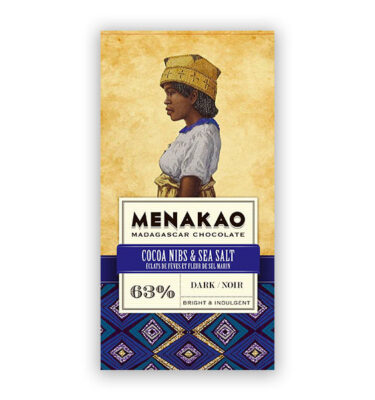
Having said this, there is no doubt that aerating cocoa does bring out its flavour as well as improve texture and mouthfeel. Think of how a well-made chocolate mousse brings out, for instance, the fruity flavours of Menakao’s chocolate. So focusing on the froth certainly makes sense.
But this, in and of itself, doesn’t seem like a complete answer.
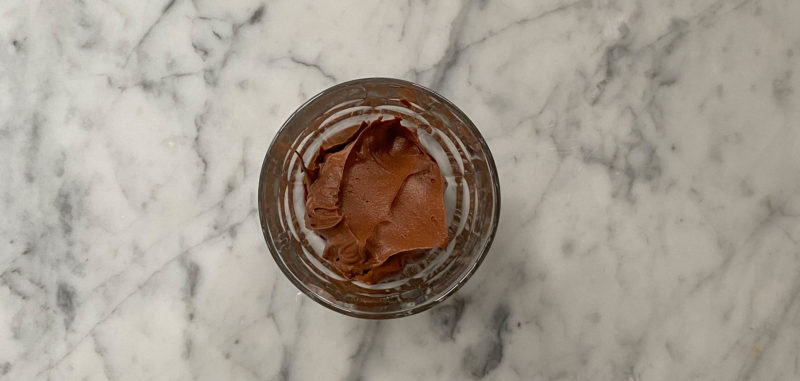
See for yourself: Make a chocolate mouse from Menakao chocolate using our simple recipe:
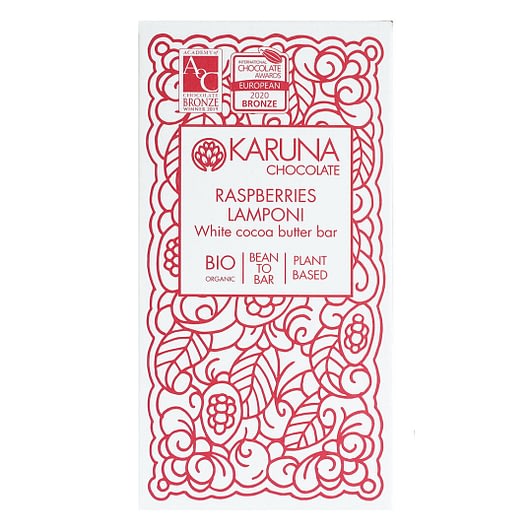
Or try our diverse range of Valentine’s Day bars to experience the range of mouthfeel, texture, and flavour possible with craft chocolate:
-
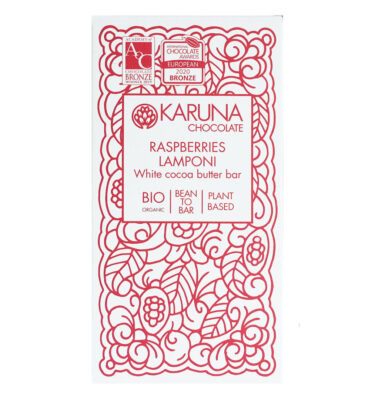
 Karuna – White 39% with Raspberries£9.95
 -
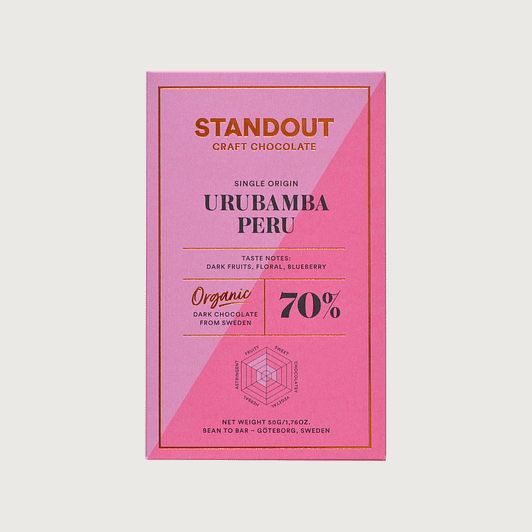
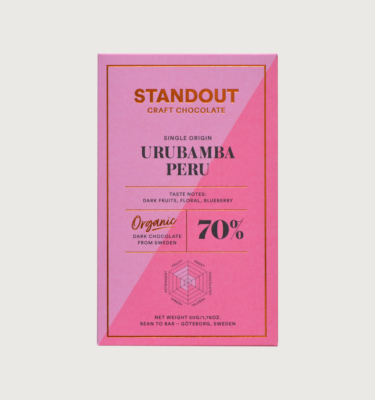
Standout – Urubamba, Peru, Dark 70%£7.95
-
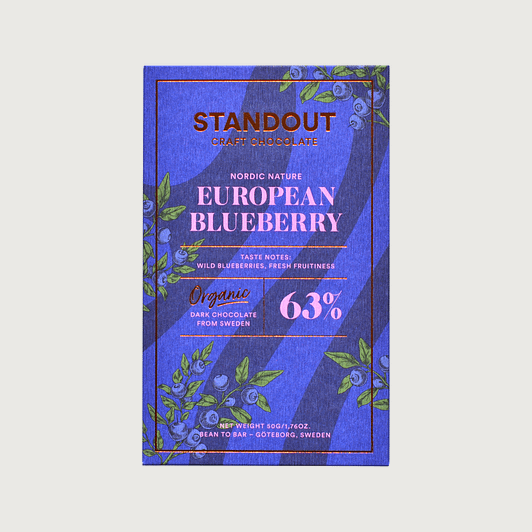
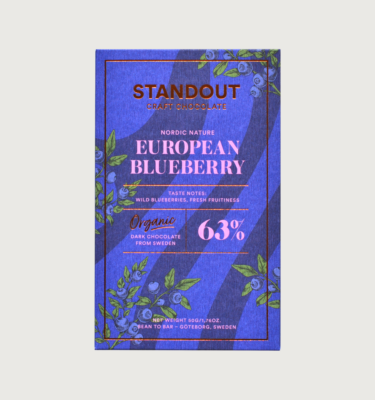
Standout – “Nordic Nature” Blueberry, Dark 63%£7.95
-
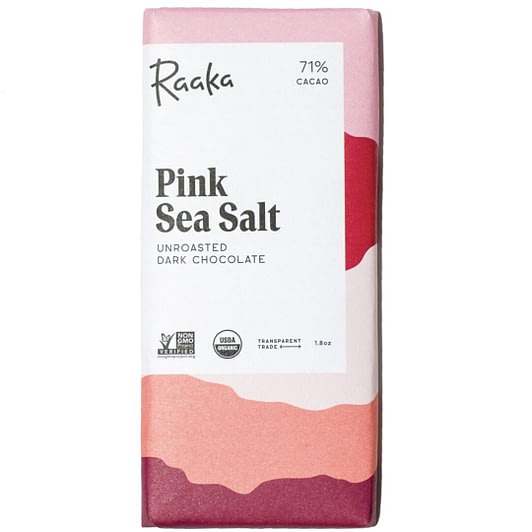
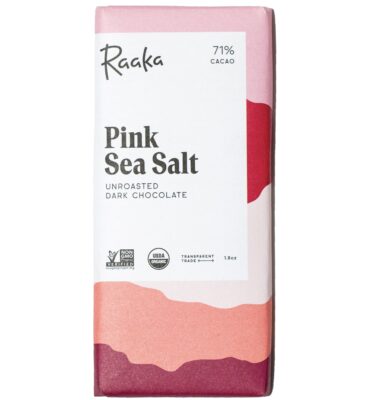
Raaka – Pink Sea Salt, Dark 71%£8.45
-
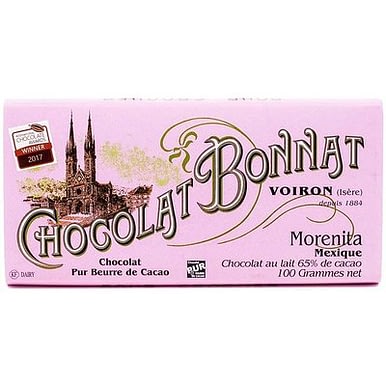
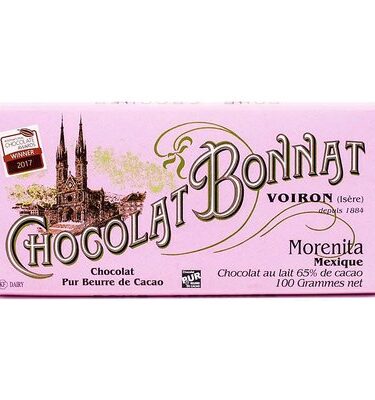
Bonnat – Morenita, Mexico Dark Milk 65%£7.95
-
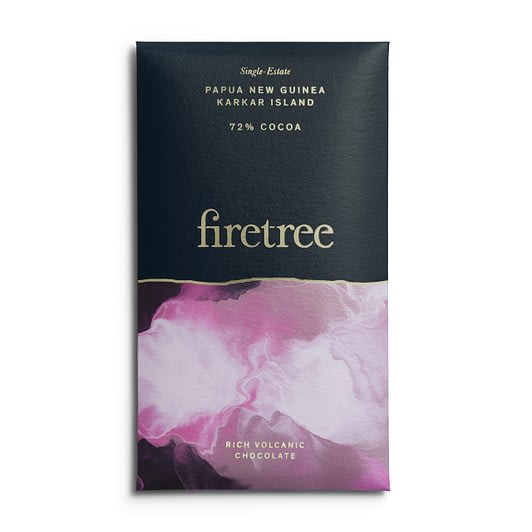
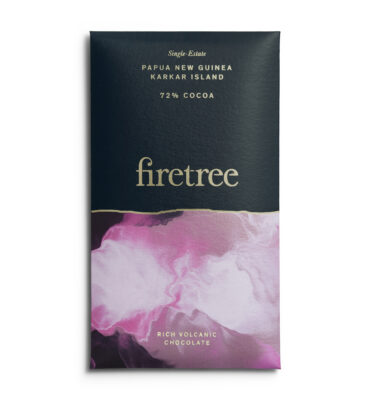
Firetree – Karkar Island, Papua New Guinea, Dark 72%£5.95
-
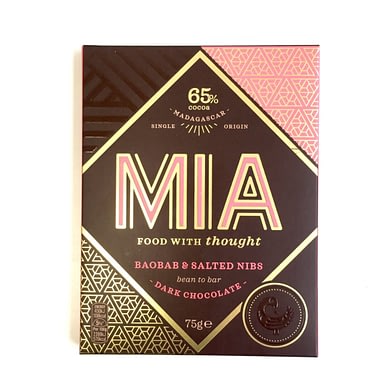
 MIA – 65% Dark Chocolate with Baobab & Salted Nibs£5.95
 -
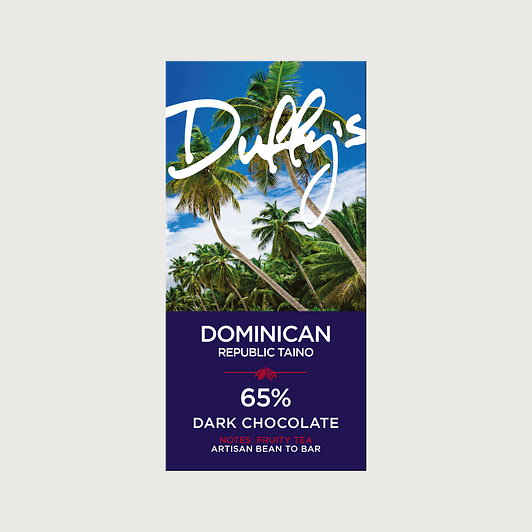
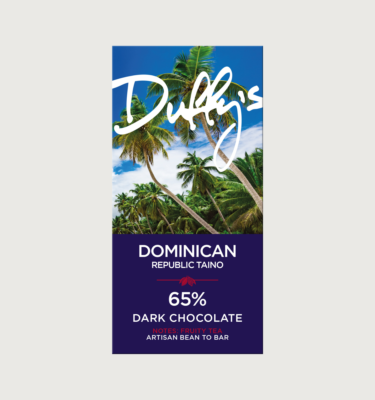
Duffy’s – Taino, Dominican Republic, Dark 65%£6.95
-
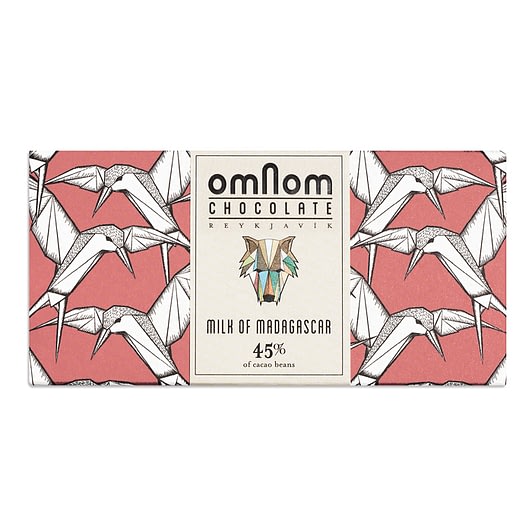
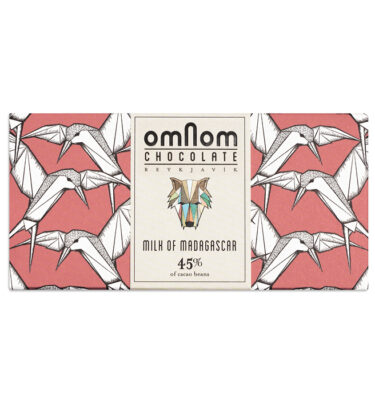
Omnom – Milk of Madagascar 45%£8.95
-
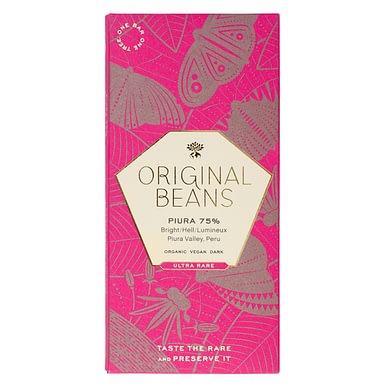
 Original Beans – Piura Porcelana, Dark 75%£6.45


Why Froth?
Hypothesis 2: To show you’re worth it
Frothing requires a LOT of work. Drinking, and serving, cocoa was a strong sign of power; served at business meetings, weddings, feasts. It was a way to communicate power, prestige, and to honour people. Indeed, the froth of cocoa is still used this way; Howard Shapiro, former Chief Agricultural Officer of Mars (now retired), has fantastic descriptions of how he was treated to special froths from carefully prepared cocoa beans that were soaked and buried for 6 months, during his trips to Mexico.
On top of the effort required (and respect conveyed), Mesoamerican cultures also strongly valued breath, air, and wind, believing that they conveyed and generated life. Froth, or foam, contains breath and air, and products that could generate froth were seen as very prestigious (and rare).
Cocoa also had medicinal value for the Aztecs, Mayans, and Olmecs. It was consumed with incantations, which often mention the “froth of chocolate” (see the 16th century Yucatec Maya medical texts Chilam Balam of Chumayel and Tuz Ik). And it appears that consuming cocoa froth was seen as an important means for medicinal incantations to find purchase and to take effect.
(Thanks to Kathryn Sampec, Kristy Leissle, and Howard Shapiro for their insights on this topic).
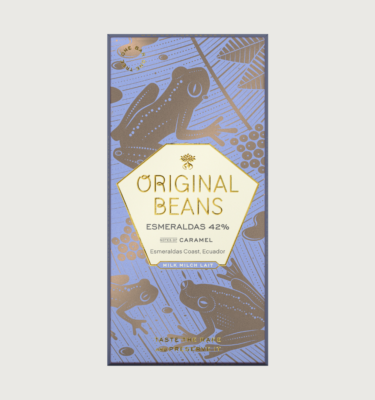
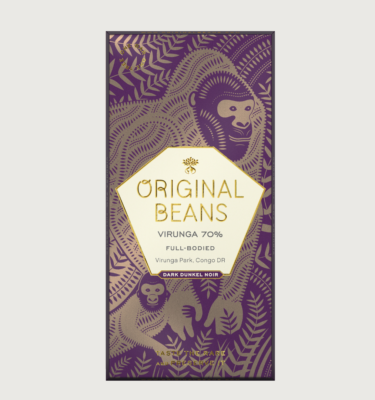
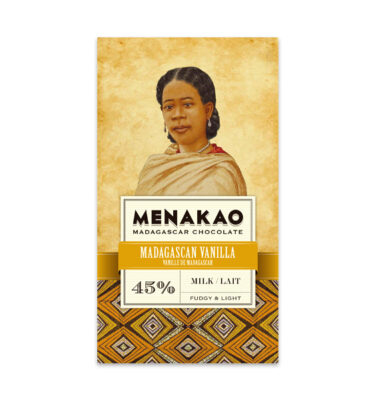
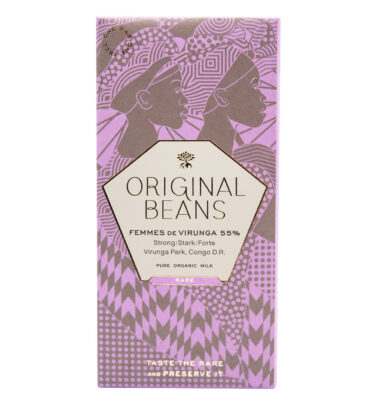
This Valentine’s Day, take your time in selecting, and explaining, your selection of craft chocolate to people you care about. Honour them with one of these bars that we think you’d like:
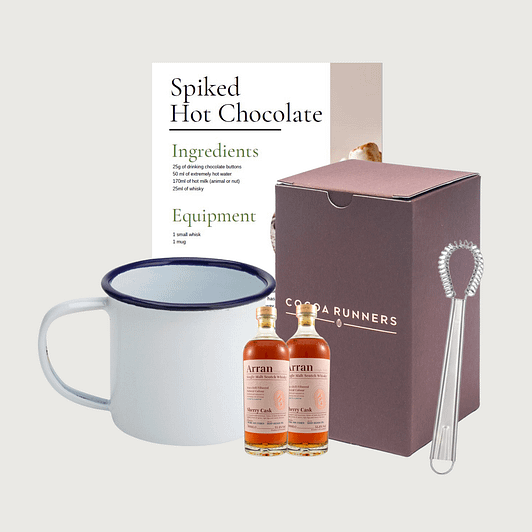
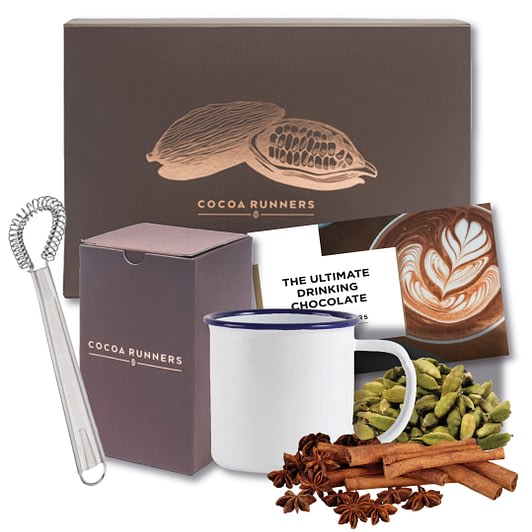
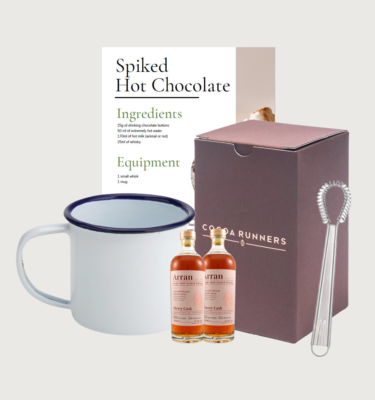
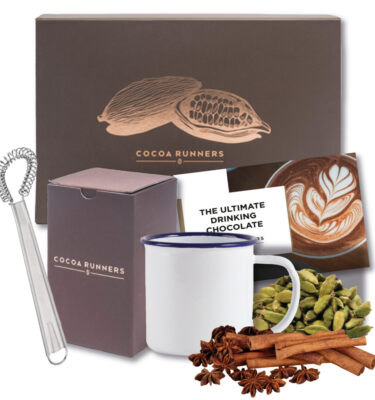
Prepare a great, steaming cup of hot chocolate, and use a whisk to create some froth to show your partner that they are worth it:
-
Hot Chocolate Cocktail Set£29.95
-
Drinking Chocolate Gift Set£29.95
Why Froth?
Hypothesis 3: To savour (and not get too hammered!)
We also know that the Aztecs (and Incas, Mayans, etc.) were very wary of excessive drinking. Indeed, they controlled it to the extent of only drinking alcohol at specific ceremonies (especially one called the 2nd Rabbit day) and restricting its use at court to high-ranking nobles and favoured performers. If you weren’t a noble, you could only “drink freely” when you hit 70 years of age.
Thus, we return to the question: what was in the liquid served in Montezuma’s golden cups?
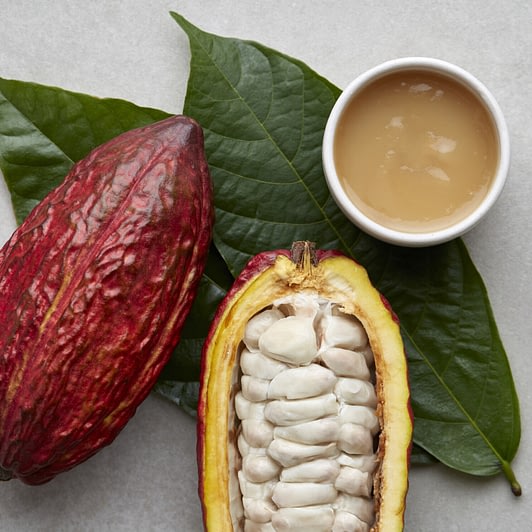
Before the Swiss developed conching, and the Dutch invented the cocoa press, even fermented ground cocoa beans would have been pretty overpowering and hard going. And to be able to generate some froth and aerate this sufficiently, you’d need to add some liquid. This might have been water. It might also have been teosinte (corn/maize) as a thickener. Or it might have been fermented cocoa pulp; chicha (aka cocoa beer).
(Huge thanks to Martyn O’Dare for explaining the science here).
If the liquid in the golden cups was fermented cocoa pulp (or fermented corn mulch, aka beer), Montezuma may well have focused on the froth as he didn’t want to give the impression of drinking too much alcohol.
Interestingly, Cortés’ chronicler, Bartolemeo Diaz, goes on to describe how the court, after Montezuma had retired for the night, would consume the leftover plates from the feast AND the cocoa.
Returning to the argument that beer, not bread, created the move from hunter-gathering to farming, towns and civilizations, this makes some sense. We know that Aztec culture was HIGHLY politicised and divided. Alcohol, applied sparingly, could have helped ease tensions here.
To quote Edward Singerland:
“…intoxication [through alcohol] helps solve a number of distinctively human challenges: Enhancing creativity, alleviating stress, building trust, and pulling off the miracle of getting fiercely tribal primates to cooperate with strangers. Our desire to get drunk, along with the individual and social benefits provided by drunkenness, played a crucial role in sparking the rise of the first large-scale societies. We would not have civilization without intoxication“.
While Montezuma may only have partaken sparingly, drinking chocolate may have played a key ‘civilising’ role in his court politics. Again, remember Slingerland’s arguments that “reasonable” levels of drinking promote bonding, honesty, and lateral thinking. The vicious civil wars which followed Cortés’ assassination of Montezuma, and consequent destruction of his court, hints at the key role Montezuma’s feasts and court played in holding everyone together.
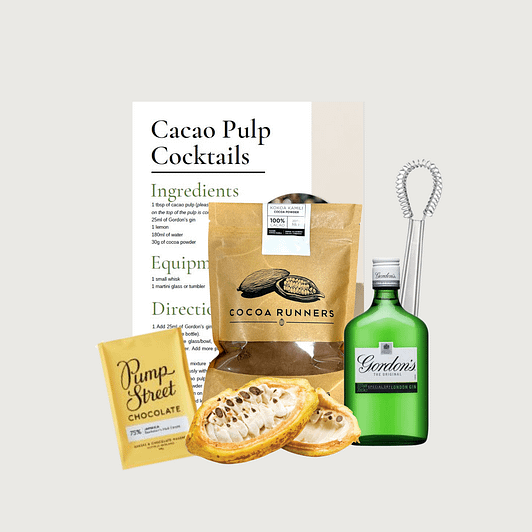
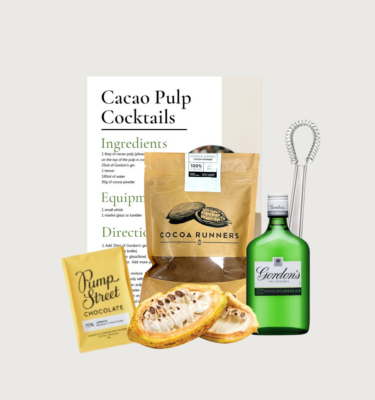
Consider gifting a loved one our cocoa pulp, drinking chocolate, and cocktail sets. And perhaps explain the “Balmer Peak”; the argument by the ex-CEO of Microsoft that a blood alcohol level of between 0.129 and 0.138 puts adults at their most creative, that a little alcohol relaxes, encourages spontaneity, creativity, and lets the truth flow!
-
Cacao Pulp Cocktail Set£32.95
-
Hot Chocolate Cocktail Set£29.95
Valentine’s is now less than 48 hours away. So if you are in the UK, please do order ASAP, and choose RMT24 as delivery option, or even better, DPD, before 9am to have the best shot at ensuring your present arrives in time for Valentine’s Say (note: our warehouse will do their best here, but technically we’re past the Royal Mail safe cut-off date. Alternatively, you can also think about a digital tasting or subscription gift certificate).
Thanks, as ever, for your support. Wishing you a great head of beer, fine mousse of champagne, and froth on your Valentine’s hot chocolate!
Spencer