Meet the Grower
Mountains of the Moon
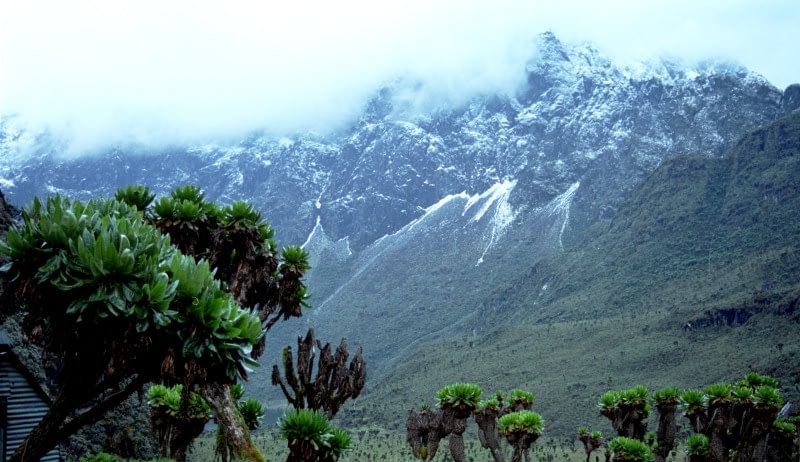
Location: Mutwanga, Democratic Republic of the Congo
Varietal: Predominantly Forastero, Trinitario mix
Flavour notes: Fruity, nutty, intense, cherries, apricots, and stir of perky spices
Description
Born and raised in a family of wine growers from the upper Rhine Valley in the South of Germany, Clemens Fehr always knew that his heart and soul were connected to nature. In 1999, after completing his PhD in forest ecology and working for 7 years in South East Asia, Clemens touched down in Uganda to train up young foresters. Soon, Clemens decided to link together his love for fine food and wine with his passion for nature conservation, starting a vanilla plantation in a patch of remnant forest growing in the foothills of the Rwenzori mountain range, better known as the Mountains of the Moon. After marrying the daughter of a French-Congolese family of coffee growers, Clemens expanded the plantation to cultivate other crops, including coffee and cacao. The snow-covered peaks of these mountains flourish the cacao, and provide the legendary source of the river Nile. Geographically, the Mountains of the Moon separate the savannah planes of East Africa from the vast rainforests of the Congo, and its slopes are characterised by a unique, mild micro-climate.
Harvest times: September – January (smaller harvest March – April)
Harvest volumes: Coming soon.
Number of farmers: 1000
Hectares farmed: Approximately 1800
Farming notes: The Congo Mountains of the Moon is taken from the name given to the Rwenzori mountain range which lies on the border between the Democratic Republic of the Congo and Uganda. This equatorial region was formed by eras of volcanic activity, and the soil is extremely fertile. The mild climate of this area allows for a rich soil where you can find cocoa plants growing alongside coffee, vanilla and a variety of different fruit.
Fermentation and drying notes: Ripe pods are opened in the field and the beans removed and the same day delivered to purposely-built village fermentation centres. There specialised “fermenters” make sure that the beans ferment for 6 days at the right temperature and with sufficient aeration. The initial drying of the cocoa takes place in the sun, on purposely built racks to reduce the acidity of the cocoa and to smoothen its flavour. Thereafter, beans are moved indoors where they are dried in a flow of warm air to about 5% moisture.
Want to explore more growers, suppliers and producers of the world's best craft chocolate? Just start typing their name (or any letter) into the search box to discover them.
ABOCFA
Akesson’s
Alto Urumbamba
Asoarhuaco
ASODPAMP
CAC Pangoa
Cacao de Aroma
CECAQ 11
CEPOTX
COCABO
Cooperar
ESCO Kivu
FEDECOVERA
Fortaleza del Valle
Gebana Togo
Ingemann Fine Cocoa
Kokoa Kamili
La Campesina
Maya Mountain
Norandino
Rio Acará
Rio Juruá
Rio Toncantins
SUMAQAO
SUMAR
Vila Velha do Cassiporé
Virunga
Zorzal Cacao
