Black Friday and Craft Chocolate
Black Friday for retailers is a little like what the “bliss point” (an ‘optimal’ combination...
Print / PDFBlack Friday for retailers is a little like what the “bliss point” (an ‘optimal’ combination...
Print / PDFBlack Friday for retailers is a little like what the “bliss point” (an ‘optimal’ combination of sugar, salt and fat) is for snack and confectionery makers. They are both all about encouraging consumers to scoff; to purchase more and more and more! It’s hard not to resist an “unmissable discount” or “great bargain”. Just as it’s hard not to reach for a second Pringle, or scoff a Snickers.
But without wishing to be a killjoy, we’d like to argue that discounting and scoffing aren’t very good for craft chocolate. Not for craft makers or cocoa farmers. Not for the rainforest and our planet. And not for consumers either!
So we will NOT be offering you “amazing prices”, “buy-one-get-one-free”, special “never to repeated” deals, etc.
Why Cheap Prices And Discounts Are Not Great Value
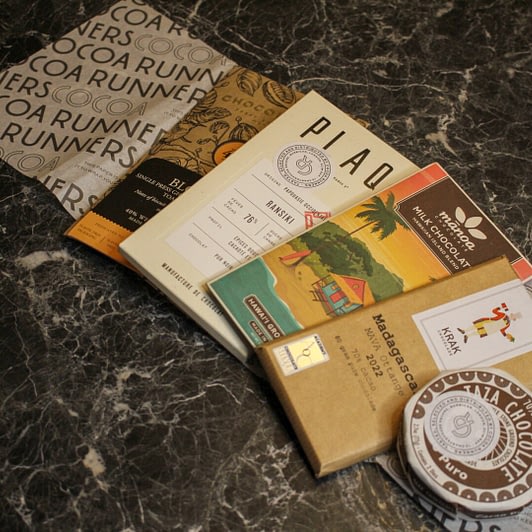
We believe that craft chocolate, with most bars at between £4 and £7 (US$5 to US$8) is already great value.
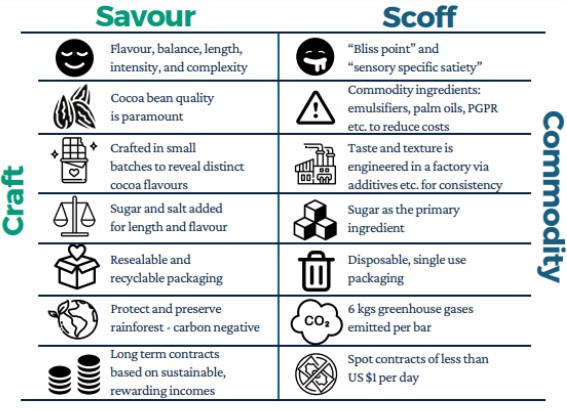
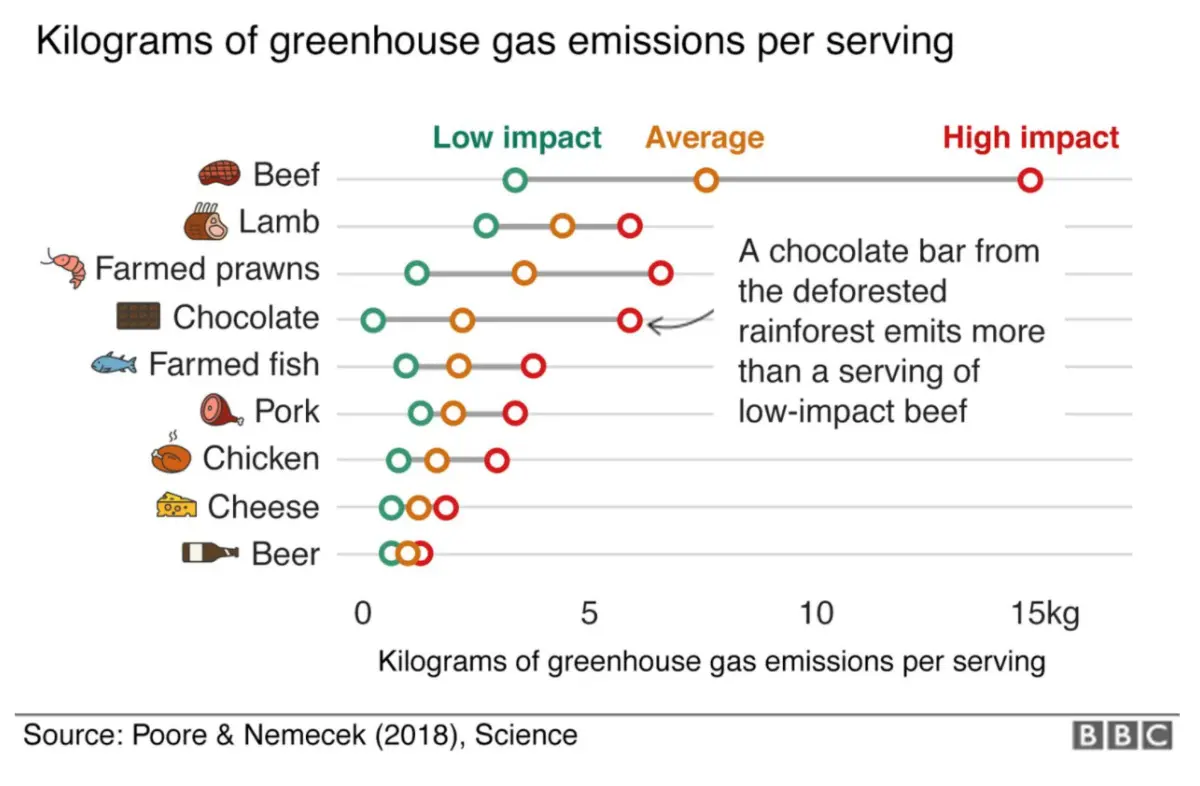
‘Value’ isn’t about getting to the lowest price. When you pay £1 for a bar of mass-produced confectionery, or even buy-one-get-one-free, there are all sorts of other costs involved; look at the chart below; cheap mass-produced chocolate can be almost as bad as processed beef for the environment!
But if you pay a fair price, chocolate becomes one of the best foods for the environment.
Beans and Savouring, Versus Low Cost Scoffing
Craft chocolate is all about savouring the amazing flavour of great cocoa beans. To secure these beans, craft chocolate makers (and retailers) work with farmers to find, plant, grow, harvest, ferment and dry GREAT BEANS.
In contrast, mass-produced chocolate is all about cost, consistency, and getting consumers to scoff by abusing our infatuation with foods (and drinks) containing lots of sugar, salt and fat (the ‘bliss point‘).
Discounting, Pricing, and Customer Disappointment
Mass-produced confectionery and chocolate is often an impulse or unplanned purchase. Special promotions, combined with carefully engineered positioning in stores, (at the checkout, near the counter) are key sales drivers. And these special promotions, such as ‘buy-one-get-one-free’, and ‘listings fees’ (payments for prominent shelf position positioning and vending machine slots) are built into the prices of mass-produced confectionery snacks. The price contains huge margins that pays for these things. Makers (and retailers) anticipate that they’ll make most of their sales when they go on offer, and they set their ‘regular’ prices accordingly.
Everyone loves the idea of a bargain. However, not only are these mass-produced confectionery bargains rarely great value, but they also make consumers who’ve recently bought at ‘normal’ prices feel like they’ve overpaid, and been “had”. They make consumers over-purchase too; you don’t really need that second extra supersized bar… but it’s a bargain… and when is it next going on sale?
Our Philosophy
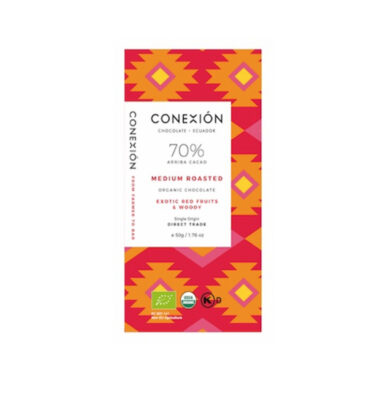
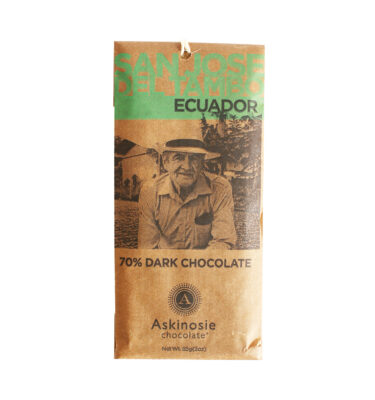
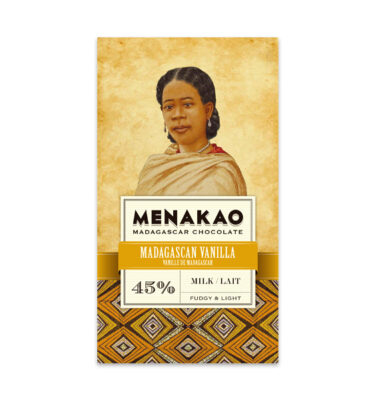
At Cocoa Runners we try to offer great value on ALL our bars, drinking chocolates, gift boxes, and everything else! We do not sell off “special discounts”, “not-to-be-missed bargains” or specially lowered prices for Black Friday. These price games run counter to the ethos of paying farmers and makers for the great value they provide. And they run the risk of turning craft chocolate aficionados like yourselves into ‘bargain hunters’, or upset someone who has recently paid a non-discounted price.
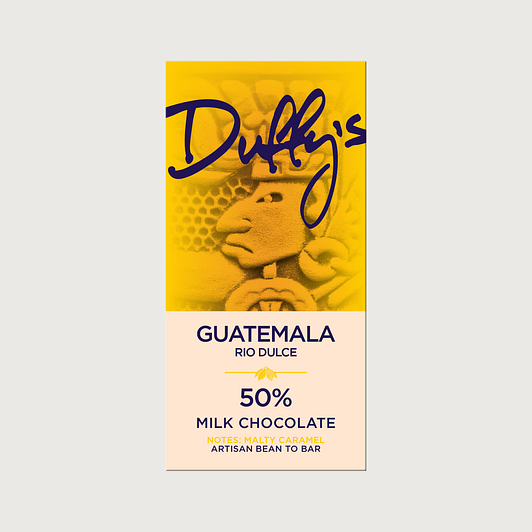
We’d rather offer great, ongoing value. Our bars aren’t the cheapest, but almost all are under £9. Most are between £4 and £7; less than the price of many big-brand makers who don’t tell you where they make, or the farms/cooperatives where they source their beans, and whose main ingredient is all too often sugar.
Having said this, we do offer special subscriber benefits for their regular, ongoing support. We also encourage people with small ‘first-time’ discounts such as when signing up for more information. Similarly, for anyone who enjoyed one of our virtual tastings, we offer a small discount to encourage sharing the experience with friends, and welcome them to the craft chocolate revolution.
And when we run into supply chain issues (as we have done with Brexit) we also offer great value “lucky dip” boxes for bars that are short-dated. But we deliberately don’t do individual bar discounts.
So savour, don’t scoff. And focus on real value, not discounts.

Thanks as ever for your support.
Spencer
p.s. If you want to know more about the origins of the term “Black Friday”, please SEE HERE. In short: As Thanksgiving became more and more of a U.S. national holiday on the fourth Thursday of November (thanks to FDR in the 1940s), retailers saw the opportunity to have “national sales”. And by the 1960s, the traffic on the roads in Philadelphia during these Thanksgiving weekend sales was so bad that local police and bus drivers coined the phrase “Black Friday” as shorthand for the terrible traffic jams. And over the last decade, internet retailers have joined in the melee with the likes of “Cyber Monday”.