Baking and Bars
Fusions of Flavour for World Baking Day To celebrate World Baking Day (next Wednesday, May...
Print / PDFFusions of Flavour for World Baking Day To celebrate World Baking Day (next Wednesday, May...
Print / PDFFusions of Flavour for World Baking Day
To celebrate World Baking Day (next Wednesday, May 17th), this week we are spotlighting baking delights that have been added as inclusions into dark, milk, and white bars. And to spice it up, we’ve also tried to summarise some of the more outlandish claims made for the origins of each baked treat below.
So whether you are a fan of sourdough or buttered toast, croissants or churros, pasteis de nata or Eccles cakes, soda bread or rye bread, panettone or cookies, we’ve a treat for you!
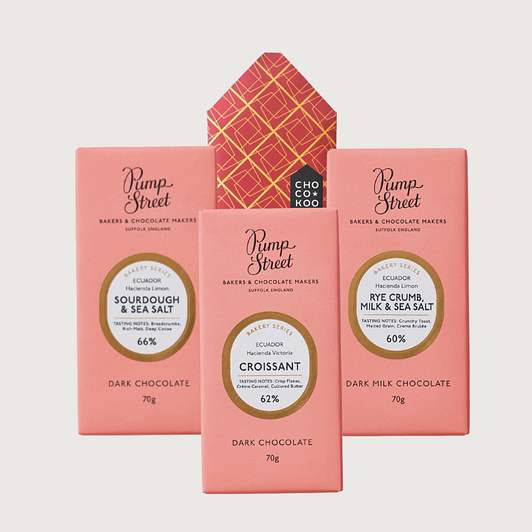
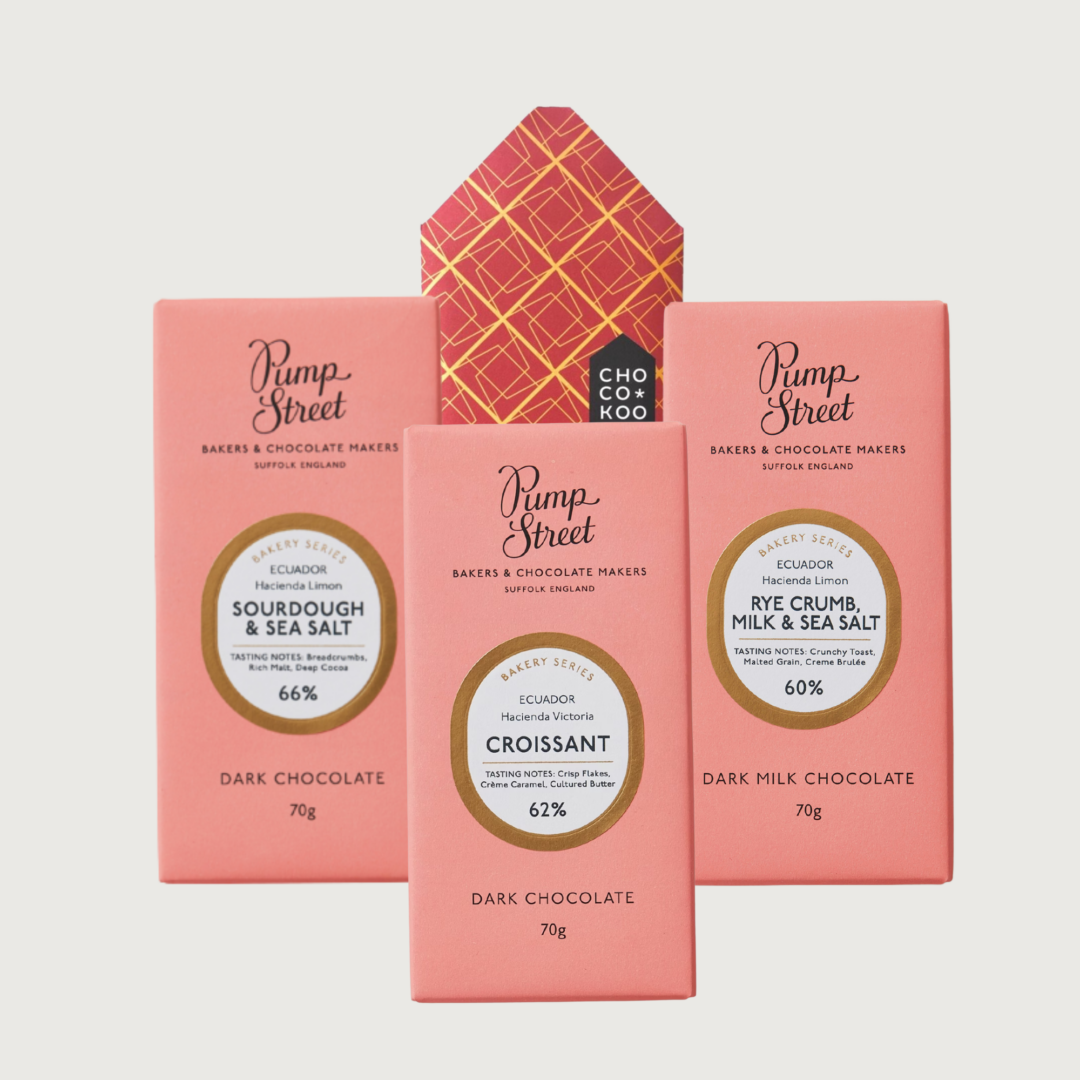
And if you can’t decide, we’ve also built a box of five different bars from Pump Street, Hogarth, Feitoria do Cacao, Puchero, and Neary Nogs.
-
 The Bakery Collection£31.95
Sourdough
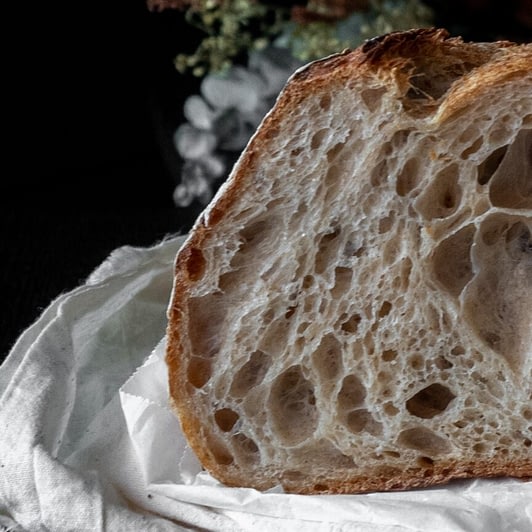
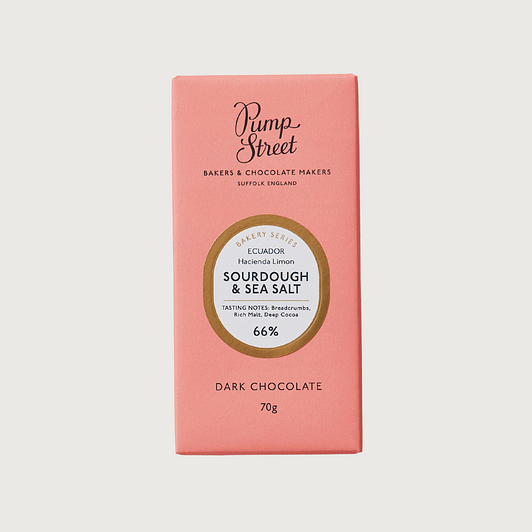
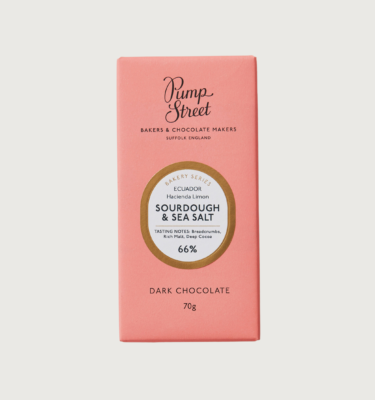
As any fan of Pump Street (and indeed of craft chocolate) knows, Pump Street Chocolate sprung out of Orford’s Pump Street Bakery. Chris Brennan, co-founder of Pump Street Bakery and Chocolate, was one of the first people to bake and sell artisan sourdough in Suffolk, and the bakery still makes amazing sourdough breads, and a host of other great bakery treats. Their dark sourdough bar, using beans from Hacienda Limon in Ecuador, was one of their launch bars almost a decade ago and is a feat of Chris’ engineering genius in toasting the sourdough so that it stays crunchy even after being coated in dark molten chocolate.
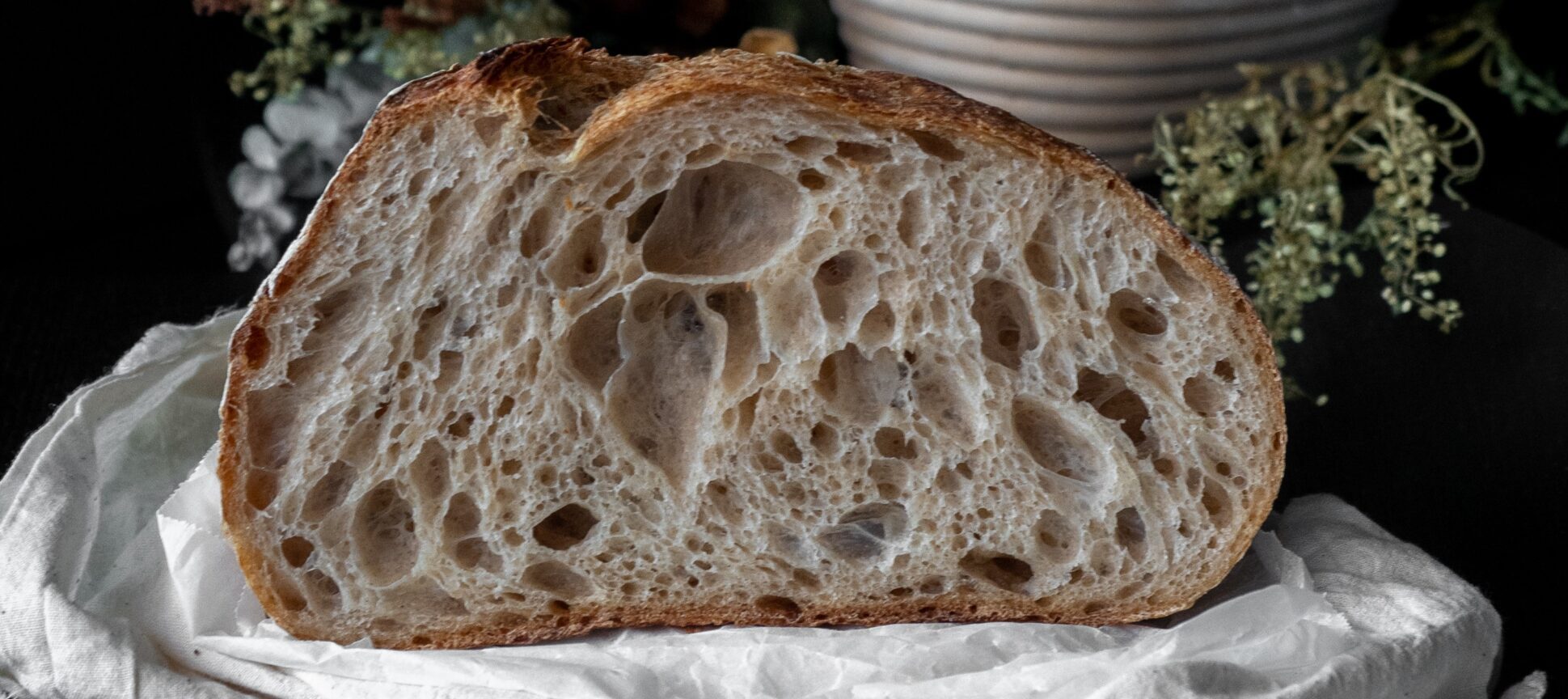
Sourdough bread can be traced back to ancient Egypt, around 1500 BC. Fermentation expert Sandor Katz suggests that the wild yeast and bacteria that give sourdough its characteristic tanginess were naturally present in the flour and water. Over time, bakers learned to cultivate and maintain this wild yeast and bacteria, which is known as a sourdough starter or “mother”. During the San Francisco gold rush sourdough bread became a staple of the early American diet; with the baking family Boudin saving their mother yeast in a bucket during the fire of 1906. Today, sourdough is wildly popular, with lockdown seeing a flurry of new home sourdough bakers and trading of sourdough mothers. Sourdough advocates claim that, in comparison to other breads, sourdough is easier to digest, lower in gluten, and that it has a lower glycemic index (i.e. it doesn’t cause a spike in blood sugar levels unlike many commercial breads).
Vogel’s Bread
To New Zealanders, Vogel’s is a national institution. And thanks to Karl and Marina of Hogarth Chocolate, buoyed up with enthusiastic support from Tim and Simon on Sunday Brunch and Annalisa Barbieri in The Observer, we can now try Vogel’s in a great milk chocolate bar here in the UK.
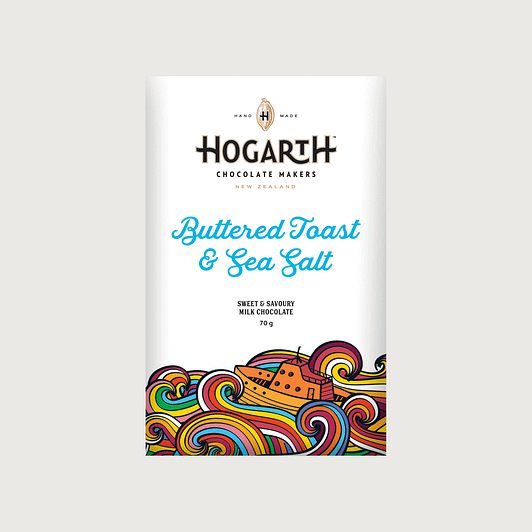
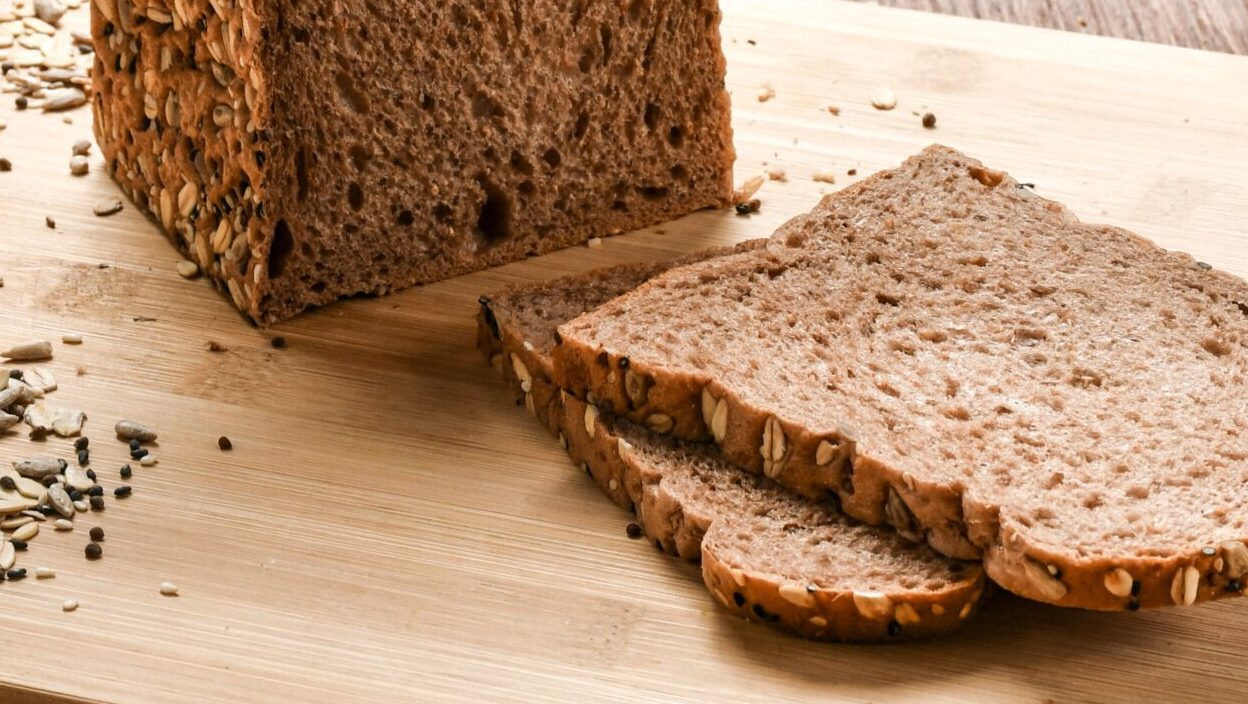
Thomas John Vogel started experimenting with different types of bread in the 1940s. By the 1950s he’d settled upon a blend of wholemeal flour, wheat bran, wheat germ, linseeds, sunflower seeds, and pumpkin seeds to launch his dense, nutty and much-loved bread. As Karl and Marina’s ‘toasting’ of this bread testifies, Vogel’s is commonly used for sandwiches and toast all over New Zealand.
Soda Bread
Staying with bread, Dot and Shane of Neary Nogs have created a soda bread bar to celebrate Irish soda bread.
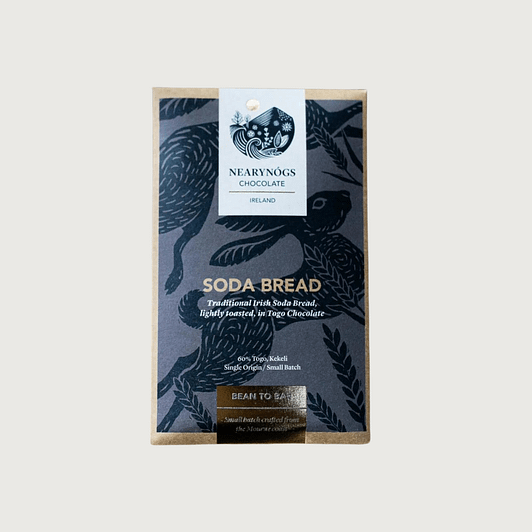
Whilst Ireland has a great claim to ‘inventing’ soda bread, there are also some other claimants:
- The Irish claim that soda bread was first made in Ireland in the early 19th century. At this time, baking soda was introduced to Ireland as a leavening agent for bread. The use of baking soda allowed bread to be made quickly and easily without the need for yeast or a long rising time.
- There is also a claim by Native Americans, that they used pearl ash (a type of potassium carbonate) as a leavening agent for bread, which was later replaced by baking soda.
- There are also claims that soda bread was first made in Scotland or Wales in the 18th century, before it was introduced to Ireland. Again, according to this theory, the bread was made with bicarbonate of soda, which was mixed with an acidic ingredient like buttermilk or sour milk to create a reaction that would leaven the bread.
Croissants
Moving to sweeter baking products, croissants are another rich source for craft chocolate inclusion bars.
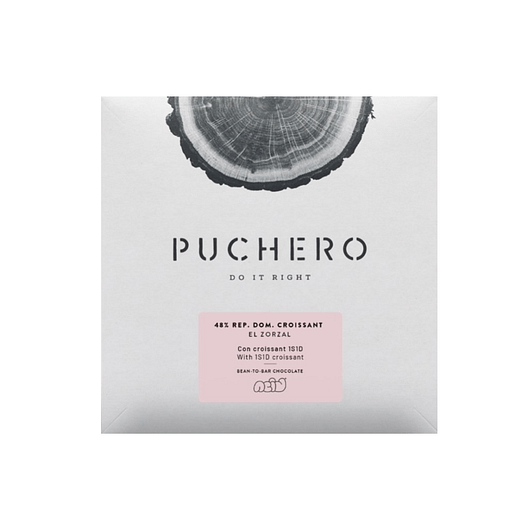
Puchero; the literal marriage of Spain and Italy (Marco and Paloma respectively from Susa in Italy and Valladolid in Spain); have combined deliciously buttery croissants from Acid Bakery Madrid with beans from the Dominican Republic in a milk croissant inclusions bar.
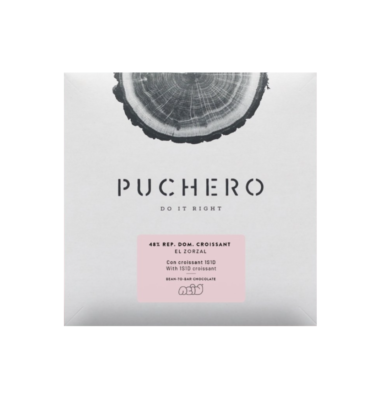
And Pump Street have their interpretation too with their dark milk croissant bar:
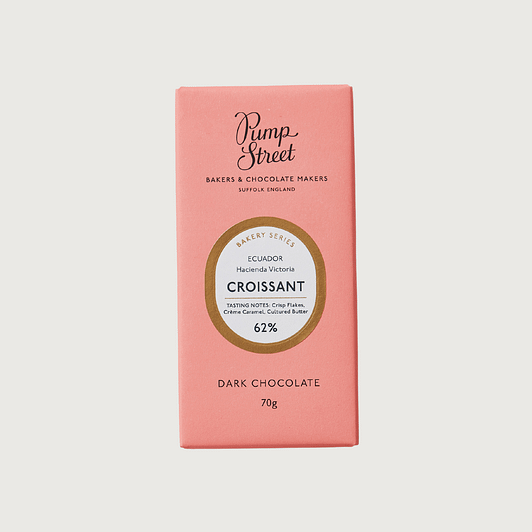
Although now intimately associated with France, there are a number of competing theories on the origins of the croissants (including, of course, one from France).
- The Austrian claim is based off their ‘kipferl’ pastry; shaped like a crescent and made with yeast dough. This theory suggests that Marie Antoinette introduced kipferl to France in the late 18th century from Austria, and French bakers later adapted the recipe to create croissants.
- The Ottoman origin theory suggests that croissants were inspired by a Turkish pastry called the ‘kruvasan’. This theory suggests that the Ottoman Empire introduced the pastry to Europe during the 17th century, and French bakers later adapted the recipe to create croissants, adapting the name to the French word for crescent, inspired by the crescent shape of the Ottoman pastry.
- A number of French food historians make a counterclaim that croissants were invented in France in the early 20th century, inspired by a variety of pastries, including kipferl and the brioche.
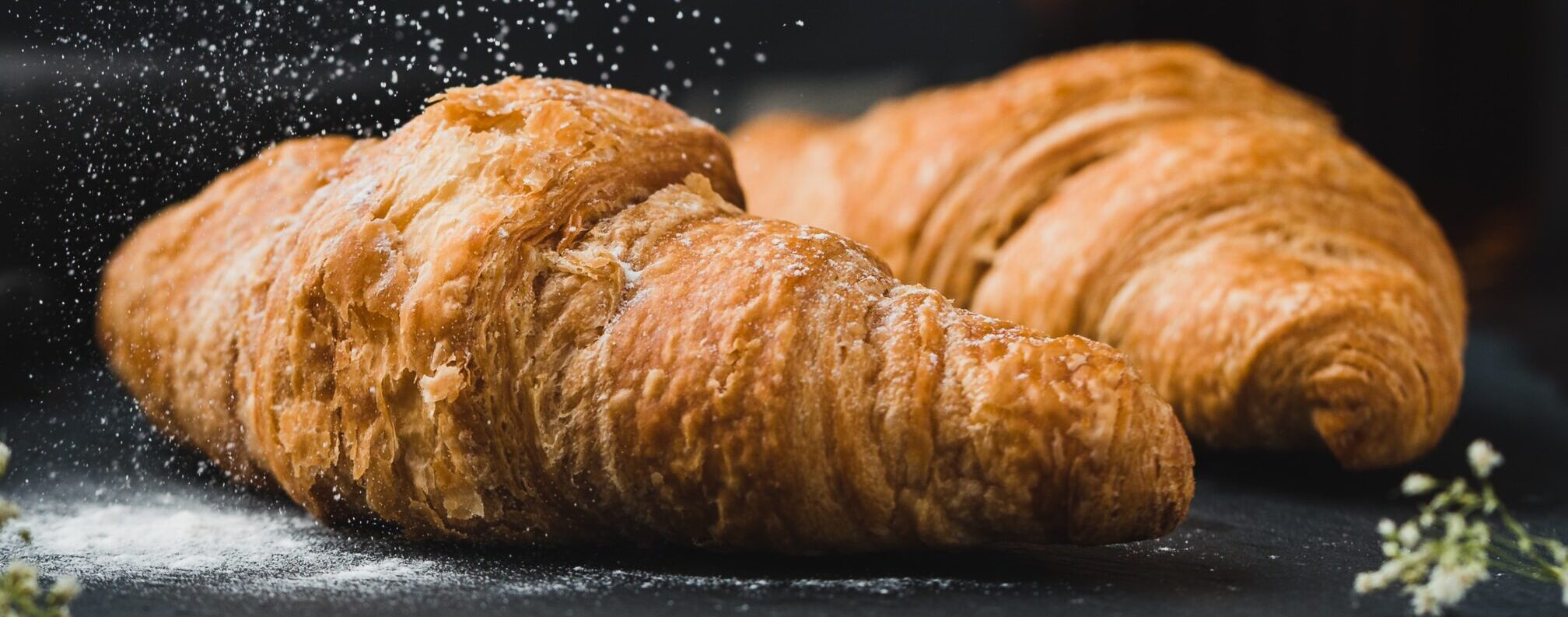
Any which way croissants are a great inclusion for chocolate; compare Puchero’s creation to that of Pump Street’s:
Churros
Buoyed by the success of their croissant bar, Puchero have recently launched a churros bar, doing away with any need to dip your churros into a piping hot chocolate you can just try their Nicaraguan milk bar that is literally full of churros pieces.

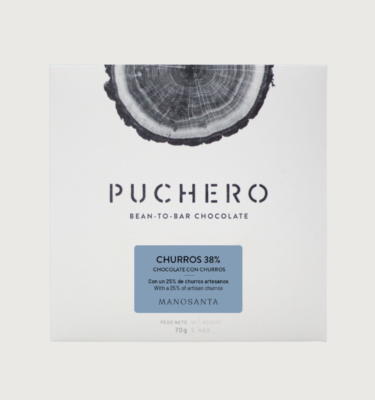
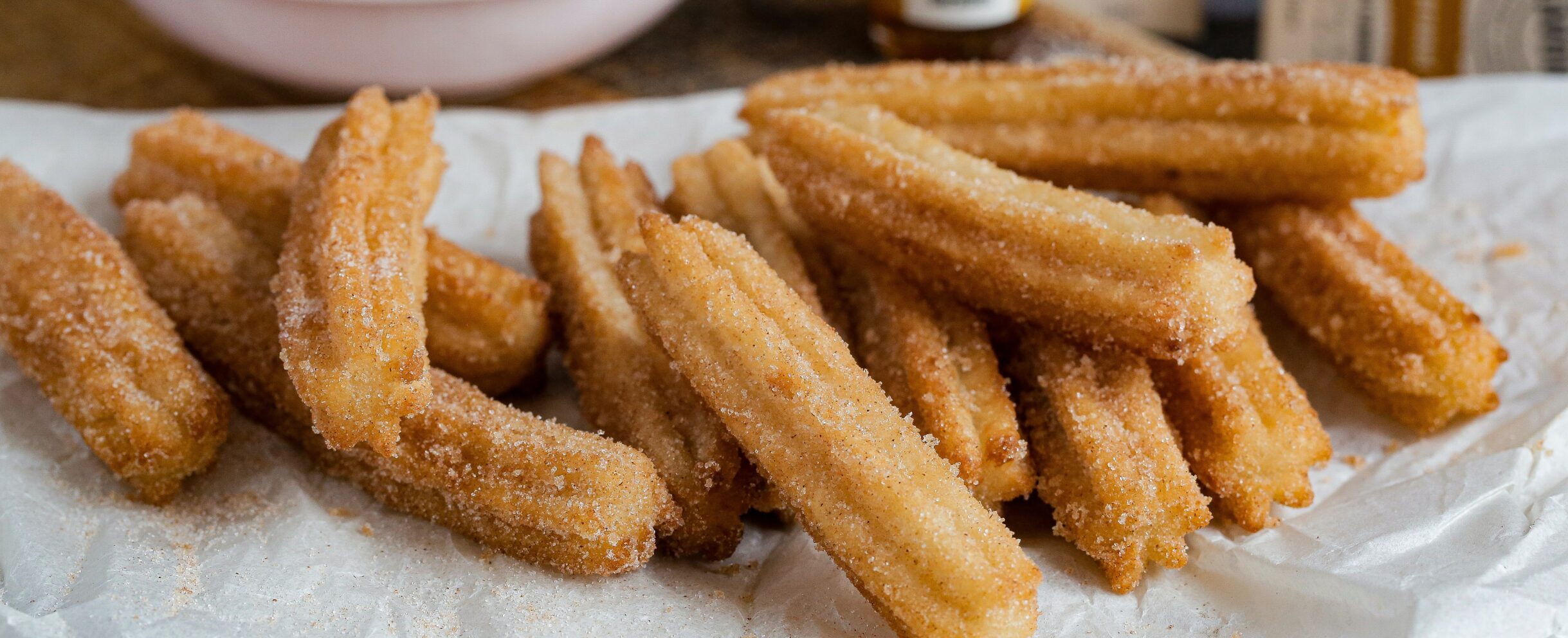
Churros are a fried pastry that is commonly found in Spain, Latin America, and the Philippines. And again, there are a number of conflicting theories as to their origins including:
- The Chinese origin theory suggests that churros were inspired by Chinese ‘youtiao’, which are fried dough sticks that are often eaten for breakfast. According to this theory, Portuguese traders introduced youtiao to Spain in the 16th century, and Spanish bakers later adapted the recipe to create churros.
- The Mexican origin theory has a similarly long history, suggesting that churros were brought to Mexico by Spanish conquistadors in the 16th century, and that they were later popularised by Mexican street vendors, originally as a savoury snack and later sweetened and became a popular dessert.
- The Spanish origin theory suggests that churros were invented in Spain in the 19th century, and that they were inspired by a variety of other pastries, including the Portuguese ‘malasadas’ and the Spanish ‘porras’ which were transformed from a breakfast treat to a pudding or dessert over time.
Pasteis de Nata
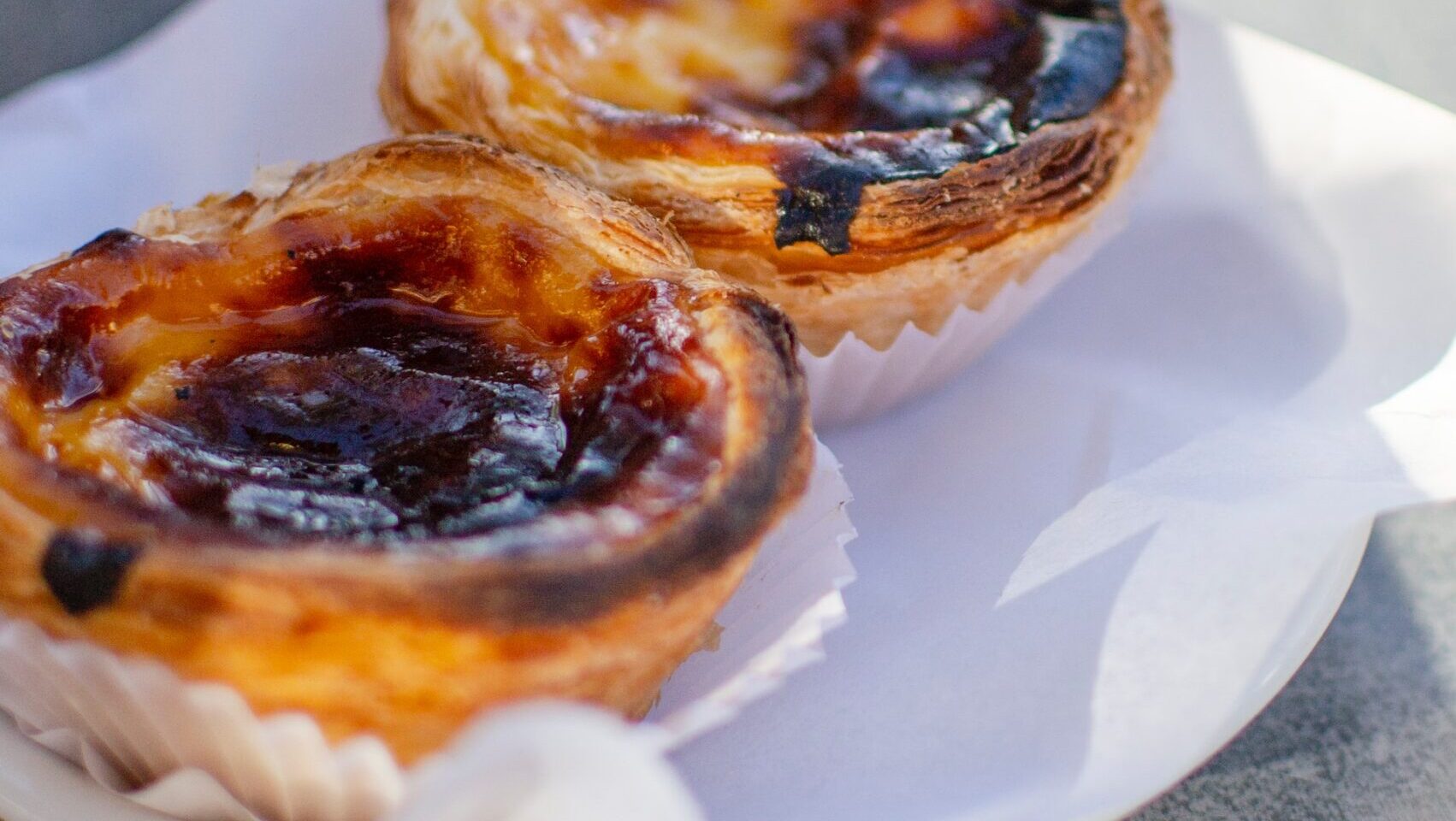
Sue and Tomoko of Feitoria do Cacao in Portugal have just launched a dark milk chocolate bar with inclusions from the famous Portuguese delicacy, pasteis de nata, in their Nicaraguan chocolate.
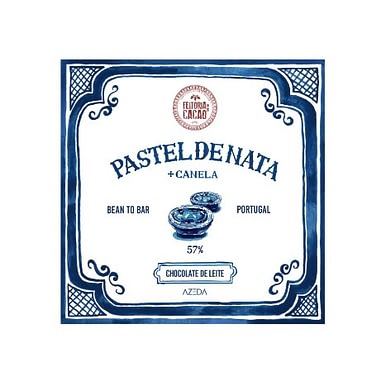
For those of you who’ve not yet experienced a pastel de nata, the easiest way to describe one is as a sophisticated custard tart with a crispy, flaky crust filled with a creamy custard that is often dusted with cinnamon or powdered sugar. Again, this delight has many claimants:
- One theory suggests that pasteis de nata were created by monks in the Jeronimos Monastery in the Belém district of Lisbon in the 18th century. According to this theory, the monks used egg yolks leftover from the egg whites used to starch their laundry to create the custard filling for the pastries.
- A variant of this theory, but this time with nuns not monks, suggests that pasteis de nata were created by nuns in Portuguese convents as a way to use up egg yolks that were left over from the starching of clothes.
- Another theory suggests that pasteis de nata were inspired by French pastries. According to this theory, French bakers brought the recipe to Portugal during the 19th century, and Portuguese bakers later adapted the recipe to create pasteis de nata.
Eccles Cakes
(and more from Pump Street!)
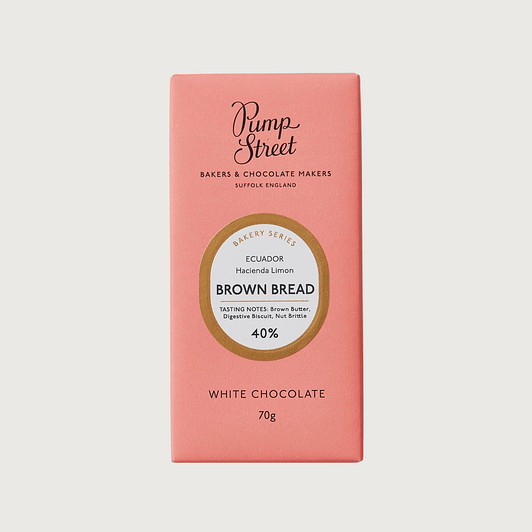
Chris, Joanna, and the Pump Street team have a whole range of craft chocolates with inclusions from their delicious bakery to extend their original lineup of their dark sourdough bar and milk rye crumb. We’ve highlighted just a few of these below and explored the (for once) less controversial ‘Eccles cake’.
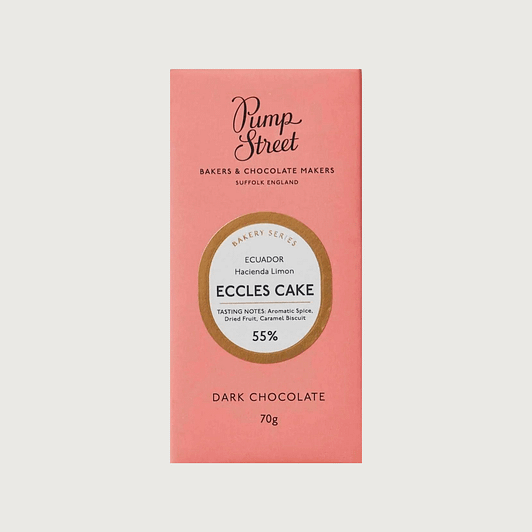
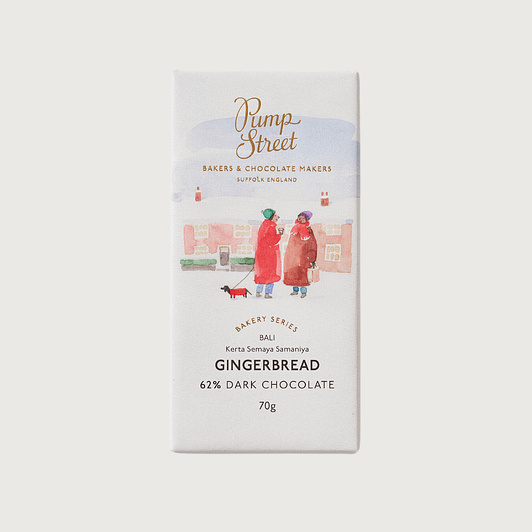
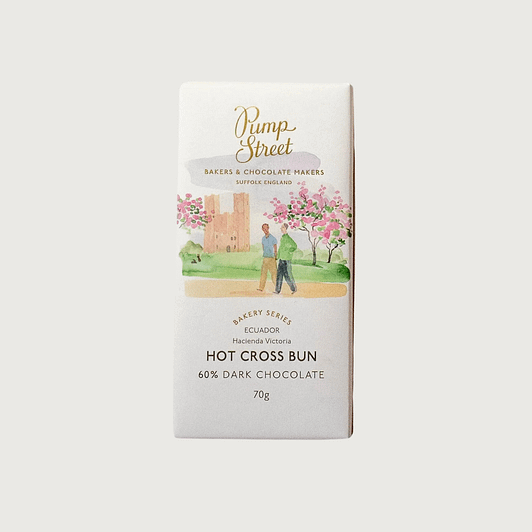
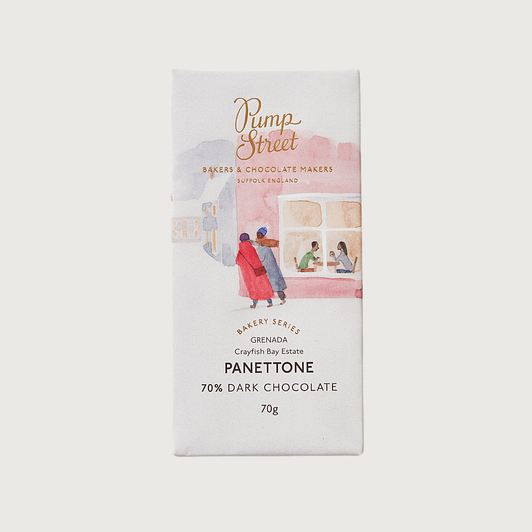
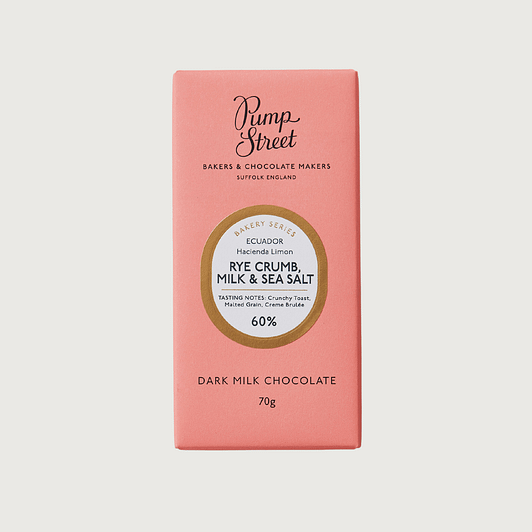
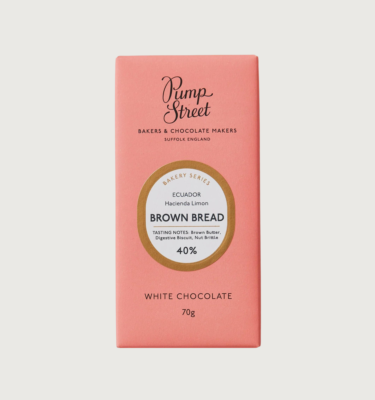
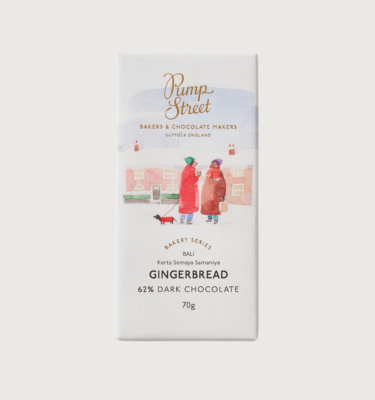
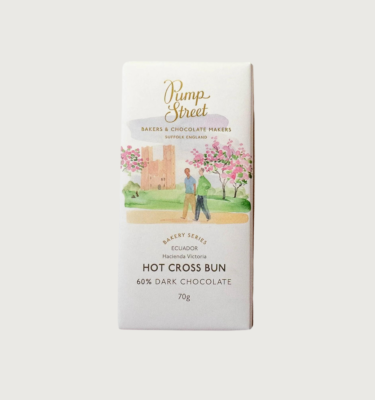
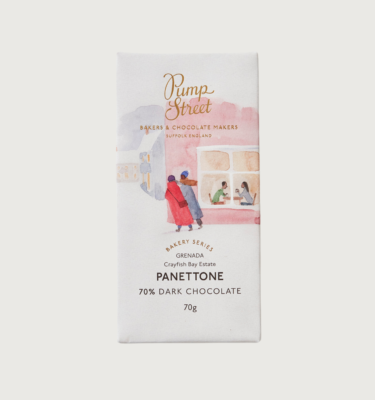
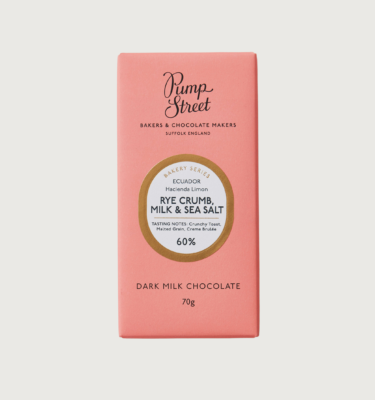
Eccles cakes are made with a flaky pastry crust that is filled with a mixture of dried currants, butter, sugar, and spices, and are often served with a cup of tea in the afternoon or with Lancashire cheese at the end of a meal. And, for once, we’ve a fairly clear history: They were first made by James Birch in the town of Eccles in the 18th century. Birch began selling the cakes at his shop in the town, and they quickly became popular among local residents and are now sold, and baked, far and wide.
Cookies
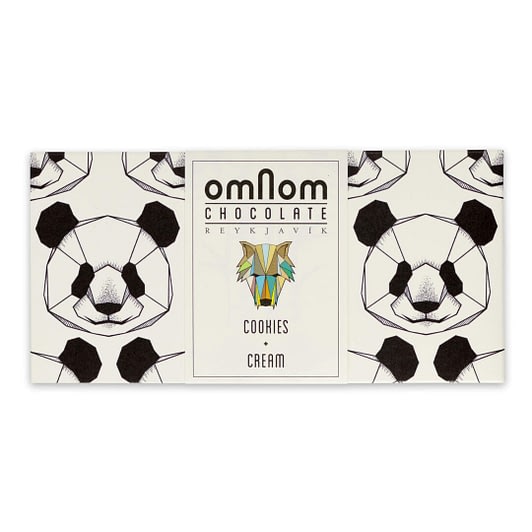
Although they are not technically a bread or pastry, cookies are still baked, so we’d like to give a nod to Omnom’s ‘cookies and cream’ white bar here:
-
 Omnom – Cookies & Cream£8.95
(Almost) everyone knows what a ‘cookie’ is, even if they may dispute the use of the word, preferring to ask for a biscuit. And yet again their origins are much disputed; here are a few of the leading claims (and the opening of the “cookie” vs “biscuit” hornet’s nest!):
- One theory suggests that cookies were first invented in Persia (modern-day Iran) in the 7th century CE. According to this theory, the Persians baked small, sweet cakes called ‘kushk’ that were flavoured with rosewater and cardamom. These cakes were later adapted by Arab traders and brought to Europe during the Middle Ages.
- Another theory suggests that cookies were first popularised in Europe during the 16th century by Dutch bakers. According to this theory, Dutch bakers created a type of cookie called ‘koekje’ that was made with butter, sugar, and eggs. These cookies were later brought to the Americas by Dutch settlers and became popular across the continent.
- English Bakers also claim to have invented cookies in the 17th century. According to this theory, English bakers created a type of cookie called ‘jumbles’ that were made with flour, sugar, and spices (jumbles themselves are disputed; for example Gervase Markham in his ‘English Hus-Wife’ of 1615 lists multiple recipes). These cookies were often shaped into knots or twists, and served at court. The advent of industrialisation and cheap access to sugar then saw a ‘golden age’ of English cookie (biscuit) creativity that continues to this day.
… Although some people use the terms biscuits and cookies interchangeably, technically there is an argument that they are distinct. “Biscuit” comes from the Italian “biscotti” (i.e. “twice cooked”; bis (twice) and cotto (cooked)). And the term biscotti is thought to derive from the Latin “bis coctum”, with records of second-century Roman bakers baking unleavened, hard, thin wafers, which had a low water content and were stored for months on end (Christopher Columbus relied on them in his voyages). Gradually eggs, sugar, rosewater, vanilla, chocolate, and much else have been added to these biscuits, blurring the lines between biscuits and cookies.
Next week we’ll be covering the even more controversial topic of how chocolate is combined into everything from the French ‘gouter’ to Dutch ‘sprinkers’, venture a view on the history of brownies, and untangle the mysteries of gianduja spreads.
In the interim, please enjoy the above selection, and please try our selection of five bakery inspired bars:
-
The Bakery Collection£31.95
Keep savouring!
Spencer
p.s. Hopefully you enjoyed Eurovision last night! And whilst it’s too late now to vote in the actual competition, you’ve still time to vote in our ‘chocolate Eurovision competition’, and to purchase the box curated by Annalisa Barbieri.