The Mysterious Absence of German Craft Chocolate Makers
Continuing our theme of baking, pastries, and craft chocolate, this week we’re exploring the somewhat...
Print / PDFContinuing our theme of baking, pastries, and craft chocolate, this week we’re exploring the somewhat...
Print / PDFContinuing our theme of baking, pastries, and craft chocolate, this week we’re exploring the somewhat convoluted links between St Anthony’s Fire, mad medieval dance crazes, beer purity laws, German craftsmanship, and why you often need a pastry qualification to make craft chocolate in Germany.
-
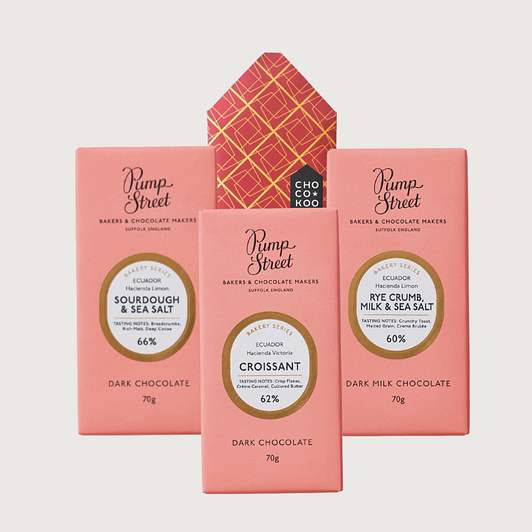
 The Bakery Collection£31.95
German Craftsmanship
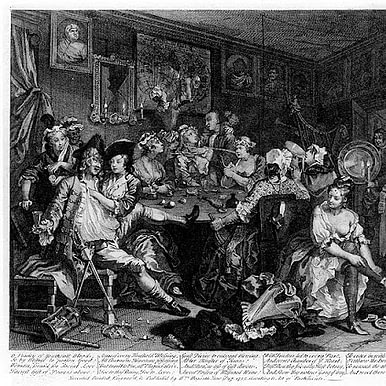
German engineering and craftsmanship is world-renowned. Think of their cars and motorways. Or think of their extraordinary regulations, the Reinheitsgebot, that protect the purity of the ingredients that go into German beer. These Reinhetsgebot date back to 1516 in Bavaria, and spread throughout Germany with all sorts of regional variations. Not only did these Reinhetsgebot regulations ensure that German beer was of the highest quality, but they also prevented ergot poison infecting the beer (ergot is a form of cereal rot that is now blamed for the mad dancing of the middle ages, aka St Anthony’s Fire).
German Craft Chocolate Makers
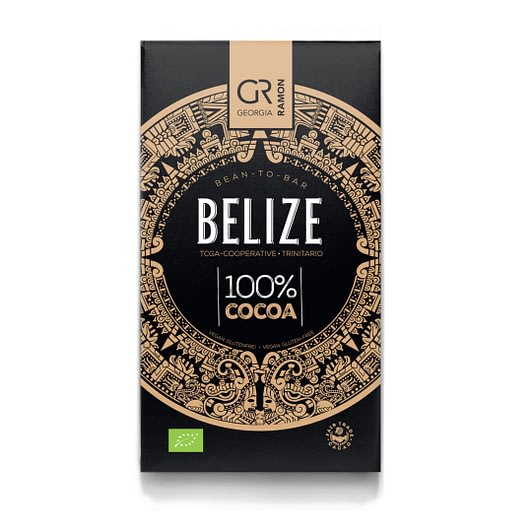
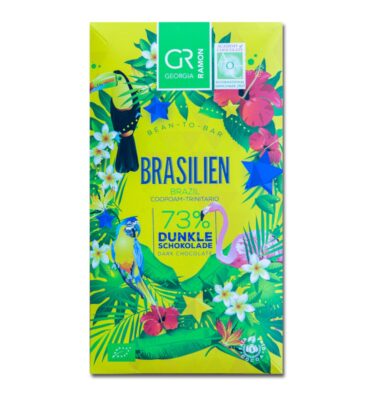
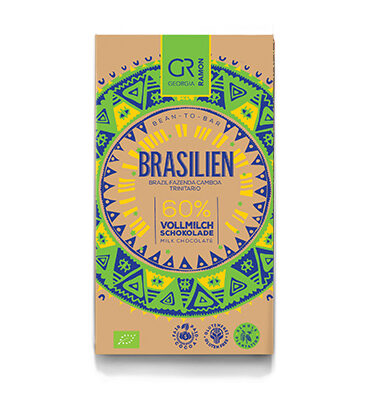
It may seem unrelated, but this German passion for craftsmanship may also explain why, until now, there have been very few ‘full-time’ German craft chocolate makers. These German craft chocolate makers; Phillip Butzman of Georgia Ramon and Peggy and Patrick Walter of Choco Del Sol are OUTSTANDING. But in comparison to other European countries, there are remarkably few dedicated craft chocolate makers in Germany.
We know of over fifty craft chocolate makers here in the UK, and even more in France. And yet in Germany we know of less than a handful. At the same time, a number of German pastry chefs, who’ve qualified as ‘Konditormeister’ or ‘Konditormeisterin’, do also make their own chocolate for their baked goods.
And it turns out that the regulations protecting German beer drinkers from ‘mad dancing’ and ergot poisoning have indirectly made it a challenge for German craft chocolate makers to set up shop without a pastry (or other food or drink) qualification, whilst also encouraging German bakers to dabble in chocolate making.
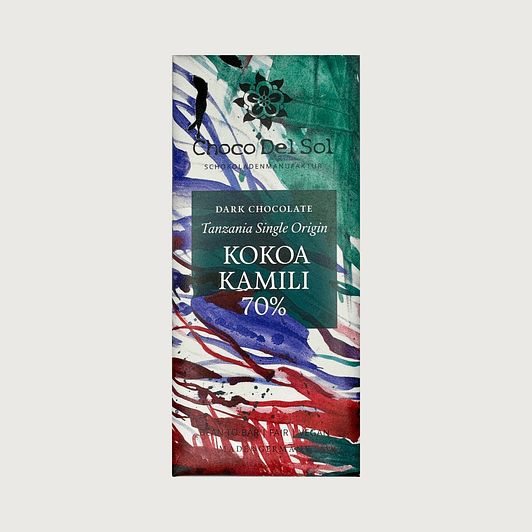
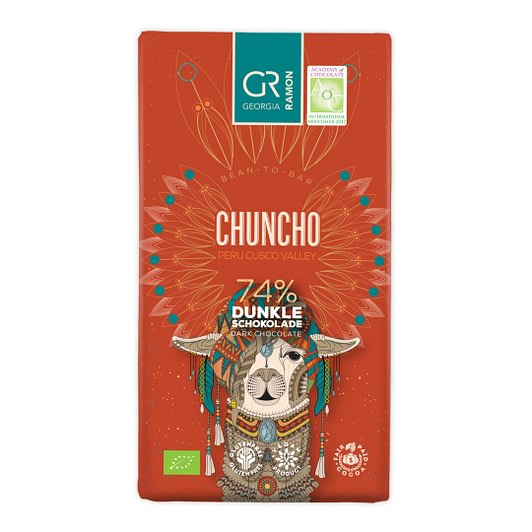
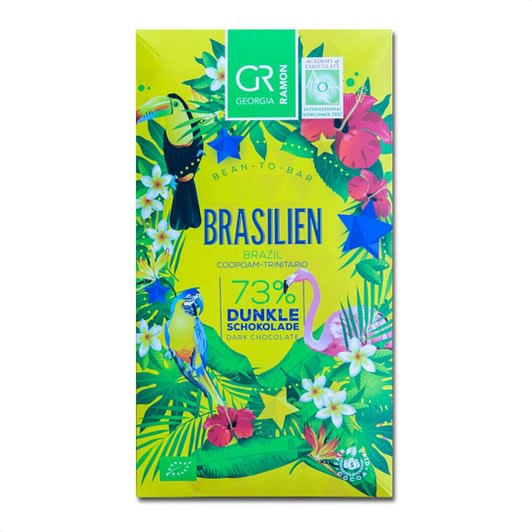
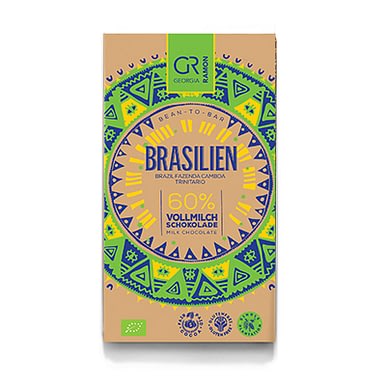
Check out the most popular dark bars in our library, made by our German makers:
The German Guild and Craft System Today
Germany is renowned for respecting vocational and craft training, seeing it as a professional pathway on par with any academic qualifications. Indeed, the German educational system’s qualifications framework places a ‘Meisterbrief’ on par with a bachelor’s degree. To attain a Meisterbrief certification, individuals undertake theoretical and practical training in the specific craft, as well as business and legal education. And to become a Meisterbrief involves first becoming an apprentice (‘Lehrling’) and then a journeyman (‘Geselle’) which has its own exam; the ‘Gesellenprüfung’. Once the Gesellenprüfung is passed, candidates can embark on another set of exams; the Meisterprüfung (master craftsman’s examination). And this process can take anywhere from 1 to 4 years; so it’s a major commitment.
For food-related trades and crafts like ice cream AND CHOCOLATE to become licensed in Germany, each German Lander (i.e. province; think Saxony, Bavaria, etc.) requires that companies employ and/or are run by people with specific academic and/or ‘Meister’ qualifications (in addition to HAACP and other EU food safety regulations). The exact nature of these requirements differs between the different German Lander. But they are all very rigorous and extensive, and take great pride in their long history.
In most German Lander, chocolate (and ice cream) licensing falls under the pastry Meisterbrief (Konditormeister or Konditormeisterin). And that’s one reason why many German bakers are so focused on the quality of the chocolate in their pastries. But it also helps explain the low number of German craft chocolate makers.
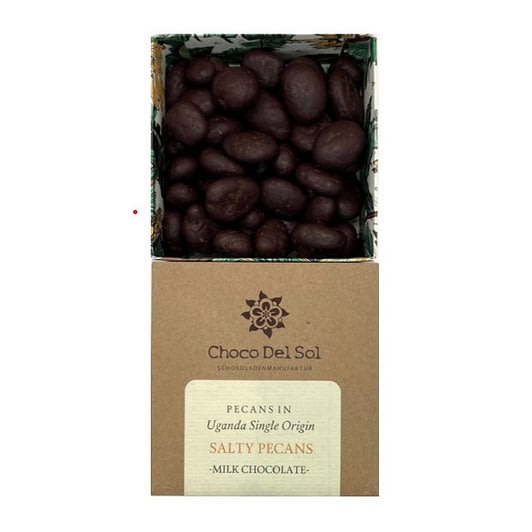
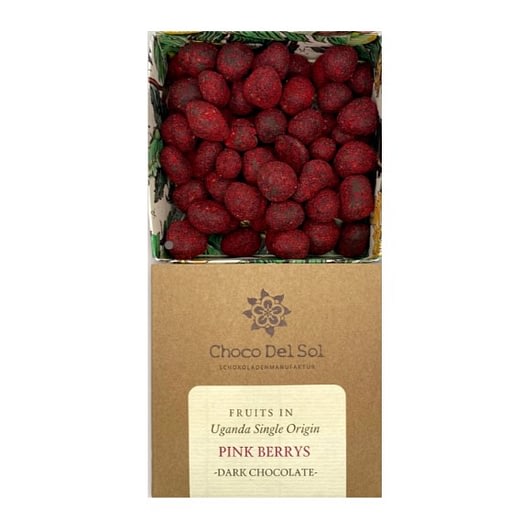
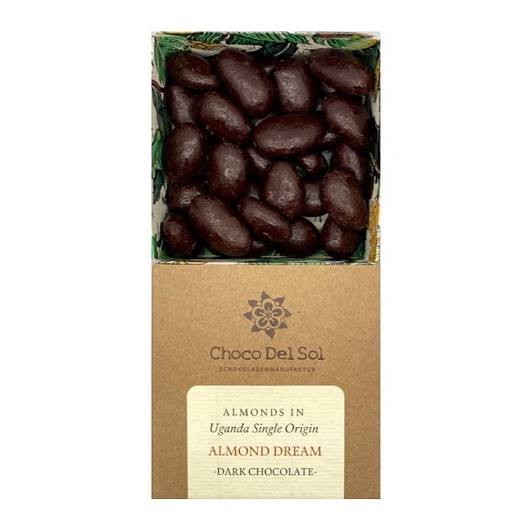
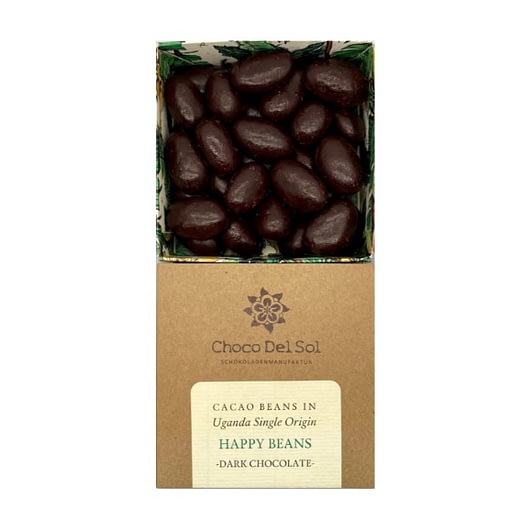
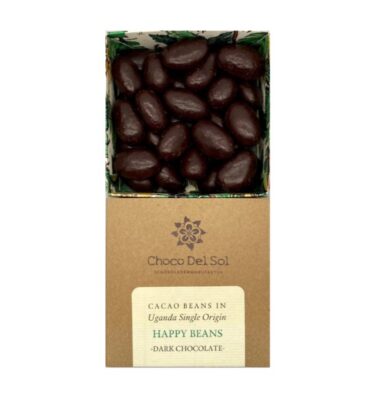
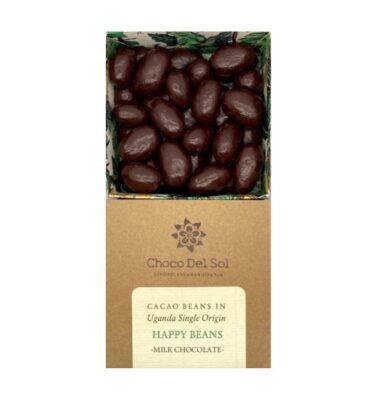
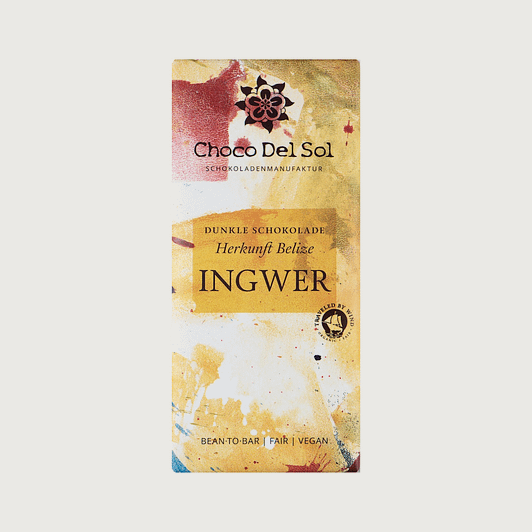
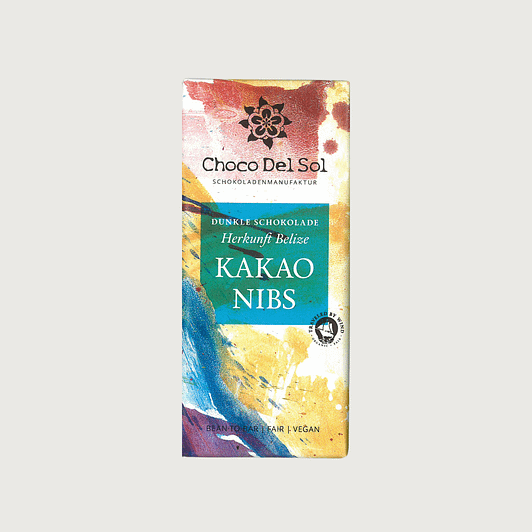
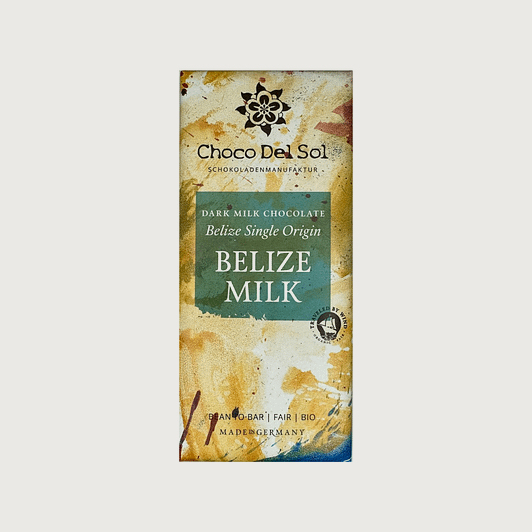
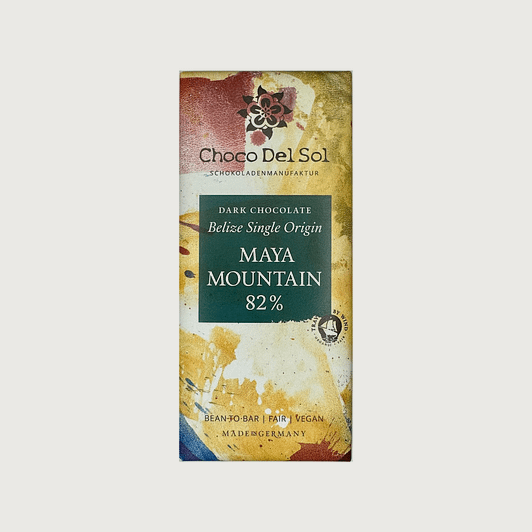
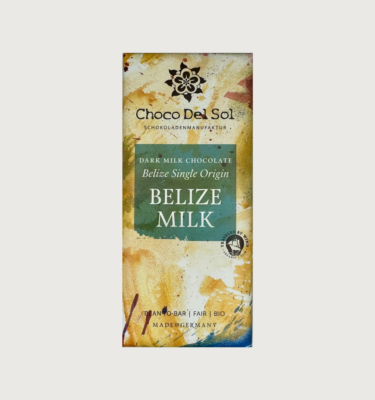
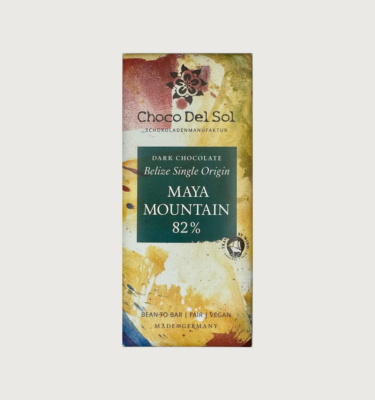
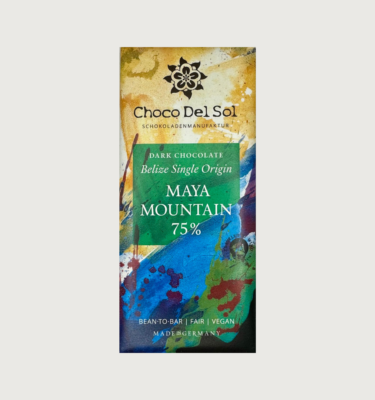
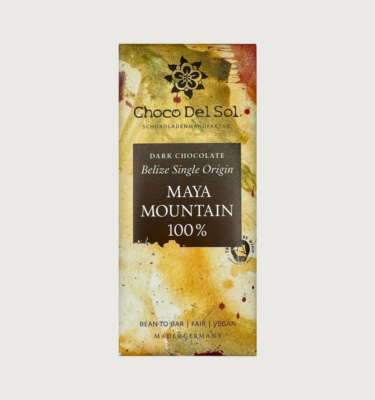
Sample the craftsmanship of these craft chocolate creations from Choco Del Sol: Using ingenuity and technical expertise to craft delectable nibbles:
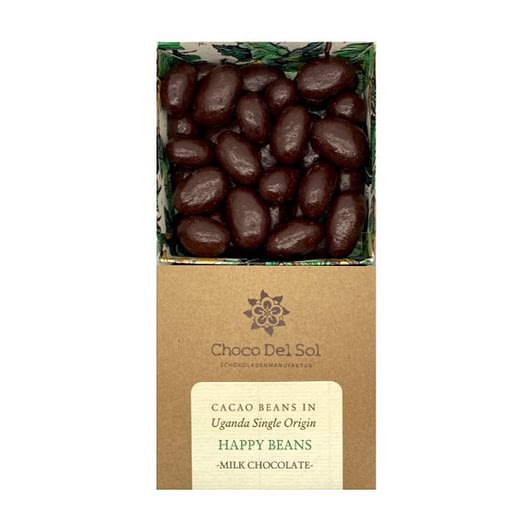
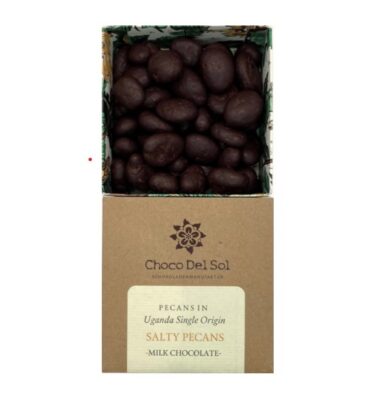
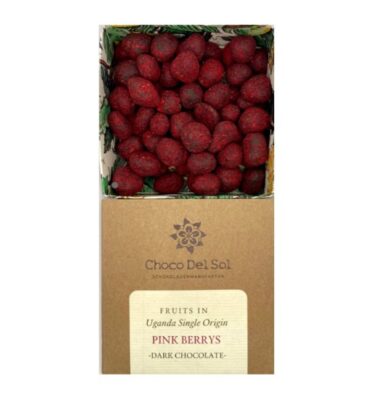
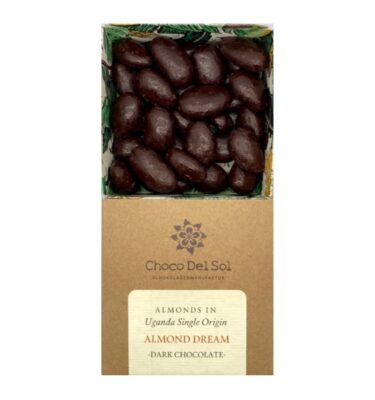
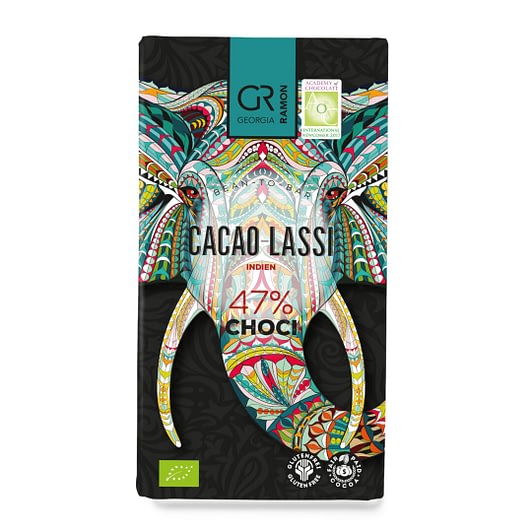
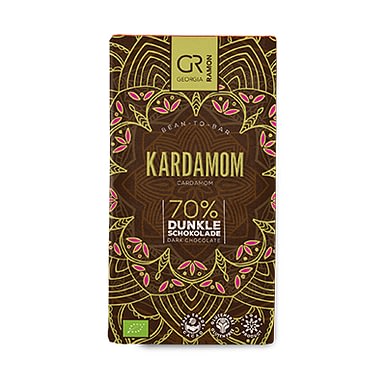
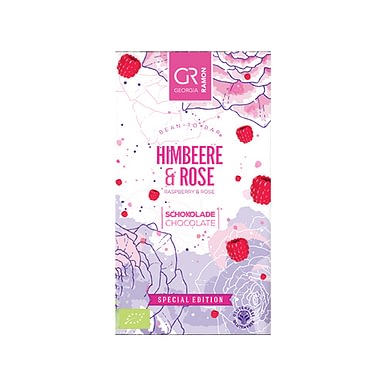
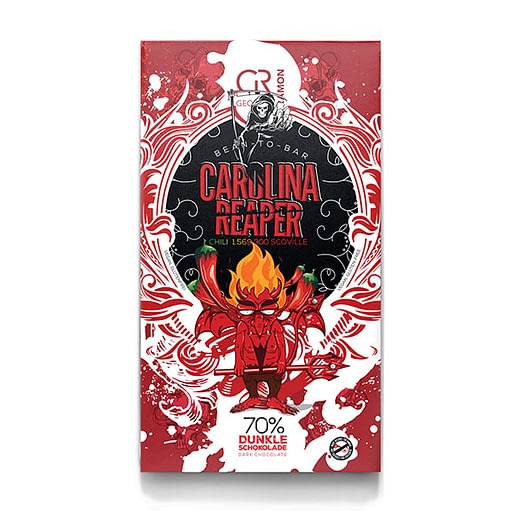
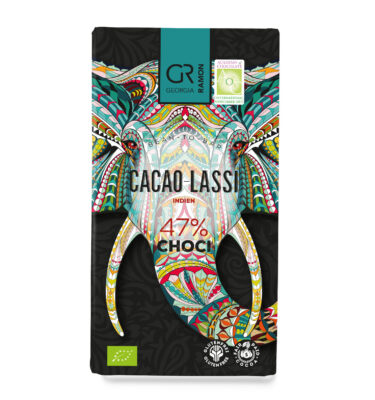
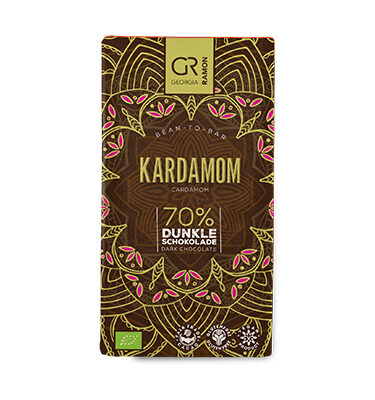
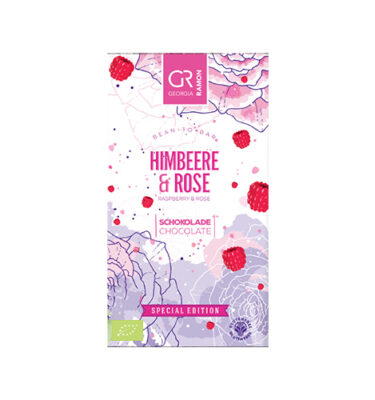
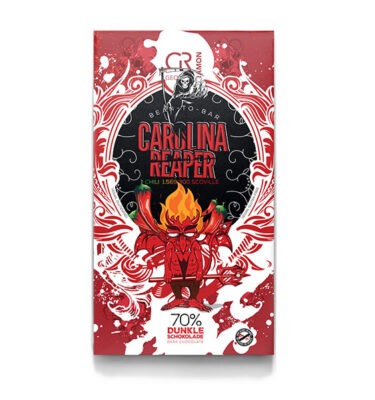
And explore how Georgia Ramon embeds excellent flavours into some bars with the engineering expertise of a German craftsperson:
A Comparison of the UK and German Craft Chocolate Markets
The range of UK craft chocolate makers’ backgrounds is breathtaking. We’ve makers with backgrounds from Formula 1 auto engineering (Duffy of Duffy’s) to graphic design and PR (Lara and Cam of Bare Bones), from music DJ (Pablo of Forever Cacao) to Broadcasting (Phil Land of Land), or from teaching (Deana of Tosier) to psychotherapy (Oenone from Cocoa Retreat). There are also many UK craft chocolate makers who come from a culinary/chef background; for example, Mike Longman of Chocolarder, Remy Kuijken of Table Chocolate, or Chris Brennan of Pump Street as a baker (and also software engineer).
The transformation of these makers from earlier careers into craft chocolate involved an awful lot of hard work, but, as far as we know, didn’t involve them having to join the modern-day equivalent of a medieval guild, and pass a variety of practical and theoretical courses. And that may explain one reason why the UK craft chocolate scene bubbles so deliciously with more and more new makers popping up.
In Germany it’s very different. We’re fortunate that George Bernadini (founder of Georgia Ramon) and Philip Butzman (new MD of Georgia Ramon) have backgrounds in culinary science (Philip has a bachelor’s degree (BSc Food Technology) and is also a journeyman in pastry. And this enabled them, with relative ease, to become licensed to craft chocolate bars and launch Georgia Ramon.
Peggy and Patrick of Choco Del Sol, as well as being huge Brompton bicycle fans and running Eurobean, have intriguing backgrounds in scuba diving, hair design, and international travel. But even though Peggy has a Meister qualification, it isn’t in food; so Patrick ‘apprenticed’ in coffee roasting to launch Choco Del Sol (and even with this, they still aren’t, under the regulations of Saxony, allowed to formally apprentice staff in chocolate making).
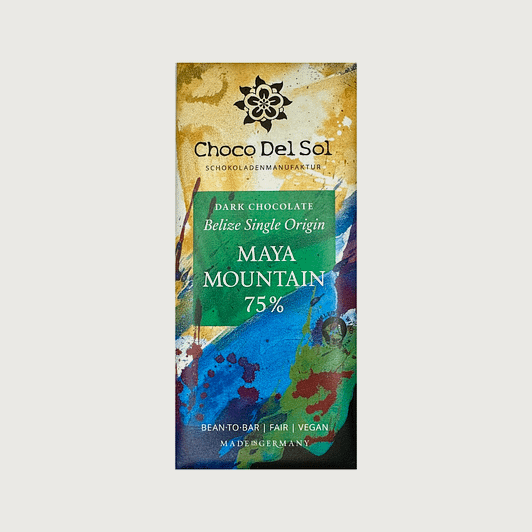
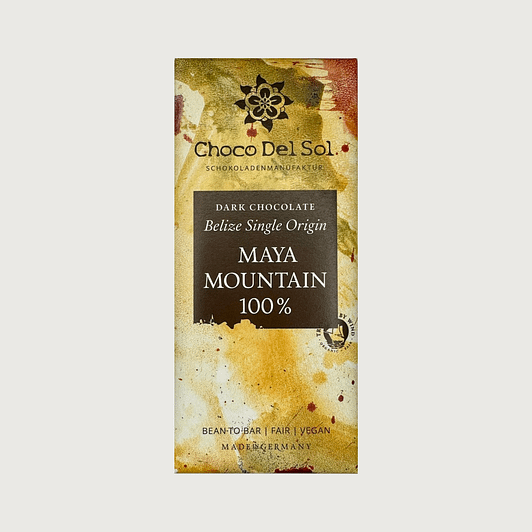
-
 Choco Del Sol – Maya Mountain, Dark 82% with Ginger£9.95
 -
Choco Del Sol – Maya Mountain, Belize, Dark 75% with Trinitario Nibs£9.95
-
Choco Del Sol – Maya Mountain, Belize, Dark Milk 55%£9.95
-
Choco Del Sol – Maya Mountain, Belize, Dark 82%£9.95
-
Choco Del Sol – Maya Mountain, Belize Dark 75%£9.95
-
Choco Del Sol – Maya Mountain, Belize, Dark 100%£9.95
Both craft wonderful bars and treats. And as you savour them, ponder on the unexpected ways that history and regulation have impacted the development of craft chocolate in different parts of Europe.
Keep savouring!
Spencer