Meet AWKI!
A brand new maker, and chance to talk about sugar This week we are DELIGHTED...
Print / PDFA brand new maker, and chance to talk about sugar This week we are DELIGHTED...
Print / PDFA brand new maker, and chance to talk about sugar
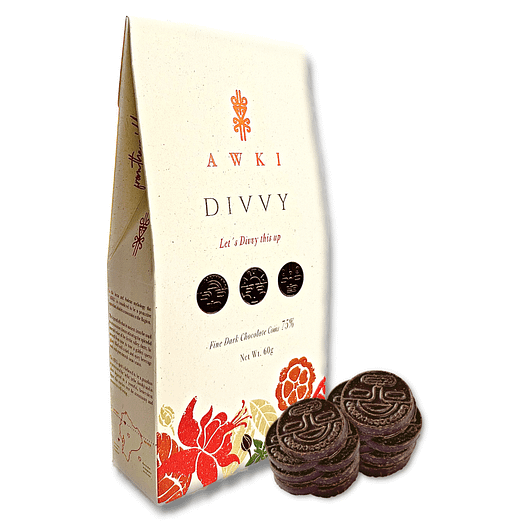
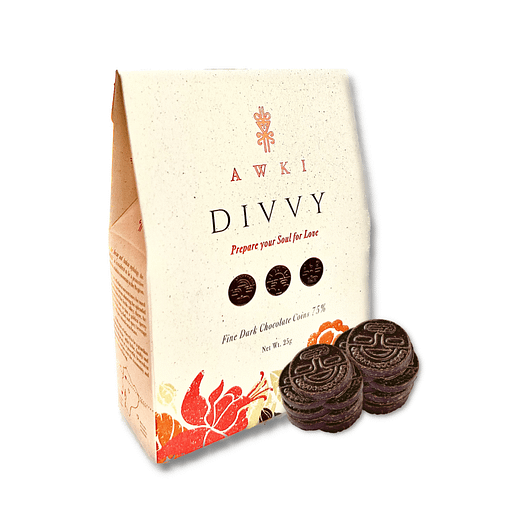
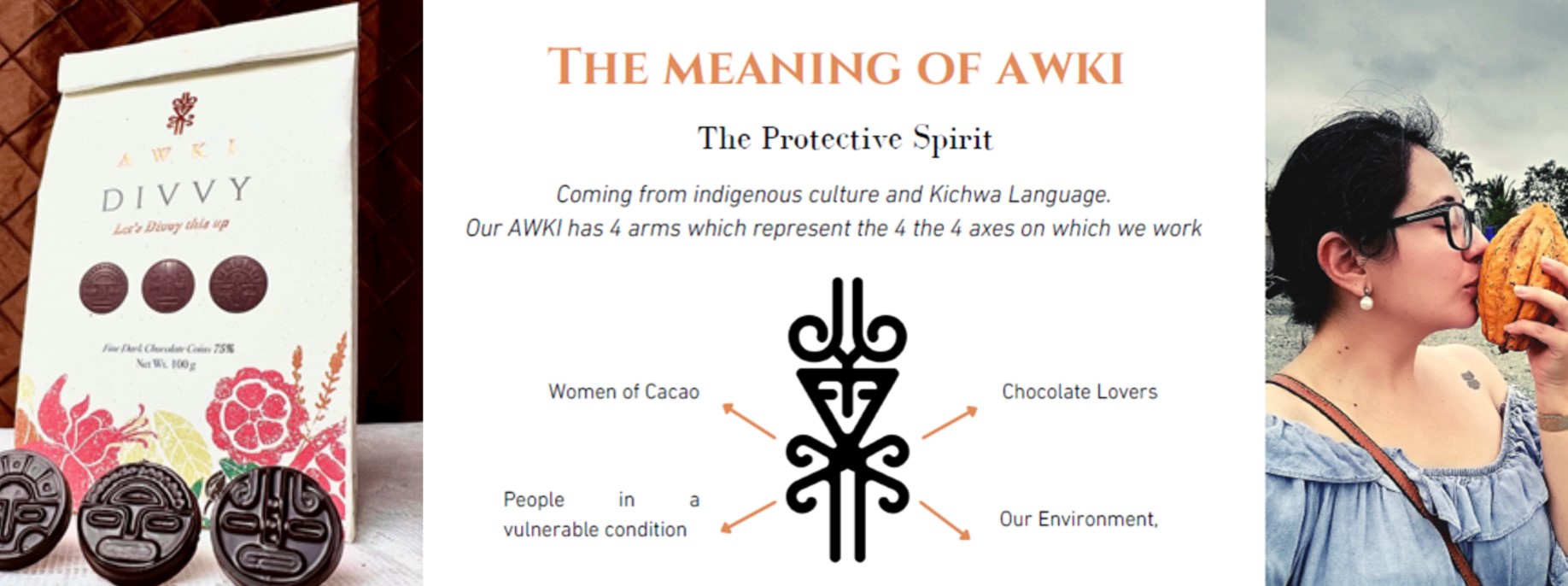
This week we are DELIGHTED to launch AWKI, a new Ecuadorian craft chocolate maker. AWKI is the creation of Nathalia, Daniel and Aziz, and not only have they moved “beyond the bar” but they’ve also broken the mould in their use of sweeteners. They designed their craft chocolate to be “divvied up” and shared, so instead of bars it comes in small coins that they call “divvy”. And for some of their divvys, they use dried cocoa pulp as their source of sugar.
Comparing these pure cocoa 75% chocolate divvys to their standard 75% divvys crafted with (flavourless) refined sugar is a great reminder of the magic in a cocoa pod. When you open a cocoa pod, you are confronted by a fleshy, gooey sweet pulp that surrounds incredibly bitter and astringent cocoa seeds. And these unappetising cocoa seeds are, via the magic of fermentation, transformed into cocoa beans packed with all the flavours we’ve come to love in craft chocolate. And these cocoa pulp sweetened “purity divvys” combine the nutty, woody and earthy notes of AWKI’s beans with the tropical fruit sweetness of cocoa pulp.
Unlike mass-market confectionery which uses sugar to engineer scoffing and addiction via abusing our taste buds, craft chocolate makers use traceable refined sugar, which has no flavours or aromas, to reveal and uncover the myriads of flavours within a cocoa bean. The sugar acts like a pinch of salt on a main course, bringing out the flavour. Or to quote Brillat Savarin writing over 100 years ago:
“The centuries last passed have also given the taste important extension; the discovery of sugar, and its different preparations… have given us flavors hitherto unknown“.
For craft chocolate makers, adding a pinch of sugar is NOT about sweetness. It’s about bringing out the flavours in the fermented cocoa beans. This means that the amount of sugar you consume when you savour craft chocolate is relatively low; for example, a 60g bar of 70% chocolate total contains around 3 teaspoons of sugar, so if you have 2-3, or even 4-5 squares, this is less than a teaspoon of sugar, versus the 5 or more in a small low-fat vanilla yoghurt, or the 9 plus teaspoons in a ‘“’regular’”’ 330 ml can of Coca-Cola.
Sugar in milk and white chocolates: The miracle of caramelisation
Sugar has another trick up its sleeve that craft chocolate makers often use in milk and white chocolate; caramelisation.
When sugar is heated to temperatures exceeding 150˚C/300˚F, it undergoes an irreversible, simultaneous change of chemical composition and physical structure. It caramelises, generating a completely new set of flavours. Refined sugar is just sweet; it has no flavour; so that’s why when you add it to tea, coffee or even hot chocolate it just sweetens the drink. It won’t make your tea/coffee etc. taste “caramelly” (even boiling water is only 100˚C, so the sugar doesn’t caramelise).
Caramelised, cooked sugar has flavours that humans LOVE; think dolce de latte, creme caramel, fudge, etc. Craft chocolate makers use caramelisation to create whole new waves of flavour in milk and white chocolate by adding dried milk powder (and sugar) early in the conching process.
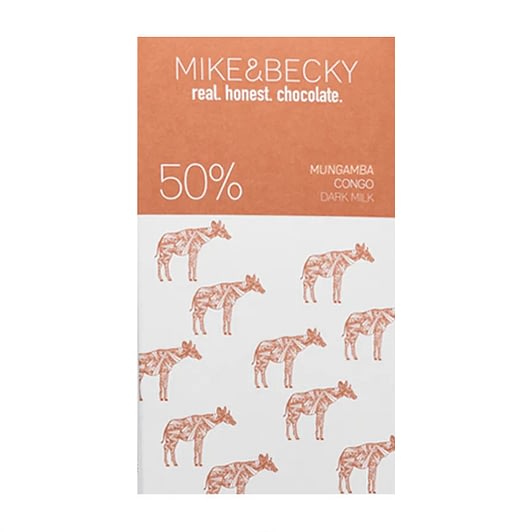
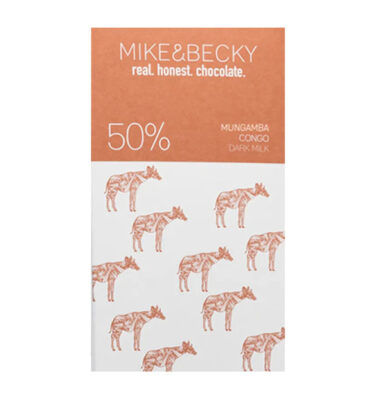
Take for example the way that Julia and Bjorn of Mike & Becky have coaxed a wonderful flavour journey in their 50% dark milk Mungamba Congo chocolate bar. As Bjorn explains it, they deliberately add the milk powder and sugar early in the conching process to caramelise them and bring out these flavours and the beans’ fruitiness in the bar:
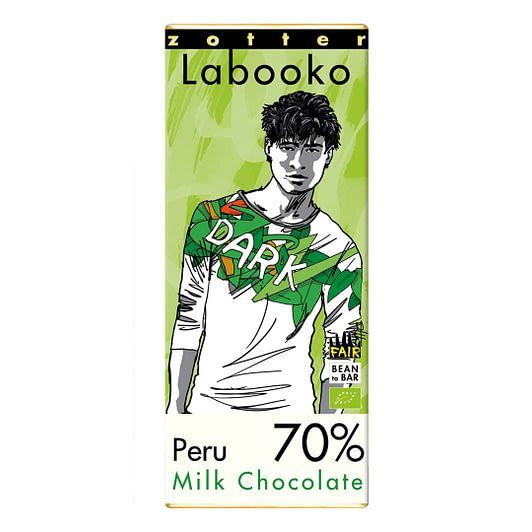
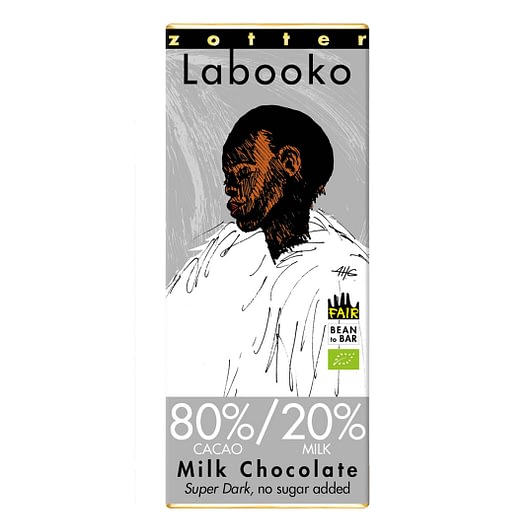
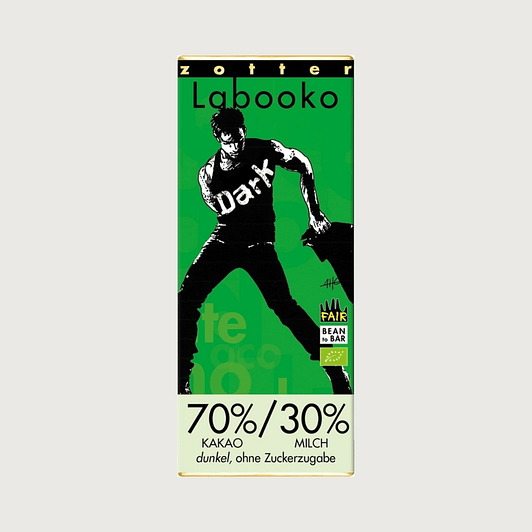
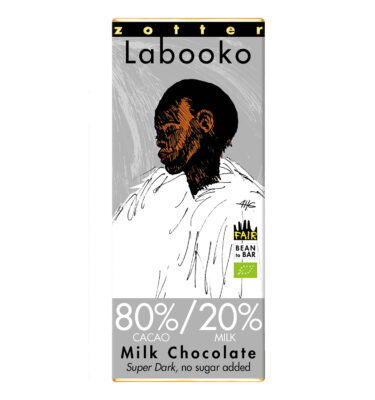
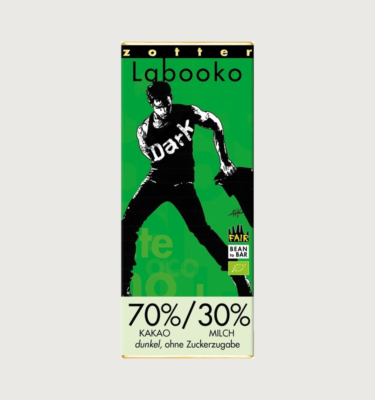
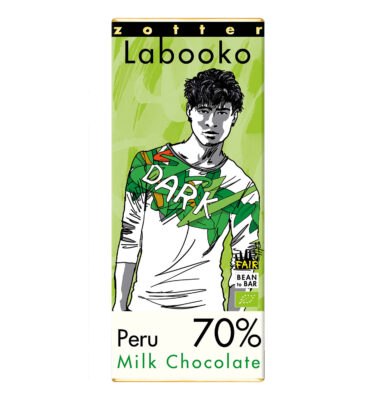
Or if you want to go one step further, try the 70% or 80% dark milk Pangoa Peruvian chocolate from Zotter. Again, prepare to be delighted by the caramelly notes of these bars alongside the fruitiness of the Pangoa beans:
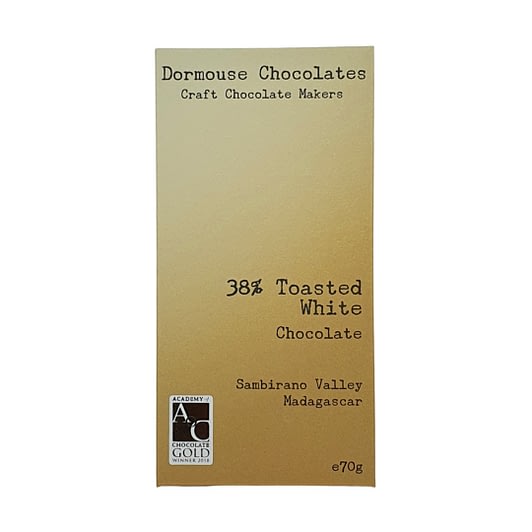
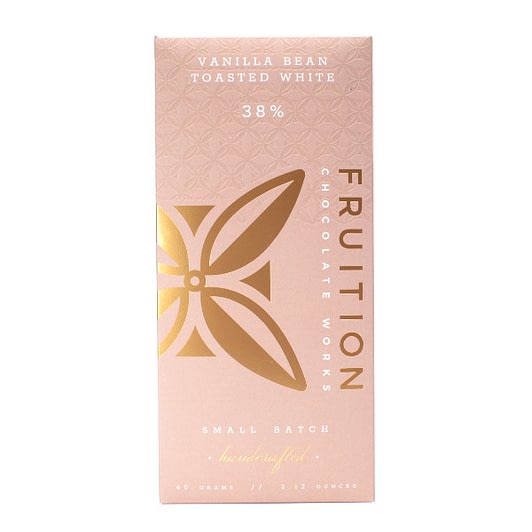
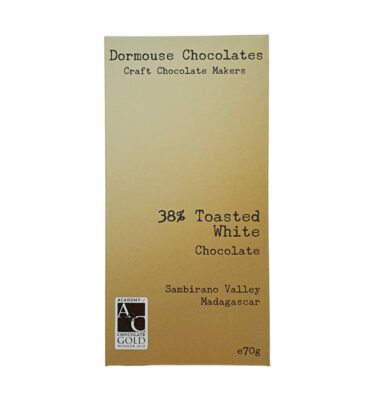
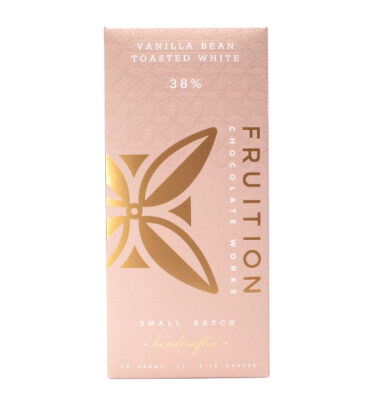
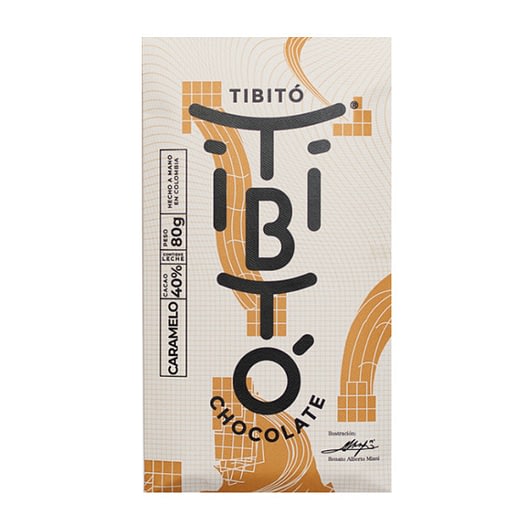
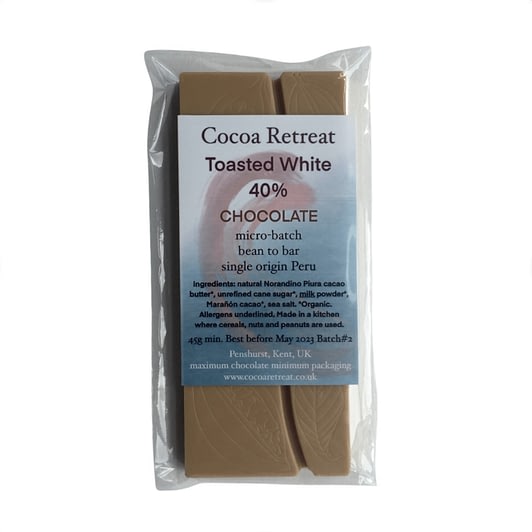
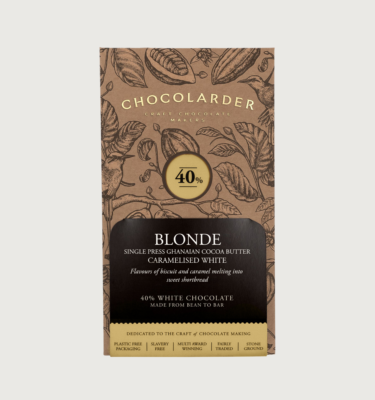
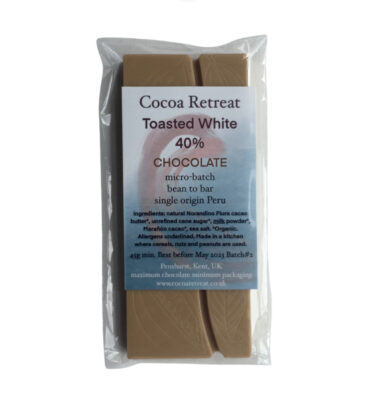
And the same can be done for white chocolate, as with these toasted whites from Fruition and Dormouse:
The dark side of sugar
Sugar, however, has a dark side. Over the last decades, historians have peeled back the dark history of sugar and its links to slavery and abuse. At the same time, nutritional scientists have also increasingly warned how abuse of sugar has led to the current junk food and obesity epidemic.
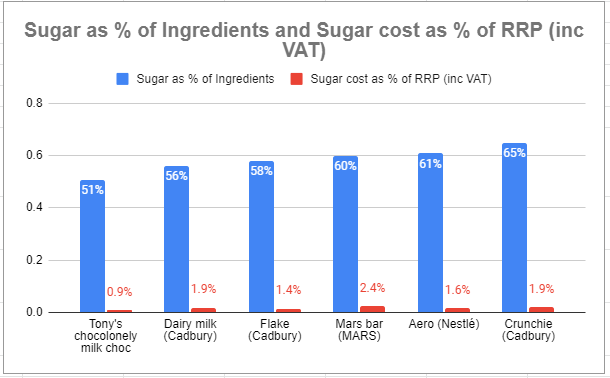
Mass-produced confectionery and ultra-processed chocolate continue these abuses with sugar and their concoctions. Sugar makes up over 50% of the ingredients of many (most?) mass market confectionery bars from Tony’s to Mars bars and Crunchies to Kit Kat. These bars are designed to be scoffed, so most of us will finish a full bar in a single go, consuming amounts of sugar on a par with fizzy drinks. And as the cost of this sugar is less than 2% of the retail price, sugar makes mass market confectionery makers’ bottom lines boom.
Using sugar to savour? Or abusing sugar to scoff?
It’s worth trying to unpack and explain how on the one hand craft chocolate can use a little sugar to encourage savouring, whilst on the other hand mass-produced confectionery increasingly relies on sugar to encourage scoffing AND grow their bottom lines (and other bottoms too!).
Of all the tastes (sweet, sour, salty, bitter, umami, fattiness), none act as fast as sugar; 3/50ths of a second. And none are as addictive, especially when combined with salt, fat and some texture to create the ‘bliss point‘.
In comparison, flavour takes 3-5 seconds to melt and be recognised by your olfactory senses (aka your sense of smell), and then another 5-30+ seconds to develop further nuances. So whereas you want to scoff sweets (and other bliss point confections), you need to savour flavour; and a little sugar helps bring out flavour.
Sugar is also key to producing cheap confectionery. In and of itself, sugar is cheap; less than 20% of the cost of cocoa. It also enables the ‘commoditization’ of cocoa. To create an ultra-processed mass market chocolate bar, you don’t need flavourful beans. ‘Big chocolate’ creates bliss point scoffable tastes in their factory with commodity ingredients bought for the lowest possible price (including cocoa).
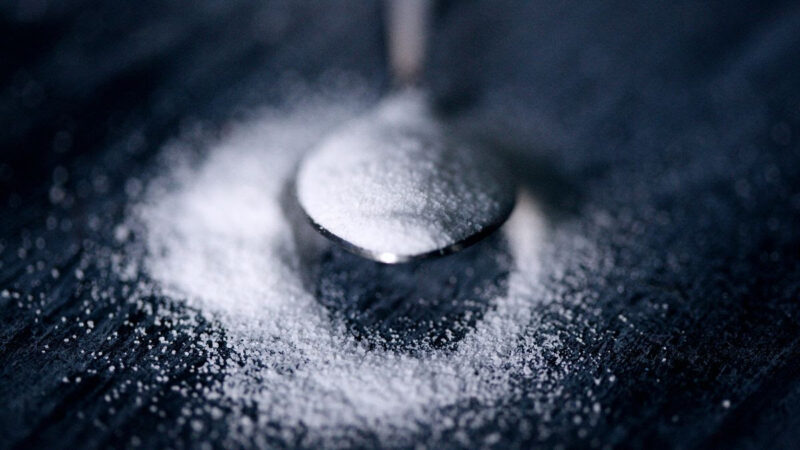
Adding sugar has even more benefits above and beyond cost and addictiveness, which explains why big chocolate (and ultra-processed foods in general) are fighting so hard against sugar taxes.
- Sugar helps extend shelf life because of its ‘hygroscopic’ properties (as sugar is very effective at absorbing, and retaining, moisture). By binding to the water molecules in the chocolate and confectionery, the options for microbial growth are reduced, effectively extending shelf life.
- Sugar also adds bulk and structure, improving mouthfeel and texture. Sugar can be blended into all sorts of products to create smoothness and consistency. That’s why a low fat yoghurt has 5+ teaspoons of sugar; the sugar is replacing the mouthfeel of the fat. And in mass-produced chocolate, the sugar’s mouthfeel can cover up all sorts of other faults from using ultra-processed commodity ingredients.
- In a similar vein, sugar also inhibits the crystallisation of cocoa butter, preventing the formation of unpleasant graininess. This ‘graininess’ and crystallisation of cocoa butter is far more likely to occur when lots of emulsifiers and lecithins like PGPR are added to chocolate. So sugar’s ability to counteract this problem is particularly key to mass market confectionery (note: some craft chocolate makers do use sunflower lecithin, but none would dream of using e.g., PGPR).
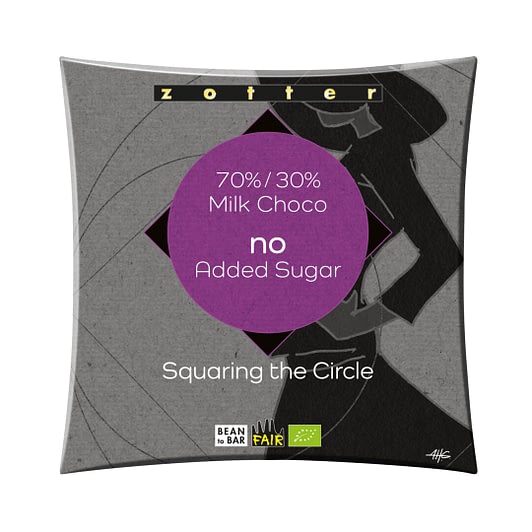
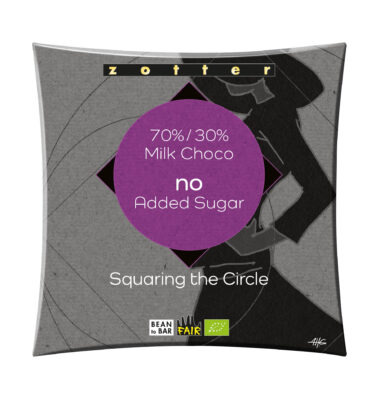
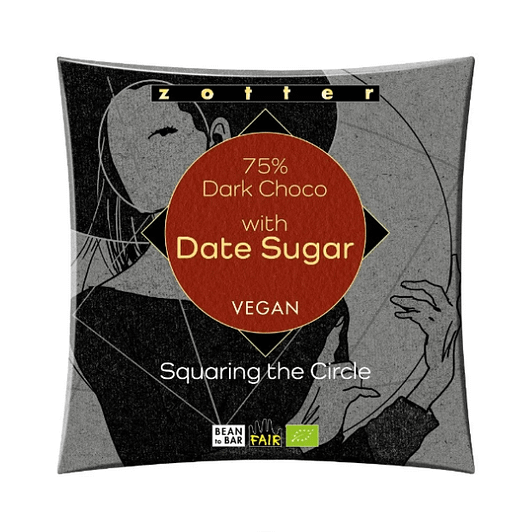
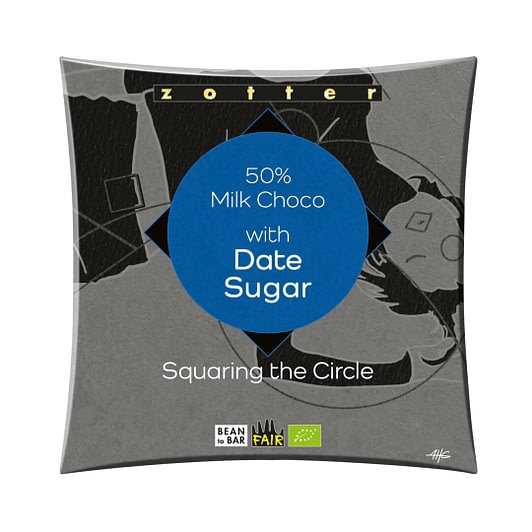
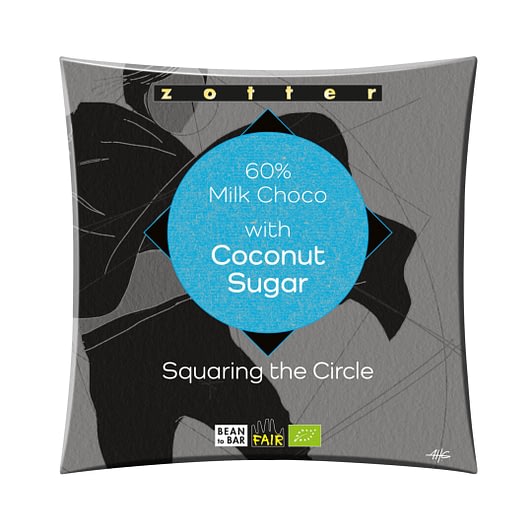
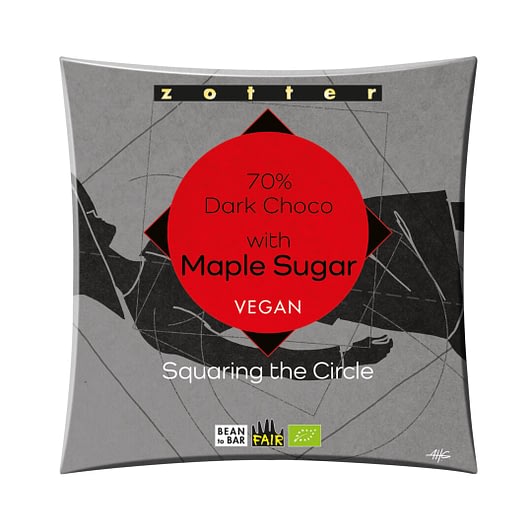
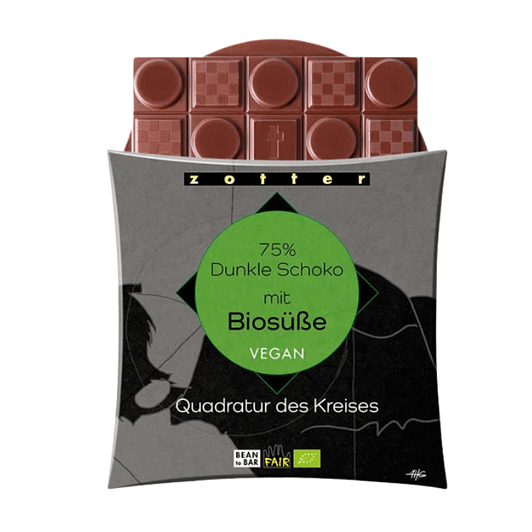
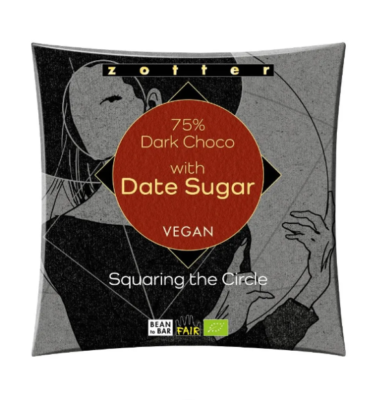
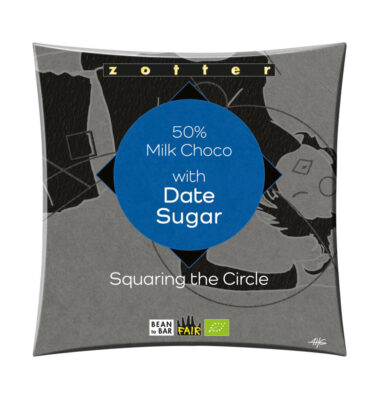
Explore what’s possible with ‘alternative sugars‘ in the “Square the Circle” range from Zotter:
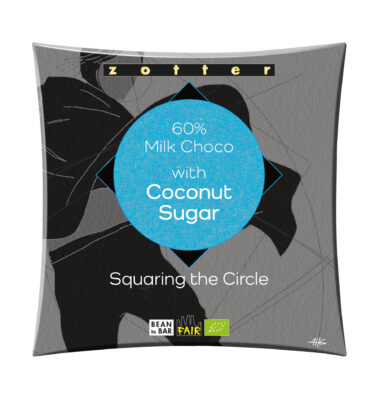
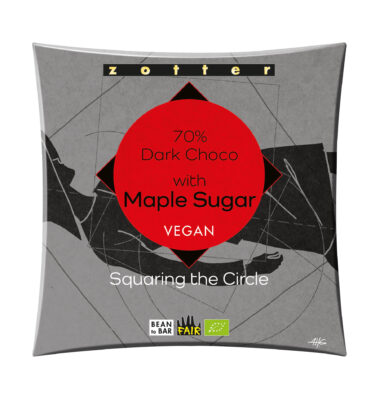
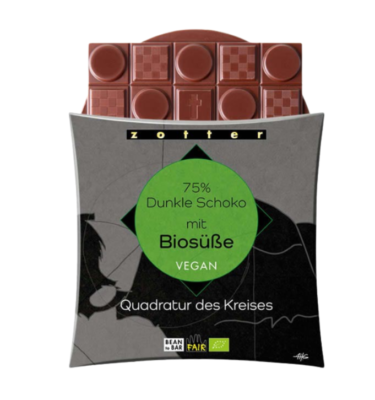
A plea for more taxes
As we’ve written before, we really want a sugar tax. And shame on the current UK government for yet again surreptitiously kicking the can down the road again here. Mass market confectionery is now breathing a sigh of relief with the postponing of this act. Big chocolate, and all ultra-processed food makers, can continue to offer “buy one get one free” on chocolate bars (and fizzy drinks, breakfast cereals, power bars etc.) at checkouts that are laden with sugar, salts and fats for at least another 18 months.
Our government argues that we can’t afford another tax at a time of rampant food inflation.
This is incredibly short sighted. And it misses the point. The profits and low prices of mass market confectionery, and all these ultra-processed foods, come at a massive cost to all of us. The costs of diabetes. The cost of obesity. The cost of commoditizing cocoa and committing millions of African cocoa farmers to a life of poverty where 90% of them earn less than a dollar a day (and their estimated “minimum viable income” is above $2.50, leading to all sorts of issues around child labour).
…But there is some good news
You can still delight in a little sugar. And even a little sugar from cocoa pulp. Just go on a craft chocolate tasting adventure with AWKI. Or try some caramelised milk or white craft chocolates.
Just remember, adding a little sugar helps you savour. But when sugar is the first thing you see on any ingredient list, be wary of scoffing.
Keep savouring!
Spencer
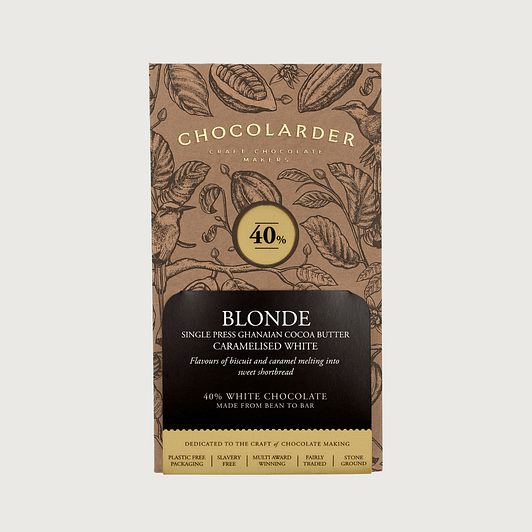
p.s. A reminder that we’ve a special online tasting coming up in August with Mike & Becky, uncovering THE TRUTH behind “Belgian” chocolate, and tasting a selection of exception craft chocolate bars.
Sources and further reading:
https://www.ifst.org/lovefoodlovescience/resources/sugars
https://www.mdpi.com/1420-3049/24/17/3163
https://mlaiskonis.wordpress.com/2014/09/29/maillard-reactions/