Spreads and Sprinkles
Craft chocolate makers’ love affair with breads and other baking delicacies is well known; think...
Print / PDFCraft chocolate makers’ love affair with breads and other baking delicacies is well known; think...
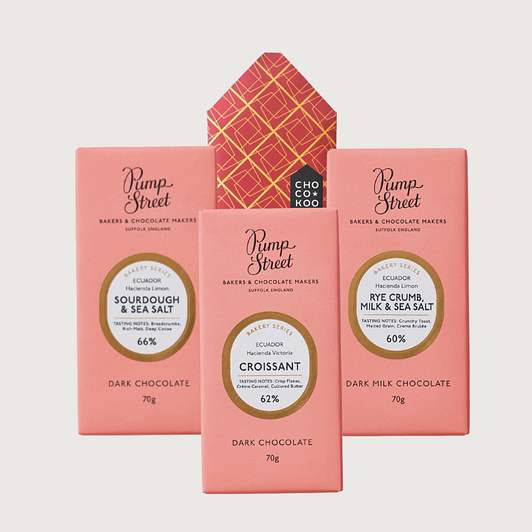
Print / PDFCraft chocolate makers’ love affair with breads and other baking delicacies is well known; think Pump Street and their sourdough, rye bread, Eccles cake bars and more. Or think Puchero and their churros or croissant bars, or Neary Nogs with their soda bread, Feitario do Cacao with their pasteis de nata or even Omnom with their ‘milk and cookies‘bar.
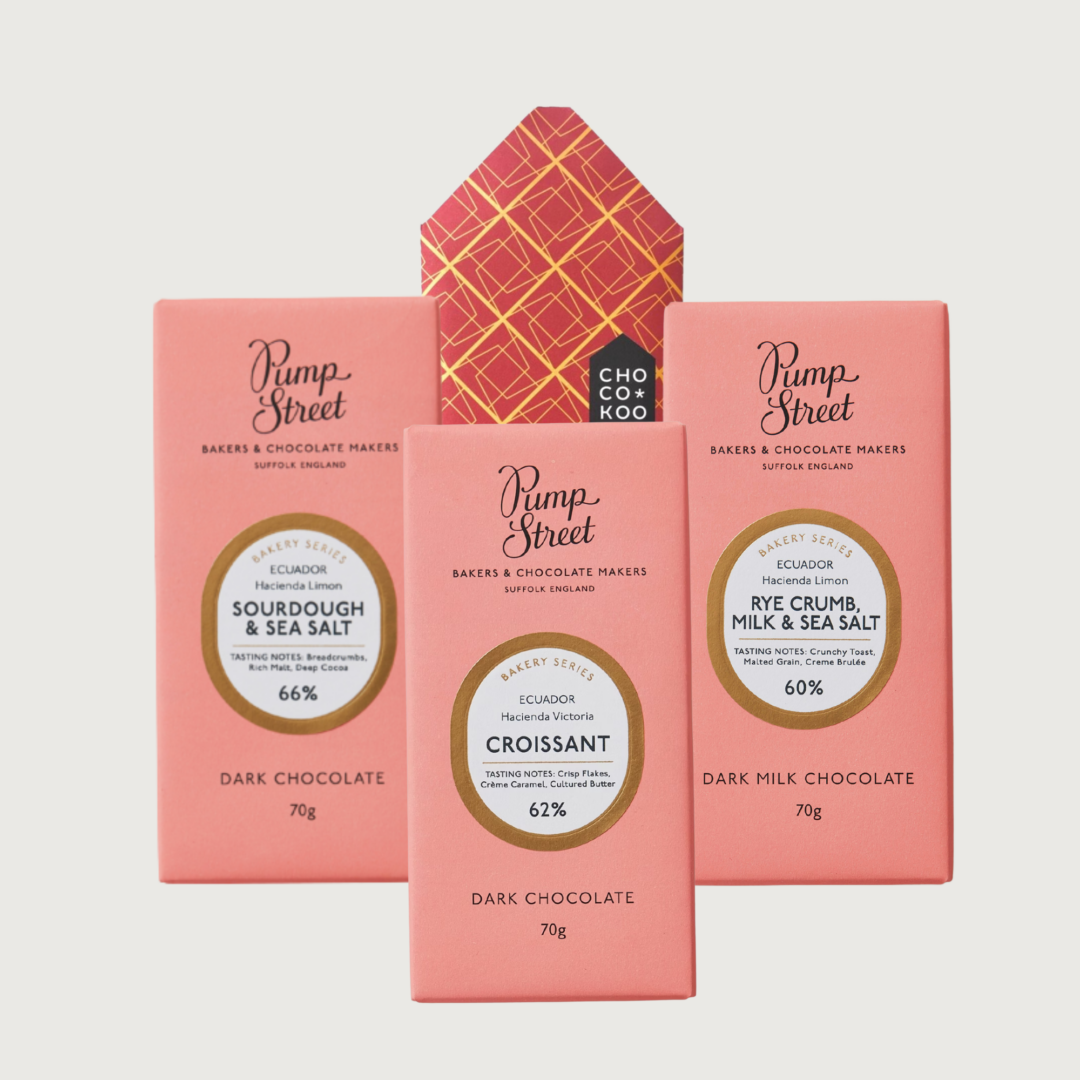
For more on these bars, and the controversial history of croissants, soda bread and other baked treats, please check the last blog post, and sample our special World Baking Day curated box:
-
 The Bakery Collection£31.95
This week we are swapping around; exploring how bakers and pastry chefs use chocolate in their delights. Starting with the French tradition of ‘goûter’ before moving onto the controversial histories of ‘gianduja’ and Nutella. We’ll then finish up with the intriguing Dutch fascination with “chocolate hailstorms” (aka hagelslag) and the Belgian predilection for chocolate “mouse droppings” on their morning toast!
What the French really mean by “Goûter”
s every school child learns, the French verb to taste is “goûter” (with that wonderful circumflex accent). For the French, goûter means much more.
To the French, to goûter is to indulge in a quick snack or light meal in the mid to late afternoon (think ‘tea time’ if you are British). It serves as a bridge between lunch and dinner; a quick and easy means to alleviate any pangs of hunger and provide an energy boost. And traditionally it consisted of a baguette filled with a slab of fine chocolate! We can’t supply the bread, but we definitely can supply some great French bars from Bonnat and Pralus for you to try this at home:
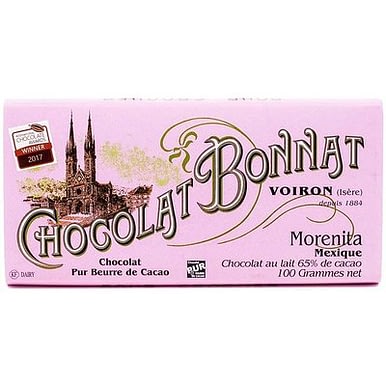
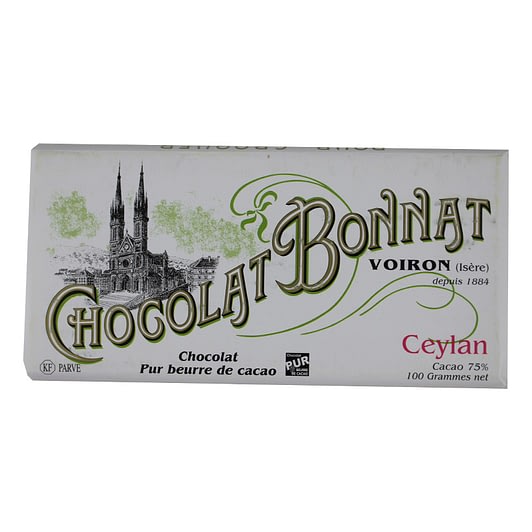
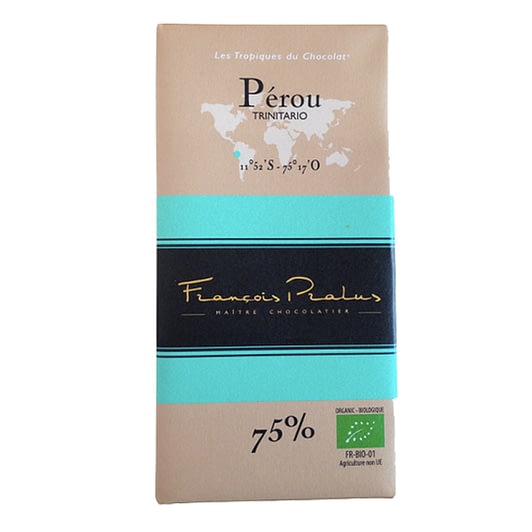
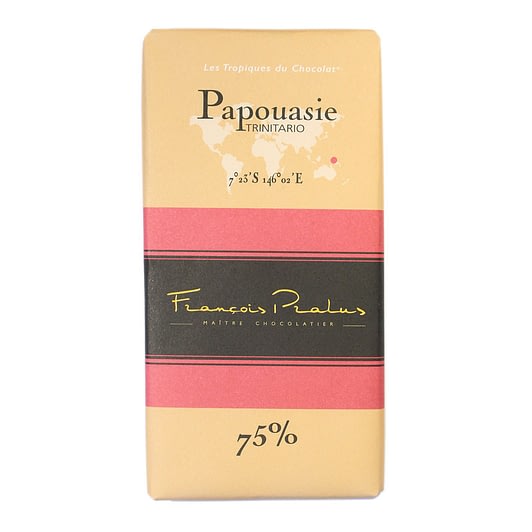
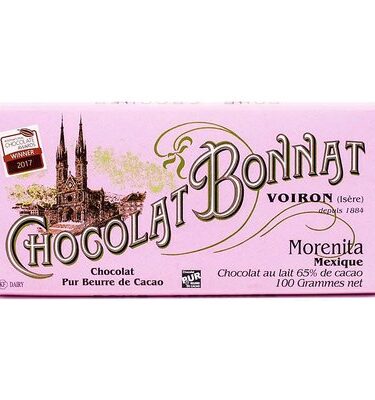
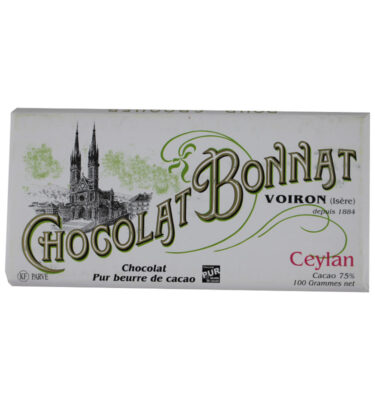
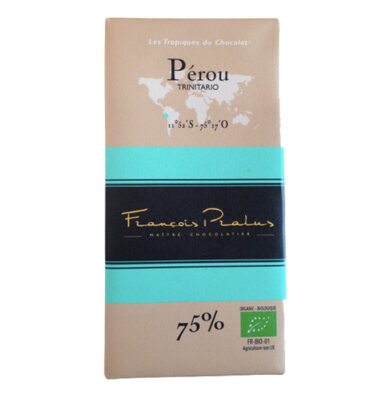
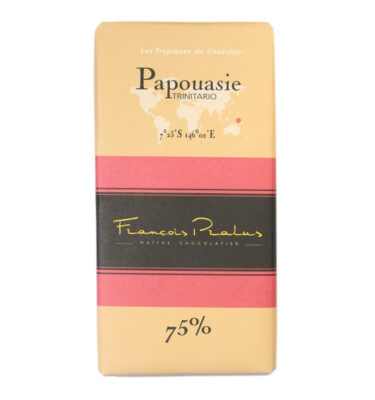
French historians trace the origin of “goûter” back to the 16th century when Catherine de Medici, an Italian noblewoman who married King Henry II of France, introduced the practice of having a small meal between lunch and dinner. This was known as the “coucher de la reine” or “the queen’s goûter”. Gradually it spread to the French population as a whole; especially to hungry children at the end of their school day. To date, it’s not spread internationally, perhaps because other countries have developed traditions like brownies and chocolate digestives (which we will cover in another email), and also because the Italians invented various chocolate spreads, starting with gianduja, that are (arguably) easier to spread (pun intended!).
The Origins of Gianduja (and Nutella)
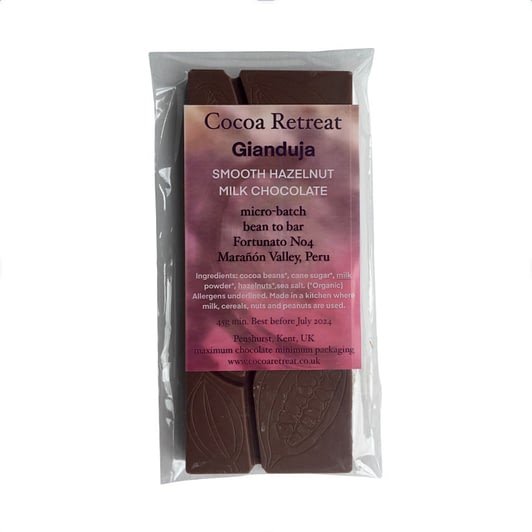
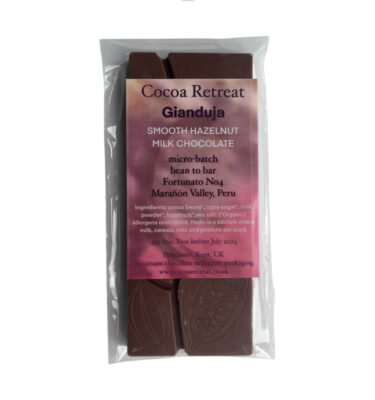
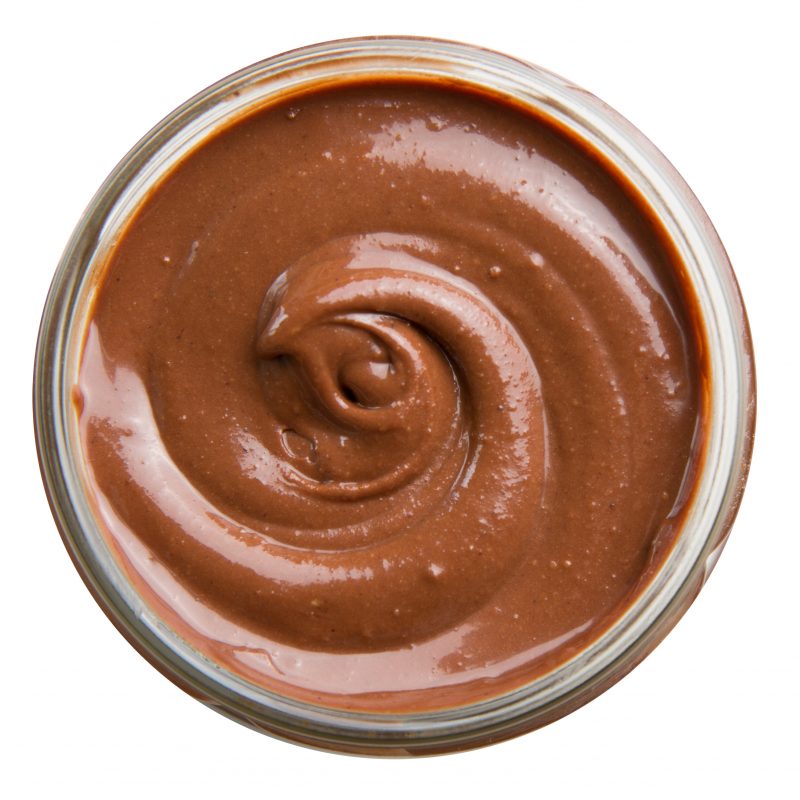
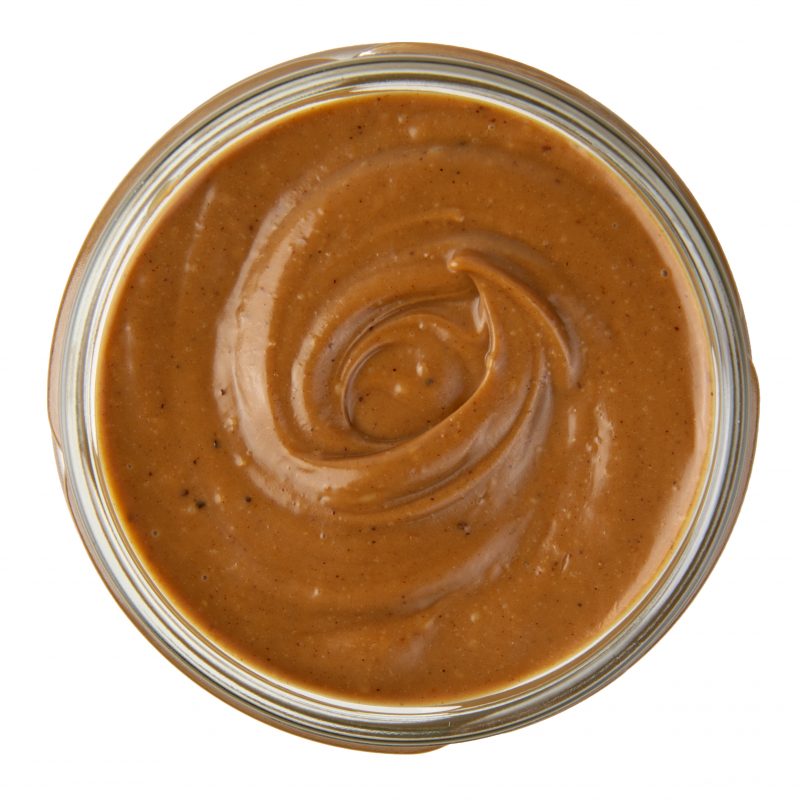
The Piedmont region of Italy is home to some of the world’s most amazing hazelnuts. So it’s not surprising that Piedmont claims credit for the creation of ‘gianduja’; a combination of hazelnuts and chocolate, that can either be an inclusion in chocolate bars, like these:
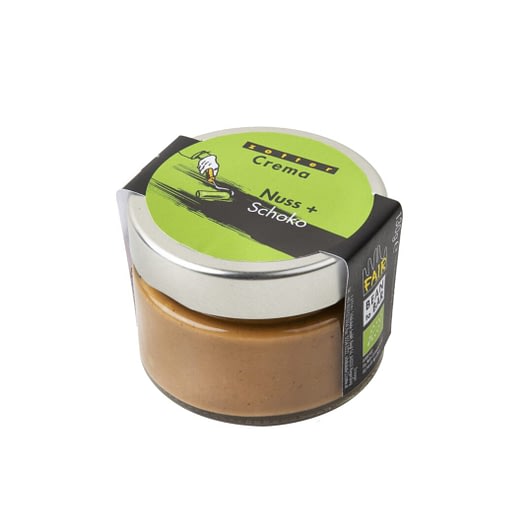
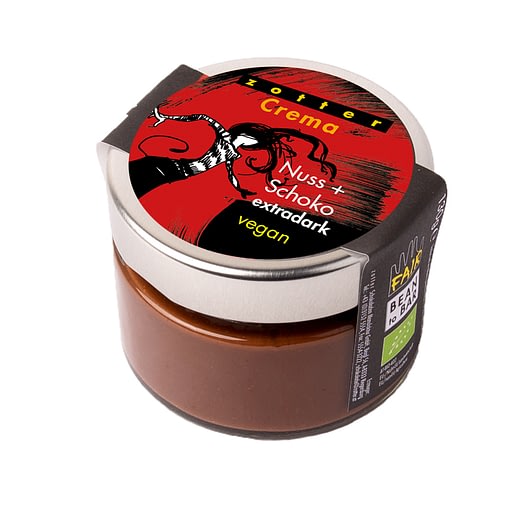
… or it can be a spread, like these interpretations and derivatives from Zotter:
The history of gianduja is, again, disputed. The two best-known theories are:
- Napoleonic blockade theory which argues that gianduja was created during the Napoleonic blockade of the early 19th century which led to a shortage of cocoa beans in Piedmont. To compensate for the limited cocoa supply, local chocolatiers began blending cocoa with hazelnuts to create a spreadable chocolate-hazelnut treat.
- A similar story, but a little later, has Turin chocolatiers creating gianduja in the mid-1850s. According to this theory, cocoa prices had skyrocketed high, so chocolatiers sought to extend their limited supply of cocoa by mixing it with locally abundant hazelnuts.
A century later a shortage of chocolate post World War II is also credited for the invention of Nutella. In 1946 Ferrero launched a product they called “the Giandujot” (named after a local carnival character with a name close to Gianduja) which they sold in prepacked ‘loaves’ that customers “sliced and spread onto bread”. And then in 1964 Ferrero changed the format, recipe and name to start selling ‘Nutella’ in jars… and sales exploded. Nutella’s basis is similar to gianduja in that it contains nuts and chocolate (of sorts), but; ahem; it also contains a LOT of other ingredients, few of which any of us will have in our kitchens. So next time you reach for the Nutella, you may want to consider Michael Pollan’s suggestion to select products where you recognise all the ingredients and think about the French goûter idea of having some chocolate bar in your bread.
Sprinkles, Hailstorm, and Mouse Droppings
An alternative to a chunk of chocolate is the Dutch tradition of ‘hagelslag’, where they sprinkle some chocolate “twinkles” onto their breakfast toast. And, rather confusingly, but very graphically, the Belgians call their chocolate sprinkles “muizenstrontjes” (“mouse droppings”!). We’d argue that the Dutch term of hagelsag, which translates as ‘hailstorm’ is more appetising (note: ‘hagelsag’ were first sold by Venco as a white candy offering in 1907, and then in 1913 Erve H. de Jong launched a chocolate version …and the rest is history).
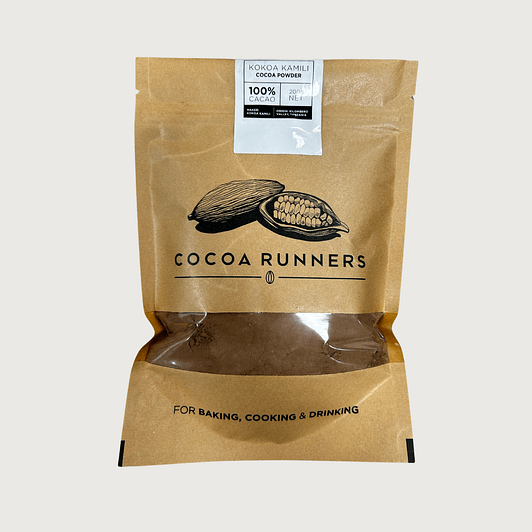
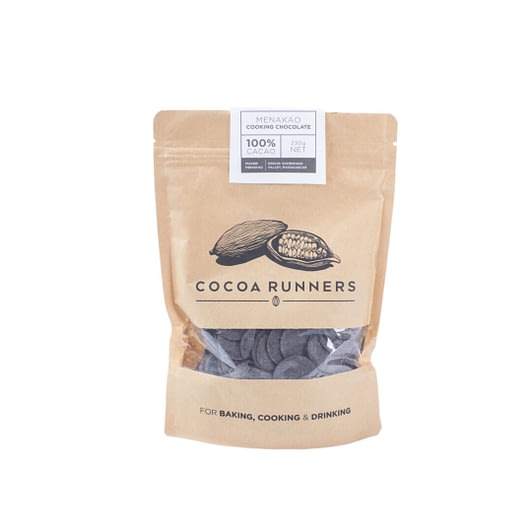
We aren’t aware of any craft chocolate versions of hagelslag or muizenstrontjes, but you can easily make your own with our cooking chocolate, or achieve a very similar delight with Zotter’s spreads or with a French bar to ‘goûter’.
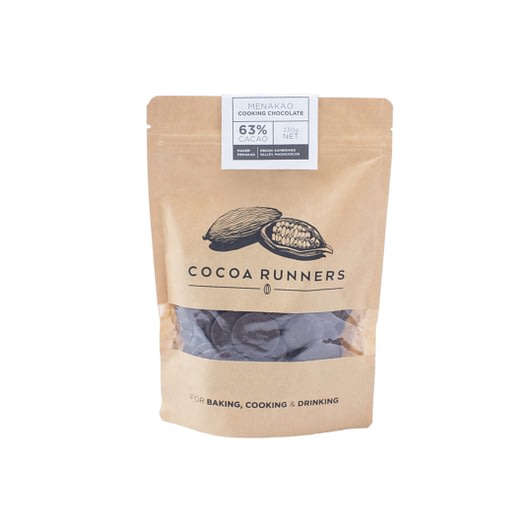
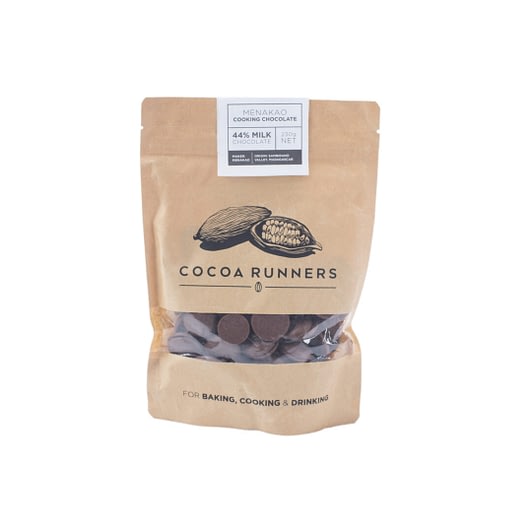
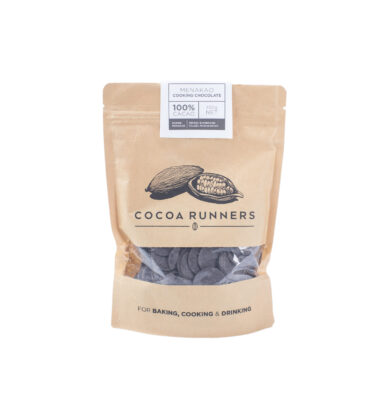
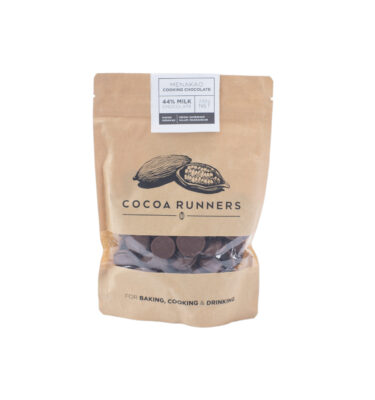
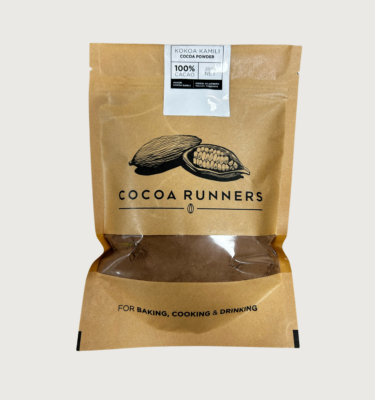
Next week we’ll finish (for now…) this exploration of baking and chocolate by celebrating brownies, chocolate chip cookies, smores, chocolate digestives, and a few more treats. Plus we’ll list out some favourite recipes (and if you can’t wait, click below for a sneak preview).
Thanks to all of you too who supported last week’s survey request; if you’ve not yet had time, we’d still welcome your input, just click below (and remember, as a thank you, we’re offering £5-15 off coupons).
Keep savouring!
Spencer
-
The Bakery Collection£31.95