The (not so smooth) history of milk chocolate
This week please sit back, pick a couple of milk (or alternative mylk/m!lk) chocolate bars,...
Print / PDFThis week please sit back, pick a couple of milk (or alternative mylk/m!lk) chocolate bars,...
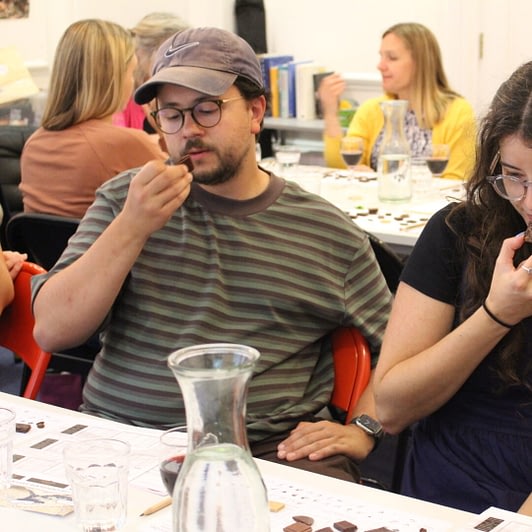
Print / PDFThis week please sit back, pick a couple of milk (or alternative mylk/m!lk) chocolate bars, and enjoy some myth-busting of Swiss, German, and indeed all milk chocolate as you savour your favourite bars. We’ll explore whether Dresden really can mount a challenge to the Swiss in claiming to be the first place milk chocolate was successfully made, and even try to explain why some mass-produced milk chocolate bars from the USA unfortunately remind Europeans of baby vomit!
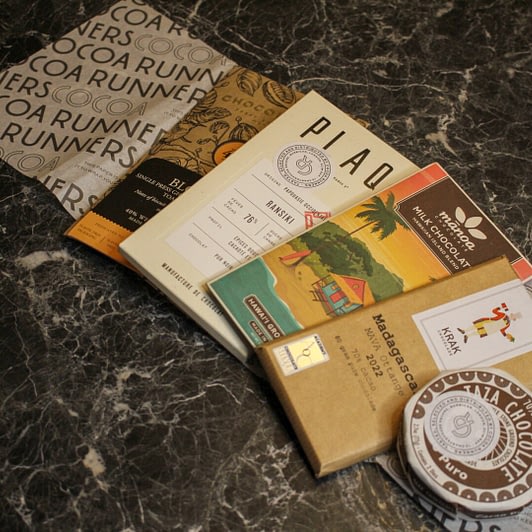
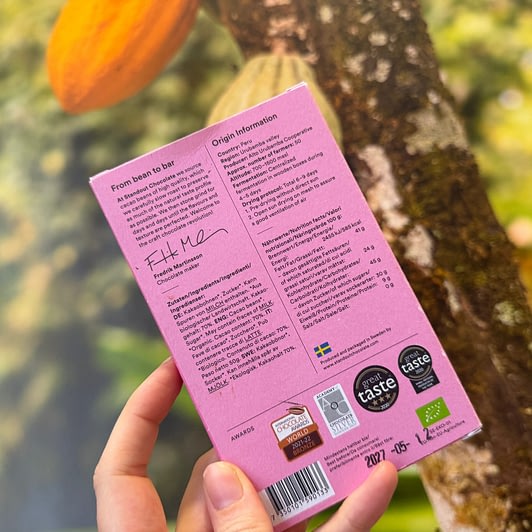
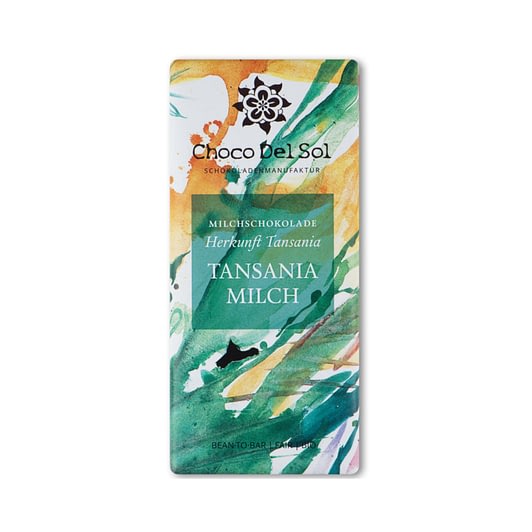
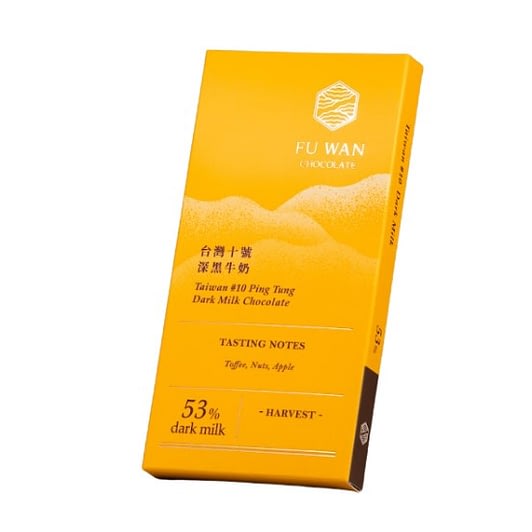
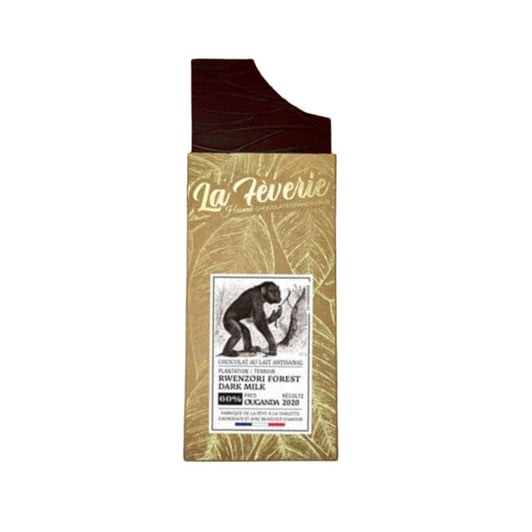
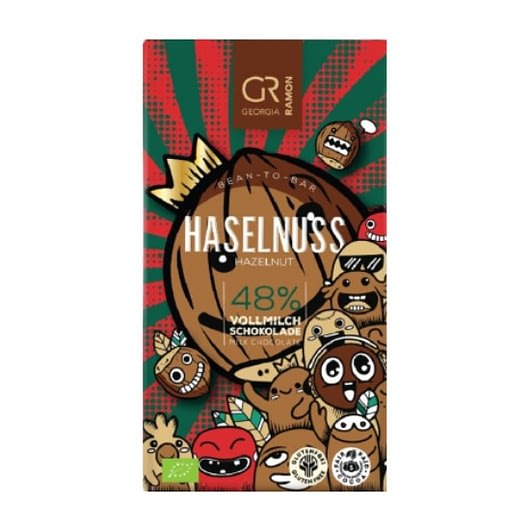
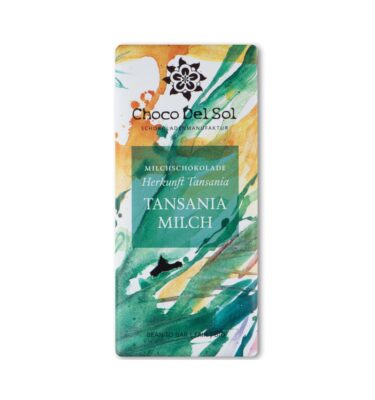
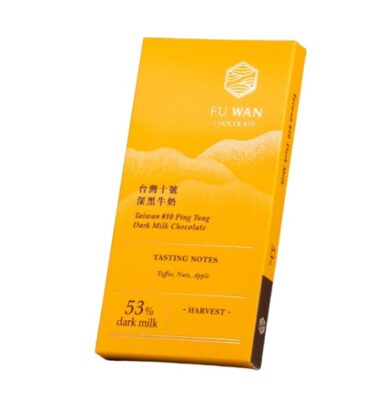
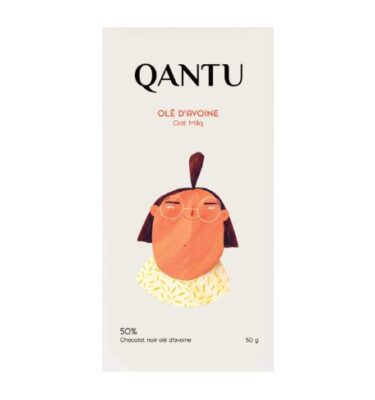
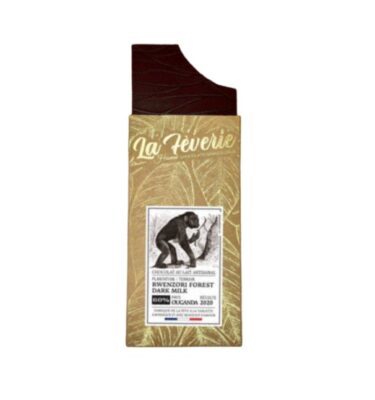
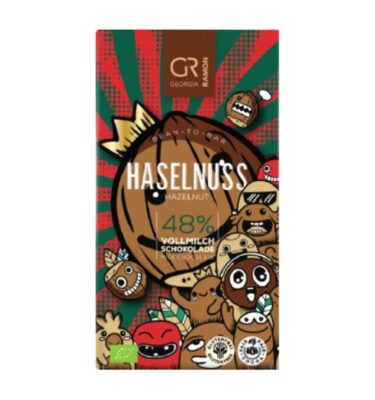
Try out some of our latest milk chocolate bars if you haven’t already:
The Traditional Story
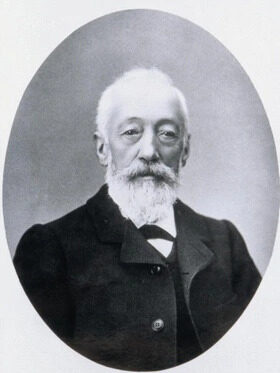
The ‘traditional’ story of milk chocolate is of a dedicated inventor, Daniel Peter, toiling for many years to invent a milk chocolate bar. And then he has a ‘eureka moment’ when his second daughter, Rose, facing serious breastfeeding and nutritional issues, was introduced to “farine lactée” (aka baby formula) by a nearby pharmacist, Henri Nestlé. Daniel Peter then realised that Nestlé’s inventions of farine lactée, milk powder, and condensed milk, offered a solution to chocolate’s notorious hydrophobia which causes chocolate to spoil when any milk (or any other liquid) is involved in the manufacturing process.
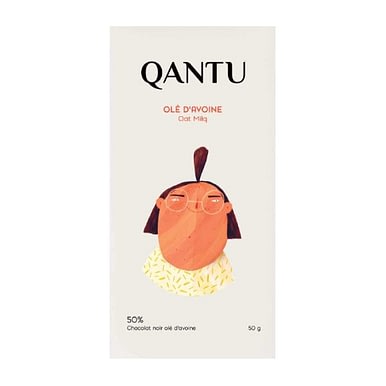
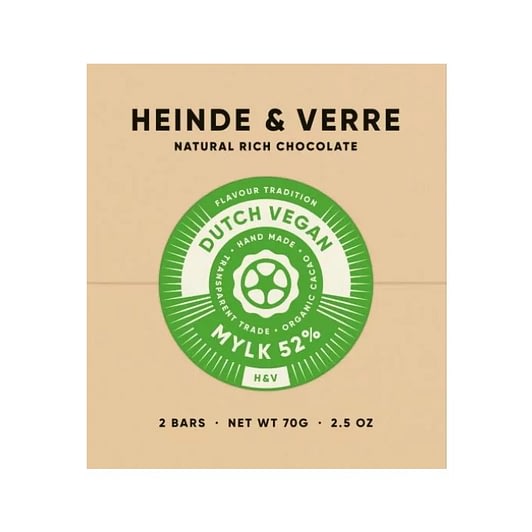
Milks apart: try some milk chocolate without even a whiff of cow between them:
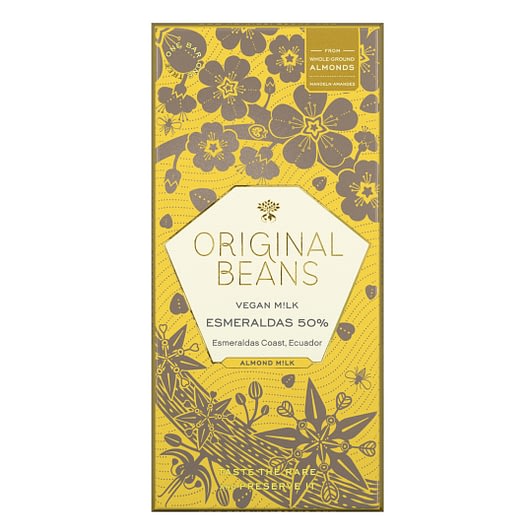
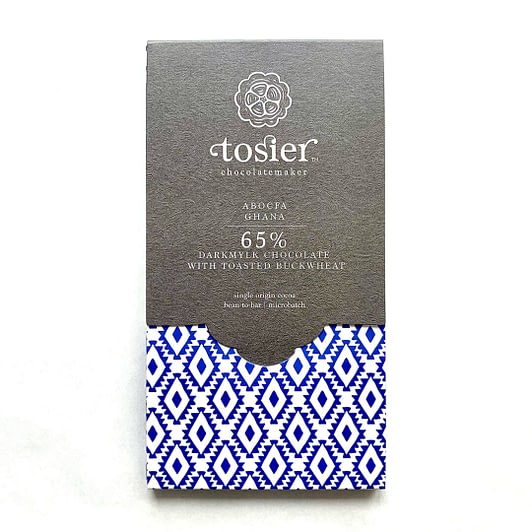
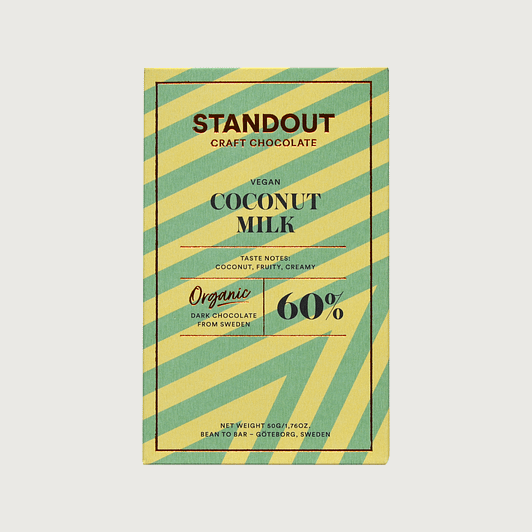
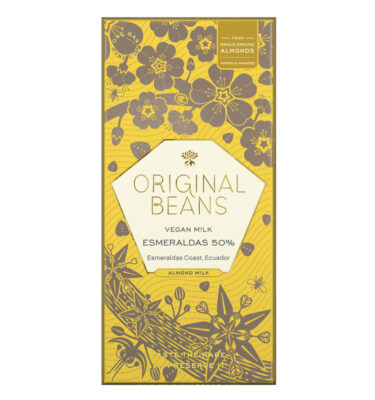
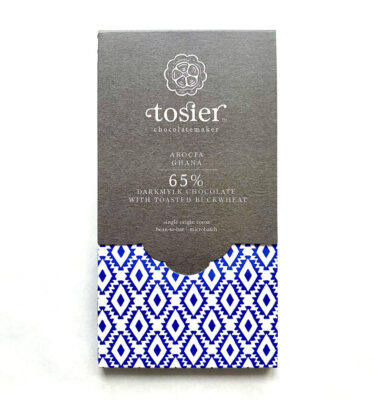
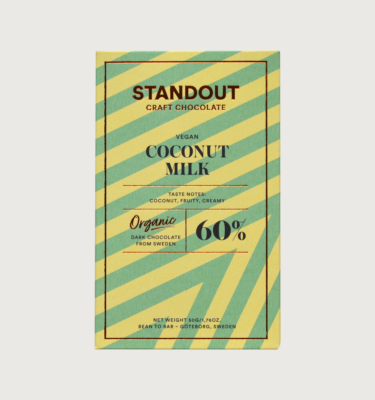
Daniel Peter’s eureka moment and his invention of milk chocolate bars, combined with fellow Swiss Rodolphe Lindt’s discovery of conching and tempering bars, are often cited as the key changes that revolutionised chocolate; ‘bliss point’ bars repositioned chocolate as a distant competitor to tea and coffee to becoming an everyday delight for much of the industrialised world. To put the scale of this change in context; it is estimated that in 1870 around 50 million people drank chocolate, compared to 500 million drinking tea and 200 million drinking coffee. But with the transition from drinking to eating chocolate, world consumption of cocoa beans increased tenfold between 1850 and 1900 (from less than five thousand tonnes to over fifty thousand tonnes). And it has kept growing; from 50,000 tonnes in 1900 to 632,000 tonnes in 1940 to over 7m metric tonnes last year. And a huge proportion of this cocoa is made into chocolate bars, especially milk chocolate.
Revisionist Wrongs …And Butyric Acid
Revisionist historians have long challenged Daniel Peter’s ‘eureka’, revolutionary moment. They point out that a lot of tinkering was required from the date that Daniel Peter is generally credited with inventing milk chocolate (1875) to the launch in 1887 of his ‘Gala Peter’ bars. Note: “gala” means “milk” in Greek, and confusingly was then used for the launch of white chocolate “Galat” bars by Nestlé after they’d invented “Nestrovit”; the first white chocolate.
This criticism is somewhat unfair. The reason why Daniel Peter was so cautious before launching his Gala Peter bars is that he was well aware of the problem that milk chocolate could go sour and start to taste “cheesy”. As he wrote in 1901 when describing this journey:
“My first tests did not give or produce the milk chocolate as we know it today. [In describing his early work] my tests, I thought, were successful …I was happy, but a few weeks later, as I examined the contents, an odour of bad cheese or rancid butter came to my nose. I was desperate, but what was I to do? Go back and try a different procedure?… [I] did not lose courage, but I continued to work as long as circumstances allowed”.
And for the next decade, Daniel Peter worked on various solutions to prolong milk’s shelf life. In particular, he designed custom machinery and rooms to keep the chocolate dry and in a vacuum, and also worked out how to evaporate and powderise Nestlé’s condensed milk to ensure that his Gala Peter bars stayed creamy rather than cheesy.

An aside on the butyric acid alternative
(and why Europeans think that some US milk chocolate tastes like baby vomit!)
Interestingly when Hershey “copied” Daniel Peter, Henri Nestlé and Rodolphe Lindt’s inventions to launch his Hershey’s Milk Chocolate in 1900, he wasn’t as worried about (or maybe didn’t realise) the problem that so concerned Daniel Peter. Hershey’s is notoriously secret about its recipes and manufacturing processes, but it is generally believed that to ensure year-round supply of milk at as inexpensive a price as possible, the milk in Hershey’s undergoes what is known as ‘controlled lipolysis’. Controlled lipolysis produces some “tangy” butyric acid notes (as in Parmesan cheese) but prevents the milk from rotting. The launch of Hershey’s milk chocolate was successful and American consumers too fell in love with the bliss point of milk chocolate. American consumers also became used to the butyric aspect of their milk chocolate, seeing it as a bit tangy with some nice sharp notes. For those of us living on this side of the Atlantic and not used to tangy milk chocolate, we detect the odour of “baby vomit” in many American mass-produced milk chocolate (and if you want to ruin your experience of parmesan cheese, sniff some blind and see what it reminds you of!).
And as a final aside; the reason why (most of us) have cheesy feet is because when our feet sweat, this creates some butyric acid (although no one is suggesting that this is because your feet are going off etc.).
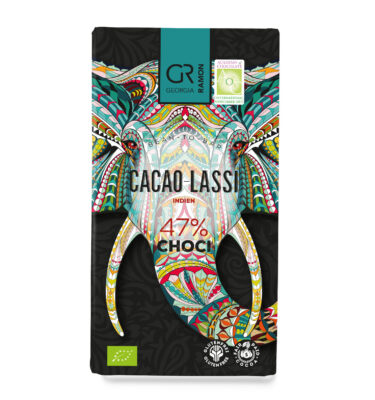
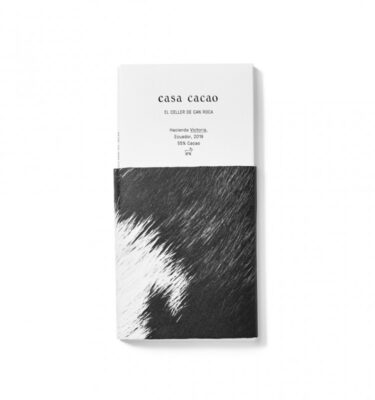
Maybe you want some cheesy note chocolate that’s actually good? Well we’ve got some exceptional examples:
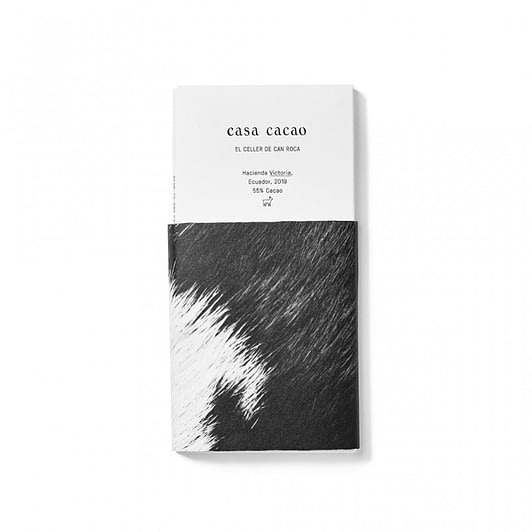
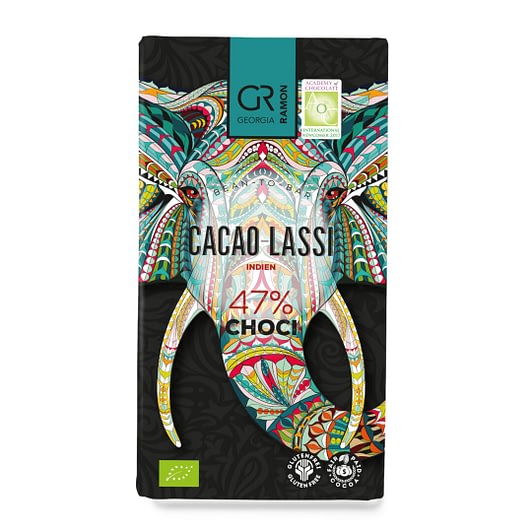
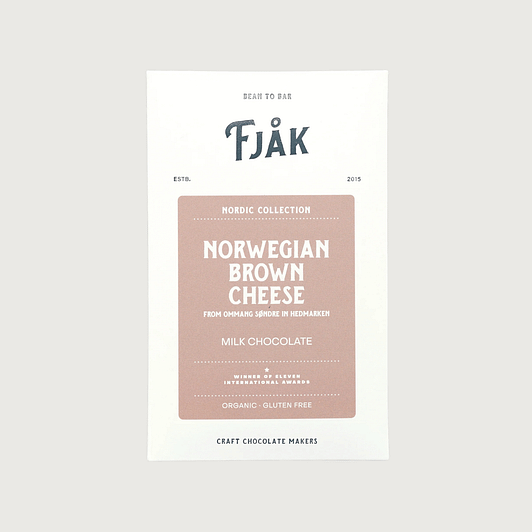
German Revisionism
The Germans are historically seen as relatively late to creating their own milk chocolate; after all, Switzerland is next door and the home of all sorts of late 19th century milk chocolate delights in addition to the Gala Peter; Milka (1901), Toblerone (1908), etc.
However, in 2007 some Dresden historians found in their archives a print advertisement from 1839 for “Jordan & Timaeus” which suggests that this Dresden-based company was making milk chocolate blocks for making both drinking chocolate and also eating:
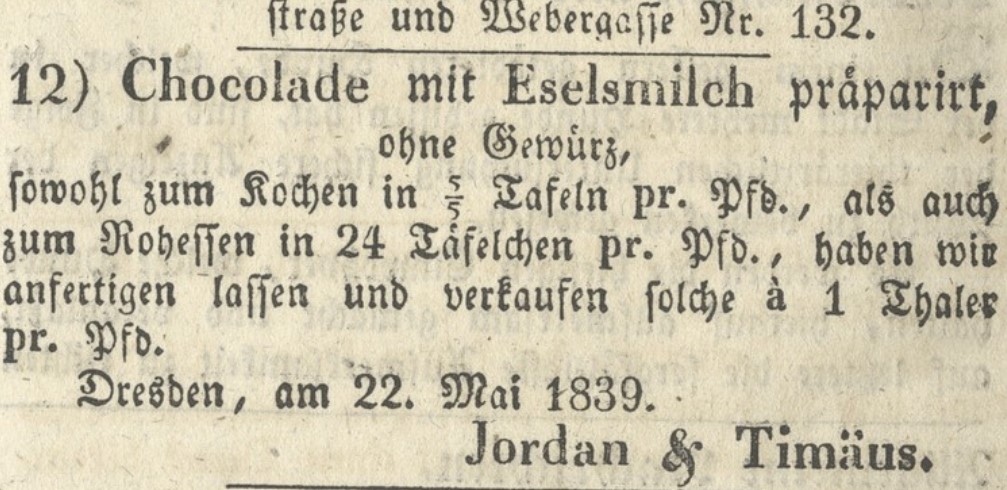
The advert raises a tonne of interesting questions, not least why donkey milk (the answer here seems to be cost). More importantly, does this advert really challenge the Swiss claim that Daniel Peter, Henri Nestlé and Rodolphe Lindt, invented, and effectively kick-started, the modern chocolate bar revolution? And does it also challenge Fry’s claim to have invented the first chocolate bar for “eating” in 1847?
In 2011, historians tried to reproduce the chocolate bars that Jordan and Timaus were selling, and in their own words: “It was rather grainy and difficult to chew, and also bitter and darker than usual milk chocolate”. And it’s not clear that this donkey milk chocolate met with huge success at the time either. But to try and give credit where credit is due, Dresden residents can definitely take pride in Jordan and Timaus opening a chocolate factory in 1823, which is almost as early as the first Cailler chocolate factory in Vevey, Switzerland. And they were making some “milk chocolate cakes” that could be used to make drinking chocolate and also for eating well before Fry launched his chocolate bar for eating in Bristol in 1847.
However, it doesn’t appear that Jordan and Timaus enjoyed massive success with their bar. Their factory was also making a bunch of other products, in particular pasta and chicory coffee. And they also launched a bunch of other ventures, including beer, that were very successful; as well as expanding internationally and forming one of Germany’s first joint stock companies. It may be that Jordan and Timaus’ breadth of commercial interests and activities is what held them back from replicating the success that the chocolate focus of Daniel Peter, Lindt, Cailler, and even Fry’s brought them, and the emerging chocolate industry. So sadly, by 1930, Jordan and Timaus were no longer making chocolate (or chicory coffee), and their factory was torn down; although their names now live on as street names nearby to their original factory.
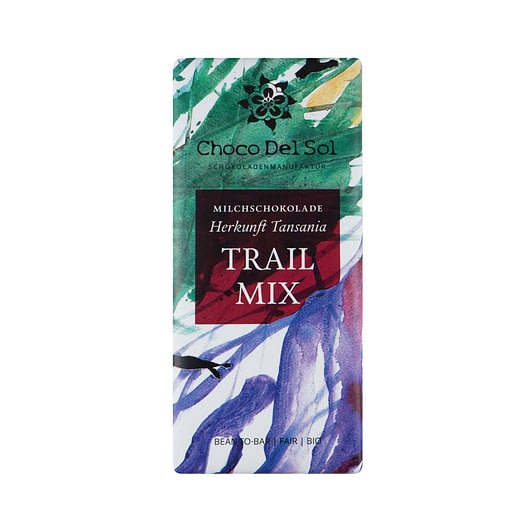
Try some of the best chocolate made in Germany today:
-
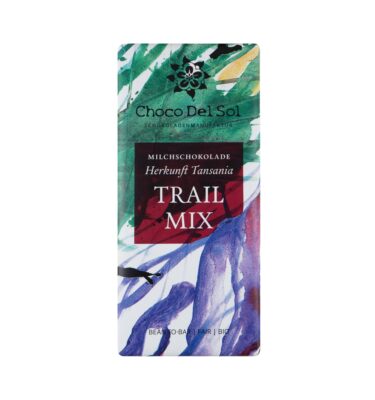
 Choco Del Sol – Kokoa Kamili, Tanzania, Trail Mix Dark Milk 50%£9.95
 -
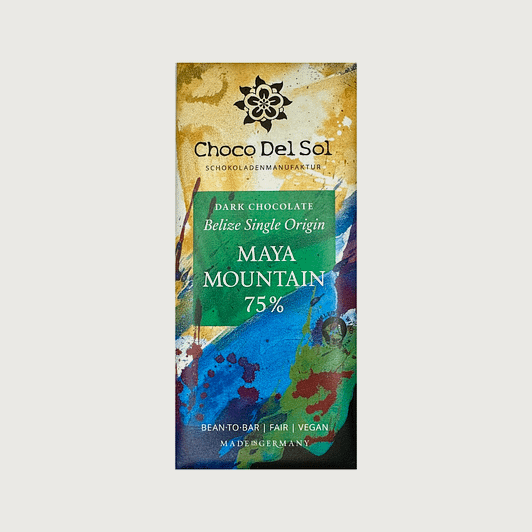
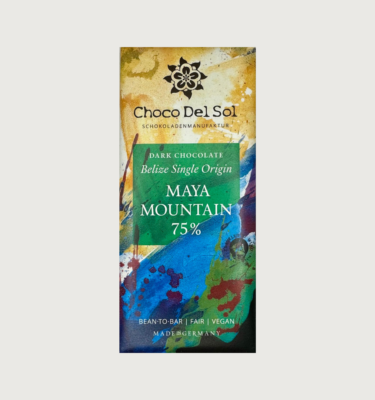
Choco Del Sol – Maya Mountain, Belize Dark 75%£9.95
-
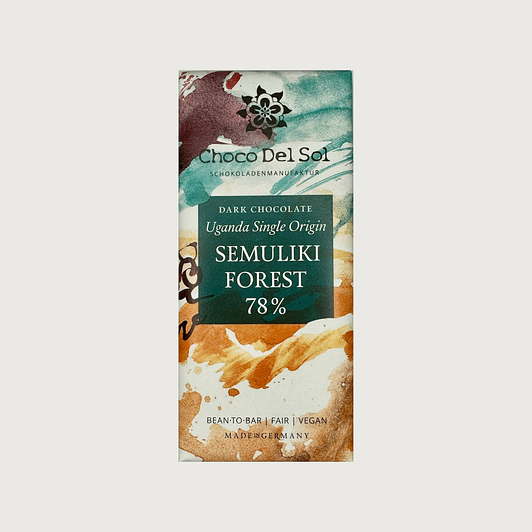
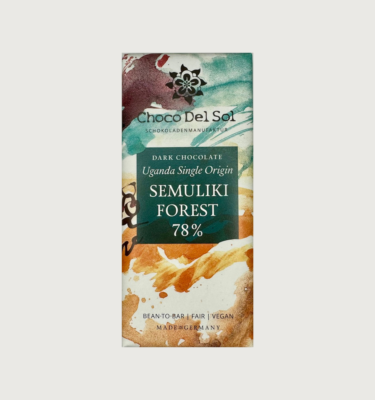
Choco Del Sol – Semuliki, Uganda Dark 78%£9.95
-
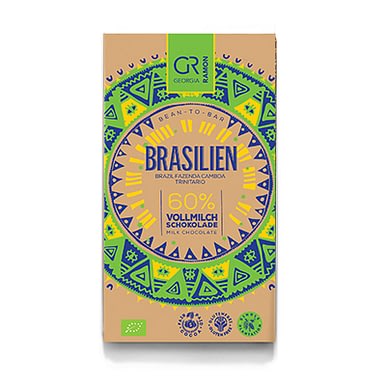
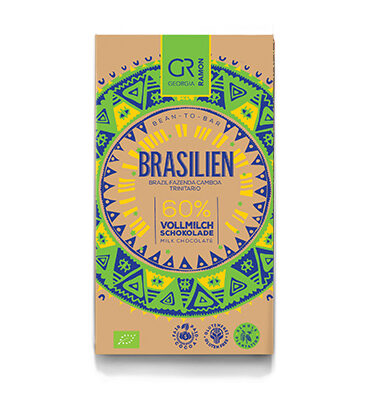
Georgia Ramon – Brazil 60% Dark Milk Chocolate£6.95
-
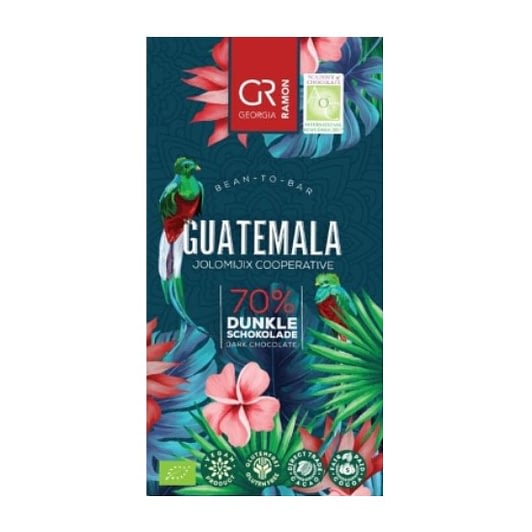
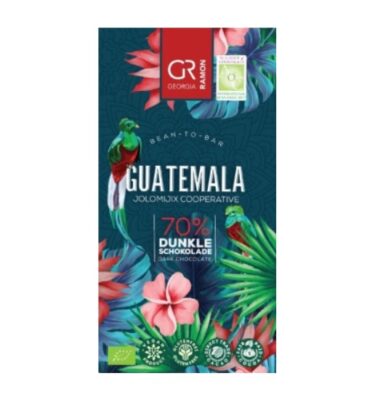
Georgia Ramon – Jolomijix, Guatemala, Dark 70%£5.95
-
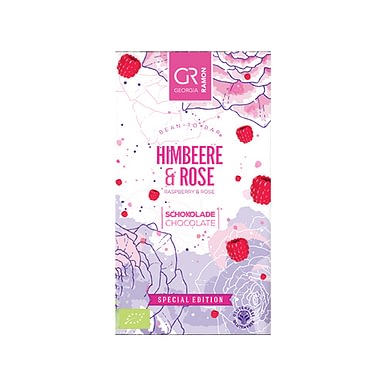
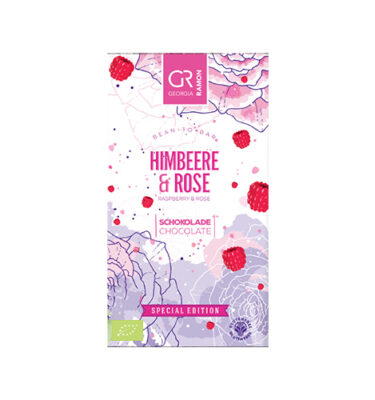
Georgia Ramon – Raspberry & Rose White Chocolate Bar£7.95
Next Week
Next week we’ll explore the British claim that the founder of the British Museum, British Library, and Natural History Museum; Hans Sloane; also invented the European custom of drinking hot milk chocolate. And (spoiler alert) it again shows the power of marketing in creating myths.
One rather sad lesson is that we need to be sceptical of the claims made by ‘big chocolate’ (and indeed by ‘big food’ in general). We need to be wary of some of the more outlandish health claims for chocolate (such as those by Mars about heart health). Similarly we need to be wary of greenwashing and for example, claims on child labour (including by the likes of Tony’s Chocolonely). And it’s definitely worth trying to dig a little deeper on many of the historical legends for chocolate (such as the mythologising of gory Aztec ceremonies).


At the same time, congratulations to the Dresden historians who challenged Switzerland’s claims for inventing the milk chocolate bar. The lesson of automatically accepting many of the traditional legends and myths in chocolate history. They’ve raised a bunch of interesting questions which encourage reflection. For example, when did people first start to “eat” chocolate? As Martin Christy has often noted; it’s bizarre to suggest that no one before Fry’s ever thought to try eating the cakes of chocolate being used to make drinking chocolate. And they’ve also helped show how a bunch of product solutions, along with appropriate manufacturing and retail infrastructure, combined with superb marketing enabled chocolate to become an everyday delight.
Don’t miss your chance to savour the flavours of this year’s ‘best bars’ at the Eurobean Festival:
Finally, a huge thanks to Choco Del Sol and the Eurobean Festival, and in particular Philipp Müller, for not just a great craft chocolate fair, but also for their insights about Jordan and Timaus.
And thanks, as ever, to you for all your support!
Keep savouring!
Spencer